Laser Printer Imaging Unit: Complete Guide to Quality, Performance, and Cost Efficiency

Get a Free Quote

Our representative will contact you soon.
Email
Mobile
Whatsapp or Wechat ID
Company Name
Name
Message
0/1000

laser printer imaging unit

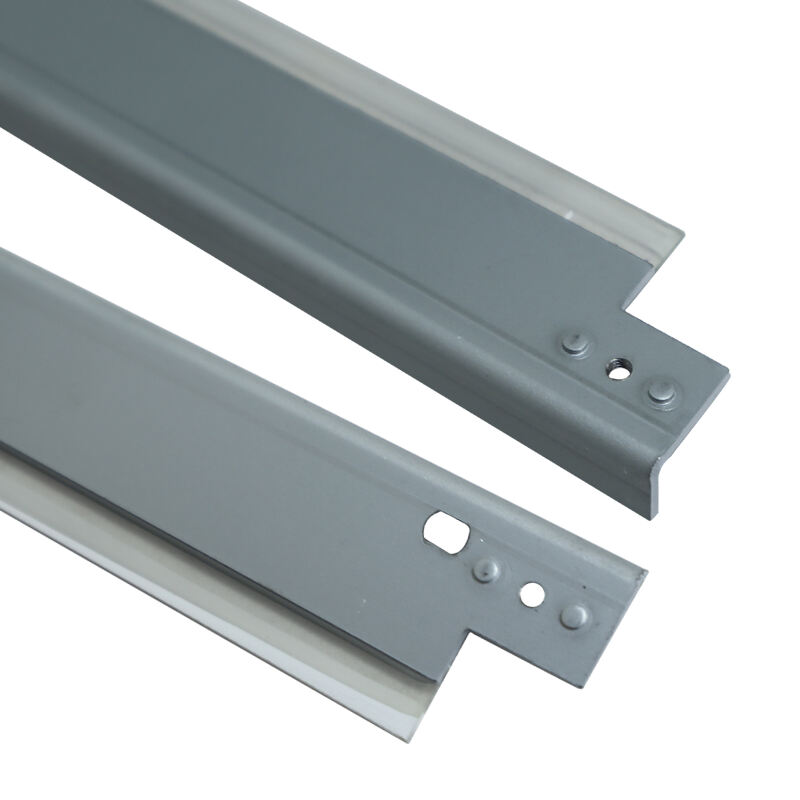
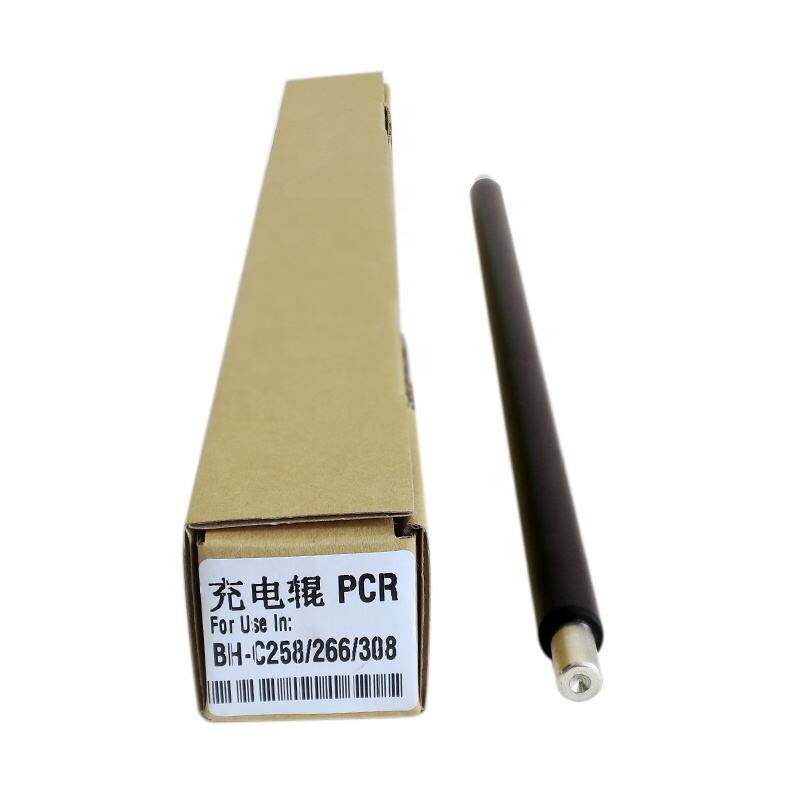
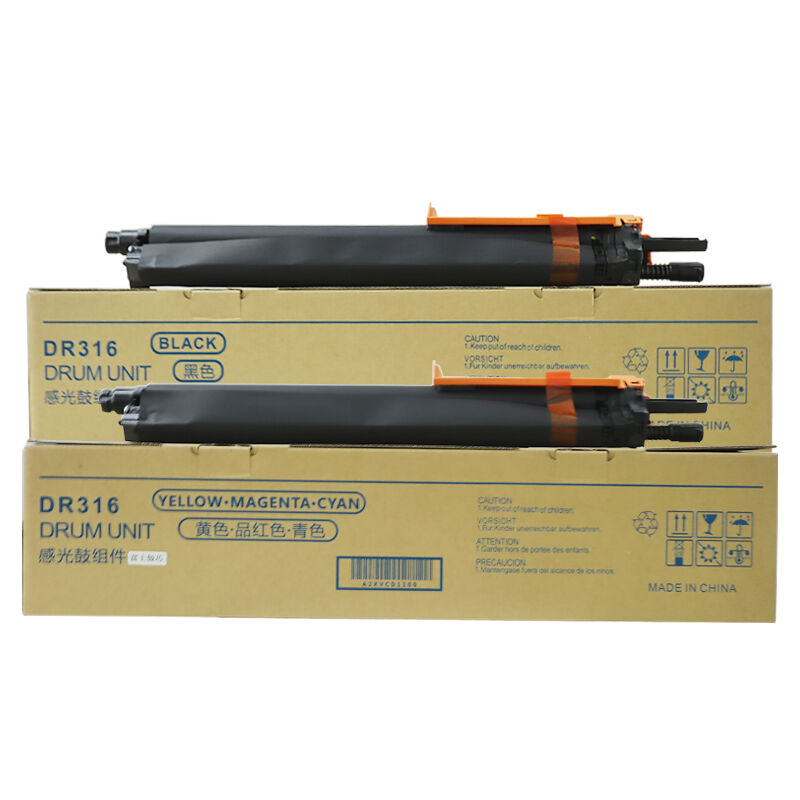
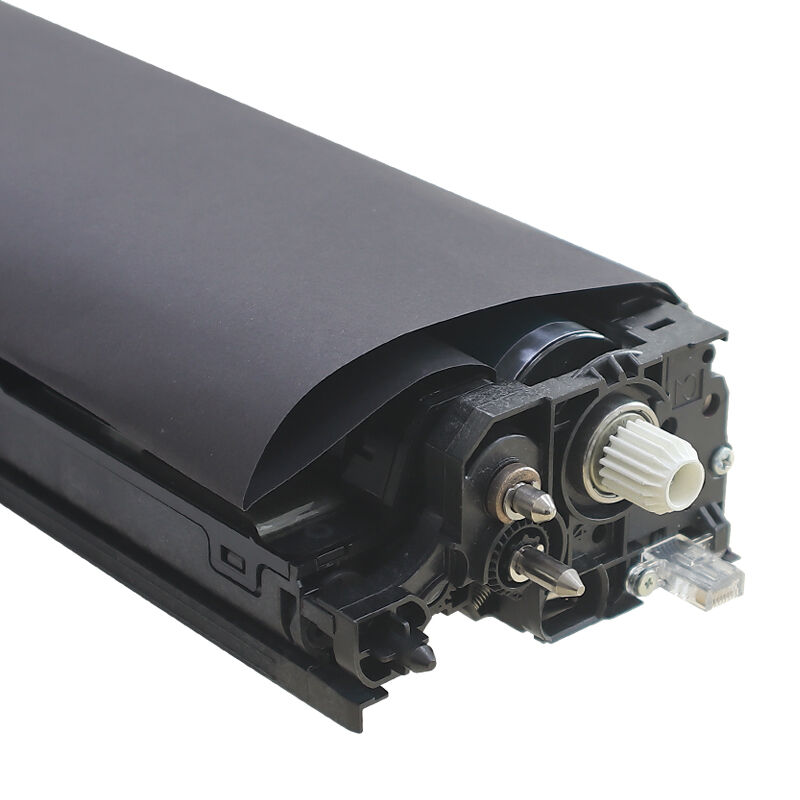
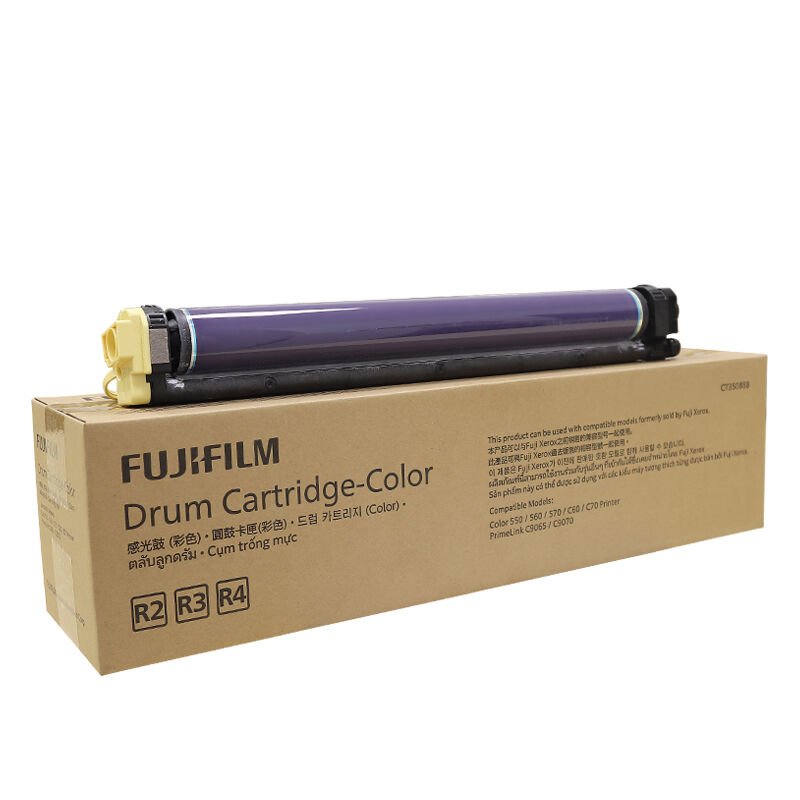
The laser printer imaging unit stands as a critical component within modern printing systems, serving as the heart of the electrophotographic process that delivers exceptional print quality. This sophisticated assembly combines multiple elements working in harmony to transfer toner onto paper with remarkable precision and consistency. At its core, the laser printer imaging unit integrates the photoconductor drum, charging mechanism, developing system, and cleaning apparatus into a single replaceable module. The photoconductor drum, typically constructed from organic photoconductor material or amorphous silicon, receives the latent electrostatic image created by the laser beam. This cylindrical component possesses unique photoconductive properties that allow it to hold and release electrical charges based on light exposure. The charging roller applies a uniform negative charge across the drum surface, creating the foundation for image formation. As the laser beam scans across the charged drum, it selectively discharges specific areas, creating an invisible electrostatic pattern corresponding to the desired print output. The developing roller then introduces toner particles, which adhere exclusively to the discharged regions through electrostatic attraction. The laser printer imaging unit finds extensive applications across diverse environments, from small office settings to large corporate enterprises, educational institutions, and commercial printing operations. Its technological features include advanced toner distribution systems, precise drum coating technologies, and engineered cleaning blades that remove residual toner after each print cycle. Modern imaging units incorporate smart chip technology that communicates with the printer, monitoring usage patterns and predicting maintenance needs. The unit's design emphasizes both performance and environmental responsibility, with many manufacturers developing units using recycled materials and implementing energy-efficient production processes. The imaging unit's role extends beyond simple image transfer, as it directly influences print resolution, toner efficiency, and overall document consistency throughout its operational lifespan.

New Products

The laser printer imaging unit delivers substantial benefits that directly impact your printing operations and bottom line. First and foremost, this component ensures consistently sharp text and crisp graphics across thousands of pages, maintaining professional quality from the first print to the last. Unlike older printing technologies that experience gradual degradation, the imaging unit maintains stable performance throughout its rated lifecycle, giving you predictable results every time you print. The all-in-one design simplifies maintenance significantly, as replacing the imaging unit requires no technical expertise or special tools. When print quality begins to decline, you simply swap out the entire unit, instantly restoring your printer to like-new performance without calling service technicians or spending hours troubleshooting individual components. This user-friendly approach saves valuable time and eliminates the frustration associated with complex repairs. The laser printer imaging unit also contributes to lower operational costs through efficient toner usage. The precise electrostatic process ensures that toner particles land exactly where needed, minimizing waste and extending the life of your toner cartridges. This efficiency translates directly into reduced supply expenses over time. Furthermore, modern imaging units operate at impressive speeds, enabling high-volume printing without compromising quality. Whether producing detailed reports, marketing materials, or everyday correspondence, the unit handles diverse document types with equal proficiency. Environmental considerations add another advantage, as many imaging units now feature recyclable components and reduced energy consumption during operation. This eco-conscious design helps organizations meet sustainability goals while maintaining productivity. The imaging unit's durability proves particularly valuable in demanding workplace environments where consistent output is non-negotiable. Extended page yields mean fewer interruptions for replacements, keeping workflows smooth and deadlines achievable. Additionally, the standardized nature of imaging units across printer models provides flexibility in equipment choices and simplifies inventory management for businesses maintaining multiple devices. The protective housing of the imaging unit shields sensitive components from dust, humidity, and handling damage, ensuring reliable performance even in less-than-ideal conditions. Smart monitoring capabilities in advanced units provide early warnings before quality issues become noticeable, allowing proactive replacements that prevent disappointing print jobs. For budget-conscious operations, compatible and remanufactured imaging units offer cost-effective alternatives without sacrificing essential quality standards. The straightforward installation process means minimal downtime during replacements, keeping your team productive and your projects on schedule.

Tips And Tricks

How Can a Customized Cleaning Blade Extend the Lifespan of Your Printer?

11

Dec

How Can a Customized Cleaning Blade Extend the Lifespan of Your Printer?

Office productivity heavily depends on reliable printing equipment, yet many businesses overlook the critical role of maintenance components in preserving their investment. A customized cleaning blade represents one of the most effective solutions fo...
View More
How to Choose a High-Quality Charge Roller?

11

Dec

How to Choose a High-Quality Charge Roller?

Understanding the Importance of a Reliable Charge Roller A charge roller is a critical component in laser printers and copiers, playing a vital role in ensuring consistent print quality. It is responsible for evenly charging the photoconductor drum, ...
View More
How Can a High-Quality Master Roll Improve the Overall Print Quality?

07

Jan

How Can a High-Quality Master Roll Improve the Overall Print Quality?

Digital printing technology has revolutionized the way businesses produce high-volume documents, but the quality of output depends heavily on the components used within these systems. At the heart of digital duplicators lies the master roll, a critic...
View More
Why Are Master Rolls Critical in High-Volume Production Environments?

07

Jan

Why Are Master Rolls Critical in High-Volume Production Environments?

High-volume production environments demand exceptional efficiency, reliability, and cost-effectiveness to maintain competitive advantages in today's fast-paced business landscape. Among the essential components that drive successful operations, maste...
View More

Get a Free Quote

Our representative will contact you soon.
Email
Mobile
Whatsapp or Wechat ID
Company Name
Name
Message
0/1000

laser printer imaging unit

Superior Print Consistency and Quality Retention

Superior Print Consistency and Quality Retention

The laser printer imaging unit excels at delivering unwavering print quality that remains consistent throughout its entire operational lifespan, a characteristic that sets it apart from alternative printing technologies. This remarkable consistency stems from the precision-engineered photoconductor drum at the unit's core, which maintains its electrical properties across tens of thousands of print cycles. When you invest in a quality imaging unit, you secure the assurance that your first page will look virtually identical to your ten-thousandth page, with the same sharp edge definition, uniform toner coverage, and accurate color reproduction if working with color systems. This consistency matters tremendously for businesses producing client-facing documents, where brand integrity depends on professional presentation. The imaging unit achieves this reliability through carefully balanced component relationships. The charging roller applies exactly the right electrical potential to the drum surface, creating the ideal foundation for image formation. The laser beam then modulates this charge with microscopic precision, creating latent images at resolutions reaching 1200 dots per inch or higher. The developing system maintains optimal toner particle distribution, ensuring each discharged area receives appropriate coverage without excess buildup or sparse patches. The cleaning blade removes residual toner completely after each revolution, preventing contamination that could compromise subsequent images. These coordinated actions repeat flawlessly thousands of times, producing documents that meet exacting quality standards. For industries requiring regulatory compliance or archival documentation, this consistency provides peace of mind that every printed page meets necessary specifications. Marketing departments benefit enormously when producing branded materials, knowing that color accuracy and image sharpness remain constant across entire print runs. Educational institutions printing course materials appreciate that all students receive equally legible handouts regardless of when they were printed during the semester. The imaging unit's quality retention also protects your professional reputation by eliminating the embarrassment of submitting faded or streaky documents to important clients or stakeholders. This reliability extends to various paper types and weights, as the unit accommodates different media characteristics while maintaining output standards. The consistent performance reduces waste from rejected prints, contributing to both cost savings and environmental responsibility.
Simplified Maintenance with Integrated Design

Simplified Maintenance with Integrated Design

The integrated architecture of the laser printer imaging unit represents a breakthrough in user-friendly maintenance, consolidating multiple critical components into a single replaceable assembly that anyone can install without specialized training. This design philosophy acknowledges that most users lack technical expertise in printer mechanics and simply need their equipment to work reliably with minimal complications. Traditional printers once required separate replacement of drums, charging units, developing systems, and cleaning mechanisms, each demanding specific installation procedures and careful handling. The modern imaging unit eliminates this complexity by housing all these elements in a protective cartridge that slides into place with simple movements. When your printer signals that the imaging unit needs replacement, you can complete the task in under five minutes without consulting technical manuals or watching instructional videos. This accessibility proves invaluable for small businesses and home offices lacking dedicated IT support, empowering anyone to perform essential maintenance confidently. The environmental benefits of integrated design extend beyond convenience, as manufacturers can optimize the entire assembly for efficient material use and simplified recycling processes. When you return a used imaging unit through recycling programs, facilities can process it more efficiently than handling separate components, recovering valuable materials and reducing landfill waste. The sealed construction of the imaging unit also protects sensitive components during shipping and storage, reducing the risk of damage that could compromise performance. This durability means you can maintain spare units in your supply closet without concerns about degradation from environmental exposure. For organizations managing multiple printers across different locations, the standardized imaging unit design simplifies inventory management and reduces training requirements, as staff members learn one replacement procedure applicable to various printer models. The quick-change capability minimizes printer downtime, a critical advantage when deadlines loom and every minute of productivity counts. Rather than waiting for service technicians or struggling through multi-step component replacements, you simply swap units and immediately resume printing. The imaging unit's design also incorporates safety features that prevent improper installation, with keyed slots and alignment guides ensuring correct positioning every time. This foolproof approach eliminates the risk of damaging your printer through incorrect assembly, protecting your equipment investment while maintaining optimal performance.
Cost Efficiency Through Optimized Toner Utilization

Cost Efficiency Through Optimized Toner Utilization

The laser printer imaging unit delivers exceptional cost efficiency by optimizing toner utilization through precise electrostatic control and engineered particle distribution systems that minimize waste while maximizing print coverage. This efficiency begins with the fundamental electrophotographic process, where the imaging unit creates perfectly defined charged areas on the photoconductor drum corresponding exactly to the desired print pattern. Unlike inkjet technologies that spray liquid ink with inevitable overspray and absorption inefficiencies, the dry toner process attracts particles only to specifically charged regions, ensuring virtually every toner particle contributes to the final image. The developing roller within the imaging unit maintains optimal toner layer thickness through magnetic or electrostatic regulation, preventing excessive application that would waste material without improving print quality. This controlled approach means your toner cartridges last longer, reducing the frequency of replacements and lowering your overall supply costs. For high-volume printing environments, these savings accumulate substantially over time, potentially reducing printing costs by twenty to thirty percent compared to less efficient technologies. The imaging unit's consistent performance throughout its lifecycle ensures that toner efficiency remains stable rather than degrading as components wear, maintaining cost benefits from installation through end-of-life. Smart monitoring systems in advanced imaging units track actual toner usage patterns and provide accurate predictions of remaining capacity, eliminating premature replacements driven by uncertainty and helping you plan supply purchases more effectively. The unit's ability to produce sharp, dark text and graphics at standard density settings eliminates the temptation to increase toner application unnecessarily, as users receive satisfactory results without adjustment. This default efficiency protects uninformed users from inadvertently increasing operational costs through inappropriate settings. The precise toner placement also reduces the need for reprints due to quality issues, eliminating waste from rejected documents and the associated material and time costs. For duplex printing operations, the imaging unit's consistent performance on both sides of the page ensures uniform quality without requiring density adjustments that might increase toner consumption. Environmental benefits complement financial savings, as reduced toner usage means fewer cartridges manufactured, shipped, and eventually recycled or disposed. Organizations pursuing sustainability certifications or corporate responsibility goals find that efficient imaging units support these initiatives while simultaneously improving budget performance. The long operational lifespan of quality imaging units further enhances cost efficiency by spreading the initial investment across many thousands of pages, reducing the per-page cost to remarkably low levels.
Email Email WhatsApp WhatsApp
WhatsApp
WeChat WeChat
WeChat
Facebook Facebook TopTop

Get a Free Quote

Our representative will contact you soon.
Email
Mobile
Whatsapp or Wechat ID
Company Name
Name
Message
0/1000