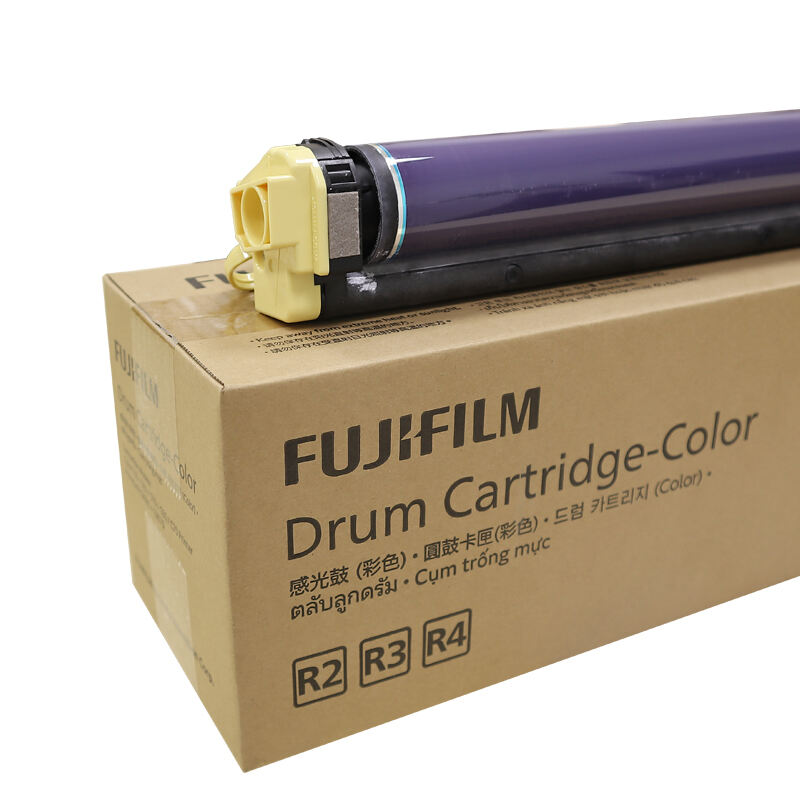
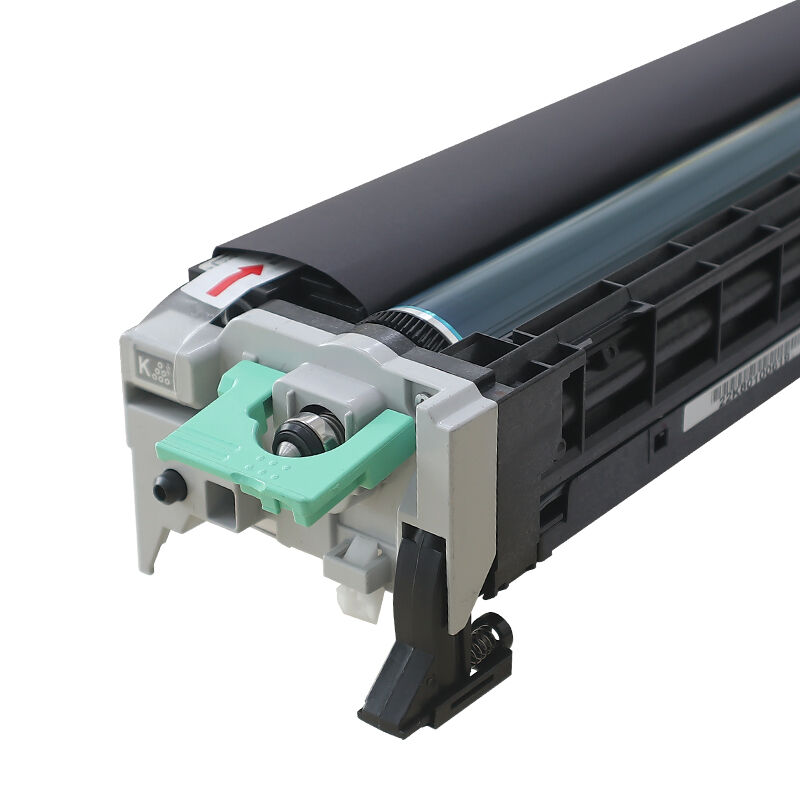
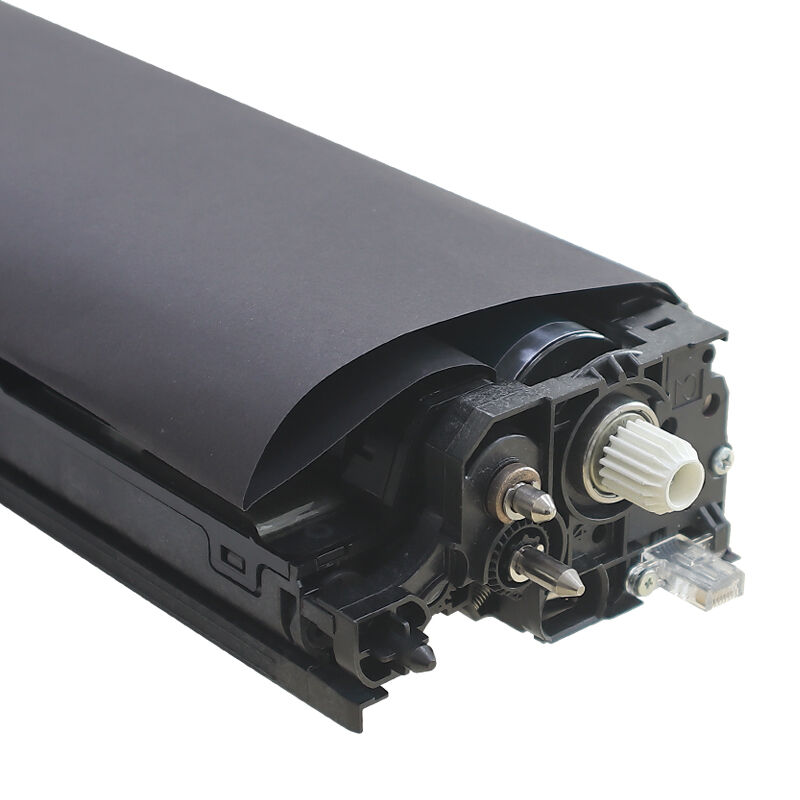
Imaging Unit Printer: Complete Guide to Features, Benefits, and Cost-Effective Printing Solutions

Get a Free Quote

Our representative will contact you soon.
Email
Mobile
Whatsapp or Wechat ID
Company Name
Name
Message
0/1000

imaging unit printer

An imaging unit printer represents a crucial component in modern laser printing technology that works seamlessly to produce high-quality documents and images. This sophisticated device contains a photosensitive drum, charging roller, and developing roller that work together to transfer toner onto paper with remarkable precision. The imaging unit printer serves as the heart of laser printing systems, converting digital information into physical prints through a carefully orchestrated electrophotographic process. Within corporate environments, educational institutions, and home offices, these units deliver consistent performance for various printing needs. The imaging unit printer operates by receiving electrical charges that create latent images on the photosensitive drum surface, which then attracts toner particles to form visible text and graphics. Modern imaging unit printer technology incorporates advanced features including automatic density adjustment, extended lifespan designs, and enhanced color reproduction capabilities. Users benefit from streamlined maintenance procedures as many imaging unit printer models arrive as single replaceable cartridges containing all necessary components. The operational efficiency of an imaging unit printer directly influences overall print quality, speed, and cost-effectiveness. Manufacturing innovations have led to imaging unit printer designs that minimize environmental impact while maximizing page yields. These units accommodate diverse media types ranging from standard office paper to specialized cardstock and envelopes. The imaging unit printer market continues evolving with developments in drum coating materials, toner formulations, and electronic controls. Professional printing operations rely heavily on imaging unit printer consistency to maintain brand standards and document integrity. Understanding imaging unit printer functionality helps organizations make informed decisions regarding equipment purchases and maintenance schedules. As businesses prioritize operational efficiency, the imaging unit printer remains fundamental to productive document workflows and communication strategies across industries worldwide.

New Product Recommendations

The imaging unit printer delivers exceptional print quality that meets professional standards for business communications and marketing materials. Users experience crisp text reproduction with sharp edges and uniform density across entire pages, ensuring documents maintain readability and visual appeal. This component produces prints with superior resolution that captures fine details in graphics, charts, and photographs without distortion or fading. Organizations save substantial money over time because modern versions offer extended operational life that reduces replacement frequency and associated costs. The all-in-one cartridge design simplifies maintenance procedures, allowing staff members without technical expertise to perform replacements quickly during busy workdays. Companies reduce downtime significantly since swapping units takes only minutes, keeping productivity levels high and preventing workflow disruptions. Environmental benefits emerge from designs that use fewer materials and generate less waste compared to separate component systems. Businesses appreciate consistent output quality throughout the entire lifespan, maintaining document standards without gradual degradation that affects professional appearance. The technology delivers reliable performance across varying workloads, handling both light occasional printing and heavy continuous operation without mechanical failures. Users gain flexibility to print on multiple media types including heavy cardstock, labels, and transparencies without adjusting complex settings. Energy efficiency features reduce electricity consumption during operation and standby modes, contributing to lower utility expenses and smaller carbon footprints. Quick warm-up times mean less waiting between turning on equipment and producing first prints, enhancing workplace efficiency. Advanced toner distribution mechanisms ensure even coverage that prevents streaking, spotting, or other defects that compromise document quality. Temperature regulation systems protect sensitive components from heat damage while maintaining optimal conditions for toner fusion. Organizations benefit from predictable maintenance schedules that allow accurate budgeting for supplies and reduce unexpected expenses. The sealed design prevents toner dust contamination in office environments, protecting employee health and keeping workspaces cleaner. Compatibility with various printer models provides procurement flexibility and reduces inventory complexity for businesses managing multiple locations. Print speed remains consistent throughout projects, meeting deadline requirements without quality compromises. Users receive visual and electronic notifications before supplies deplete, enabling proactive ordering that prevents supply shortages. The technology supports both monochrome and color printing applications, accommodating diverse document requirements within single devices. Cost per page calculations become straightforward, helping organizations analyze expenses and optimize printing strategies for better financial management across departments.

Tips And Tricks

How to Choose a High-Quality Charge Roller?

11

Dec

How to Choose a High-Quality Charge Roller?

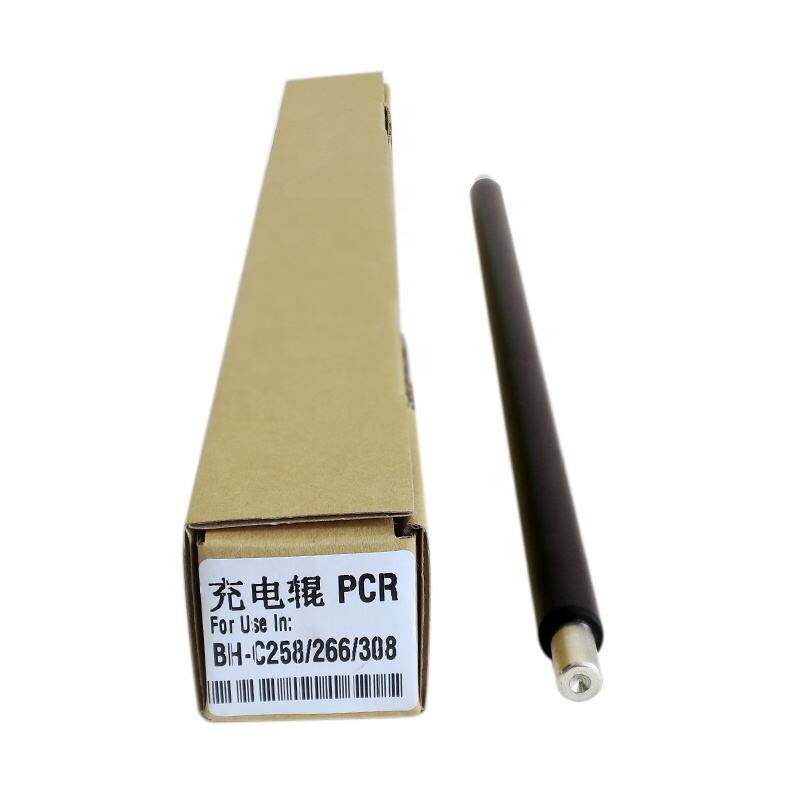
Understanding the Importance of a Reliable Charge Roller A charge roller is a critical component in laser printers and copiers, playing a vital role in ensuring consistent print quality. It is responsible for evenly charging the photoconductor drum, ...
View More
What Makes Master Rolls a Key Component in Commercial Printing Operations?

07

Jan

What Makes Master Rolls a Key Component in Commercial Printing Operations?

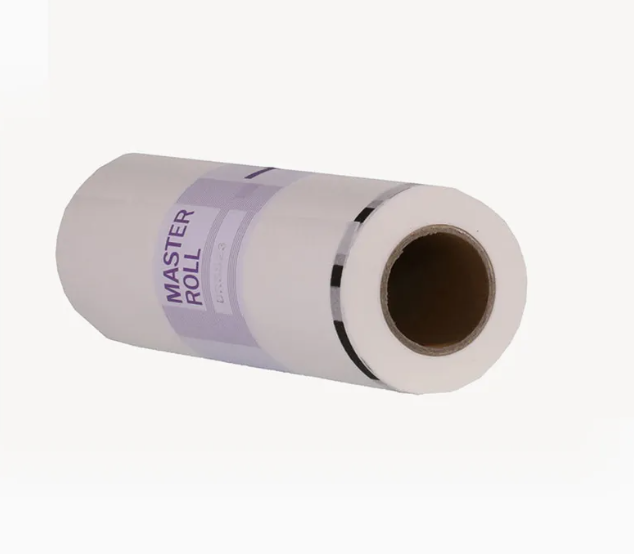
Commercial printing operations rely on numerous components working in perfect harmony to deliver high-quality reproductions at scale. Among these essential elements, the master roll stands out as a critical component that directly impacts print quali...
View More
How Do Pickup Rollers Affect the Speed and Accuracy of Paper Feeds in Your Printer?

12

Feb

How Do Pickup Rollers Affect the Speed and Accuracy of Paper Feeds in Your Printer?

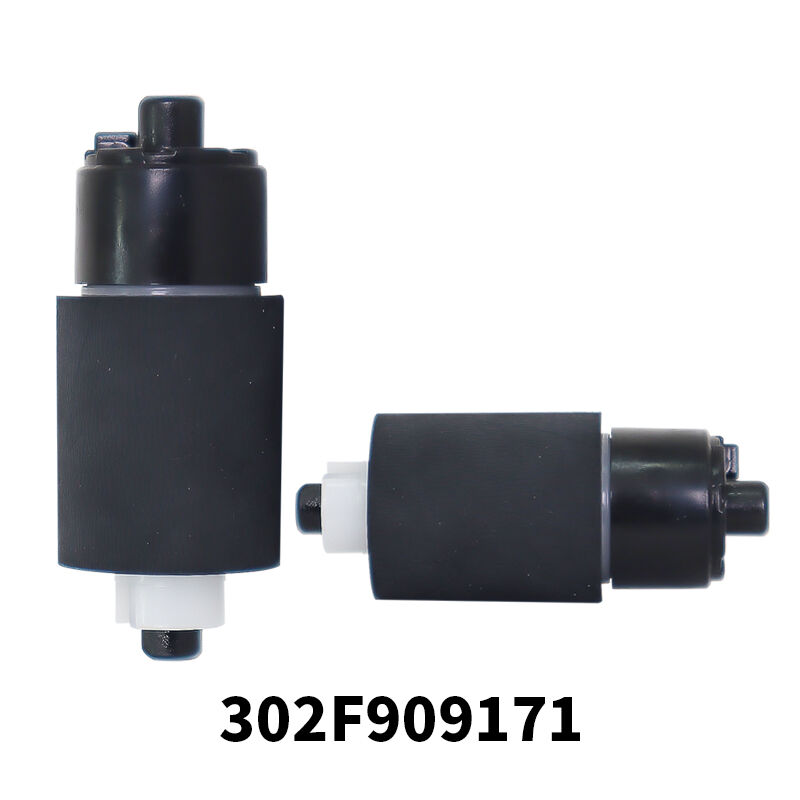
Modern printing environments depend heavily on the seamless operation of every component within a printer system. Among the most critical yet often overlooked components are pickup rollers, which serve as the primary mechanism for initiating paper mo...
View More
Common issues with primary charge rollers and how to fix them

05

Mar

Common issues with primary charge rollers and how to fix them

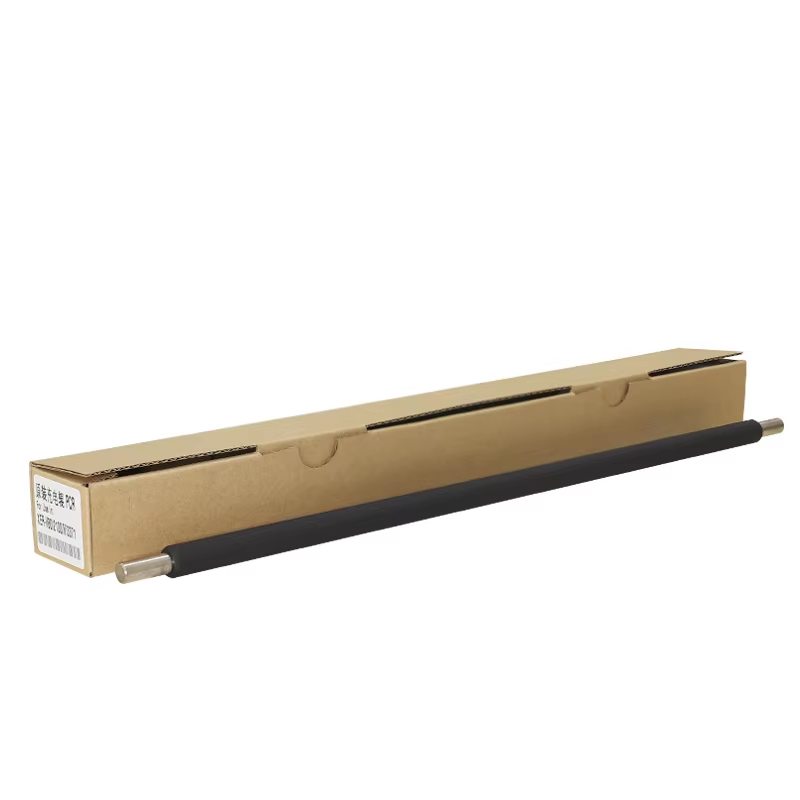
Every office environment depends on reliable printing equipment to maintain productivity and workflow efficiency. However, even the most advanced copiers and printers can experience technical difficulties that disrupt daily operations. One component ...
View More

Get a Free Quote

Our representative will contact you soon.
Email
Mobile
Whatsapp or Wechat ID
Company Name
Name
Message
0/1000

imaging unit printer

Superior Print Quality and Consistency

Superior Print Quality and Consistency

The imaging unit printer stands out in the market primarily because it delivers unmatched print quality that professionals demand for important documents and presentations. This technology employs precision-engineered photosensitive drums with specialized coating materials that respond accurately to laser exposure, creating detailed latent images with microscopic accuracy. The charging mechanisms within these units apply uniform electrical charges across the entire drum surface, establishing the foundation for consistent toner attraction and transfer. Advanced developing rollers use magnetic properties to control toner particle distribution, ensuring each printed character and graphic element receives appropriate toner quantities for optimal density. Organizations producing client-facing materials rely on this consistent performance to maintain brand identity and professional image throughout all printed communications. The imaging unit printer prevents common quality issues like background shading, where unwanted toner appears in white spaces, through precise charge control and cleaning blade efficiency. Text documents benefit from sharp character edges that enhance readability even at smaller font sizes, supporting accessibility requirements and reducing eye strain. Graphics and photographs reproduce with smooth tonal gradations that prevent banding or posterization effects common in inferior systems. Color imaging unit printer variants maintain accurate color registration across cyan, magenta, yellow, and black layers, producing vibrant images without misalignment or color shifts. The sealed design protects internal components from environmental contaminants like dust and humidity that could compromise print quality over time. Manufacturing quality control processes ensure each imaging unit printer meets strict tolerances for drum coating uniformity, roller diameter consistency, and electrical characteristic stability. Extended lifespan designs maintain print quality standards throughout thousands of pages, delivering the same excellence on the final print as the first. Businesses avoid reprinting costs and wasted materials because output meets specifications consistently without test prints or adjustments. The technology adapts automatically to different paper types and weights, adjusting toner fusion parameters to prevent smudging on coated stocks or inadequate adhesion on textured papers. Professional print shops value this reliability when producing materials for multiple clients with varying quality expectations and deadline pressures.
Cost Efficiency and Long-Term Value

Cost Efficiency and Long-Term Value

Financial considerations drive many purchasing decisions, and the imaging unit printer excels in delivering outstanding value through multiple cost-saving mechanisms that benefit organizations of all sizes. The integrated design combining drum, charging components, and developing mechanisms into single replaceable units reduces per-page costs by optimizing component lifespans and eliminating premature replacements. Extended yield ratings mean fewer interruptions for supply changes, reducing both direct supply expenses and indirect labor costs associated with maintenance activities. Businesses achieve predictable budgeting because these units provide clear page yield specifications that enable accurate calculation of operational expenses per document. The technology minimizes waste by ensuring toner utilization efficiency, where nearly all supplied toner transfers to paper rather than remaining in waste containers or adhering to internal components. Energy-saving features reduce electricity consumption during printing operations and especially during idle periods when equipment awaits next print job. Organizations lower their total cost of ownership by reducing service calls, as the simplified design with fewer separate components decreases mechanical failure points and associated repair expenses. The imaging unit printer supports high-volume printing without performance degradation, making it economical for busy departments that previously required expensive specialized equipment. Bulk purchasing options and compatible third-party alternatives provide procurement flexibility that enhances competitive pricing and supply chain reliability. Environmental disposal costs decrease because consolidated units generate less waste packaging and fewer individual components requiring specialized recycling processes. Companies reduce inventory carrying costs by stocking fewer SKUs when single imaging unit printer cartridges replace multiple separate consumables. The technology's longevity means less frequent capital equipment replacement, preserving budget resources for other business priorities while maintaining printing capabilities. Businesses avoid hidden costs associated with poor quality output that requires reprinting, wasted paper, and damaged client relationships from unprofessional materials. The straightforward replacement process eliminates needs for technical service contracts or specialized training programs, returning those financial resources to core business operations. Organizations operating multiple locations benefit from standardized supply requirements that simplify procurement processes and enable volume discounts across entire operations.
User-Friendly Operation and Maintenance

User-Friendly Operation and Maintenance

Practical usability distinguishes the imaging unit printer from complex alternatives, making it accessible for users regardless of technical expertise or printing experience. The intuitive replacement process requires no tools or specialized knowledge, allowing any staff member to swap units quickly when supplies deplete without waiting for IT support or external technicians. Clear visual indicators and electronic notifications provide advance warning before supplies run out, enabling proactive ordering that prevents unexpected printing interruptions during critical projects. The single-unit design eliminates confusion about which components need replacement, removing guesswork and reducing errors that waste supplies or damage equipment. Packaging includes straightforward instructions with illustrated steps that guide users through installation processes, building confidence and reducing anxiety about performing maintenance tasks. The imaging unit printer incorporates protective features like shipping locks and seals that prevent damage during transport and storage, ensuring components arrive ready for immediate installation. Smart chip technology communicates with printer firmware to provide accurate supply level monitoring, page count tracking, and performance diagnostics that support proactive maintenance planning. Users appreciate the clean installation experience as sealed designs prevent toner spills and dust contamination that create messy workspaces and health concerns. The lightweight construction makes handling easy even for users with limited strength or mobility, promoting workplace inclusivity and safety. Compatibility indicators and clear labeling prevent installation of incorrect units that could damage equipment or produce poor results, protecting investment and maintaining operational continuity. The imaging unit printer design considers ergonomic access points in printer construction, allowing comfortable reach and visibility during replacement procedures without awkward positioning. Environmental sensors within these units monitor operating conditions and adjust performance parameters automatically, eliminating manual calibration requirements that intimidate non-technical users. Businesses reduce training costs and time investments because new employees quickly learn straightforward replacement procedures without extensive instruction. The modular approach supports rapid troubleshooting, as replacing the imaging unit printer often resolves multiple potential issues simultaneously, simplifying diagnostic processes. Remote workers and small offices without dedicated IT support particularly benefit from this user-centered design philosophy that promotes self-sufficiency. Organizations enhance workplace satisfaction by empowering employees with simple maintenance capabilities rather than creating dependencies on specialized support staff for routine supply changes.
Email Email WhatsApp WhatsApp
WhatsApp
WeChat WeChat
WeChat
Facebook Facebook TopTop

Get a Free Quote

Our representative will contact you soon.
Email
Mobile
Whatsapp or Wechat ID
Company Name
Name
Message
0/1000