 EN
EN

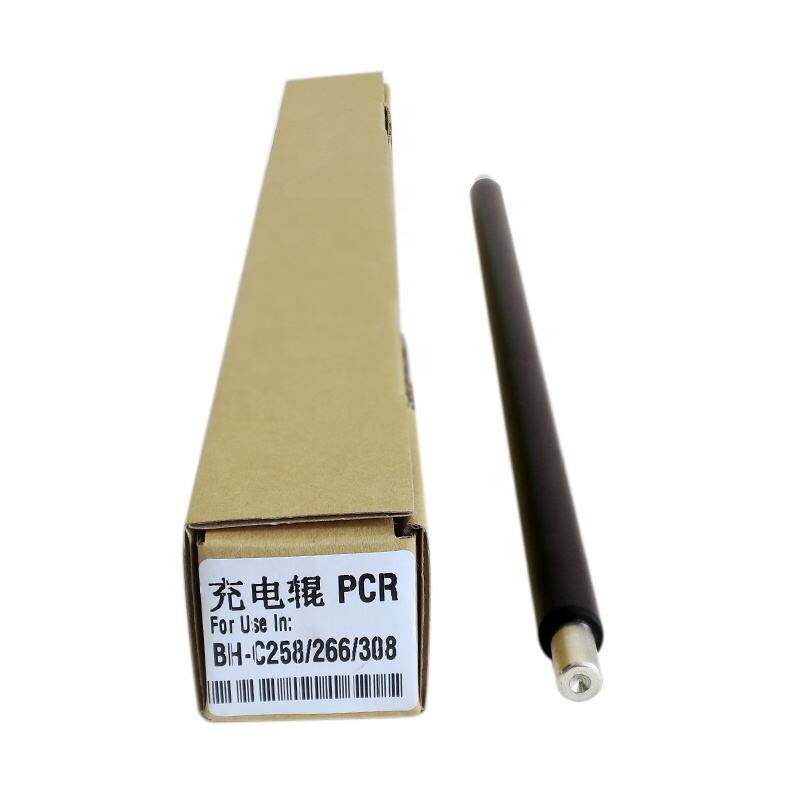
Understanding the Importance of a Reliable Charge Roller
A charge roller is a critical component in laser printers and copiers, playing a vital role in ensuring consistent print quality. It is responsible for evenly charging the photoconductor drum, which directly affects the final output. Choosing a high-quality charge roller can significantly reduce printing defects, improve toner transfer efficiency, and extend the life of the printer. In high-volume printing environments, the reliability of a charge roller becomes even more important, as any malfunction can lead to downtime and costly maintenance.
A high-quality charge roller not only ensures even charging across the drum but also provides stable voltage performance, minimal leakage, and strong environmental adaptability. For instance, Ricoh charge rollers are known for their no-leak performance, stable voltage, and excellent suitability in varying climates, making them a preferred choice for professional printing solutions. Similarly, Konica Minolta charge rollers maintain performance equivalent to original parts, ensuring consistent and durable results.
Investing in a premium charge roller can save both time and money in the long run. Low-quality alternatives may seem cost-effective initially, but frequent replacements, inconsistent print quality, and potential damage to other printer components can outweigh the initial savings. Therefore, understanding the essential characteristics of a charge roller is crucial for anyone managing printers or copiers.
Key Features to Evaluate in a Charge Roller
Material Composition and Durability
When selecting a high-quality charge roller, the material composition is one of the most critical factors. Most rollers are made from conductive rubber or urethane, but not all materials offer the same level of durability and performance. A roller that uses high-quality conductive rubber ensures consistent charge distribution, reducing the risk of streaks, spots, or uneven toner application.
Durable materials also resist wear and tear, which is especially important for heavy-duty printing tasks. Over time, rollers with inferior materials can degrade, leading to scratches on the photoconductor drum or reduced print quality. Choosing a roller with proven durability can help minimize maintenance costs and extend the lifespan of your printer.
Electrical Properties and Voltage Stability
The primary function of a charge roller is to impart a uniform electrical charge onto the photoconductor drum. Voltage stability is therefore a critical attribute. A roller that maintains consistent electrical properties ensures that each print is sharp, clear, and free from defects.
Inconsistent electrical performance can cause uneven toner adhesion, faded images, or streaks on printed pages. Selecting a charge roller with stable conductivity and proper insulation helps maintain high-quality prints and prevents frequent service interruptions.
Size and Compatibility
Ensuring that a charge roller fits correctly within your printer model is essential. An incompatible roller can cause poor print quality, mechanical problems, or even damage the printer. Always check the manufacturer’s specifications, including length, diameter, and conductive properties, before purchasing.
A properly fitting high-quality charge roller guarantees smooth installation, consistent performance, and reliable printing over its lifespan.
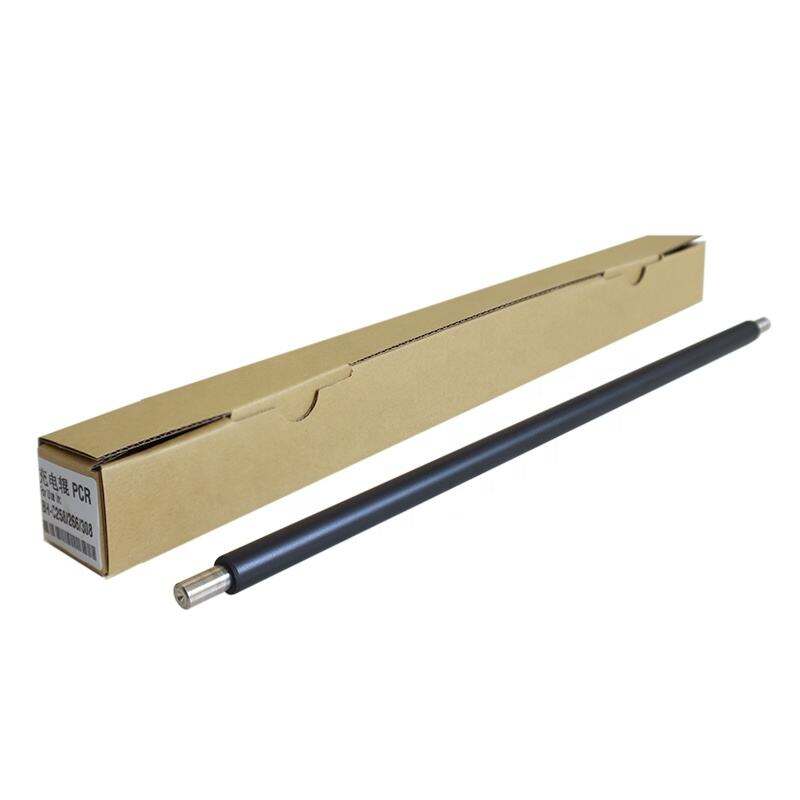
Signs of a Worn-Out Charge Roller
Decline in Print Quality
One of the first indicators of a worn-out charge roller is a noticeable decline in print quality. Common problems include streaks, uneven toner distribution, faded text, or inconsistent image density. When these issues persist despite regular maintenance, it usually signals that the roller needs replacement.
Neglecting a worn roller can result in frequent jams or toner smudging, which ultimately affects productivity. By recognizing these signs early, users can prevent costly repairs and ensure that all printed materials maintain a professional standard.
Physical Wear and Damage
Charge rollers are subject to mechanical wear over time. Cracks, scratches, and surface deformation can all affect performance. Even minor damage may result in uneven charging of the photoconductor drum, which leads to print defects and reduced efficiency.
Frequent monitoring of the roller’s surface allows for early detection of wear. Routine inspections can help identify potential issues before they escalate, ensuring that printer performance remains stable and reliable in daily operations.
Electrical Instability
Electrical instability in a charge roller may not be visible but can cause serious print quality issues. Signs include areas of light or dark print, inconsistent toner coverage, and irregular image density. These problems indicate that the roller is losing its ability to maintain a uniform charge.
Maintaining rollers with proper cleaning and environmental control can help preserve electrical stability. Consistent monitoring and replacement at the first signs of instability can prevent long-term damage to both the roller and the photoconductor drum.
Choosing Between Different Charge Roller Options
Advantages of OEM Rollers
Original Equipment Manufacturer (OEM) rollers are specifically designed for particular printer models. They offer guaranteed compatibility, precise fit, and consistent performance. OEM rollers also usually come with a warranty, providing additional security for high-volume printing operations.
Additionally, OEM rollers are tested for optimal conductivity and even distribution of toner. They ensure that printers maintain factory-level efficiency and avoid unexpected malfunctions. For businesses that rely on high-quality printing daily, OEM rollers offer the reassurance of reliability and minimal maintenance concerns.
Benefits of High-Quality Compatible Rollers
High-quality compatible rollers can provide similar performance to OEM parts at a lower cost. These rollers are manufactured to meet strict specifications regarding material quality, durability, and electrical properties. Choosing reliable compatible rollers allows businesses to maintain excellent print quality while optimizing costs, especially when multiple printers are in use.
Such rollers often undergo rigorous testing to ensure they can match OEM standards in lifespan and performance. By selecting certified compatible rollers, businesses can reduce operational costs without sacrificing print consistency or efficiency.
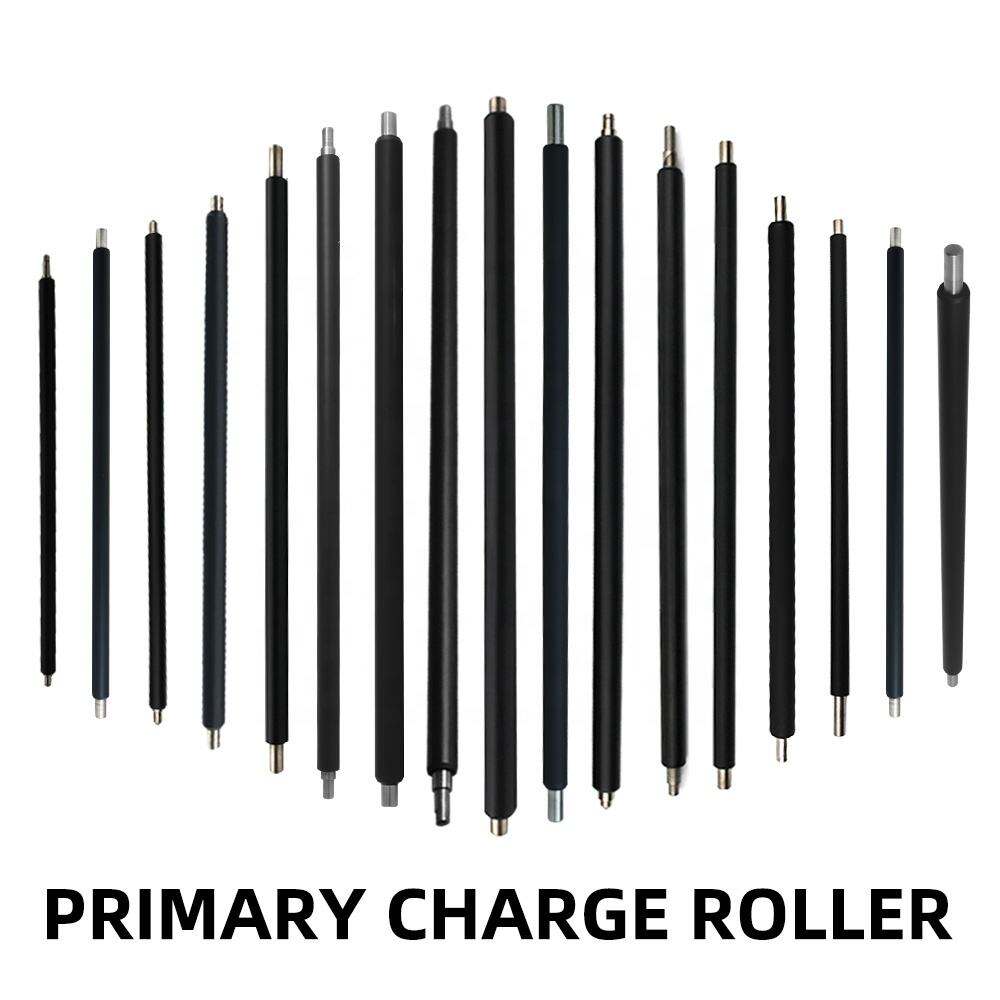
Maintenance Tips to Extend the Life of Your Charge Roller
Regular Cleaning Procedures
Proper maintenance is crucial for prolonging the life of a charge roller. Regular cleaning prevents toner buildup, dust accumulation, and debris from affecting print quality. Using recommended cleaning tools and procedures ensures the roller surface remains intact and functional.
Ignoring cleaning procedures can lead to uneven charging, streaked prints, and premature wear of both the roller and the photoconductor drum. Establishing a regular maintenance schedule is a practical strategy to maintain long-term performance and reduce unexpected downtime.
Monitoring Environmental Conditions
Charge rollers are sensitive to environmental conditions such as temperature and humidity. Excessive heat, moisture, or dust can compromise electrical stability and accelerate wear. Maintaining printers in controlled environments helps ensure consistent performance and longevity of the rollers.
Even minor fluctuations in ambient conditions can affect print density and toner adhesion. By monitoring and controlling environmental factors, businesses can extend the lifespan of rollers and maintain consistent print quality throughout their operation.
Timely Replacement Intervals
Even with proper maintenance, all charge rollers have a limited lifespan. Monitoring print quality and inspecting rollers periodically allows for proactive replacement before major issues occur. Timely replacement helps prevent downtime and ensures smooth, high-quality printing operations.
Replacing rollers at the recommended intervals can also prevent collateral damage to other printer components, such as the photoconductor drum or fuser unit. Adhering to replacement schedules maximizes equipment efficiency and safeguards investment in printing devices.
FAQ
What is a charge roller and why is it important?
A charge roller is a key component in laser printers and copiers that applies a uniform electrical charge to the photoconductor drum. This uniform charge is essential for proper toner transfer, sharp text, and clear images. A high-quality charge roller reduces print defects and contributes to reliable printer performance.
How can I identify a worn-out charge roller?
Indicators include streaks, uneven toner coverage, faded text, and inconsistent image quality. Physical damage like scratches or deformation and irregular electrical behavior also signal the need for replacement. Recognizing these signs early prevents further damage to the printer.
Should I choose OEM or compatible charge rollers?
OEM rollers offer guaranteed compatibility and performance for specific printer models. High-quality compatible rollers provide similar durability and reliability at a lower cost, making them a practical choice for businesses managing multiple printers.