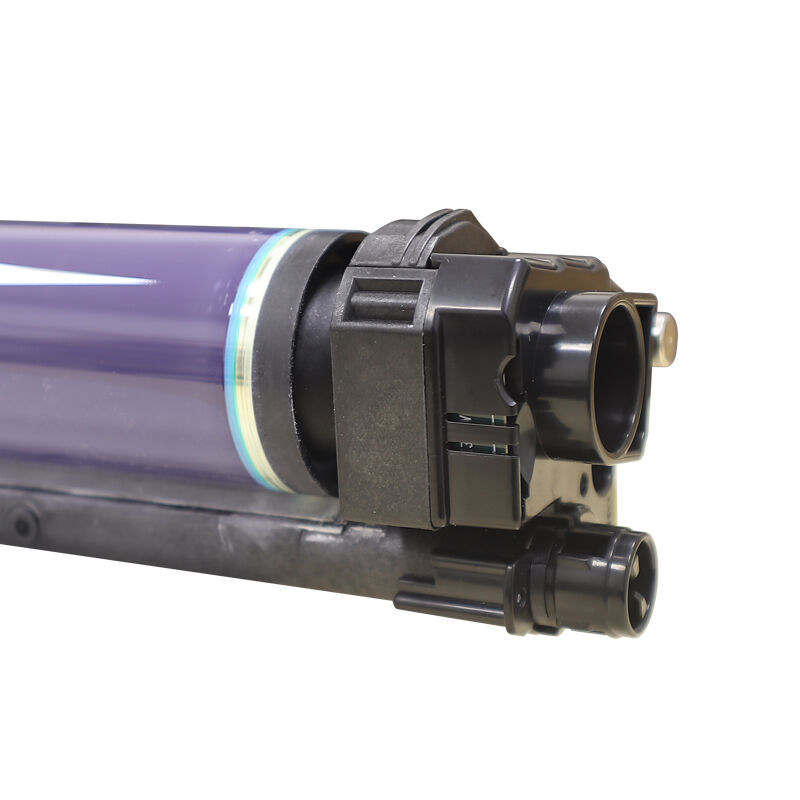
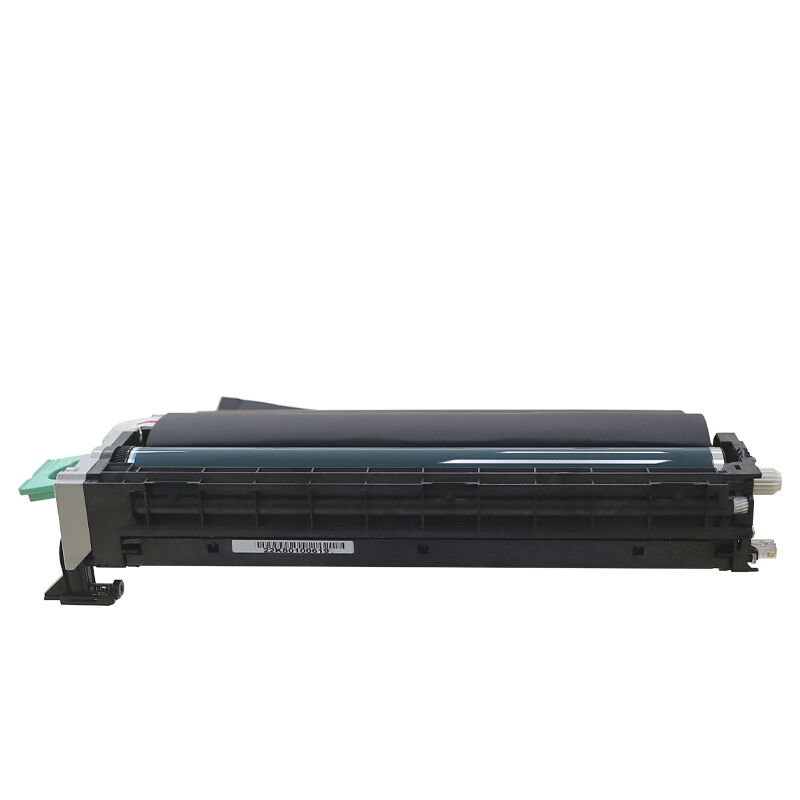
imaging unit for printer
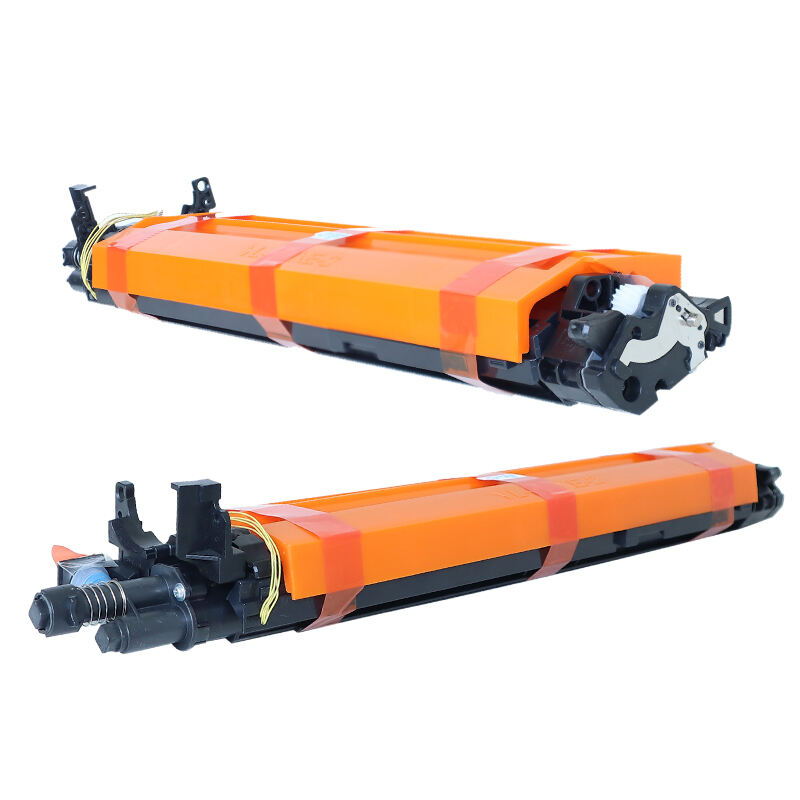
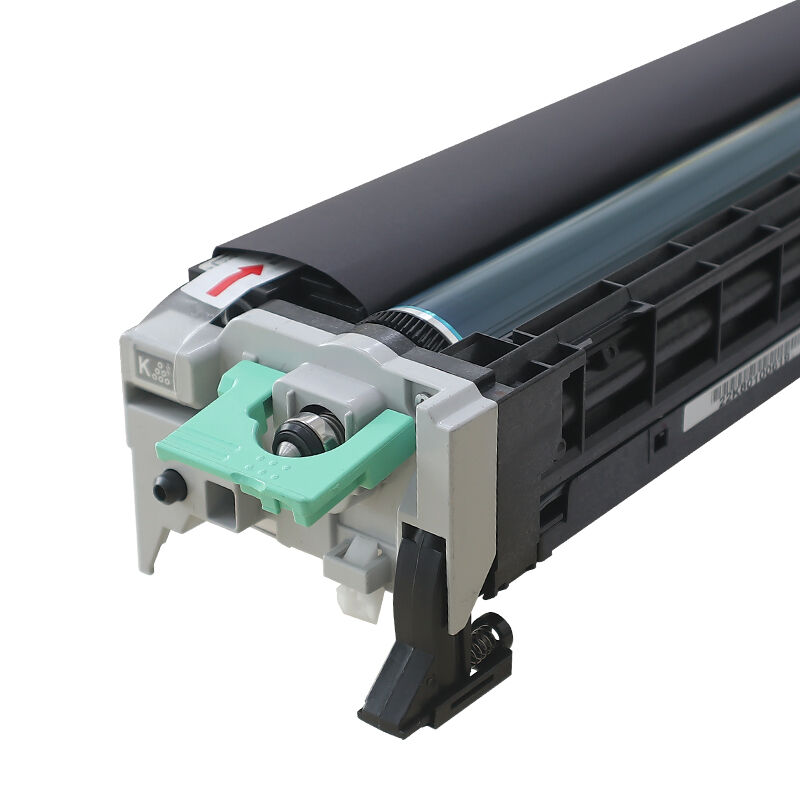
An imaging unit for printer represents a critical component that works harmoniously with toner cartridges to produce sharp, clear documents and images. This essential printer part contains a photosensitive drum, charging mechanisms, and cleaning systems that collectively transform digital data into physical prints. The imaging unit for printer operates through a sophisticated electrophotographic process where the drum surface receives an electrical charge, attracting toner particles to specific areas based on the document or image being printed. Modern imaging units incorporate advanced materials and precision engineering to ensure consistent output quality across thousands of pages. The photosensitive drum within the imaging unit for printer is coated with special organic or selenium-based compounds that respond to laser exposure, creating latent electrostatic images that guide toner placement. This technology enables businesses and home users to achieve professional-grade printing results without investing in expensive printing services. The imaging unit for printer typically includes multiple sub-components working in coordination: the primary charging roller applies uniform electrical charges, the drum attracts toner based on laser patterns, the transfer roller moves toner from drum to paper, and the cleaning blade removes residual toner particles. Most imaging units are designed as replaceable modules, allowing users to maintain optimal print quality by installing fresh units when performance degrades. The lifespan of an imaging unit for printer varies depending on usage patterns, environmental conditions, and print volume, but quality units generally deliver between 10,000 to 50,000 pages before replacement becomes necessary. Understanding the role and maintenance requirements of your imaging unit for printer helps maximize equipment longevity and ensures consistent document quality for personal correspondence, business reports, marketing materials, and archival documentation.
 EN
EN