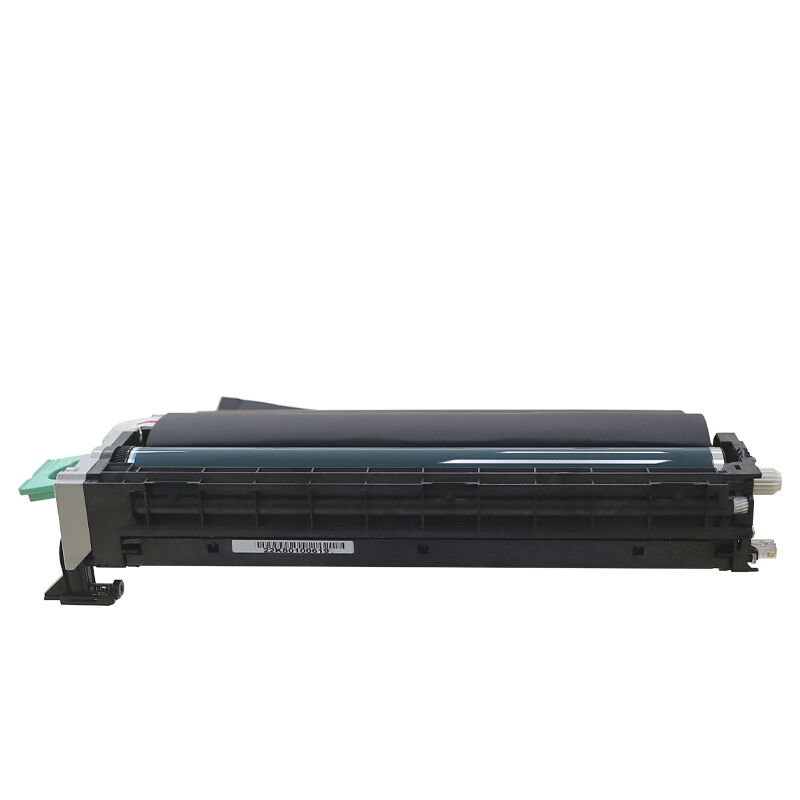
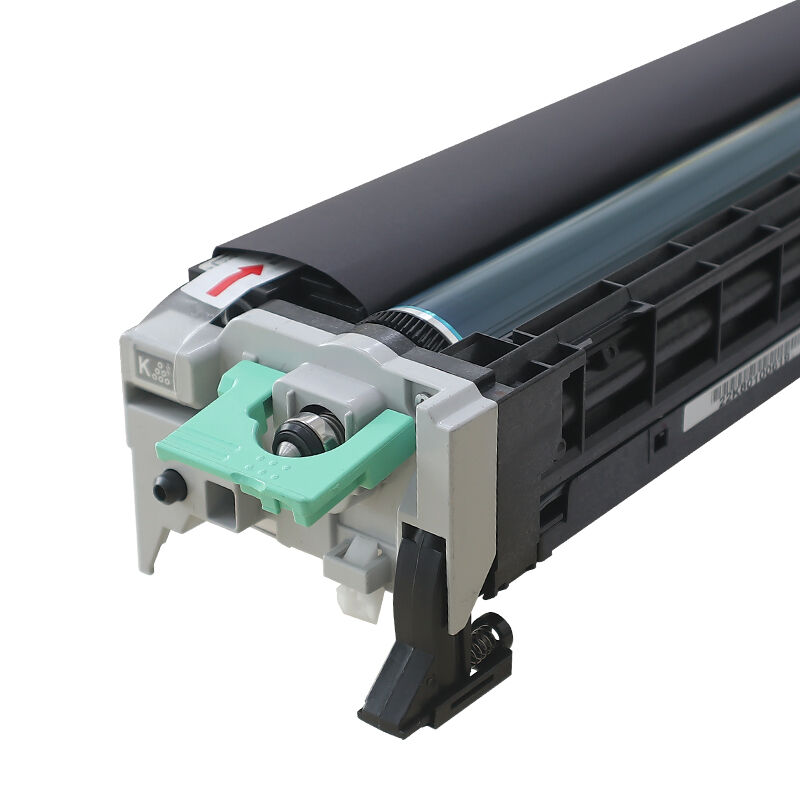
Drum Unit Black - High-Performance Imaging Component for Superior Laser Printing Quality

Get a Free Quote

Our representative will contact you soon.
Email
Mobile
Whatsapp or Wechat ID
Company Name
Name
Message
0/1000

drum unit black

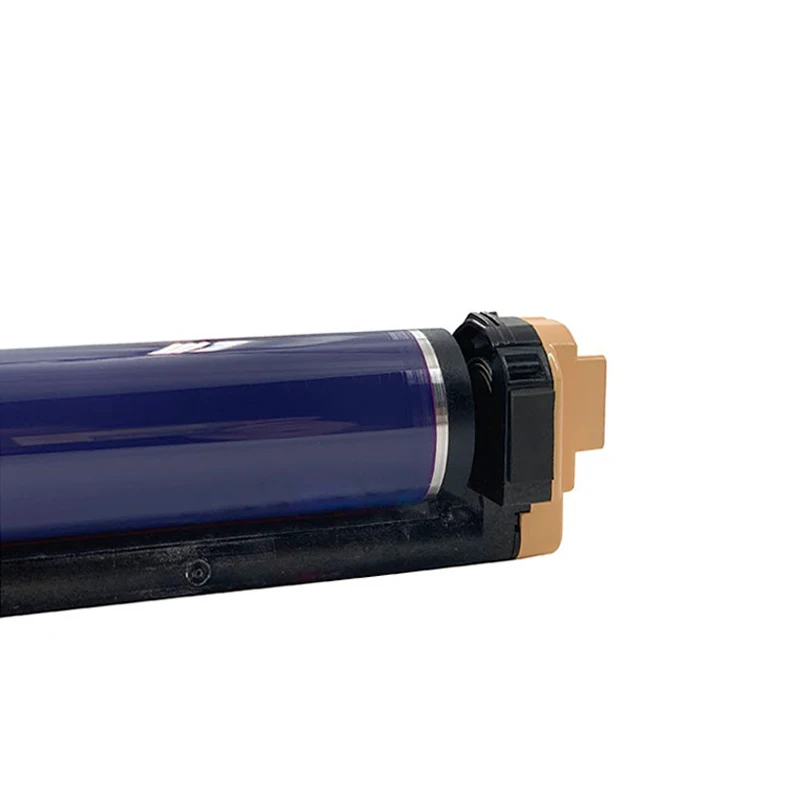
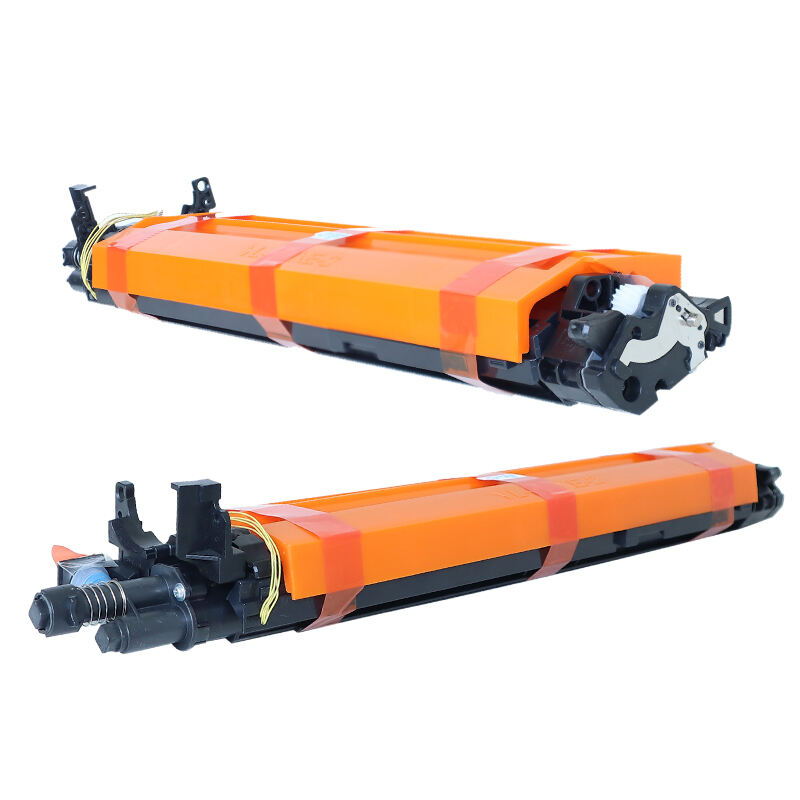
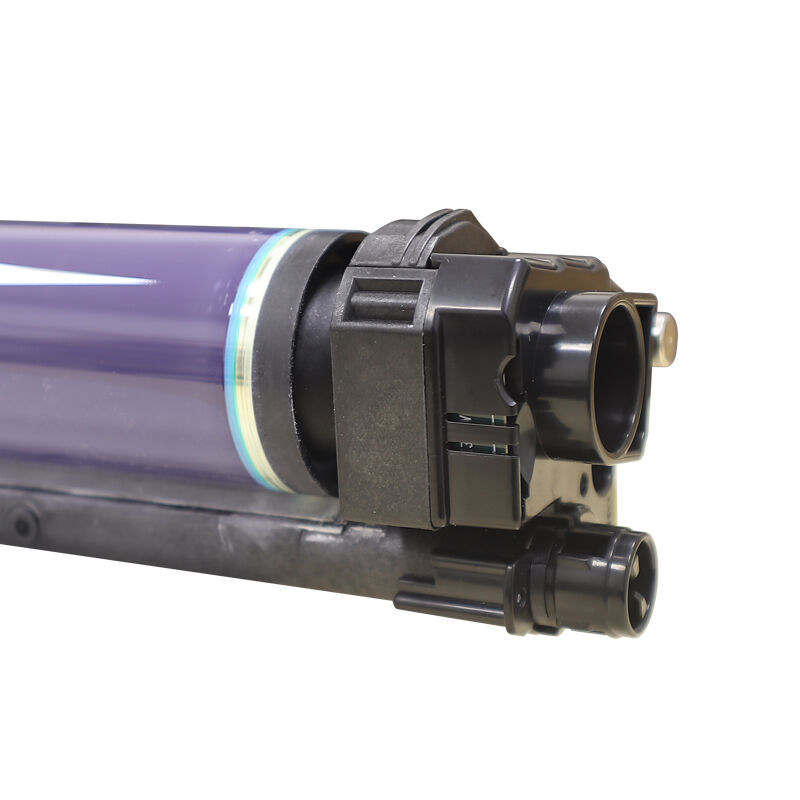
The drum unit black represents an essential component in modern laser printing technology, serving as the cornerstone of image transfer mechanisms in monochrome and color laser printers. This cylindrical photosensitive device operates as the primary imaging element that receives electrostatic charges and attracts toner particles to create precise text and graphics on paper. The drum unit black specifically handles black toner processing, making it indispensable for documents requiring crisp text and sharp monochrome images. Understanding its functionality reveals how this component transforms digital data into physical prints through a sophisticated electrophotographic process. The drum surface consists of a photoconductive material, typically organic photoconductor compounds, that responds to laser beam exposure by altering its electrical resistance. This selective charge pattern forms the foundation for toner adhesion, ensuring accurate reproduction of document content. Modern drum unit black designs incorporate advanced coating technologies that enhance durability and print consistency across thousands of page cycles. The component works in synchronized harmony with other printer mechanisms, including the charging corona wire, laser scanning assembly, developer unit, and transfer roller. Each rotation of the drum unit black progresses through multiple stages: charging, exposure, development, transfer, and cleaning. This cyclical process occurs at remarkable speeds, enabling contemporary printers to output numerous pages per minute while maintaining exceptional quality standards. The drum unit black typically features a protective shutter mechanism that shields the photosensitive surface from ambient light exposure during installation and removal procedures. This design consideration prevents premature degradation and maintains optimal performance characteristics throughout the component's operational lifespan. Manufacturers engineer drum unit black assemblies with specific page yield ratings, commonly ranging from 12,000 to 30,000 pages depending on coverage percentages and printing patterns. The component's longevity directly impacts total cost of ownership calculations, making it a significant factor in printer selection decisions for both personal and professional environments.

New Products

Investing in a quality drum unit black delivers numerous practical benefits that directly enhance your printing experience and reduce operational expenses over time. First and foremost, this component ensures consistent print quality that meets professional standards for business correspondence, reports, and presentations. Unlike inferior alternatives, a genuine drum unit black maintains uniform toner distribution across the entire page surface, eliminating common defects such as streaking, fading, or uneven density that compromise document appearance. This reliability proves particularly valuable when printing materials that represent your organization to clients, partners, or stakeholders. The economic advantages become apparent when examining the cost per page calculations. A properly functioning drum unit black optimizes toner usage efficiency, ensuring that every particle contributes to image formation rather than being wasted through poor transfer rates. This efficiency translates to fewer toner cartridge replacements and lower consumable expenses throughout the printer's operational period. Additionally, extended drum life reduces the frequency of component replacements, minimizing both parts costs and the administrative burden of inventory management. Environmental considerations increasingly influence purchasing decisions, and the drum unit black offers sustainability advantages worth recognizing. Higher page yields mean fewer discarded components entering waste streams, while improved manufacturing processes have reduced the environmental footprint of production. Many manufacturers now offer recycling programs specifically designed for drum units, allowing responsible disposal that recovers valuable materials and reduces landfill contributions. The performance consistency provided by quality drum unit black assemblies also prevents paper waste from rejected prints due to quality issues. Installation simplicity represents another practical advantage that saves time and reduces frustration. Modern drum unit black designs incorporate user-friendly features such as color-coded guides, intuitive locking mechanisms, and clear directional indicators that enable quick replacement without technical expertise. This accessibility means office staff can perform routine maintenance independently, eliminating delays waiting for service technicians and reducing support costs. The component's robust construction also minimizes the risk of damage during handling, protecting your investment from accidental breakage. Print speed maintenance constitutes a frequently overlooked advantage of premium drum unit black components. As drums wear, transfer efficiency declines, potentially forcing printers to reduce output speeds to maintain acceptable quality levels. Fresh, high-quality drum units preserve the printer's maximum rated speed, ensuring productivity remains consistent throughout the component's lifecycle. This sustained performance proves crucial in high-volume environments where printing delays create workflow bottlenecks. Finally, compatibility assurance eliminates concerns about printer damage or warranty violations, as manufacturer-specified drum unit black assemblies undergo rigorous testing to ensure seamless integration with specific printer models.

Tips And Tricks

How Do You Ensure the Quality of Developer Units When Sourcing from Suppliers?

11

Dec

How Do You Ensure the Quality of Developer Units When Sourcing from Suppliers?

Sourcing developer units from suppliers requires a comprehensive quality assurance strategy that protects your business reputation and ensures customer satisfaction. In today's competitive printing industry, the reliability and performance of develop...
View More
How to Choose High-Quality Printing Ink for Professional Results?

07

Jan

How to Choose High-Quality Printing Ink for Professional Results?

Selecting the right printing ink is crucial for achieving professional-quality results in any printing operation. Whether you're running a commercial print shop, managing an office duplicator, or overseeing industrial printing processes, the quality ...
View More
How Can Printer Toner Powder Enhance Your Print Quality?

12

Feb

How Can Printer Toner Powder Enhance Your Print Quality?

Modern office environments demand exceptional print quality for professional documents, marketing materials, and client presentations. The secret to achieving consistently outstanding results lies in understanding how high-quality printer toner powde...
View More
Common issues with primary charge rollers and how to fix them

05

Mar

Common issues with primary charge rollers and how to fix them

Every office environment depends on reliable printing equipment to maintain productivity and workflow efficiency. However, even the most advanced copiers and printers can experience technical difficulties that disrupt daily operations. One component ...
View More

Get a Free Quote

Our representative will contact you soon.
Email
Mobile
Whatsapp or Wechat ID
Company Name
Name
Message
0/1000

drum unit black

Superior Image Reproduction Through Advanced Photoconductor Technology

Superior Image Reproduction Through Advanced Photoconductor Technology

The drum unit black incorporates cutting-edge photoconductor materials that revolutionize how printers translate digital information into physical documents. At the heart of this component lies a specialized organic photoconductor layer, engineered at the molecular level to respond with exceptional precision to laser beam exposure. This sophisticated material exhibits remarkable properties that enable it to hold electrostatic charges in precisely defined patterns matching your document content. When the laser scanning assembly projects light onto the drum surface, the photoconductor's electrical resistance changes dramatically in exposed areas while unexposed regions maintain their charge. This differential creates an invisible electrostatic image that serves as a template for toner application. The advanced composition of modern drum unit black surfaces ensures uniform charge acceptance across the entire cylindrical area, preventing the density variations and streaking that plagued earlier printing technologies. Manufacturers invest substantial research resources into optimizing photoconductor formulations, balancing sensitivity, durability, and environmental stability. The resulting drum unit black assemblies demonstrate exceptional resolution capabilities, accurately reproducing fine details such as small text characters, intricate line work, and subtle grayscale transitions. This precision proves essential for applications requiring professional presentation quality, including legal documents, architectural drawings, and marketing materials. The photoconductor layer thickness represents a critical engineering parameter, carefully calibrated to provide optimal charge retention without compromising flexibility or wear resistance. Thicker coatings generally offer extended operational lifespans but may reduce sensitivity, while thinner applications enhance responsiveness at the potential cost of accelerated wear. Premium drum unit black products achieve ideal balance through proprietary coating processes that apply photoconductor materials with nanometer-level precision. Temperature stability constitutes another crucial advantage of advanced photoconductor technology, as these materials maintain consistent performance across the typical operating range encountered in office environments. Whether your printer sits in a climate-controlled suite or a variable-temperature workspace, the drum unit black delivers reliable results without requiring environmental adjustments. This consistency eliminates frustrating quality fluctuations that might otherwise occur with seasonal temperature changes or variations in room conditions. The photoconductor surface also features carefully engineered friction characteristics that facilitate smooth paper contact during the transfer phase while preventing premature wear from repeated interactions with cleaning mechanisms and paper stock.
Extended Operational Lifespan Reducing Total Ownership Costs

Extended Operational Lifespan Reducing Total Ownership Costs

The drum unit black stands out in the consumables marketplace through its impressive longevity, which fundamentally alters the economics of laser printing for both individual users and organizational deployments. Unlike toner cartridges that require frequent replacement based on coverage levels, a properly maintained drum unit black continues delivering consistent performance through tens of thousands of printing cycles. This extended service life stems from multiple engineering innovations that protect the photosensitive surface from common degradation factors. Manufacturers apply specialized hardening treatments to the photoconductor layer, creating a protective barrier against mechanical abrasion that occurs during each print cycle as paper contacts the drum surface and cleaning blades remove residual toner. These surface treatments maintain the critical smoothness required for uniform charge distribution while resisting the micro-scratches that would otherwise accumulate and manifest as print defects. The drum unit black housing incorporates precision bearings and alignment mechanisms that ensure perfectly concentric rotation throughout the component's operational period. This mechanical stability prevents wobbling or vibration that could cause registration errors or uneven toner transfer. High-quality bearings minimize friction, reducing wear on both the drum assembly and associated printer mechanisms while contributing to quieter operation. The gear interfaces connecting the drum unit black to the printer's drive system feature reinforced teeth designed to withstand millions of rotational cycles without degradation. Environmental protection represents another factor contributing to extended drum unit black longevity. The protective shutter mechanism prevents light exposure during storage and handling, preserving the photoconductor's electrical properties until actual installation. Some advanced designs incorporate humidity-resistant seals that protect internal components from moisture infiltration, which could otherwise cause corrosion or electrical property changes affecting performance. Temperature-resistant materials ensure the drum unit black maintains dimensional stability despite the heat generated during high-speed printing operations. The cleaning blade system integrated into drum unit black assemblies plays a vital role in longevity by removing residual toner after each transfer cycle. Premium designs utilize specially formulated polyurethane blades with precise edge geometry that effectively clean the surface without applying excessive pressure that would accelerate wear. This careful balance preserves photoconductor integrity while preventing toner accumulation that could compromise subsequent prints. Cost analysis reveals how extended drum unit black life translates into substantial savings over a printer's operational lifetime, particularly in environments with moderate to high print volumes where component replacement frequency directly impacts budget planning and resource allocation.
Seamless Integration With Printer Systems For Optimal Performance

Seamless Integration With Printer Systems For Optimal Performance

The drum unit black exemplifies sophisticated engineering through its seamless integration with complex printer mechanisms, ensuring coordinated operation that maximizes output quality and operational reliability. This component functions as part of an intricate electrophotographic ecosystem where precise timing, alignment, and interaction with multiple subsystems determine overall performance. The drum unit black interfaces directly with the charging system, which applies a uniform electrostatic charge to the photoconductor surface before laser exposure. This charging mechanism, whether corona wire or charging roller design, must maintain exact spacing from the drum surface to ensure consistent charge levels across the entire imaging area. Manufacturing tolerances in premium drum unit black assemblies guarantee this critical spacing remains within specifications, preventing charge variations that would appear as density inconsistencies in printed output. The laser scanning unit represents another crucial integration point, projecting modulated light beams onto the rotating drum unit black surface with microsecond precision. The drum's rotational speed synchronizes perfectly with laser firing rates and scanning mirror movements, ensuring each pixel of your document appears in exactly the correct position on the page. This synchronization demands exceptional manufacturing precision in drum dimensions and bearing systems, as even microscopic variations could cause image distortion or registration problems. The developer unit works in intimate coordination with the drum unit black, presenting charged toner particles that selectively adhere to the electrostatic image pattern. The gap between developer roller and drum surface critically affects toner transfer efficiency and image quality. Premium drum unit black designs maintain precise dimensional specifications that ensure optimal developer-to-drum spacing throughout the component's service life, preventing the density variations that occur when this gap deviates from design parameters. Transfer mechanisms, whether transfer roller or transfer belt configurations, contact the drum unit black to move toner from the drum surface onto paper stock. This transfer process requires carefully controlled pressure and electrical bias, with the drum unit black contributing to success through consistent surface properties and mechanical stability. The cleaning system completes the integration cycle, removing residual toner from the drum unit black after transfer. This cleaning blade must contact the surface with sufficient pressure to ensure complete removal while avoiding excessive force that would accelerate photoconductor wear. The drum unit black incorporates specific surface characteristics that optimize cleaning effectiveness, facilitating complete toner removal that prevents contamination of subsequent images while preserving component longevity through minimized mechanical stress.
Email Email WhatsApp WhatsApp
WhatsApp
WeChat WeChat
WeChat
Facebook Facebook TopTop

Get a Free Quote

Our representative will contact you soon.
Email
Mobile
Whatsapp or Wechat ID
Company Name
Name
Message
0/1000