 EN
EN

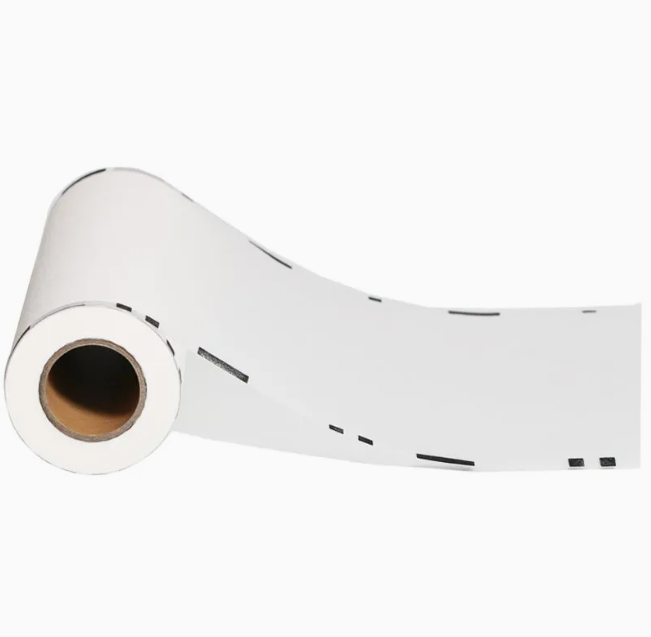
Digital printing technology has revolutionized the way businesses produce high-volume documents, but the quality of output depends heavily on the components used within these systems. At the heart of digital duplicators lies the master roll, a critical element that directly influences print clarity, consistency, and overall performance. Understanding how a premium master roll impacts your printing operations can help organizations make informed decisions about their document production investments and achieve superior results across all their printing applications.
The relationship between master roll quality and print output extends far beyond simple image reproduction. When businesses invest in superior master roll technology, they experience enhanced document clarity, reduced maintenance requirements, and improved operational efficiency. These benefits translate into cost savings, better professional presentation, and increased productivity that can significantly impact the bottom line. Modern digital duplicators rely on the precision engineering of the master roll to deliver consistent results across thousands of impressions, making component selection a critical business decision.
Understanding Master Roll Technology and Construction
Core Components and Materials
The master roll serves as the foundation for the entire digital duplication process, consisting of multiple layers of specialized materials designed to work in harmony. Premium master roll construction incorporates advanced polymer compounds that ensure optimal ink transfer while maintaining structural integrity throughout extended print runs. These materials undergo rigorous testing to guarantee consistent performance across various environmental conditions and usage scenarios.
Manufacturing processes for high-quality master roll units involve precision coating techniques that create uniform surface textures essential for accurate image reproduction. The substrate material must maintain dimensional stability while providing the flexibility necessary for smooth operation within digital duplicator mechanisms. Advanced master roll designs incorporate proprietary formulations that resist wear, reduce static buildup, and ensure optimal contact with printing mechanisms throughout their operational lifespan.
Engineering Specifications and Tolerances
Professional-grade master roll manufacturing requires adherence to strict dimensional tolerances that ensure compatibility with specific duplicator models while optimizing print quality outcomes. These specifications include precise diameter measurements, surface roughness parameters, and material density characteristics that directly impact print resolution and consistency. Manufacturing quality control processes verify that each master roll meets or exceeds original equipment manufacturer standards.
The engineering behind premium master roll construction involves careful consideration of thermal expansion properties, chemical resistance, and mechanical durability factors. These characteristics determine how effectively the master roll performs under various operating conditions and usage patterns. Advanced testing protocols evaluate master roll performance across temperature ranges, humidity levels, and extended operational cycles to ensure reliable long-term performance.
Impact on Print Resolution and Image Clarity
Enhanced Detail Reproduction
Superior master roll technology directly contributes to improved print resolution by providing consistent contact pressure and optimal ink transfer characteristics across the entire printing surface. High-quality master roll construction ensures that fine details, small text, and intricate graphics reproduce with exceptional clarity and precision. This enhanced reproduction capability is particularly important for professional documents, technical drawings, and marketing materials that require sharp, clear presentation.
The surface characteristics of a premium master roll play a crucial role in achieving optimal print resolution. Advanced manufacturing techniques create uniform micro-textures that facilitate proper ink distribution while preventing common print defects such as streaking, banding, or uneven coverage. These improvements result in professional-quality output that meets or exceeds the standards expected in business and institutional environments.
Consistency Across Print Runs
One of the most significant advantages of investing in a high-quality master roll is the consistent print quality maintained throughout extended production runs. Premium master roll construction ensures that the first impression matches the thousandth impression in terms of clarity, density, and overall appearance. This consistency eliminates the need for frequent adjustments and reduces waste associated with substandard prints.
Quality master roll components resist degradation over time, maintaining their dimensional stability and surface characteristics throughout their operational lifespan. This durability translates into predictable print quality that allows operators to plan production schedules with confidence while minimizing unexpected downtime or quality variations that can disrupt workflow efficiency.
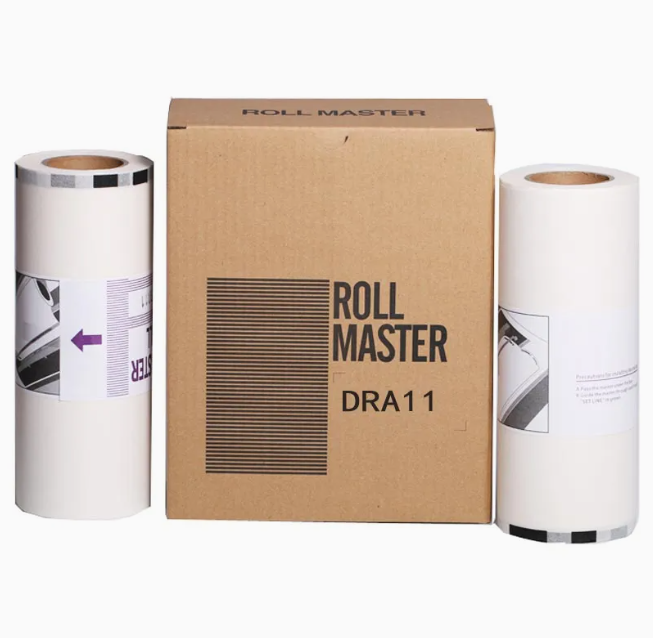
Operational Efficiency and Cost Benefits
Reduced Maintenance Requirements
Premium master roll construction significantly reduces the frequency of maintenance interventions required to maintain optimal printing performance. High-quality materials resist wear and contamination buildup, extending the intervals between cleaning cycles and component replacements. This reduction in maintenance requirements translates into increased uptime and improved productivity for busy printing operations.
The superior engineering of quality master roll components helps prevent common mechanical issues that can lead to costly repairs or extended downtime periods. By investing in premium master roll technology, organizations can minimize the total cost of ownership for their digital duplicator systems while maximizing operational reliability.
Extended Service Life and Durability
High-quality master roll construction incorporates advanced materials and manufacturing techniques that significantly extend service life compared to standard alternatives. These improvements result in fewer component replacements, reduced inventory costs, and less frequent procurement activities. The extended durability of premium master roll components provides excellent return on investment for organizations with high-volume printing requirements.
The robust construction of quality master roll units enables them to withstand the demanding operating conditions typical of busy printing environments. This durability factor becomes particularly important in applications involving continuous operation, multiple shift schedules, or challenging environmental conditions that might compromise lesser-quality components.
Environmental Considerations and Sustainability
Waste Reduction and Resource Efficiency
Premium master roll technology contributes to environmental sustainability through improved resource efficiency and waste reduction. High-quality components produce fewer defective prints, reducing paper waste and ink consumption while minimizing the environmental impact of printing operations. The extended service life of quality master roll units also reduces the frequency of component disposal and replacement.
Modern master roll manufacturing incorporates environmentally responsible materials and processes that minimize the ecological footprint of production activities. Many manufacturers now offer recycling programs for used master roll components, supporting circular economy principles while reducing landfill contributions from printing consumables.
Energy Efficiency and Performance Optimization
Superior master roll construction can contribute to improved energy efficiency in digital duplicator operations through optimized mechanical characteristics that reduce friction and power consumption. These efficiency improvements may seem modest on a per-unit basis but can accumulate into significant energy savings over the operational lifespan of high-volume printing equipment.
The consistent performance characteristics of quality master roll components help maintain optimal operating parameters throughout their service life, preventing the gradual performance degradation that often leads to increased energy consumption and reduced efficiency in printing operations.
Selection Criteria for Optimal Master Roll Performance
Compatibility and Specification Matching
Selecting the appropriate master roll for specific digital duplicator models requires careful attention to manufacturer specifications, dimensional requirements, and performance characteristics. Compatibility issues can result in poor print quality, premature wear, or mechanical problems that compromise operational efficiency. Professional procurement practices involve verifying exact model compatibility and performance specifications before making purchasing decisions.
Quality master roll selection should consider not only immediate compatibility requirements but also long-term performance expectations and operational demands. Factors such as expected print volumes, document types, and environmental conditions should influence the selection process to ensure optimal performance throughout the component's service life.
Performance Testing and Quality Verification
Implementing proper testing protocols for master roll performance helps organizations verify that their selected components meet quality expectations and performance requirements. These testing procedures should evaluate print quality consistency, dimensional accuracy, and durability characteristics under actual operating conditions. Regular performance monitoring helps identify potential issues before they impact production schedules or print quality outcomes.
Quality verification processes should include documentation of master roll performance metrics that can inform future purchasing decisions and help establish procurement standards. This data-driven approach enables organizations to optimize their component selection criteria and achieve better long-term results from their digital duplicator investments.
FAQ
How often should a master roll be replaced in a digital duplicator
The replacement frequency for a master roll depends on several factors including print volume, document types, and operating conditions. High-quality master roll components typically provide service life ranging from 50,000 to 100,000 impressions under normal operating conditions. However, organizations with heavy-duty printing requirements may need to replace components more frequently, while light-usage environments may achieve extended service intervals. Regular performance monitoring and quality assessment help determine optimal replacement timing.
What are the signs that indicate a master roll needs replacement
Several indicators suggest that a master roll requires replacement, including declining print quality, increased streaking or banding, uneven ink coverage, and reduced image clarity. Physical inspection may reveal surface wear, dimensional changes, or contamination buildup that affects performance. Additionally, increased maintenance requirements, frequent cleaning cycles, or mechanical issues during operation often indicate that master roll replacement is necessary to restore optimal printing performance.
Can using a low-quality master roll damage the digital duplicator
Yes, inferior master roll components can potentially cause damage to digital duplicator systems through several mechanisms. Poor-quality materials may shed particles that contaminate internal mechanisms, while dimensional inaccuracies can cause excessive wear on contact surfaces. Substandard master roll construction may also lead to uneven pressure distribution, mechanical binding, or premature failure that requires costly repairs. Investing in quality master roll components helps protect the overall duplicator system investment.
How does master roll quality affect ink consumption and operating costs
Master roll quality significantly impacts ink consumption and overall operating costs through its effect on transfer efficiency and print consistency. High-quality master roll components provide optimal ink transfer characteristics that minimize waste while ensuring complete coverage. Poor-quality alternatives often require higher ink volumes to achieve acceptable print density, while also producing more defective prints that increase paper and ink waste. The improved efficiency of quality master roll components typically results in lower per-page costs and reduced consumable expenses over time.