 EN
EN

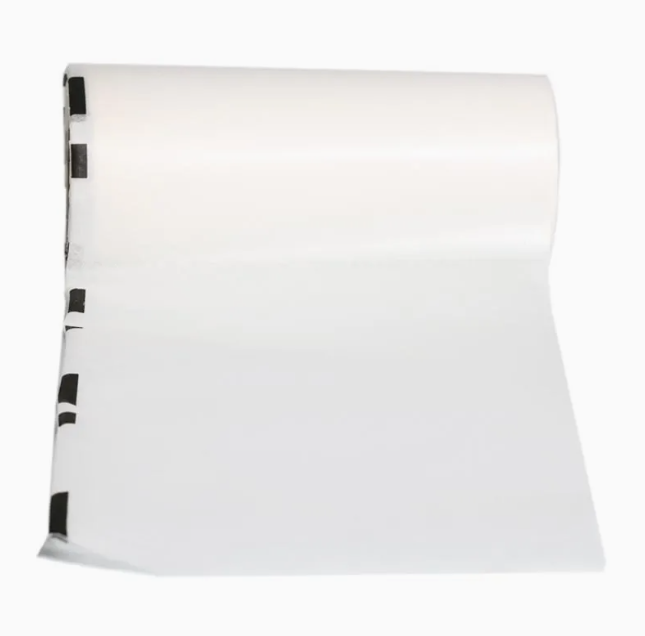
High-volume production environments demand exceptional efficiency, reliability, and cost-effectiveness to maintain competitive advantages in today's fast-paced business landscape. Among the essential components that drive successful operations, master rolls play a pivotal role in ensuring consistent quality output while minimizing operational disruptions. These specialized printing components have become indispensable for organizations that rely on large-scale document reproduction, marketing material production, and administrative processes that require thousands of copies daily.
The significance of master rolls extends beyond simple printing functionality, encompassing critical aspects of production workflow optimization, quality control, and economic sustainability. Manufacturing facilities, educational institutions, corporate offices, and print service providers have discovered that investing in high-quality master rolls directly correlates with improved operational efficiency and reduced long-term costs. Understanding the fundamental importance of these components enables decision-makers to make informed choices that enhance their production capabilities while maintaining budget constraints.
Understanding Master Roll Technology and Applications
Core Components and Manufacturing Excellence
Master rolls represent sophisticated engineering achievements that combine advanced materials science with precision manufacturing techniques. These components utilize specialized thermal-sensitive materials that respond accurately to digital signals, creating precise impressions that can reproduce thousands of high-quality copies. The manufacturing process involves multiple quality control stages, ensuring each master roll meets stringent specifications for consistency, durability, and print fidelity.
The construction of premium master rolls incorporates multiple layers of specialized materials, each serving specific functions in the printing process. The base layer provides structural integrity and dimensional stability, while the imaging layer contains the thermal-sensitive compounds that create the actual printing matrix. Advanced master rolls also feature protective coatings that enhance longevity and prevent premature degradation under high-volume usage conditions.
Digital Duplicator Integration and Compatibility
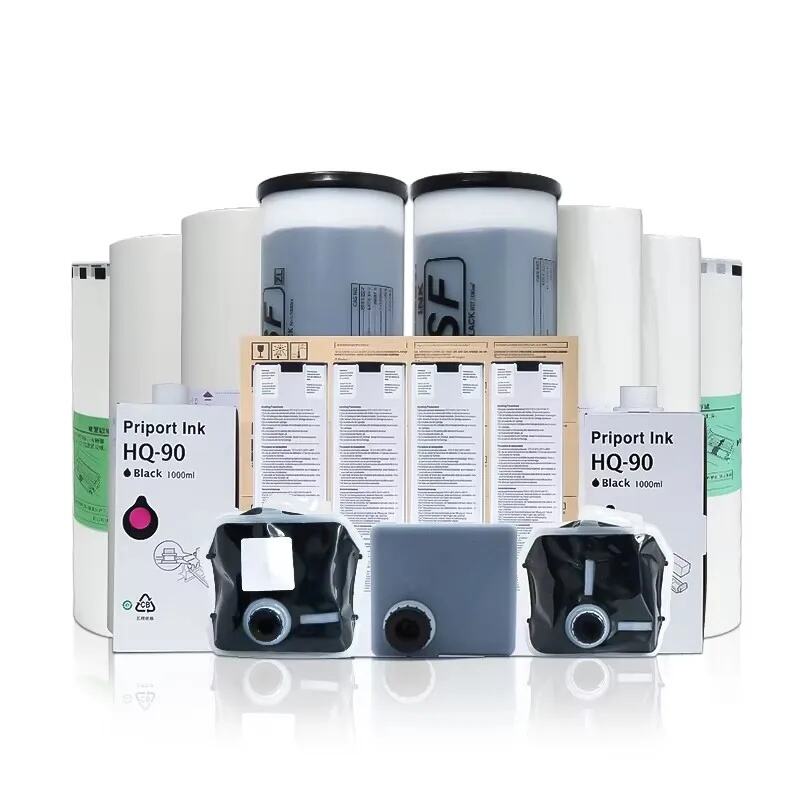
Modern master rolls are engineered to integrate seamlessly with various digital duplicator systems, providing consistent performance across different equipment brands and models. This compatibility extends to popular systems including Ricoh, Gestetner, and other leading manufacturers, ensuring organizations can maintain their existing infrastructure while upgrading their printing capabilities. The precision engineering of contemporary master rolls enables optimal heat transfer and imaging quality, regardless of the specific duplicator configuration.
Compatibility considerations encompass not only physical dimensions but also thermal response characteristics, imaging sensitivity, and mechanical durability requirements. Professional-grade master rolls undergo extensive testing with various duplicator systems to verify performance standards and ensure reliable operation under diverse environmental conditions. This comprehensive approach to compatibility reduces the risk of equipment malfunctions and maintains consistent output quality throughout extended production runs.
Production Efficiency and Cost Management Benefits
Operational Throughput Optimization
High-volume production environments require consistent throughput to meet demanding deadlines and maintain customer satisfaction levels. Quality master rolls contribute significantly to operational efficiency by enabling longer production runs without interruption, reducing the frequency of component replacements, and minimizing setup times between different printing jobs. Organizations that prioritize master roll quality often experience measurable improvements in overall production capacity and workflow consistency.
The relationship between master roll quality and production efficiency becomes particularly evident during peak operational periods when equipment reliability becomes critical. Superior master rolls maintain consistent imaging quality even under extended usage conditions, preventing quality degradation that could necessitate reprinting or additional quality control measures. This reliability translates directly into improved production scheduling flexibility and enhanced ability to accommodate urgent printing requirements.
Long-term Economic Advantages
Investment in premium master rolls generates substantial long-term economic benefits that extend well beyond the initial purchase price. Higher-quality components typically provide extended service life, reducing the frequency of replacement purchases and associated labor costs for equipment maintenance. Additionally, consistent print quality reduces waste associated with defective copies, contributing to improved material utilization and environmental sustainability.
Cost-benefit analysis of master roll investments reveals significant advantages for organizations that process large volumes regularly. The combination of extended service life, reduced maintenance requirements, and improved print quality creates a compelling economic case for investing in premium components. Many organizations discover that upgrading to higher-quality master rolls reduces their total cost of ownership while improving operational capabilities.
Quality Control and Performance Standards
Print Consistency and Image Fidelity
Maintaining consistent print quality across thousands of copies requires master rolls that deliver uniform performance throughout their service life. Advanced manufacturing processes ensure that each master roll provides consistent thermal response, enabling precise image reproduction that meets professional standards. This consistency becomes particularly important for organizations producing marketing materials, educational content, or official documents where visual quality directly impacts professional credibility.
Quality control measures during master roll production include comprehensive testing of thermal sensitivity, dimensional accuracy, and material consistency. These rigorous standards ensure that each component meets or exceeds manufacturer specifications, providing predictable performance characteristics that enable accurate production planning. Organizations benefit from this consistency through reduced quality control requirements and improved confidence in their final output products.
Environmental Durability and Storage Considerations
Professional master rolls are designed to withstand various environmental conditions while maintaining optimal performance characteristics. Temperature fluctuations, humidity variations, and storage conditions can significantly impact component performance, making environmental resilience a critical consideration for high-volume applications. Quality master rolls incorporate materials and manufacturing processes that provide excellent stability under typical storage and operational conditions.
Proper storage practices maximize master roll longevity and ensure consistent performance when components are needed for production use. Recommended storage conditions include temperature control, humidity management, and protection from direct sunlight or extreme environmental conditions. Organizations that implement proper storage protocols often experience extended component life and reduced inventory management challenges.
Industry Applications and Use Cases
Educational Institution Requirements
Educational institutions represent one of the largest markets for master rolls due to their substantial document reproduction requirements. Schools, colleges, and universities regularly produce thousands of copies for instructional materials, administrative documents, newsletters, and student communications. The demanding nature of educational printing requirements necessitates reliable master rolls that can maintain consistent quality throughout extended production runs while meeting tight budget constraints.
The seasonal nature of educational printing demands creates unique challenges that quality master rolls help address. Peak periods during semester beginnings, examination periods, and administrative cycles require equipment that can handle intensive usage without performance degradation. Educational institutions that invest in premium master rolls often discover significant improvements in their ability to meet demanding production schedules while maintaining cost-effectiveness.
Corporate and Commercial Applications
Corporate environments utilize master rolls for diverse applications including internal communications, marketing materials, training documents, and administrative paperwork. The professional appearance of corporate documents directly impacts business credibility, making print quality a critical consideration for organizations across various industries. High-volume corporate printing requirements demand master rolls that consistently deliver professional-quality results while minimizing operational disruptions.
Commercial print service providers rely heavily on master roll performance to maintain customer satisfaction and competitive positioning. These organizations often process printing jobs for multiple clients, requiring consistent quality across various document types and specifications. The reliability and performance characteristics of master rolls directly impact their ability to meet customer deadlines and maintain quality standards that support business growth.
Selection Criteria and Procurement Strategies
Performance Specification Evaluation
Selecting appropriate master rolls requires careful evaluation of performance specifications that align with specific operational requirements. Key considerations include print capacity ratings, thermal sensitivity characteristics, dimensional accuracy, and compatibility with existing equipment. Organizations benefit from conducting thorough assessments of their printing requirements to ensure selected master rolls provide optimal performance for their specific applications.
Technical specifications provide valuable insights into expected performance characteristics, but real-world testing often reveals additional factors that influence operational success. Many organizations find that conducting pilot testing with different master roll options provides valuable data for making informed procurement decisions. This approach enables direct comparison of performance characteristics under actual operating conditions, supporting confident investment decisions.
Supplier Evaluation and Partnership Development
Establishing relationships with reliable master roll suppliers provides significant advantages for organizations with ongoing high-volume printing requirements. Quality suppliers offer technical support, product training, inventory management services, and access to new product developments that can enhance operational capabilities. The value of supplier partnerships extends beyond simple product procurement to include ongoing operational support and strategic consultation.
Supplier evaluation criteria should encompass product quality, technical support capabilities, delivery reliability, and pricing competitiveness. Organizations that develop strong supplier relationships often benefit from preferential pricing, priority access to new products, and customized solutions that address specific operational challenges. These partnerships contribute significantly to long-term operational success and cost management effectiveness.
Maintenance and Optimization Practices
Equipment Integration and Setup Procedures
Proper installation and setup procedures maximize master roll performance and extend service life under high-volume operating conditions. Equipment manufacturers provide specific guidelines for master roll installation, including handling procedures, storage requirements, and operational parameters that optimize component performance. Following these procedures ensures reliable operation and prevents premature component failure that could disrupt production schedules.
Regular maintenance schedules that include master roll inspection and replacement planning contribute significantly to operational reliability. Proactive maintenance approaches enable organizations to identify potential issues before they impact production capability, supporting consistent operational performance. Many organizations discover that implementing comprehensive maintenance programs reduces overall operational costs while improving equipment reliability and output quality.
Performance Monitoring and Quality Assessment
Monitoring master roll performance throughout their service life provides valuable data for optimizing procurement decisions and maintenance schedules. Key performance indicators include print quality consistency, service life duration, equipment compatibility, and overall cost-effectiveness. Organizations that implement systematic performance monitoring often identify opportunities for operational improvements and cost reductions.
Quality assessment procedures should include regular evaluation of print output quality, monitoring of component wear patterns, and tracking of replacement frequencies. This data enables informed decisions about master roll selection, maintenance scheduling, and operational optimization strategies. Organizations that prioritize performance monitoring typically achieve superior long-term results while managing costs effectively.
FAQ
How long do master rolls typically last in high-volume environments
Master roll service life varies significantly based on usage intensity, equipment condition, and environmental factors, but quality components typically provide between 200 to 300 copies under optimal conditions. High-volume environments may require more frequent replacements due to intensive usage patterns, making component quality and reliability particularly important for maintaining operational efficiency.
What factors affect master roll print quality and consistency
Print quality depends on multiple factors including master roll manufacturing quality, equipment calibration, environmental conditions, and proper installation procedures. Temperature stability, humidity control, and regular equipment maintenance contribute significantly to consistent performance, while inferior components or improper handling can result in quality degradation and reduced service life.
Are premium master rolls worth the additional investment cost
Premium master rolls typically provide superior value through extended service life, improved print quality, and enhanced reliability, resulting in lower total cost of ownership for high-volume applications. The combination of reduced replacement frequency, minimized equipment downtime, and consistent output quality often justifies the higher initial investment, particularly for organizations with demanding production requirements.
How should organizations evaluate master roll suppliers and products
Effective supplier evaluation includes assessment of product quality certifications, technical support capabilities, delivery reliability, and customer references from similar applications. Pilot testing with different products under actual operating conditions provides valuable performance data, while supplier partnerships offer ongoing benefits including technical support, training, and access to product innovations that enhance operational capabilities.