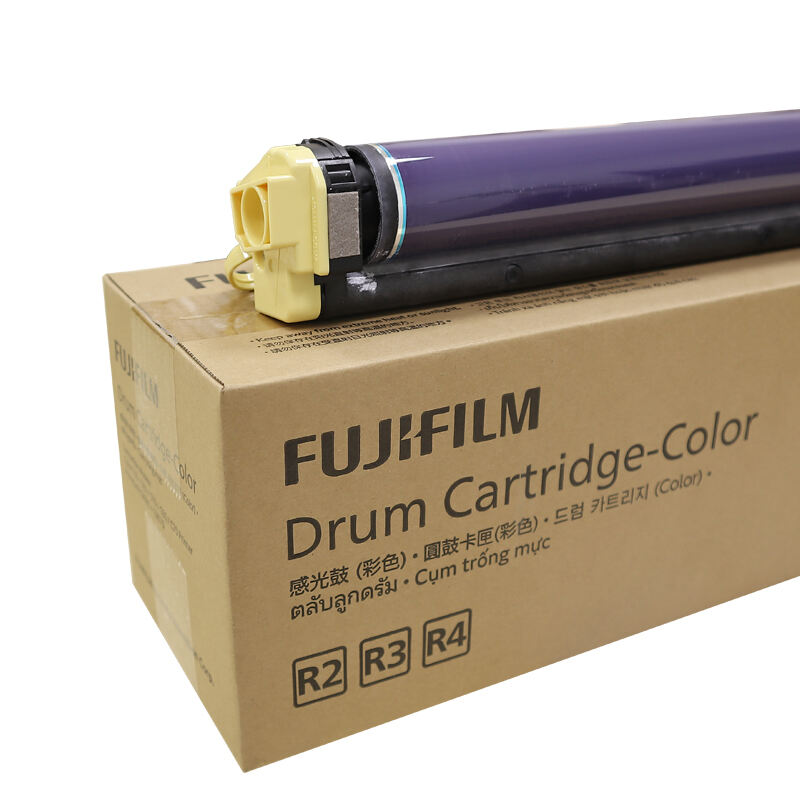
drum unit
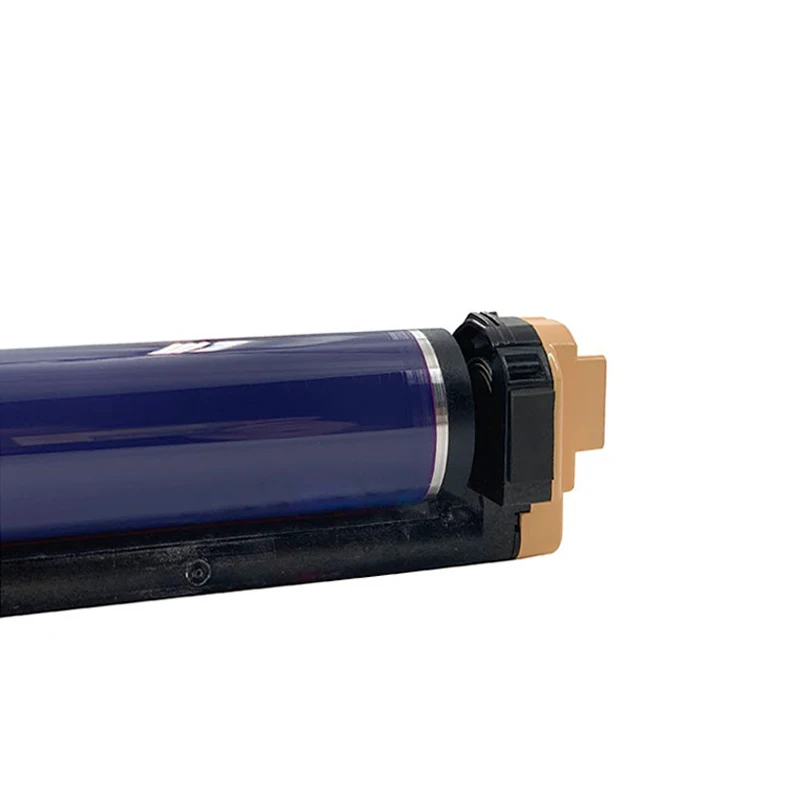
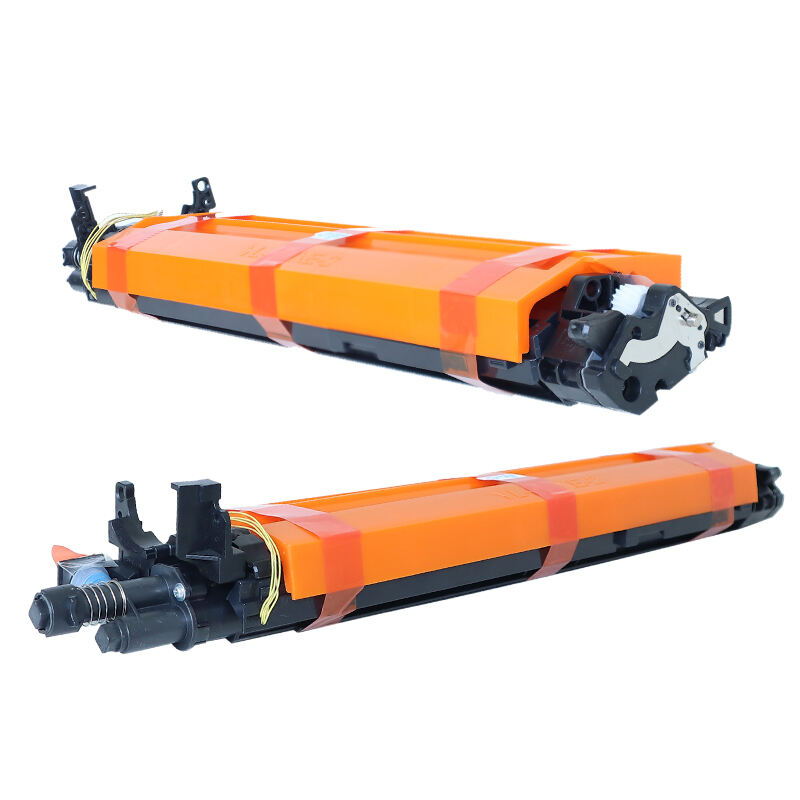
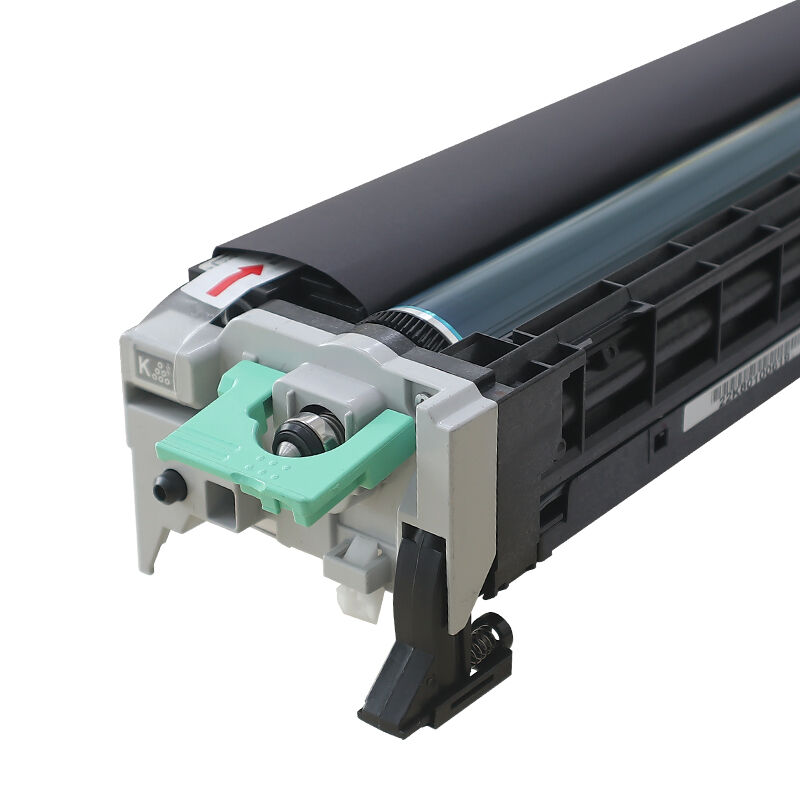
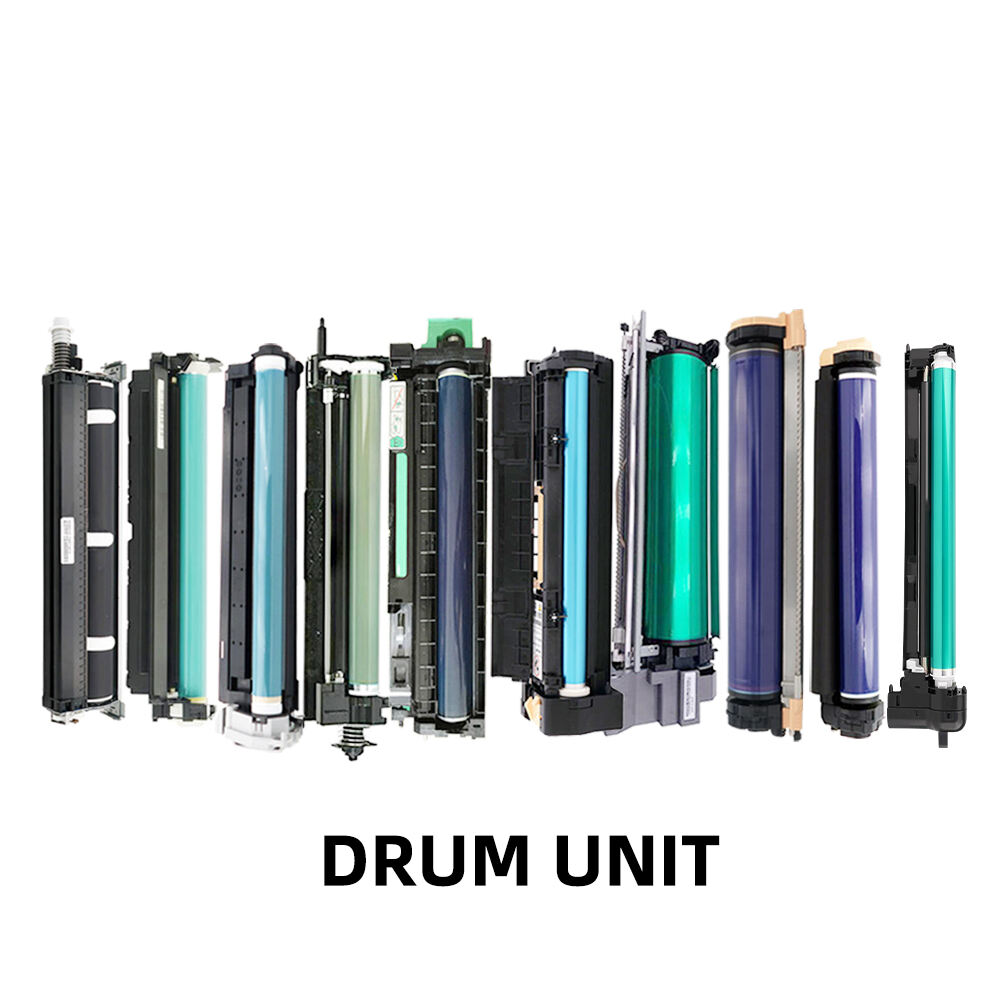
The drum unit stands as a critical component within laser printing systems, serving as the photosensitive element that makes image transfer possible during the printing process. This cylindrical device features a specially coated surface that responds to light exposure, enabling precise reproduction of text and images onto paper. The drum unit works in close coordination with the toner cartridge to deliver sharp, professional-quality output consistently across thousands of print cycles. Understanding the drum unit requires examining its construction, which typically consists of an aluminum or conductive core wrapped with multiple layers of photoconductive material. This sophisticated design allows the surface to hold an electrostatic charge that attracts toner particles in specific patterns corresponding to the digital image being printed. Modern drum units incorporate advanced organic photoconductor materials that provide enhanced sensitivity and durability compared to earlier selenium-based designs. The operational lifespan of a drum unit varies depending on printer model and usage patterns, but most units deliver between twenty thousand and fifty thousand pages before requiring replacement. During normal operation, the drum unit undergoes a continuous cycle of charging, exposure, development, transfer, and cleaning. Each rotation begins with a corona wire or charging roller applying a uniform negative charge across the entire drum surface. The laser beam then selectively discharges specific areas, creating an invisible electrostatic image that matches the document being printed. Toner particles carrying an opposite charge adhere to the discharged regions, forming a visible powder image. This toner pattern transfers to paper through pressure and heat, producing the final printed page. Regular maintenance and proper handling significantly impact drum unit performance and longevity, making it essential for users to follow manufacturer guidelines regarding storage conditions, cleaning procedures, and replacement intervals to maintain optimal print quality throughout the component's service life.
 EN
EN