 EN
EN

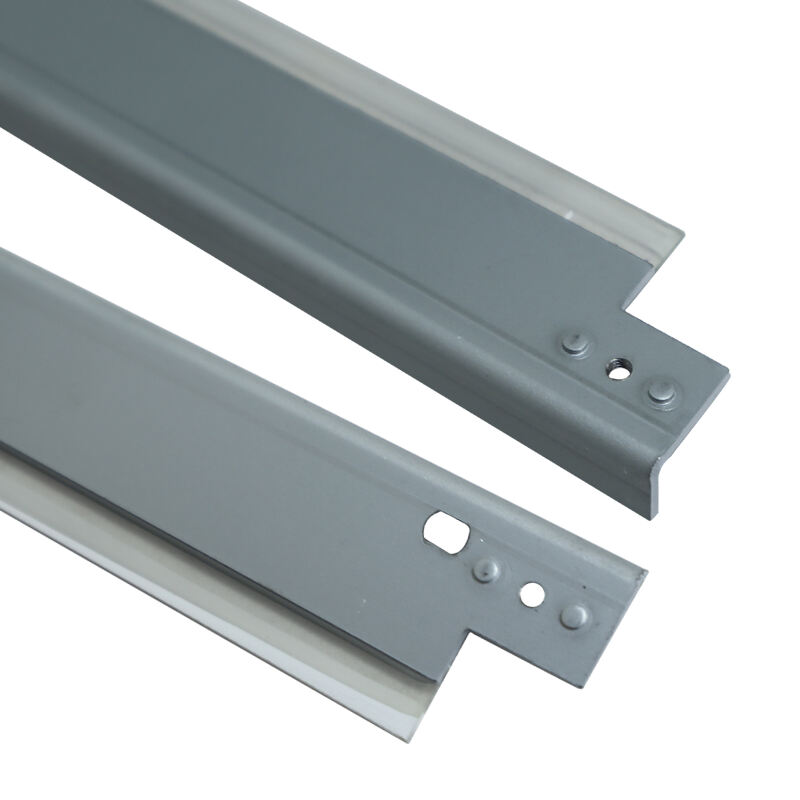
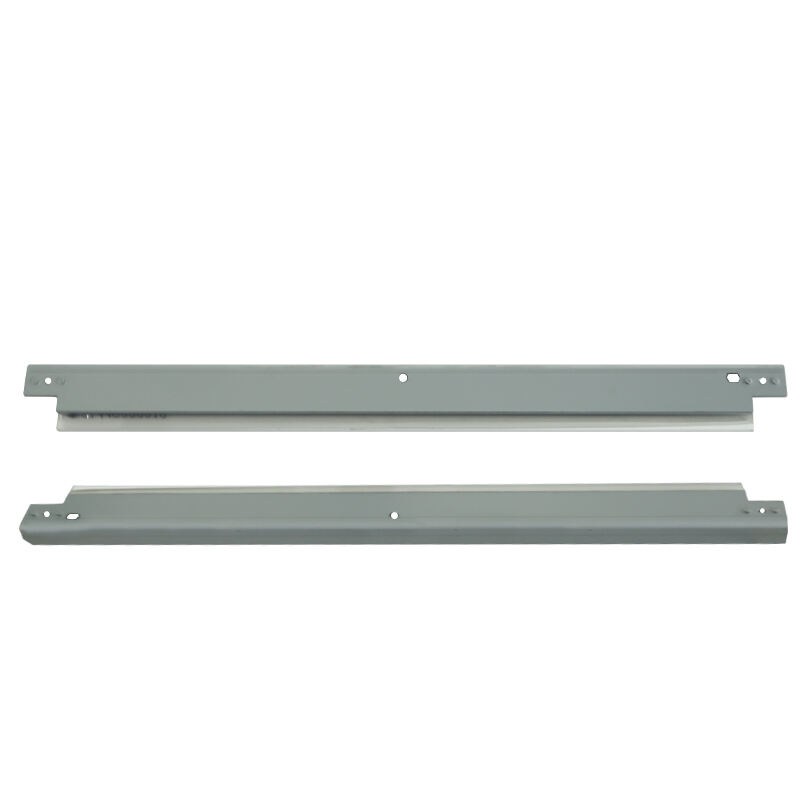
Office productivity heavily depends on reliable printing equipment, yet many businesses overlook the critical role of maintenance components in preserving their investment. A customized cleaning blade represents one of the most effective solutions for extending printer lifespan while maintaining consistent print quality. These specialized components work behind the scenes to remove toner residue, paper particles, and other contaminants that can compromise your printer's performance over time.
Understanding the mechanics behind printer maintenance components helps businesses make informed decisions about equipment care. When properly implemented, a customized cleaning blade system can reduce maintenance costs by up to 40% while significantly extending the operational life of your printing equipment. This proactive approach to printer maintenance has become increasingly important as organizations seek to optimize their operational efficiency and reduce total cost of ownership.
Understanding the Function of Printer Cleaning Components
Primary Role in Toner Management
The fundamental purpose of a customized cleaning blade involves managing toner particles throughout the printing process. During normal operation, excess toner accumulates on the drum surface, creating potential for print defects and component wear. A properly designed cleaning blade removes this excess material with precision, ensuring that only the correct amount of toner transfers to the paper surface.
Modern cleaning blade systems incorporate advanced materials that maintain consistent contact pressure against the drum surface. This consistent pressure ensures thorough cleaning without causing premature wear to the photoconductor drum, which represents one of the most expensive components in laser printing systems. The blade's edge geometry plays a crucial role in achieving optimal cleaning performance while minimizing friction-related damage.
Impact on Print Quality Consistency
Print quality directly correlates with the effectiveness of the cleaning system within your printer. When a customized cleaning blade functions properly, it prevents toner buildup that can cause streaking, ghosting, and other print defects. These quality issues not only waste paper and toner but can also damage your organization's professional image when they appear on important documents.
The cleaning blade's performance affects every aspect of print output, from text sharpness to image clarity. Accumulated contaminants on the drum surface create inconsistent toner application, resulting in variations in print density and color accuracy. By maintaining a clean drum surface, the cleaning blade ensures that each printed page meets the same quality standards as the first page from a new cartridge.
Material Science Behind Effective Cleaning Blades
Advanced Polymer Compositions
The effectiveness of any cleaning blade depends heavily on the materials used in its construction. High-quality customized cleaning blade systems utilize specialized polyurethane compounds that provide optimal balance between flexibility and durability. These materials maintain their cleaning effectiveness across thousands of print cycles while resisting wear from constant contact with the rotating drum surface.
Different printer models require specific material formulations to achieve optimal performance. Factors such as drum surface texture, operating temperature, and toner composition all influence the ideal blade material selection. Manufacturers who specialize in customized solutions can tailor the polymer composition to match these specific operating conditions, resulting in superior performance compared to generic alternatives.
Precision Manufacturing Requirements
Manufacturing tolerances for cleaning blades must be extremely precise to ensure consistent performance. The blade edge requires specific angles and surface finishes to achieve proper contact with the drum while minimizing friction. Advanced manufacturing techniques, including precision molding and computer-controlled finishing processes, ensure that each customized cleaning blade meets these exacting specifications.
Quality control processes during manufacturing include dimensional verification, material hardness testing, and surface finish analysis. These comprehensive quality measures ensure that each blade will perform consistently throughout its operational life. The investment in precision manufacturing translates directly into longer printer lifespan and reduced maintenance requirements for end users.
Economic Benefits of Customized Maintenance Solutions
Cost Analysis of Proactive Maintenance
Implementing a customized cleaning blade system provides significant economic advantages compared to reactive maintenance approaches. The initial investment in quality cleaning components typically pays for itself within the first year through reduced service calls, extended cartridge life, and decreased downtime. Organizations that track their printing costs often discover that proactive maintenance reduces their per-page printing costs by 15-25%.
The economic impact extends beyond direct maintenance savings to include productivity benefits. When printers operate reliably with consistent print quality, employees spend less time troubleshooting printing issues and reprinting defective documents. This productivity improvement can be particularly significant in high-volume printing environments where even minor disruptions can cascade into substantial operational delays.
Long-term Equipment Preservation
A well-designed customized cleaning blade system protects other expensive printer components from premature wear. By preventing toner contamination from reaching sensitive areas within the printer, the cleaning blade helps preserve the fuser assembly, transfer rollers, and other critical components. This comprehensive protection can extend the overall printer lifespan by 30-50% compared to printers that operate without proper cleaning blade maintenance.
The cumulative effect of component preservation becomes particularly apparent in high-volume printing environments. Printers that process thousands of pages monthly benefit significantly from the protective effects of quality cleaning blades. The reduced frequency of major component replacements translates into substantial cost savings over the printer's operational life, making the initial investment in customized cleaning blade systems highly cost-effective.
Installation and Maintenance Best Practices
Proper Installation Techniques
Successful implementation of a customized cleaning blade requires attention to proper installation procedures. The blade must be positioned with precise alignment to ensure even contact across the entire drum surface. Improper installation can result in incomplete cleaning, premature blade wear, or damage to the photoconductor drum. Following manufacturer specifications for installation torque and positioning ensures optimal performance from the cleaning blade system.
Environmental factors during installation also affect long-term performance. The cleaning blade should be installed in a clean environment to prevent contamination that could interfere with proper sealing against the drum surface. Temperature and humidity conditions during installation can affect the blade material properties, making it important to allow components to acclimate to operating conditions before installation.
Monitoring and Replacement Schedules
Establishing appropriate monitoring procedures helps maximize the benefits of customized cleaning blade systems. Regular inspection of print quality can provide early warning signs of cleaning blade wear or contamination. Specific indicators include gradual increases in background toner, subtle changes in print density, or the appearance of fine streaking patterns that suggest incomplete toner removal.
Replacement schedules should be based on actual usage patterns rather than arbitrary time intervals. High-volume printing environments may require more frequent cleaning blade replacement, while low-volume applications can often extend replacement intervals significantly. Tracking print volumes and quality metrics helps organizations optimize their replacement schedules to minimize both costs and performance risks.
FAQ
How often should customized cleaning blades be replaced in high-volume printing environments
Replacement frequency for customized cleaning blades depends primarily on print volume and operating conditions rather than time elapsed. In high-volume environments processing 10,000 or more pages monthly, cleaning blades typically require replacement every 6-12 months. However, monitoring print quality indicators provides more accurate replacement timing than following rigid schedules. Signs such as increased background toner, subtle streaking, or gradual print quality degradation indicate when replacement is necessary, regardless of the time period involved.
What are the signs that indicate a customized cleaning blade needs immediate replacement
Several clear indicators signal the need for immediate cleaning blade replacement. Visible streaking or lines running parallel to the paper direction often indicate blade edge damage or excessive wear. Increased background toner or a gray appearance on white paper areas suggests incomplete toner removal. Additionally, if you notice toner particles accumulating around the printer or cartridge area, this typically indicates that the cleaning blade has lost its sealing effectiveness and requires prompt replacement to prevent damage to other printer components.
Can customized cleaning blades improve print quality compared to standard OEM parts
Customized cleaning blades often deliver superior print quality compared to standard OEM parts because they can be specifically engineered for particular operating conditions and printer models. While OEM parts are designed to meet general specifications across multiple applications, customized solutions can optimize material composition, edge geometry, and manufacturing tolerances for specific environments. This targeted approach frequently results in more consistent toner removal, reduced print defects, and extended periods between maintenance intervals, ultimately providing better print quality throughout the blade's operational life.
Do customized cleaning blades affect printer warranty coverage
The impact of customized cleaning blades on printer warranty coverage depends on several factors, including the manufacturer's specific warranty terms and the quality certifications of the cleaning blade supplier. High-quality customized cleaning blades that meet or exceed OEM specifications typically do not void warranty coverage, especially when installed by qualified technicians. However, it is essential to verify warranty terms with your printer manufacturer and ensure that any customized components come from reputable suppliers who provide appropriate quality documentation and support for their products.
Table of Contents
- Understanding the Function of Printer Cleaning Components
- Material Science Behind Effective Cleaning Blades
- Economic Benefits of Customized Maintenance Solutions
- Installation and Maintenance Best Practices
-
FAQ
- How often should customized cleaning blades be replaced in high-volume printing environments
- What are the signs that indicate a customized cleaning blade needs immediate replacement
- Can customized cleaning blades improve print quality compared to standard OEM parts
- Do customized cleaning blades affect printer warranty coverage