Imaging Unit of Printer: Complete Guide to Functions, Benefits & Features

Get a Free Quote

Our representative will contact you soon.
Email
Mobile
Whatsapp or Wechat ID
Company Name
Name
Message
0/1000

imaging unit of printer

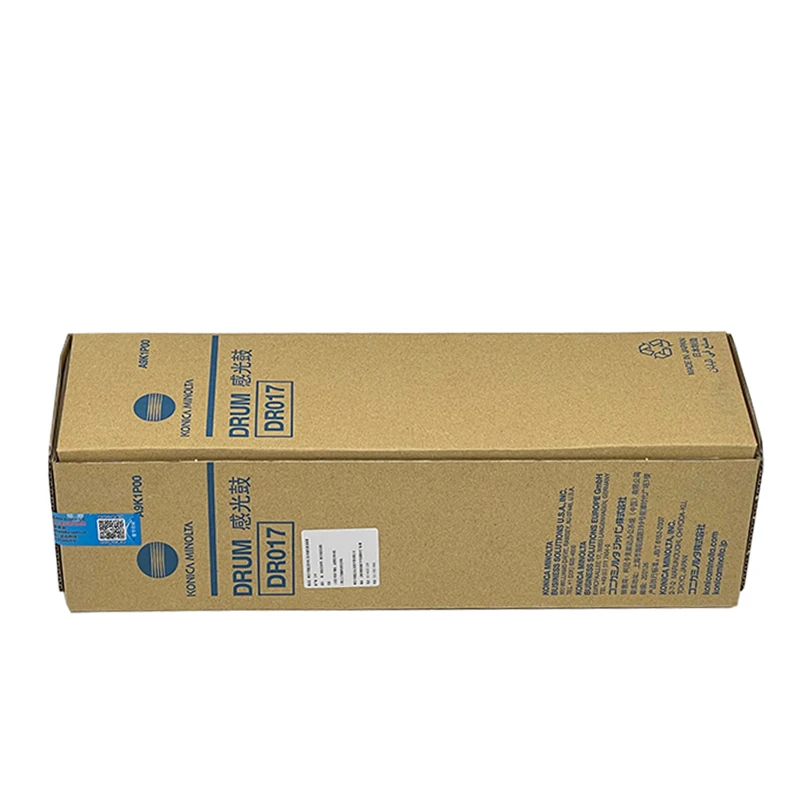
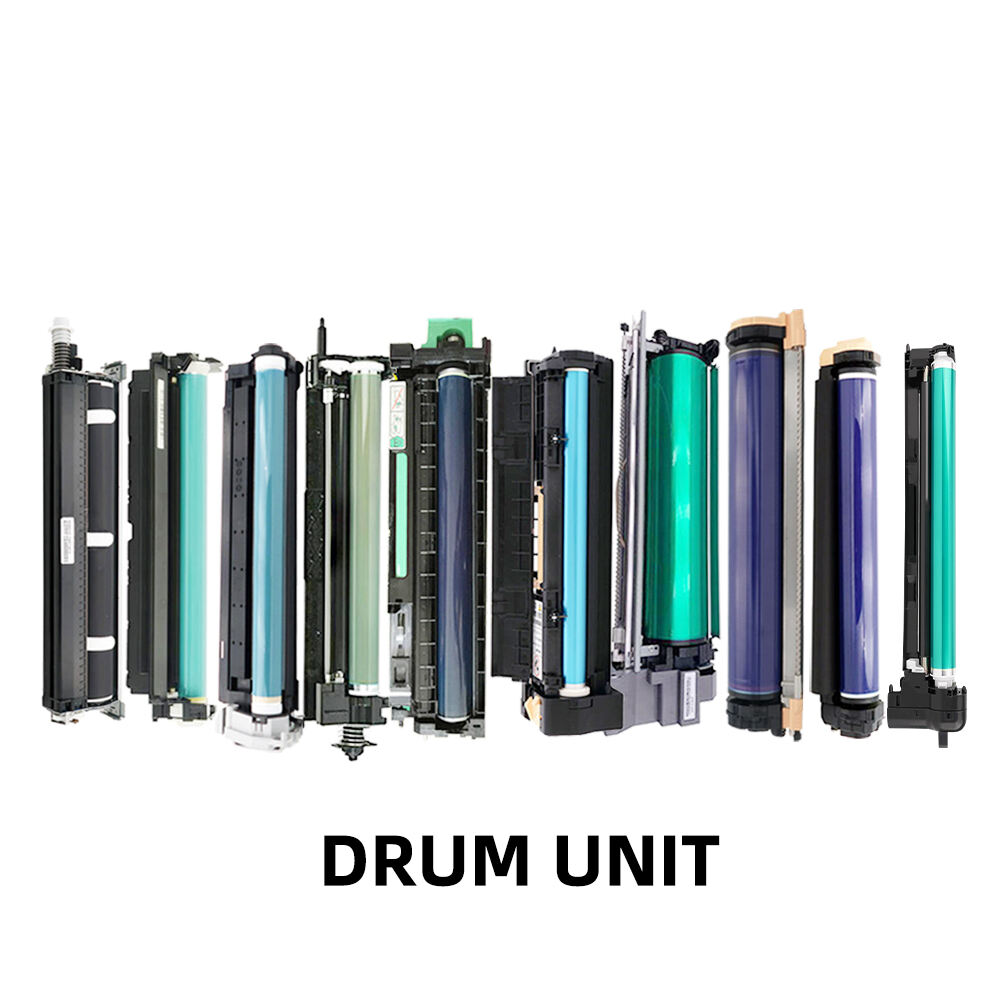
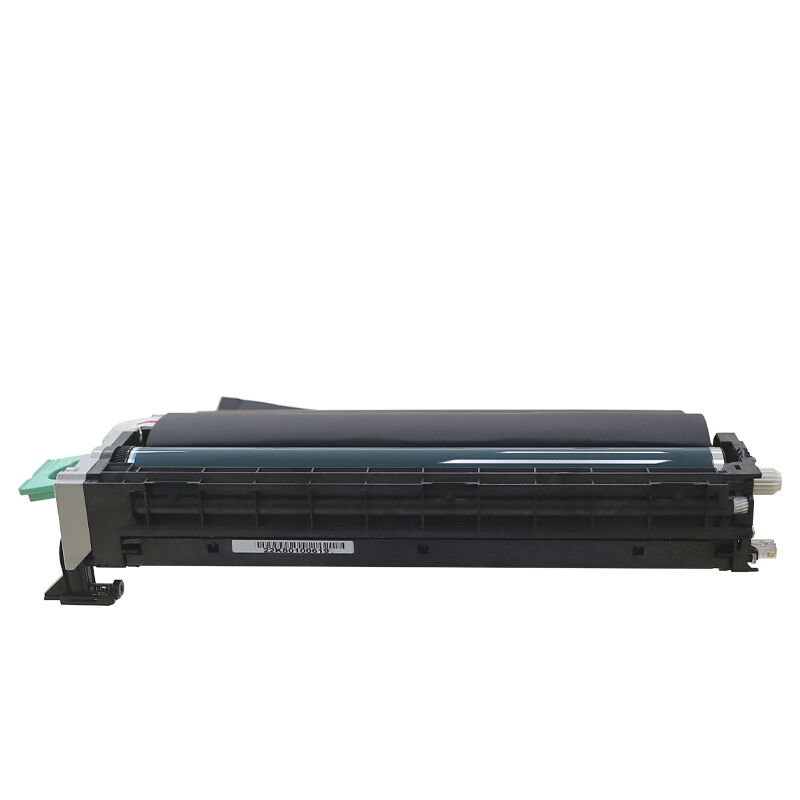
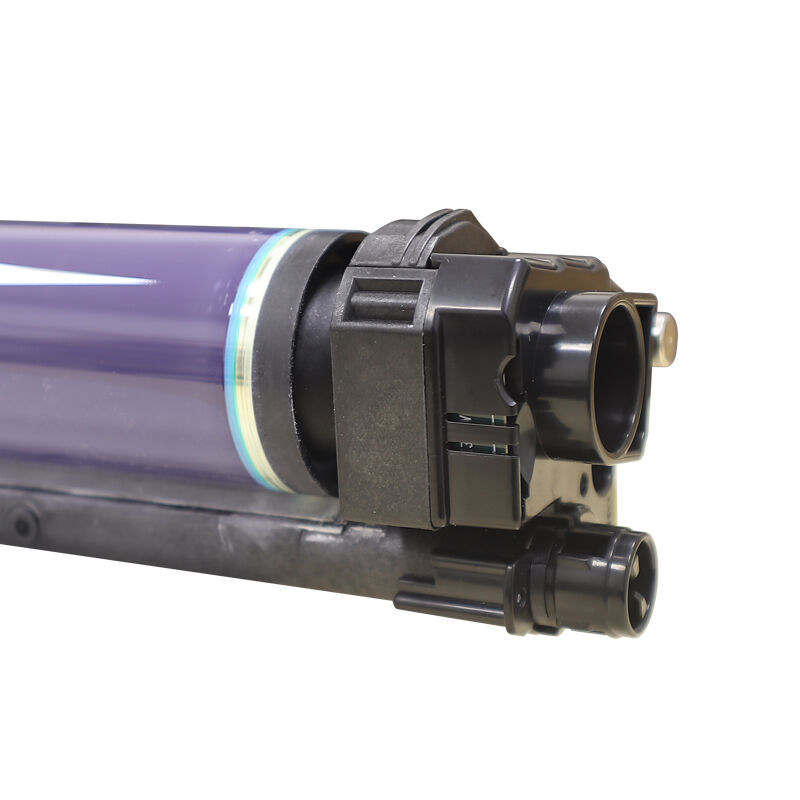
The imaging unit of printer represents a critical component that serves as the heart of laser printing technology, responsible for transferring toner onto paper to create visible text and images. This sophisticated mechanism works in harmony with other printer components to deliver high-quality printed documents consistently. The imaging unit of printer typically consists of a photosensitive drum, charging roller, and sometimes includes the toner cartridge as an integrated assembly. When a print job begins, the imaging unit of printer receives electrical signals that correspond to the document being printed. The photosensitive drum within the unit becomes electrically charged, and a laser beam selectively discharges specific areas of the drum surface to create an electrostatic image matching the desired output. Toner particles, which are fine powder composed of plastic resin and pigment, adhere to the charged areas of the drum. As paper passes through the printer, the imaging unit of printer transfers the toner onto the paper surface through heat and pressure applied by the fuser assembly. The technological sophistication of the imaging unit of printer enables precise dot placement, resulting in sharp text and detailed graphics. Modern imaging units incorporate advanced materials that resist wear and maintain consistent performance throughout their rated lifespan. The imaging unit of printer functions across various printing environments, from home offices producing occasional documents to corporate settings handling thousands of pages daily. The component's design allows for relatively simple replacement when it reaches the end of its operational life, minimizing downtime and maintenance complexity. Different printer manufacturers may design their imaging unit of printer with varying specifications, but the fundamental principles remain consistent. Understanding how the imaging unit of printer operates helps users appreciate the technology behind their printing equipment and make informed decisions about maintenance and replacement schedules to ensure optimal printing performance.

New Products

Choosing a quality imaging unit of printer delivers numerous practical benefits that directly impact your daily printing experience and long-term operational costs. First and foremost, a reliable imaging unit of printer ensures consistent print quality from the first page to the last within its lifecycle. You will notice crisp text that remains legible even at smaller font sizes, making professional documents and presentations look polished and credible. The imaging unit of printer eliminates common issues like faded output, streaking, or uneven toner distribution that compromise document appearance. When you invest in a proper imaging unit of printer, you gain predictable page yields that help you plan replacement schedules and budget accordingly. Unlike inferior alternatives, genuine imaging units deliver their rated page capacity without premature degradation, which means fewer interruptions to your workflow and reduced per-page costs over time. The imaging unit of printer designed by original manufacturers undergoes rigorous testing to ensure compatibility with your specific printer model, preventing mechanical conflicts that could damage other components. This compatibility translates to smooth operation without error messages, paper jams caused by improper toner transfer, or calibration problems. Another significant advantage of using a quality imaging unit of printer involves environmental responsibility. Properly manufactured units minimize toner waste and reduce the frequency of replacements, which means fewer components ending up in landfills. Many imaging units now feature recyclable components that support sustainability initiatives while maintaining performance standards. The imaging unit of printer also simplifies maintenance procedures because replacement typically involves a straightforward swap process that most users can complete without technical assistance. This user-friendly design saves money on service calls and reduces equipment downtime. You will appreciate how a well-functioning imaging unit of printer operates quietly compared to units nearing end of life, which often produce grinding or clicking sounds. Temperature management represents another benefit, as quality imaging units maintain optimal operating temperatures that prevent overheating and extend the lifespan of surrounding components. The imaging unit of printer from reputable manufacturers includes protective features that prevent toner leakage, keeping your printer interior clean and reducing the need for frequent internal cleanings. This cleanliness factor preserves air quality in your workspace and prevents toner particles from circulating in your environment. Financial predictability improves when you use reliable imaging units because you can accurately calculate cost per page and avoid unexpected expenses from premature failures or supplementary cleaning supplies.

Practical Tips

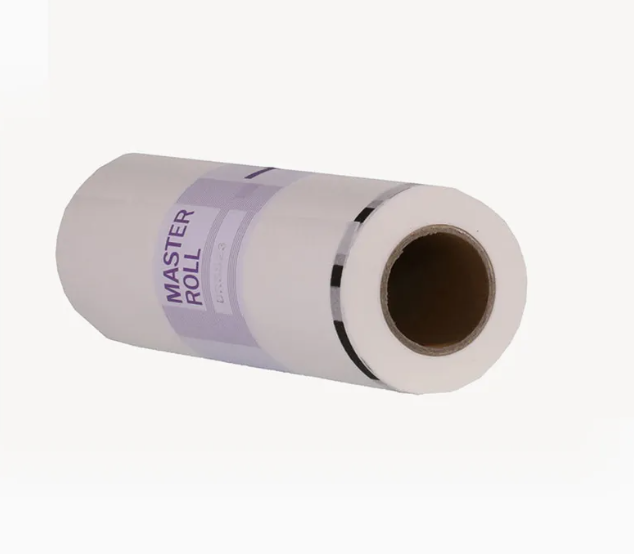
What Makes Master Rolls a Key Component in Commercial Printing Operations?

07

Jan

What Makes Master Rolls a Key Component in Commercial Printing Operations?

Commercial printing operations rely on numerous components working in perfect harmony to deliver high-quality reproductions at scale. Among these essential elements, the master roll stands out as a critical component that directly impacts print quali...
View More
Why Are Master Rolls Critical in High-Volume Production Environments?

07

Jan

Why Are Master Rolls Critical in High-Volume Production Environments?

High-volume production environments demand exceptional efficiency, reliability, and cost-effectiveness to maintain competitive advantages in today's fast-paced business landscape. Among the essential components that drive successful operations, maste...
View More
What Are the Signs That Your Pickup Roller Needs Replacing?

12

Feb

What Are the Signs That Your Pickup Roller Needs Replacing?

The pickup roller is a critical component in copiers and printers that ensures smooth paper feeding from the paper tray to the printing mechanism. When this essential part begins to wear down or malfunction, it can cause significant disruptions to yo...
View More
What Are the Common Issues Caused by Worn-Out Pickup Rollers and How to Fix Them?

12

Feb

What Are the Common Issues Caused by Worn-Out Pickup Rollers and How to Fix Them?

Office equipment performance directly impacts workplace productivity, and one component that frequently causes operational disruptions is the pickup roller. These essential mechanisms serve as the critical interface between paper stacks and internal ...
View More

Get a Free Quote

Our representative will contact you soon.
Email
Mobile
Whatsapp or Wechat ID
Company Name
Name
Message
0/1000

imaging unit of printer

Superior Print Resolution and Consistency Throughout Extended Use

Superior Print Resolution and Consistency Throughout Extended Use

The imaging unit of printer stands out for its remarkable ability to maintain exceptional print resolution across thousands of pages without quality degradation. This characteristic stems from precision-engineered photosensitive drums that feature multiple protective layers resistant to scratching and wear. When you examine documents printed at the beginning of the imaging unit lifecycle compared to those printed near the end, you will find minimal variation in sharpness, density, or clarity. This consistency proves invaluable for businesses that require uniform document appearance for branding purposes or legal compliance. The imaging unit of printer achieves this performance through advanced organic photoconductor technology that responds uniformly to laser exposure throughout its operational life. The drum surface maintains its electrical properties, ensuring consistent toner attraction and transfer with each rotation. Professional photographers and graphic designers particularly benefit from this capability when printing portfolios or client presentations, as color gradients remain smooth and details stay crisp. The imaging unit of printer incorporates specialized coating technologies that resist common environmental factors like humidity and temperature fluctuations that typically affect print quality. This resilience means your output remains professional whether you print during humid summer months or dry winter conditions. Small text characters, which often blur with inferior imaging units, stay sharp and legible even at six-point font sizes. Line drawings and technical diagrams maintain their precision, with straight edges appearing truly straight rather than jagged or broken. The imaging unit of printer enables this performance through microscopic toner particle management that prevents clumping and ensures even distribution across the drum surface. Halftone patterns in photographs render smoothly without banding or posterization effects that create unnatural transitions between tonal values. For legal documents, contracts, and official records where text clarity could have significant implications, the imaging unit of printer provides the reliability necessary to ensure every character prints distinctly. This quality consistency extends to duplex printing, where both sides of the page receive identical treatment without the second side showing diminished quality. The imaging unit of printer maintains registration accuracy, which keeps printed elements in their correct positions relative to page margins and each other, essential for forms, labels, and multi-layer designs.
Cost-Effective Operation with Predictable Page Yields

Cost-Effective Operation with Predictable Page Yields

Financial efficiency represents a cornerstone advantage of the imaging unit of printer, particularly when evaluating total cost of ownership over the equipment's lifespan. Unlike inconsistent alternatives, properly manufactured imaging units deliver their advertised page yields with remarkable accuracy, allowing businesses and individuals to budget printing expenses precisely. The imaging unit of printer achieves this predictability through carefully calibrated toner consumption rates that optimize coverage without excessive usage. When manufacturers rate an imaging unit for 12,000 pages, for example, you can reasonably expect to achieve that number with standard document printing at typical five percent coverage. This reliability eliminates the frustrating experience of units that deplete prematurely, forcing unexpected purchases that disrupt budgets and workflow. The imaging unit of printer delivers lower per-page costs compared to alternative printing methods because the efficient toner transfer mechanism minimizes waste. Every particle of toner serves a purpose rather than accumulating as excess residue that requires disposal. High-capacity imaging units offer even greater value for high-volume printing environments, reducing the frequency of replacements and the associated labor costs. The imaging unit of printer designed for business applications might yield 30,000 or more pages, which for a typical office translates to several months of operation without intervention. This extended replacement interval reduces administrative burden and inventory management requirements. The financial benefits extend beyond the unit cost itself, as quality imaging units prevent secondary expenses associated with poor performance. You avoid costs related to reprinting documents that emerge with quality defects, purchasing cleaning supplies for toner spills, or servicing printers damaged by incompatible components. The imaging unit of printer maintains consistent toner density throughout its lifecycle, which means you use the same amount of toner per page from beginning to end without needing to increase density settings that accelerate depletion. Smart chip technology in modern imaging units provides accurate remaining capacity information, enabling proactive replacement planning rather than reactive scrambling when supplies run out during critical print jobs. The imaging unit of printer contributes to energy efficiency because optimal toner transfer requires fewer fuser passes and lower temperatures, reducing electricity consumption per page. For organizations printing hundreds of thousands of pages annually, these efficiency gains compound into substantial cost savings. Bulk purchasing options for imaging units offer additional discounts, and the long shelf life of sealed units allows stocking without degradation concerns.

Simplified Installation and Maintenance for Hassle-Free Operation

Simplified Installation and Maintenance for Hassle-Free Operation

The user-friendly design of the imaging unit of printer eliminates technical barriers that previously made printer maintenance intimidating for average users. Modern imaging units feature intuitive installation mechanisms that guide the component into correct position without requiring tools, technical knowledge, or professional assistance. The imaging unit of printer typically includes color-coded guides, arrows, and physical keying that prevent incorrect installation, protecting both the new unit and printer from damage caused by improper placement. This thoughtful engineering means office staff can replace imaging units confidently during normal business hours without waiting for IT support or scheduling technician visits. The cost savings from this independence accumulate significantly over years of printer operation. The imaging unit of printer arrives packaged with comprehensive protective measures that preserve component integrity during shipping and storage. Sealed bags prevent light exposure that could damage the photosensitive drum, while foam inserts cushion against impact. Clear instructional materials accompany each unit, often including visual step-by-step guides that transcend language barriers. The imaging unit of printer incorporates automatic calibration features that optimize print quality immediately after installation without manual adjustments. The printer recognizes the new component, resets page counters, and adjusts operational parameters to match the fresh unit's characteristics. This automation eliminates the trial-and-error printing that once followed component replacement. The imaging unit of printer designed with modular architecture allows replacement without disturbing other printer components, reducing the risk of accidental damage during maintenance. Access panels open smoothly with clearly marked release mechanisms, providing unobstructed pathways to the imaging unit location. The physical weight and size of imaging units reflect ergonomic considerations, enabling single-person handling without strain or awkward positioning. The imaging unit of printer features built-in handles or grip points that facilitate secure grasping during removal and installation. Recycling programs for spent imaging units further simplify the replacement process, as many manufacturers provide prepaid shipping labels and collection boxes that make environmentally responsible disposal effortless. The imaging unit of printer generates minimal mess during replacement because integrated design contains toner residue within sealed compartments. Users avoid the toner clouds and surface contamination that plagued earlier printer technologies. Diagnostic LED indicators on the printer alert users when the imaging unit approaches end of life, providing advance notice that prevents unexpected depletion during important print jobs. The imaging unit of printer communicates remaining capacity through printer software, enabling proactive ordering that ensures replacement units arrive before current units expire.
Email Email WhatsApp WhatsApp
WhatsApp
WeChat WeChat
WeChat
Facebook Facebook TopTop

Get a Free Quote

Our representative will contact you soon.
Email
Mobile
Whatsapp or Wechat ID
Company Name
Name
Message
0/1000