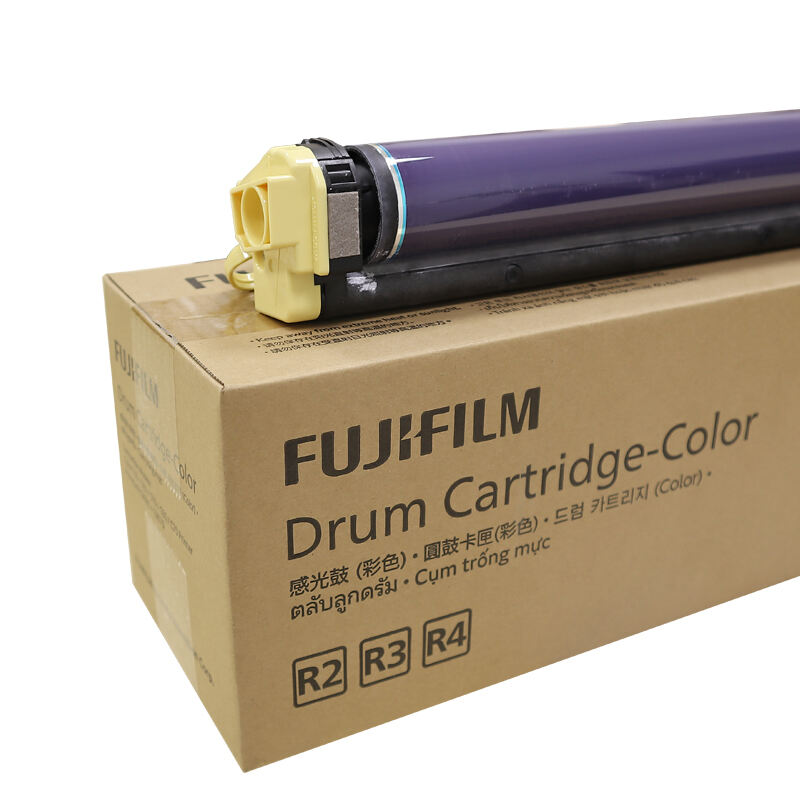
printer imaging drum
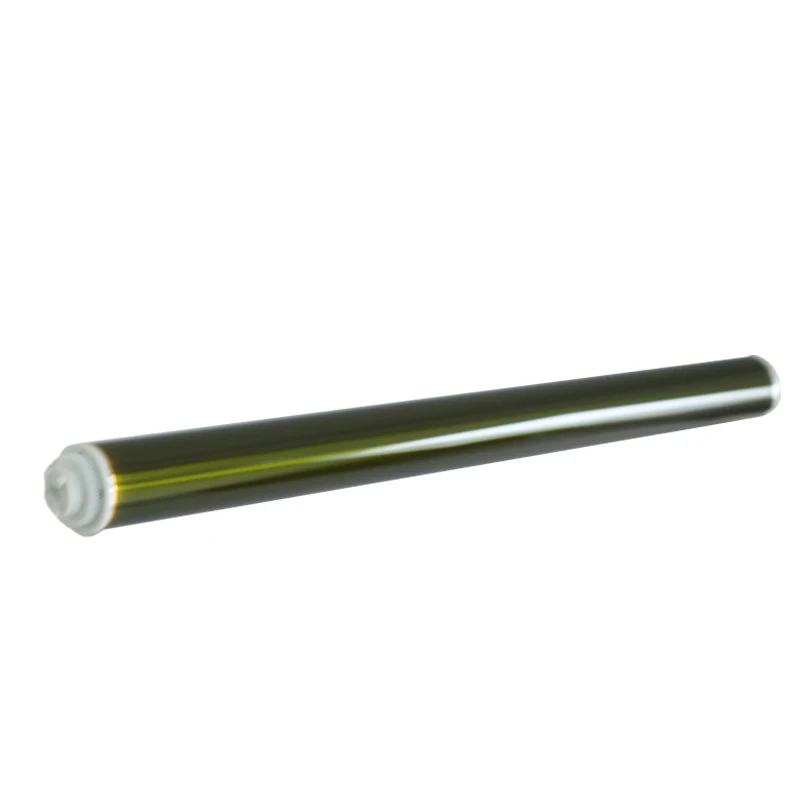
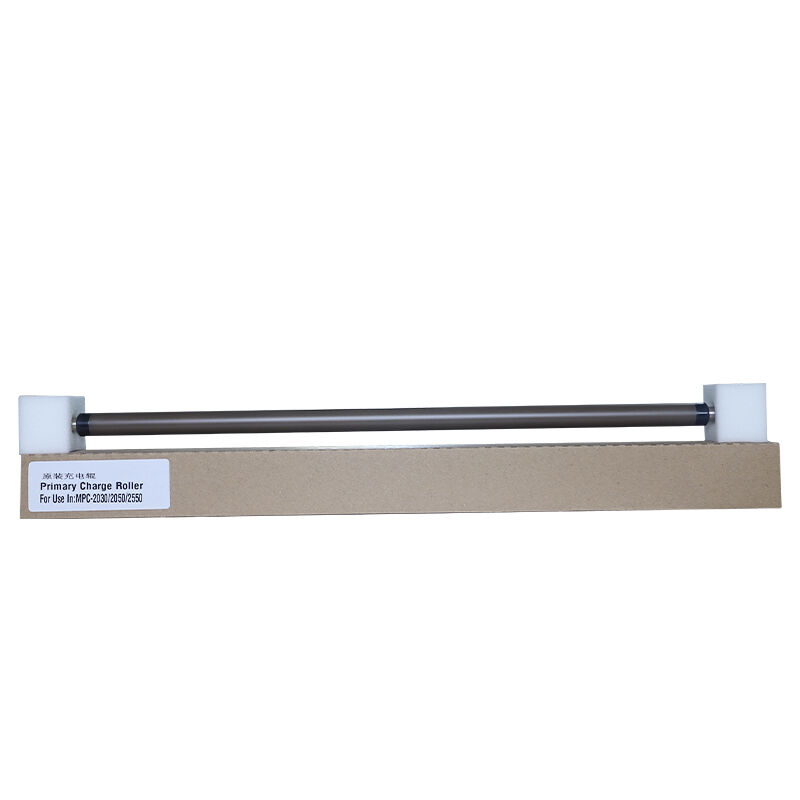
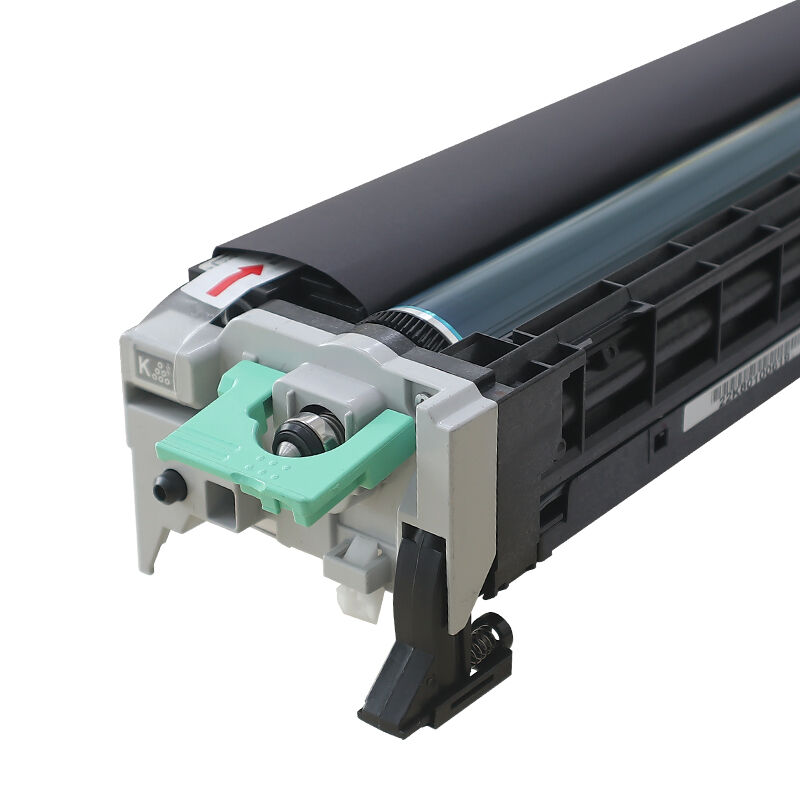
The printer imaging drum stands as a fundamental component within laser printers and photocopiers, serving as the crucial element that transforms digital information into physical printed documents. This cylindrical device, typically coated with a photosensitive material, operates through a sophisticated electrophotographic process that enables precise image transfer onto paper. The printer imaging drum works by receiving an electrostatic charge across its surface, which is then selectively discharged by a laser beam to create an invisible image pattern corresponding to the document being printed. This charged pattern attracts toner particles, which are subsequently transferred to paper and fused to create the final printed output. Modern printer imaging drums incorporate advanced photoconductive materials such as organic photoconductors or amorphous silicon, which provide exceptional sensitivity to light and ensure consistent print quality across thousands of pages. The technological evolution of printer imaging drums has dramatically improved their durability, with contemporary models capable of producing between 10,000 to 100,000 pages before requiring replacement, depending on the specific design and usage conditions. These components feature precision-engineered surfaces that maintain microscopic tolerances, ensuring uniform charge distribution and preventing defects such as streaking, ghosting, or uneven density in printed materials. The printer imaging drum operates in perfect synchronization with other printer mechanisms, including the charging roller, developer unit, transfer roller, and fuser assembly, to deliver reliable printing performance. Applications for printer imaging drums span diverse environments, from home offices requiring occasional document printing to large corporate settings demanding high-volume production capabilities. Educational institutions, healthcare facilities, legal offices, and government agencies all depend on the consistent performance of printer imaging drums to maintain their daily operations. The component's versatility extends across monochrome and color printing systems, with color printers utilizing multiple imaging drums to accommodate cyan, magenta, yellow, and black toner cartridges. Understanding the printer imaging drum's role helps users make informed decisions about printer maintenance, replacement schedules, and overall cost management for their printing infrastructure.
 EN
EN