 EN

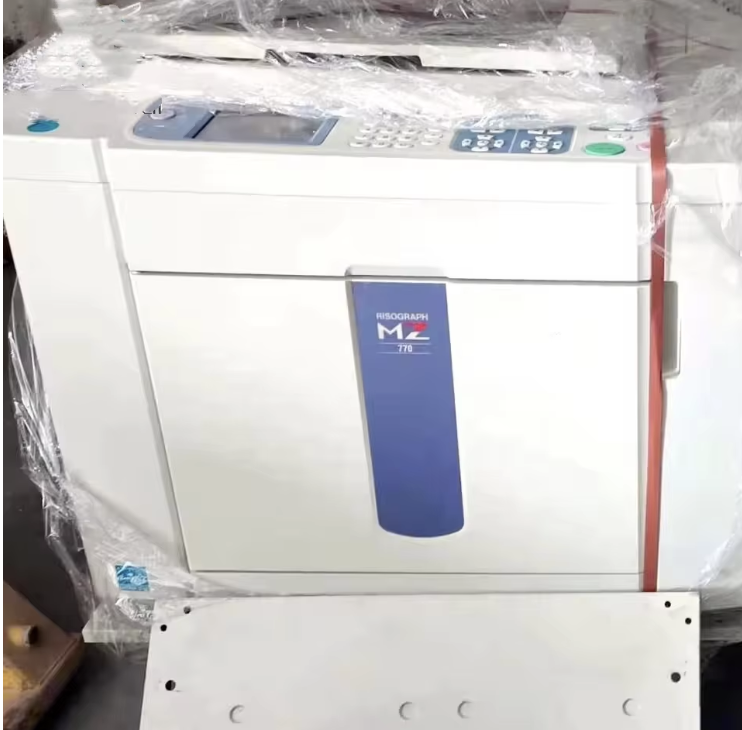
In modern community print rooms, the duplicator remains a cornerstone piece of equipment that directly influences operational efficiency and overall workflow performance. The speed at which a duplicator can process print jobs fundamentally shapes how quickly print room teams can fulfill requests, manage backlogs, and maintain consistent service delivery. Understanding the relationship between duplicator performance and workflow optimization is essential for any facility manager or administrator responsible for print operations. A faster duplicator translates into shorter turnaround times, improved staff productivity, and better resource allocation across the entire print environment.
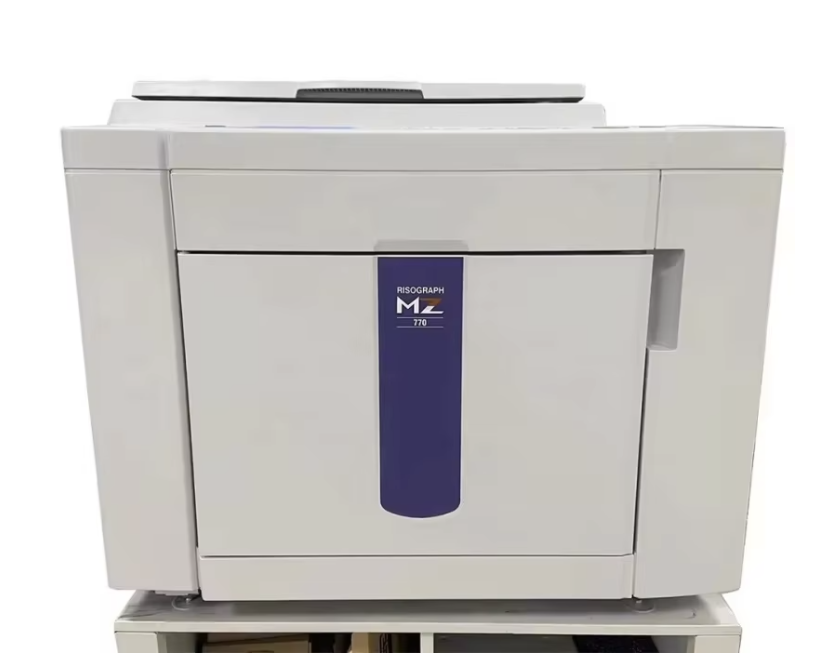
The impact of duplicator speed extends beyond simple metrics like pages per minute. When a duplicator operates at optimal speed, it creates a cascading positive effect throughout the print room ecosystem. Staff members spend less time waiting for jobs to complete, allowing them to focus on quality control, client communication, and other value-added tasks. Additionally, a high-performance duplicator enables the print room to handle peak demand periods without creating bottlenecks or disappointing clientele. Organizations that invest in faster duplicator technology often discover unexpected advantages in employee satisfaction, reduced overtime costs, and enhanced competitive positioning within their communities.
How Duplicator Speed Directly Affects Daily Operations
Reducing Print Job Turnaround Times
The most immediate benefit of a faster duplicator is the measurable reduction in job completion times. When a duplicator can process documents at higher speeds, print room operators complete requests in a fraction of the traditional time. This acceleration becomes particularly valuable during periods of high volume, such as academic semesters, corporate reporting cycles, or community event planning. A duplicator that produces 130 pages per minute versus one operating at 70 pages per minute effectively doubles throughput capacity. This speed advantage allows print rooms to commit to tighter deadlines, accommodate rush requests without premium pricing, and build stronger client relationships through reliable, speedy service.
Minimizing Staff Idle Time and Fatigue
Print room operators experience tangible benefits when working with a faster duplicator. Rather than monitoring lengthy print cycles, staff members can manage multiple simultaneous jobs, perform equipment maintenance, or assist other areas of the operation. This flexibility reduces the monotony associated with print room work and improves job satisfaction. When a duplicator completes jobs quickly, team members remain engaged and productive rather than experiencing frustration from extended wait periods. The psychological impact of reduced idle time translates into higher morale, lower turnover rates, and better overall team performance. Modern duplicator technology also incorporates features that further minimize staff intervention, allowing operators to focus on coordination rather than equipment babysitting.
Workflow Efficiency Gains from Advanced Duplicator Performance
Enabling Batch Processing and Parallel Operations
A high-speed duplicator fundamentally changes how print room managers approach job scheduling and workflow planning. With a faster duplicator, teams can batch similar jobs together and complete them in shorter windows, freeing up equipment time for entirely different tasks. This capability enables print rooms to run multiple project types throughout the day without creating dangerous backlogs. Advanced duplicator systems allow operators to queue jobs more efficiently, set print parameters quickly, and transition between projects seamlessly. The duplicator becomes a dynamic asset rather than a constraint on operations. Print rooms gain the flexibility to accommodate diverse client needs, customize output for different departments or organizations, and manage complex, multi-stage print projects that would overwhelm slower equipment.
Improving Resource Allocation and Cost Management
Speed improvements in duplicator technology directly impact the financial health of community print rooms. When a duplicator completes jobs faster, the organization reduces the per-unit cost of each printed page through better equipment utilization. Staff members become more efficient, requiring fewer labor hours to produce the same output volume. Additionally, faster job completion means clients receive deliverables promptly, reducing the need for expedited handling fees or duplicate work. Many print rooms discover that investing in a higher-speed duplicator eliminates the need for additional equipment or overtime labor. This efficiency gain strengthens the print room's financial sustainability and justifies capital equipment expenditures. Organizations can redirect cost savings toward staff training, equipment upgrades, or service expansion.
Practical Workflow Improvements in Community Print Environments
Meeting Diverse Client Demands Consistently
Community print rooms serve audiences with varying needs and expectations regarding turnaround times. Educational institutions require consistent, timely production of course materials and administrative documents. Nonprofit organizations depend on reliable print support for fundraising campaigns and community outreach. Corporate tenants expect professional, rapid execution of marketing and operational materials. A duplicator equipped with advanced speed capabilities helps print rooms meet these diverse demands without compromising quality or service standards. The duplicator becomes the foundation of a service-oriented operation that can promise and deliver fast turnaround times. This reliability builds reputation, attracts additional clients, and creates competitive advantages in environments where multiple print service providers compete for attention.
Supporting Sustainability and Waste Reduction
Counterintuitively, a faster duplicator can support environmental sustainability goals within print rooms. Modern duplicator technology combines speed with precision, reducing waste from misfeeds, color mismatches, or quality failures. When a duplicator operates reliably at higher speeds, operators achieve accuracy that slower machines sometimes fail to maintain. This precision means fewer reprints, less wasted paper and toner, and reduced environmental impact per job completed. Additionally, the duplicator's efficiency allows print rooms to complete work with less total machine runtime, reducing energy consumption. Print rooms committed to sustainability find that upgrading to a faster, more reliable duplicator aligns operational efficiency with environmental responsibility. The duplicator becomes a tool for supporting organizational sustainability commitments while maintaining profitability.
FAQ
What specific speed metrics should I consider when evaluating a duplicator for my print room?
When assessing a duplicator for your operation, focus on pages-per-minute (PPM) specifications, first-page-out time, and job processing capacity. Pages-per-minute indicates sustained output speed for standard jobs. First-page-out time matters for small jobs that represent a significant portion of community print room work. Job capacity refers to how many different jobs a duplicator can process simultaneously without clearing memory. Additionally, consider the duplicator's warm-up time, which affects rapid job transitions throughout the day. Reliable specifications from manufacturers help you accurately compare duplicator options and predict realistic productivity improvements for your specific workload patterns.
How does duplicator speed impact the overall quality of printed materials?
Modern duplicator technology separates speed from quality through advanced engineering and precision controls. A well-designed duplicator maintains consistent color registration, toner density, and paper handling regardless of operational speed. In fact, newer duplicator systems sometimes produce superior quality at higher speeds due to improved mechanical stability and digital controls. However, operators must ensure proper maintenance and calibration to sustain quality as a duplicator performs at higher speeds. Regular preventive maintenance on your duplicator preserves both speed performance and output quality throughout the equipment's operational life. Quality and speed work together in contemporary duplicator design rather than opposing each other.
Can upgrading to a faster duplicator actually reduce my print room's overall operating costs?
Yes, upgrading to a faster duplicator often reduces total operating costs despite higher initial equipment investment. A duplicator operating at higher speeds increases output per labor hour, reducing per-page labor costs significantly. Faster job completion means fewer staff members waiting idle between tasks, improving overall labor efficiency. The duplicator may also require less maintenance if newer technology incorporates more reliable components and self-diagnostic capabilities. Reduced energy consumption per page, improved accuracy that minimizes reprints, and faster client service that reduces administrative overhead all contribute to cost reduction. Many print rooms find that the duplicator investment pays for itself within two to three years through operational savings and improved revenue potential.