 EN
EN

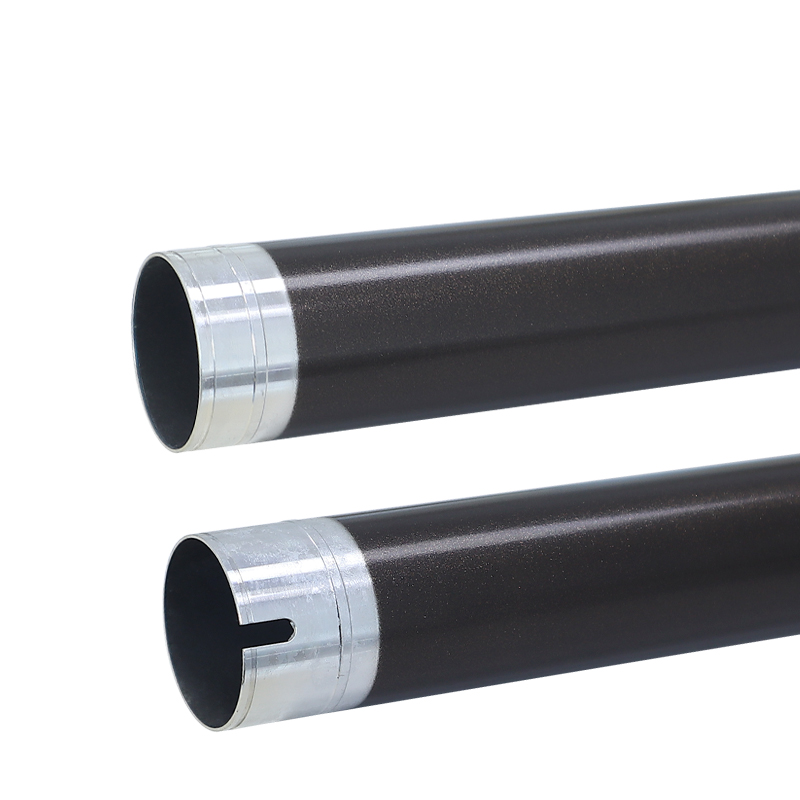
The quality of toner fixing directly impacts the durability and appearance of printed documents in any modern office environment. One of the most critical components responsible for achieving consistent and reliable toner fixing is the fuser roller. A fuser roller operates at extremely high temperatures to permanently bond toner particles onto paper, and the coating applied to this component plays an essential role in determining whether toner fixes properly and consistently across all print jobs. Understanding how fuser roller coating influences toner fixing quality is crucial for anyone managing copier equipment or responsible for maintaining print output standards in a professional setting.
The fuser roller coating serves as a specialized thermal interface that prevents toner from adhering to the roller itself while simultaneously ensuring that toner melts and bonds uniformly to the paper substrate. Different coating materials and surface treatments directly influence how effectively the fuser roller can manage heat distribution, toner release, and paper feeding. When a fuser roller coating begins to degrade or wears unevenly, toner fixing problems emerge, including incomplete melting, uneven color distribution, and poor document durability. By selecting and maintaining the appropriate fuser roller coating, organizations can significantly extend equipment lifespan, reduce maintenance costs, and maintain the highest standards of print quality.
Fuser roller coating critically determines print quality and document durability. Fluoropolymer offers thermal stability; silicon-based provides uniform heat distribution; hybrid combines both strengths. Proper maintenance through regular inspections and manufacturer-approved cleaning extends operational life to 300,000-500,000 cycles. Environmental factors—humidity, temperature, and dust—significantly accelerate coating degradation.
Coating Materials and Thermal Performance
Fluoropolymer and Silicon-Based Coatings
The most common fuser roller coating materials include fluoropolymer compounds and silicone-based formulations, each designed to meet specific thermal and mechanical requirements. Fluoropolymer coatings, such as those containing polytetrafluoroethylene (PTFE), provide excellent non-stick properties and withstand extreme temperatures without degradation. A quality fuser roller with fluoropolymer coating maintains consistent surface properties even after thousands of heat cycles, ensuring reliable toner fixing across extended production runs. These coatings also resist chemical attacks from toner resins and additives, preventing surface contamination that would otherwise compromise toner release characteristics.
Silicon-based fuser roller coatings offer an alternative approach, providing superior elasticity and thermal conductivity compared to purely fluoropolymer surfaces. This type of fuser roller coating excels at distributing heat uniformly across its cylindrical surface, reducing localized hot spots that would cause uneven toner melting. The flexibility of silicon coatings also allows the fuser roller to accommodate minor paper thickness variations without sacrificing toner fixing quality. Many modern copiers employ hybrid fuser roller coating systems that combine fluoropolymer and silicone properties, optimizing both toner release and thermal distribution for superior results.
Surface Texture and Release Properties
The microscopic texture of a fuser roller coating directly affects how easily toner releases from the roller surface without smudging or sticking. A properly engineered fuser roller presents a smooth yet slightly textured surface that allows toner to transition cleanly onto the paper while preventing residual buildup. As a fuser roller coating ages or accumulates residue, these surface characteristics degrade, leading to toner offset issues where excess melted toner transfers back onto subsequent print jobs. Advanced fuser roller coating formulations include additives that maintain consistent release properties throughout the component's operational life, preserving print quality even as the roller completes hundreds of thousands of fusing cycles.
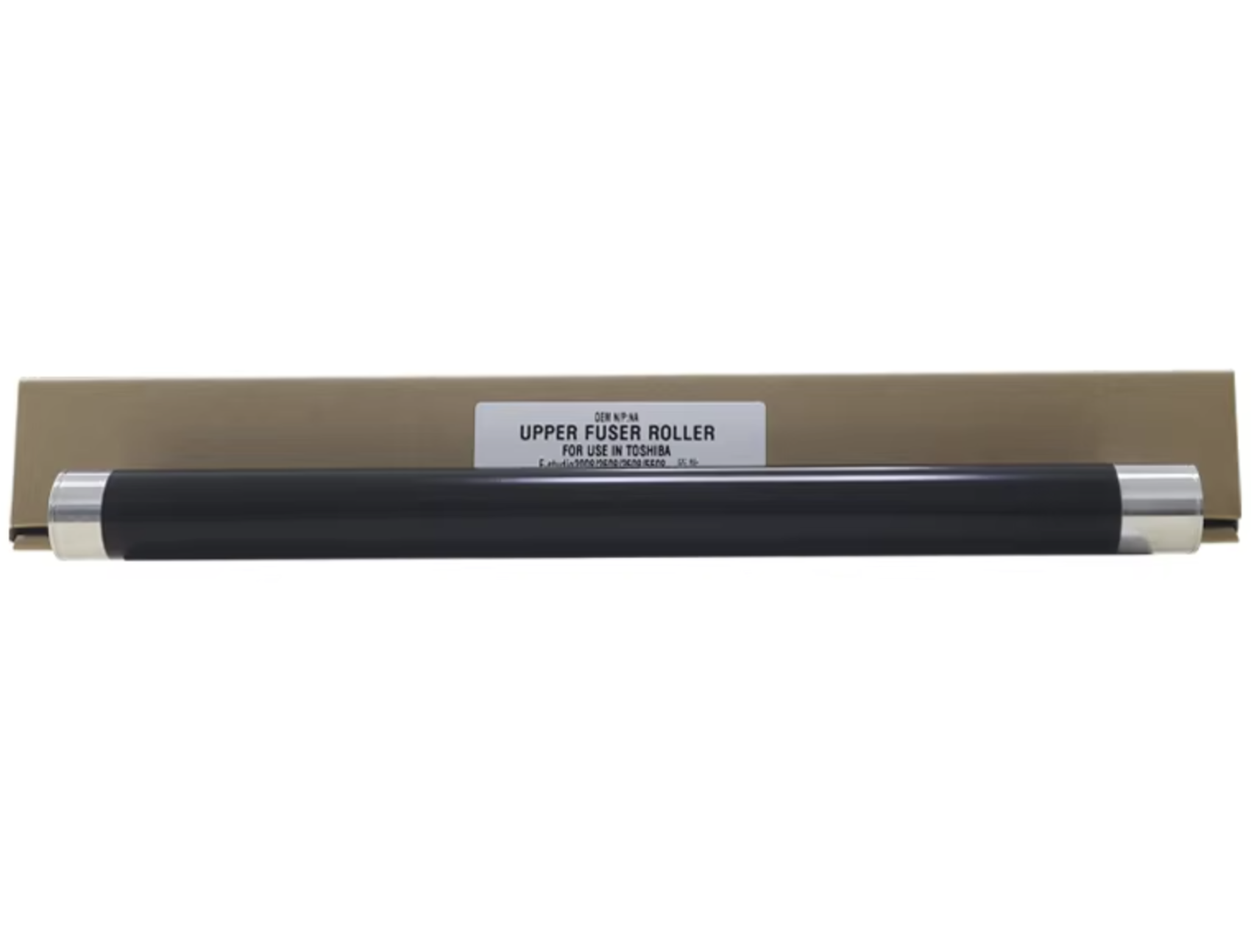
Impact on Toner Fixing Consistency and Document Quality
Temperature Uniformity and Toner Adhesion
Effective toner fixing requires precise temperature control and uniform heat distribution across the fusing zone where paper passes beneath the fuser roller. The fuser roller coating acts as a thermal buffer that smooths temperature variations inherent in the heating element itself, ensuring that paper experiences consistent thermal exposure regardless of its position relative to the underlying heating mechanism. When a fuser roller coating becomes worn or develops thin spots, temperature uniformity breaks down, resulting in partial toner fixing where some areas of the page bond permanently while others remain prone to smudging. This inconsistency appears as light patches, color shifts, or variable gloss levels across the printed document.
The thickness and composition of the fuser roller coating directly determine how effectively heat transfers from the internal heating element through the roller surface to the paper and toner layer. A fuser roller with an optimal coating thickness maintains a precise thermal gradient that melts toner particles completely without overheating paper fibers. If coating thickness is insufficient, the fuser roller loses thermal buffering capability, allowing temperature spikes that cause paper curling or toner carbonization. Conversely, an excessively thick fuser roller coating insulates the paper from necessary heat, leaving toner incompletely fused and susceptible to smudging.
Durability and Long-Term Print Quality Maintenance
The durability of a fuser roller coating determines how long the fusing system maintains consistent toner fixing performance before requiring replacement or refurbishment. Premium fuser roller coating formulations resist oxidation, mechanical wear from repeated paper contact, and chemical degradation from toner resin components that accumulate on the surface over extended operation. A robust fuser roller coating maintains its release properties and thermal characteristics across millions of impression cycles, ensuring that document quality remains stable throughout the entire lifespan of the copier module. Organizations relying on consistent, high-volume printing cannot afford frequent fuser roller replacement, making coating durability a critical factor in total cost of ownership calculations.
| Specification | Fluoropolymer (PTFE) | Silicon-Based | Hybrid |
| Material | PTFE | Silicone-based | PTFE + Silicone |
| Non-stick Properties | Excellent | Good | Excellent |
| Temperature Stability | Extreme | Moderate to High | Extreme |
| Heat Distribution | Requires element support | Uniform distribution | Uniform distribution |
| Surface Elasticity | Low | High | High |
| Chemical Resistance | Excellent | Moderate | Excellent |
| Paper Thickness Adaptation | Limited | Excellent | Excellent |
| Surface Stability | Long-term stable | Degrades over time | Long-term stable |
| Operational Life | Millions of cycles | Affected by environment | Millions of cycles |
| Lifespan | 300,000-500,000 cycles | 300,000-500,000 cycles | 300,000-500,000 cycles |
| Humidity Sensitivity | Standard levels OK | Sensitive to high humidity | Standard levels OK |
| Temperature Sensitivity | Standard levels OK | Accelerates aging | Standard levels OK |
| Dust Sensitivity | Standard levels OK | Interferes with heat transfer | Standard levels OK |
| Maintenance | Regular inspection required | Regular inspection required | Regular inspection required |
| Cleaning Method | Manufacturer-approved | Manufacturer-approved | Manufacturer-approved |
| Repair Option | Can be refurbished | Can be refurbished | Can be refurbished |
Maintenance Practices for Preserving Fuser Roller Coating Integrity
Cleaning Protocols and Preventive Care
Proper maintenance of the fuser roller coating requires establishing appropriate cleaning schedules and using compatible cleaning materials that do not damage the coating surface. Toner residue, carrier oil particles, and paper debris accumulate on the fuser roller over time, forming a layer that insulates the coating and degrades its release properties. Most manufacturers recommend automated cleaning cycles that activate during idle periods, using specialized cleaning sheets that gently remove surface contaminants without abrading the underlying fuser roller coating. Manual cleaning of the fuser roller should only occur with manufacturer-approved procedures and materials, as aggressive scrubbing or incompatible solvents can permanently damage the coating and reduce the remaining lifespan of the component.
Regular inspection of the fuser roller coating condition helps identify wear patterns before they cause noticeable print quality degradation. Technicians should monitor for visible coating damage, uneven wear patterns, or discoloration that indicates chemical attack or thermal stress. Addressing coating deterioration early through preventive replacement of worn fuser roller modules prevents cascading equipment failures that require expensive repairs. Organizations should schedule fuser roller inspection as part of routine preventive maintenance programs, tracking coating condition against manufacturer specifications to determine optimal replacement intervals for their specific printing volume and usage patterns.
Environmental Factors and Operating Conditions
Environmental conditions surrounding the copier equipment significantly influence how quickly the fuser roller coating degrades and how effectively it maintains toner fixing performance. Excessive humidity can cause moisture absorption in the paper, affecting how uniformly toner bonds during the fusing process and placing additional thermal stress on the fuser roller coating. High ambient temperatures increase the overall thermal load on the fusing system, accelerating aging of the fuser roller coating and potentially reducing its remaining operational life. Conversely, inadequate humidity levels cause paper to dry out excessively, requiring higher fusing temperatures and placing greater thermal demands on the fuser roller coating system.
Dust and particulate contamination in the environment surrounding the copier can settle on the fuser roller, interfering with proper heat transfer and accelerating surface degradation. Organizations operating in manufacturing facilities, construction environments, or other dusty settings should implement additional air filtration measures and increase fuser roller inspection frequency. Using paper with appropriate moisture content and surface properties also protects the fuser roller coating by reducing mechanical stress during the nip zone where paper compresses between the fuser roller and pressure roller. Optimizing these environmental and operational factors extends fuser roller coating lifespan while maintaining consistent toner fixing quality.
FAQ
What coating material works best for consistent toner fixing?
Fluoropolymer-based fuser roller coatings provide excellent non-stick properties and thermal stability, making them the industry standard for reliable toner fixing performance. Hybrid coatings combining fluoropolymer and silicone offer superior thermal distribution and flexibility, particularly for high-volume printing environments where uniform toner melting across diverse paper types is critical. The optimal fuser roller coating choice depends on specific machine design, printing volume, and document requirements, with manufacturers typically specifying recommended coating formulations for their equipment.
How often should the fuser roller coating be inspected or replaced?
Inspection frequency for the fuser roller coating depends on printing volume, with moderate-use environments typically requiring quarterly checks and high-volume facilities needing monthly inspections. Most fuser roller components require replacement after 300,000 to 500,000 impression cycles, though coating condition should guide replacement decisions rather than calendar schedules alone. Visible wear, uneven coating loss, or persistent toner fixing problems indicate that fuser roller replacement is necessary to restore print quality and prevent additional equipment damage.
Can a damaged fuser roller coating be repaired instead of replaced?
In most cases, damaged fuser roller coating cannot be effectively repaired through field maintenance, and replacement is the appropriate solution for restoring print quality. Some service providers offer fuser roller refurbishment services that strip old coating and apply fresh coating material, which can extend component lifespan at lower cost than purchasing new units. However, refurbished fuser roller components must meet strict coating thickness and uniformity standards to ensure reliable toner fixing performance, making refurbishment practical only when performed by qualified manufacturers or certified service centers.