fuser unit for printer copier factory price
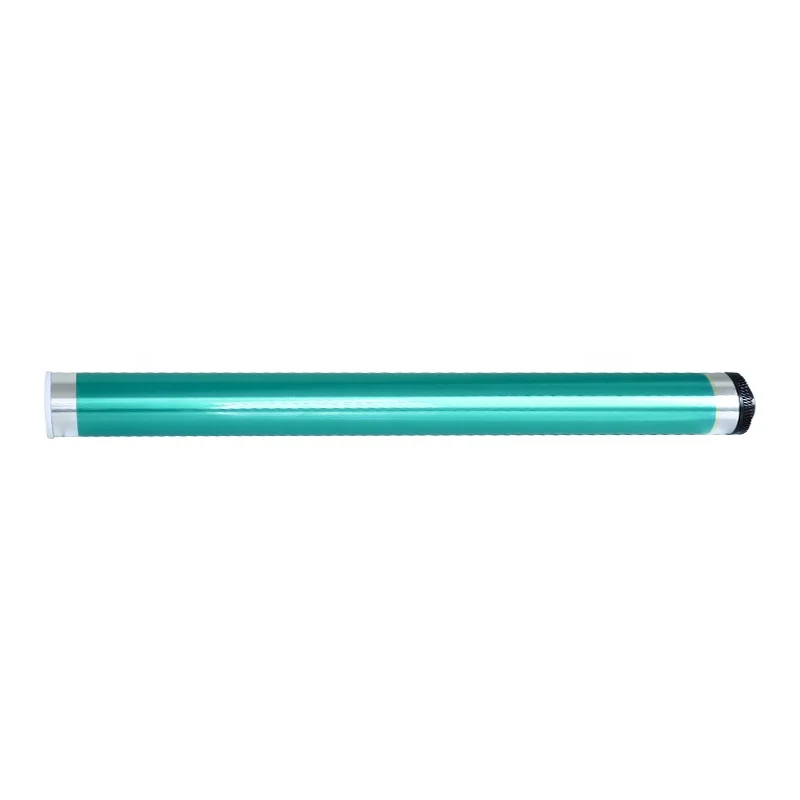
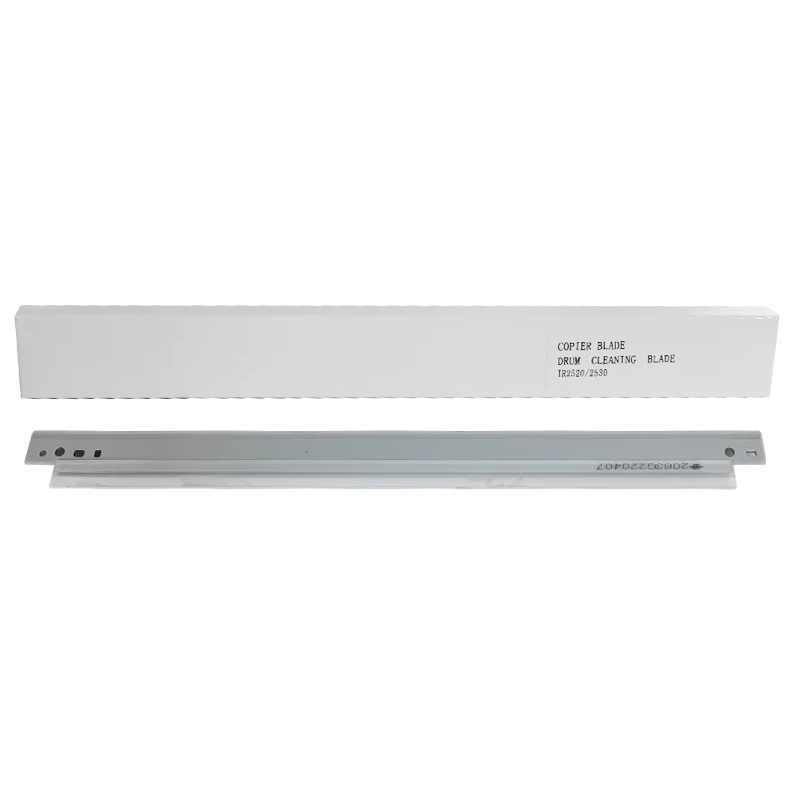
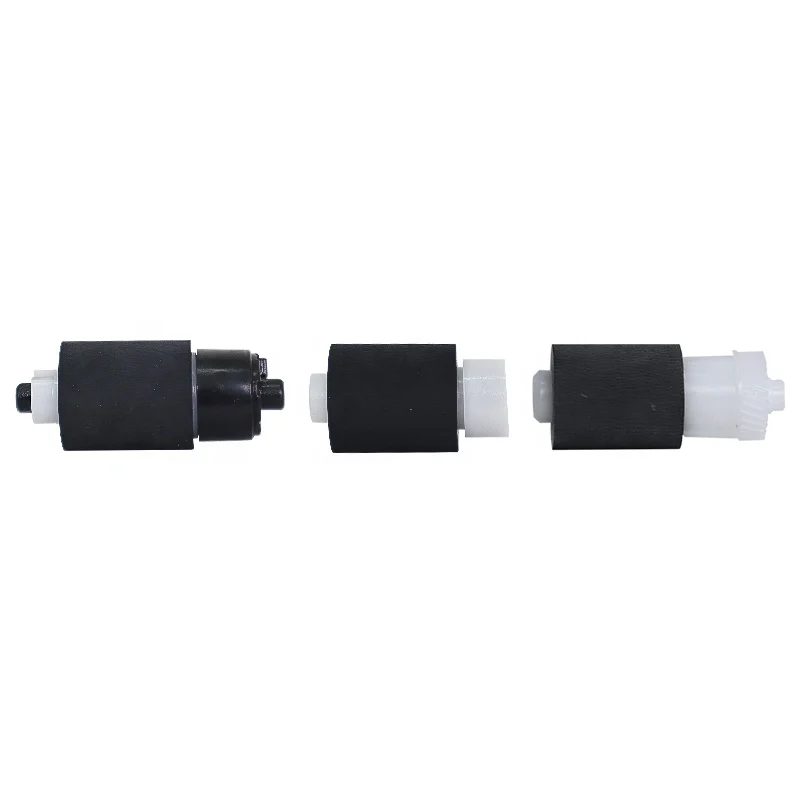
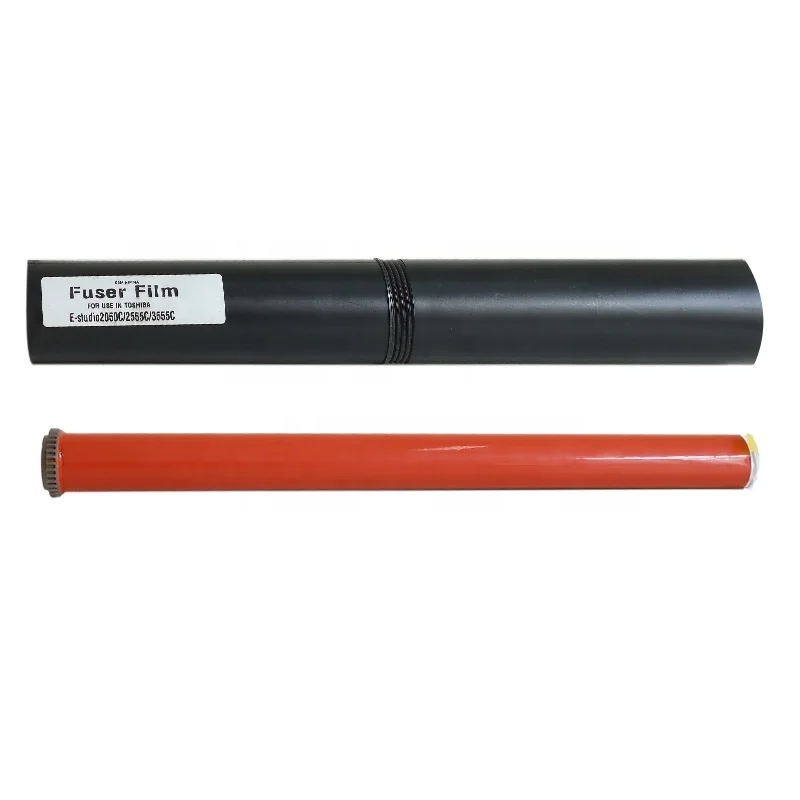
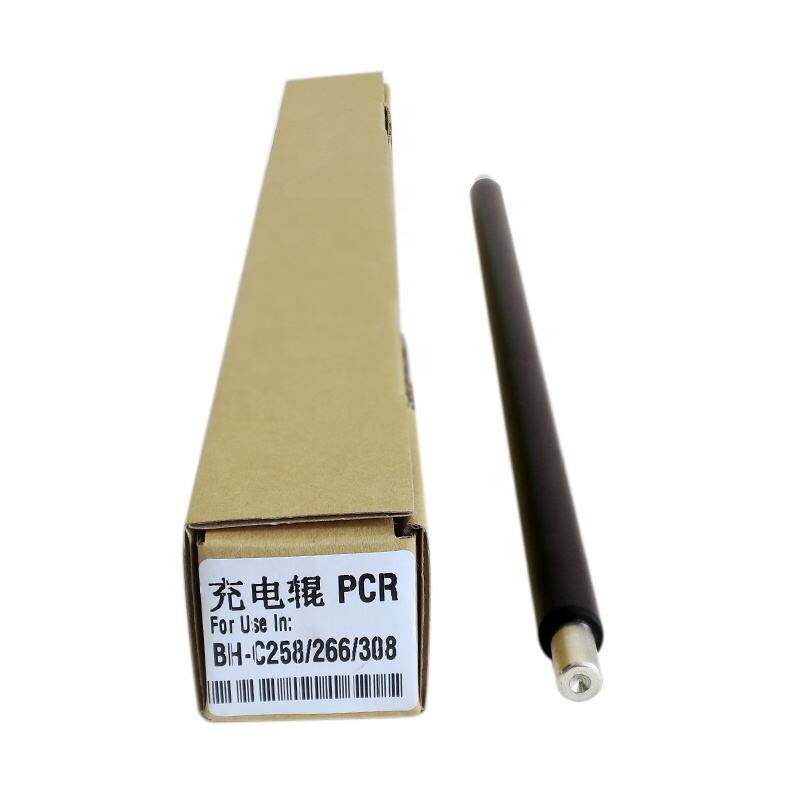
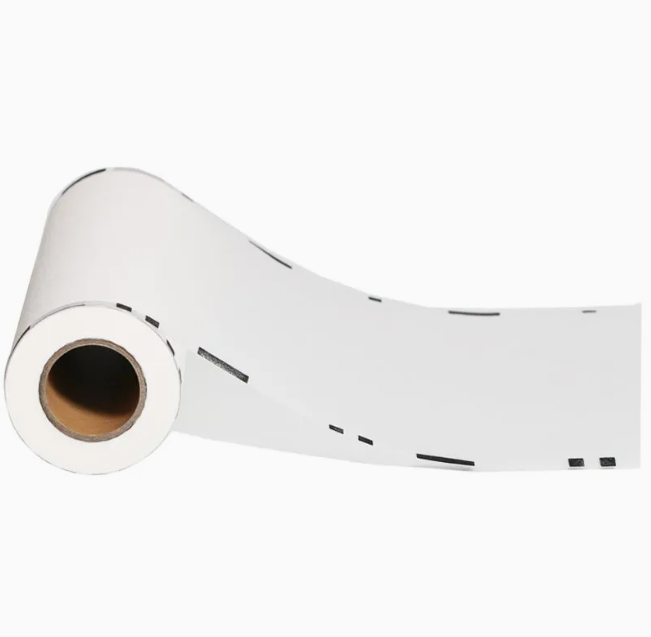
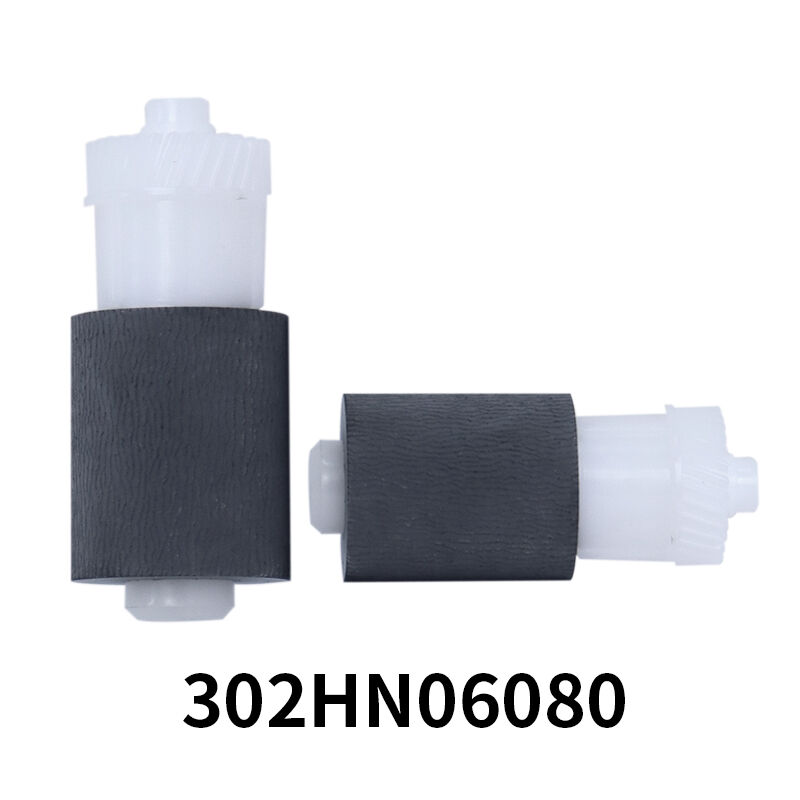
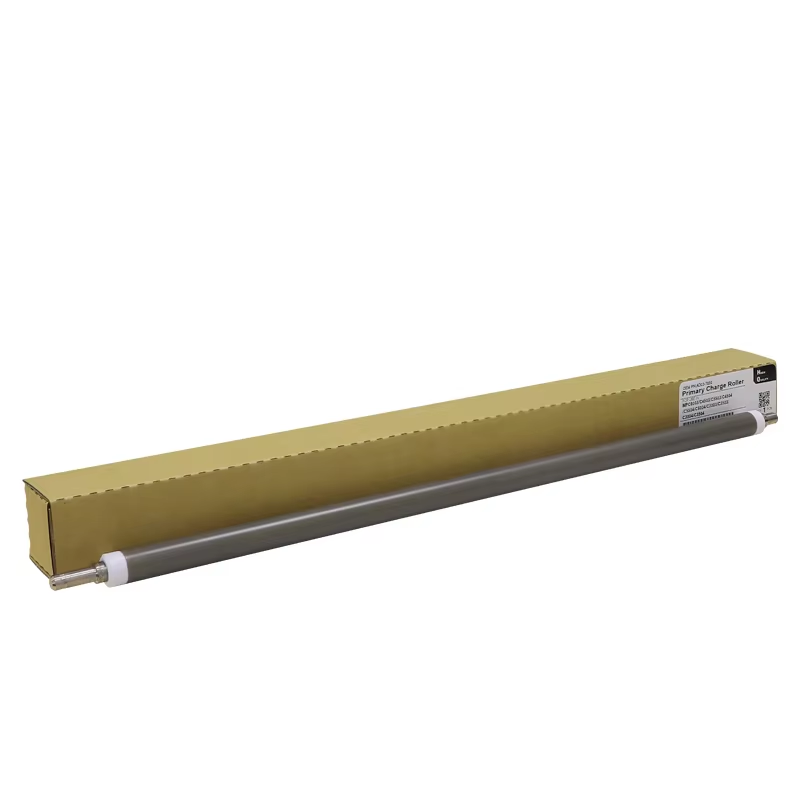
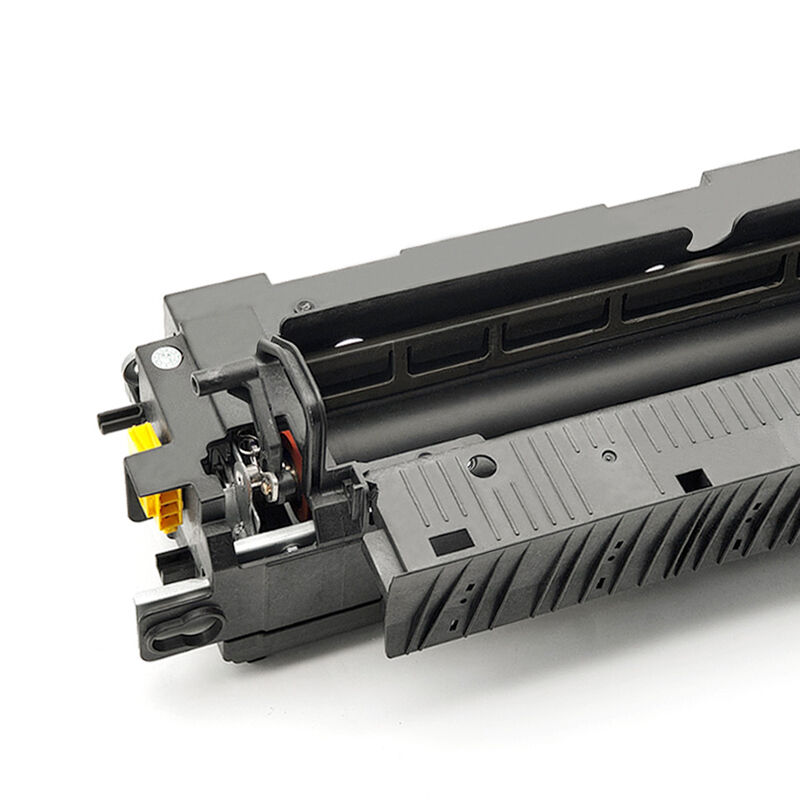
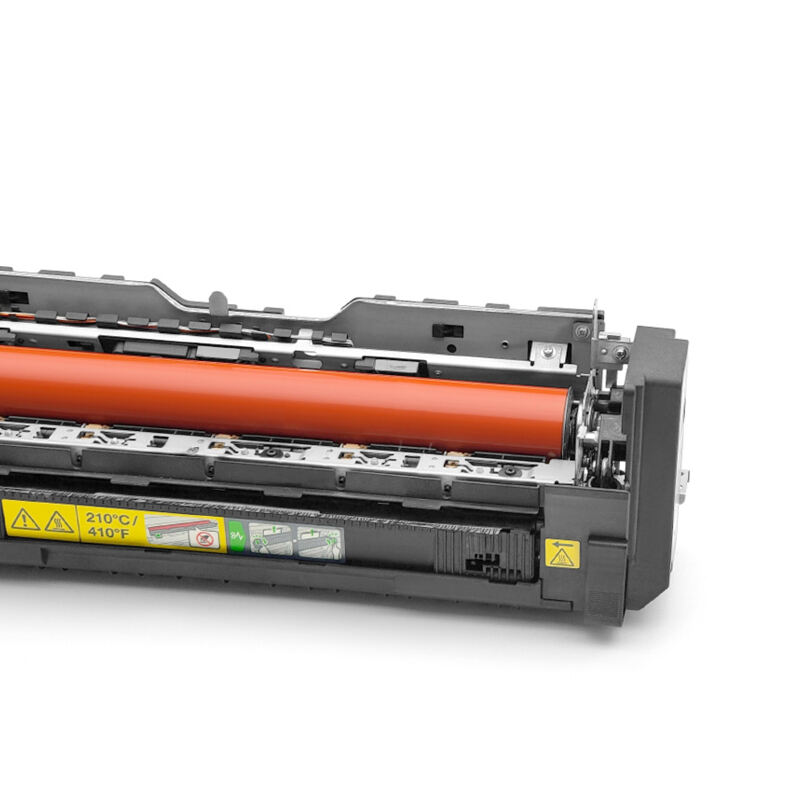
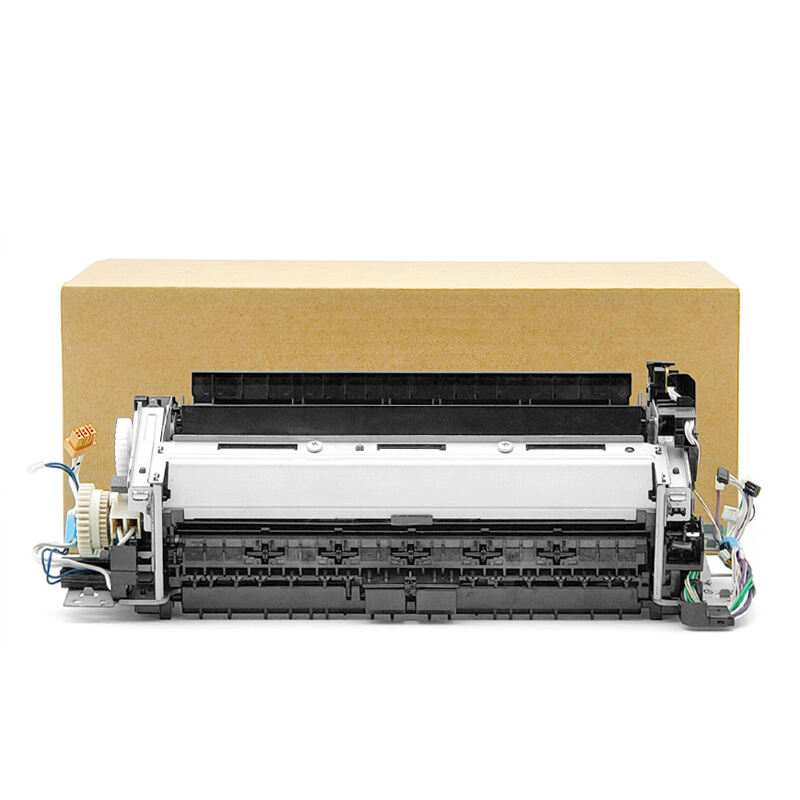
The fuser unit for printer copier factory price represents a critical component in modern printing and copying equipment that directly impacts output quality and operational efficiency. This essential thermal assembly works by applying heat and pressure to bond toner particles permanently onto paper surfaces, creating durable and professional-quality prints. Understanding the fuser unit for printer copier factory price becomes crucial when sourcing replacement parts or building new equipment, as this component significantly influences both initial investment costs and long-term maintenance expenses. The primary function of this device involves heating elements that reach optimal temperatures, typically between 180 to 200 degrees Celsius, while pressure rollers ensure uniform toner adhesion across various paper types and weights. Manufacturers design these units with advanced temperature control systems that maintain consistent heat distribution, preventing common printing defects such as toner smudging, incomplete fusing, or paper jamming. The technological features integrated into contemporary fuser units include ceramic heating elements that offer rapid warm-up times, reducing first-print delays and energy consumption during standby periods. Many models incorporate intelligent sensors that automatically adjust temperature and pressure settings based on paper thickness and type, ensuring optimal results whether processing standard office paper, cardstock, envelopes, or specialty media. The fuser unit for printer copier factory price varies depending on compatibility requirements, production capacity, and technological sophistication, making it essential for buyers to evaluate their specific operational needs against available options. Applications for these components span diverse environments including corporate offices, educational institutions, print shops, government facilities, and commercial printing operations. The durability and reliability of fuser assemblies directly affect printer uptime and productivity, making quality considerations paramount when evaluating factory price offerings. Modern designs emphasize user-friendly maintenance features, allowing technicians to replace worn components quickly without specialized tools or extensive training, thereby minimizing equipment downtime and service costs.
 EN
EN