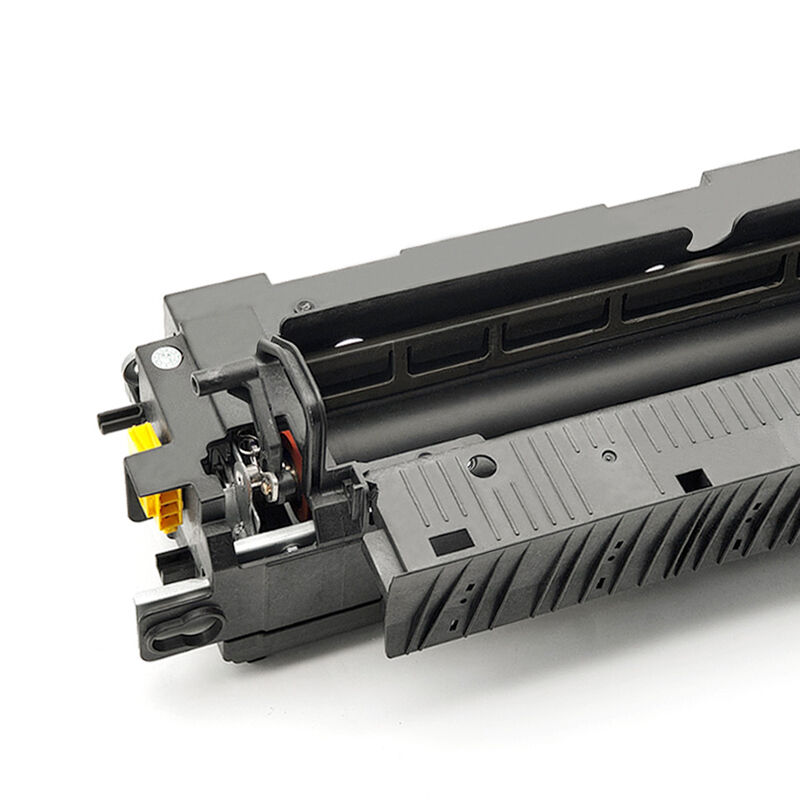
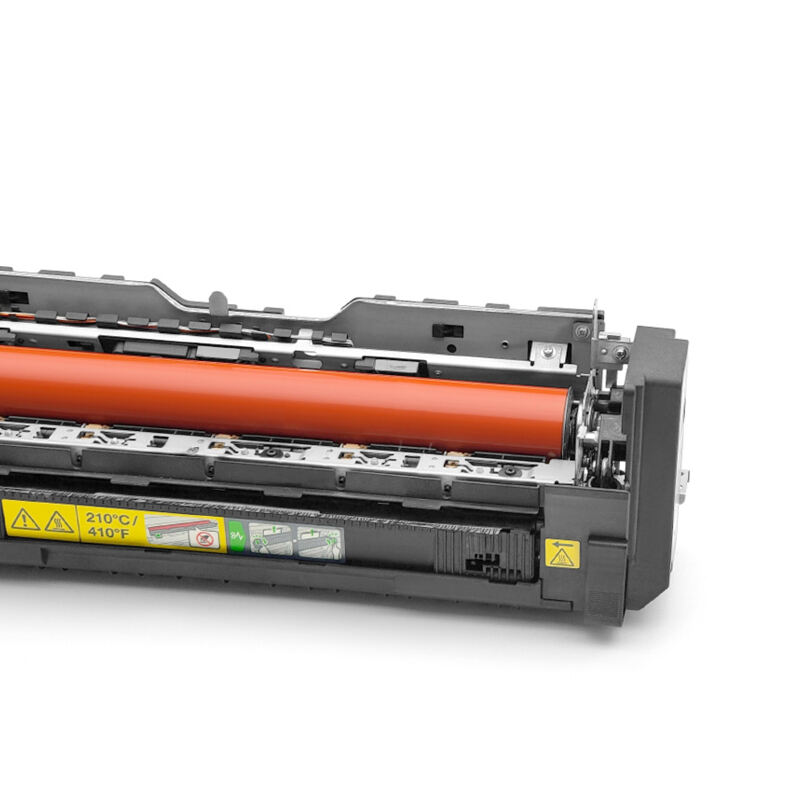
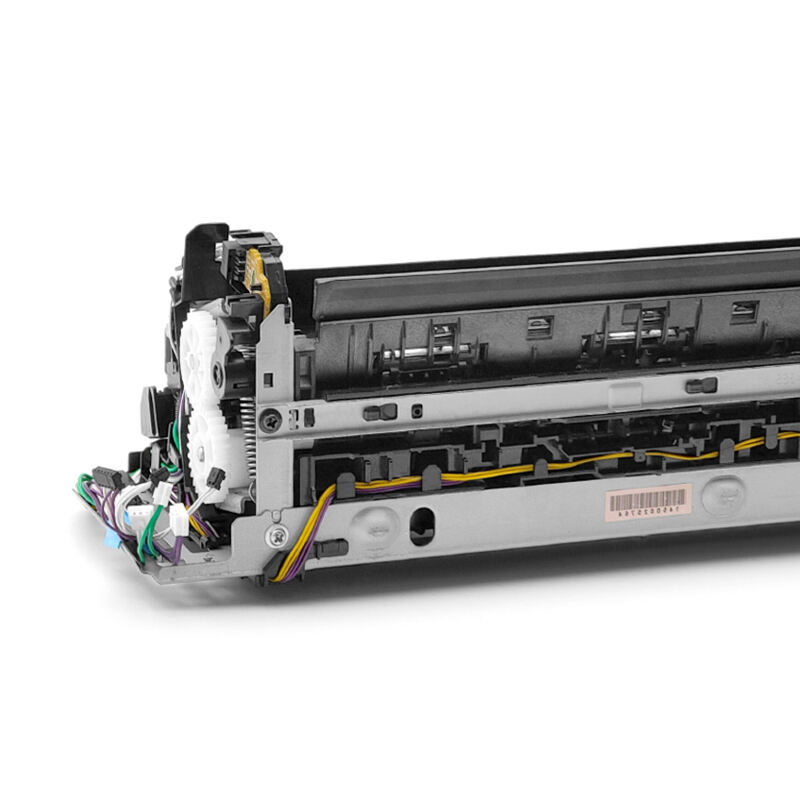
fuser kit for printer
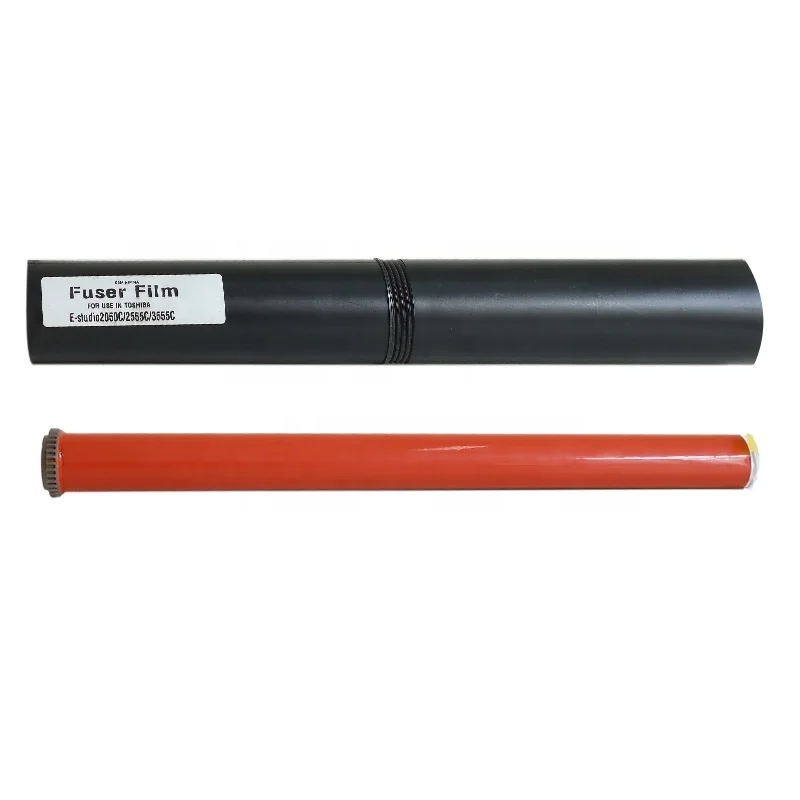
A fuser kit for printer represents an essential component in laser printing technology that permanently bonds toner particles to paper through controlled heat and pressure application. This critical assembly comprises multiple parts including heating elements, pressure rollers, thermistors, and fusing film sleeves that work together to create professional-quality printed documents. The primary function of a fuser kit for printer involves heating toner powder to approximately 180-220 degrees Celsius, melting it into the paper fibers to produce smudge-resistant, durable prints. Modern fuser kit for printer designs incorporate advanced thermal management systems that maintain consistent temperature throughout the printing process, ensuring uniform quality across every page. The technological sophistication of a fuser kit for printer extends beyond simple heating mechanisms to include intelligent sensors that monitor temperature fluctuations, adjust heating intensity based on paper types, and prevent overheating that could damage both the printer and printed materials. These assemblies typically feature quick warm-up capabilities that reduce initial printing delays while maintaining energy efficiency during extended operation. The fuser kit for printer serves as the final stage in laser printing, transforming loose toner particles into permanent images and text. Applications span across various industries including corporate offices, educational institutions, medical facilities, legal firms, and commercial printing operations. The component typically requires replacement after processing between 50,000 to 200,000 pages depending on printer model and usage patterns. Quality fuser kit for printer assemblies deliver consistent performance characteristics including even heat distribution, minimal paper jams, reduced maintenance requirements, and extended operational lifespan. Understanding the role and functionality of this component helps users maintain optimal printer performance, recognize when replacement becomes necessary, and select appropriate replacement parts that match their specific printing requirements and volume demands.
 EN
EN