Premium Fuser Assembly Unit Solutions - High-Performance Printing Components

Get a Free Quote

Our representative will contact you soon.
Email
Mobile
Whatsapp or Wechat ID
Company Name
Name
Message
0/1000

fuser assembly unit

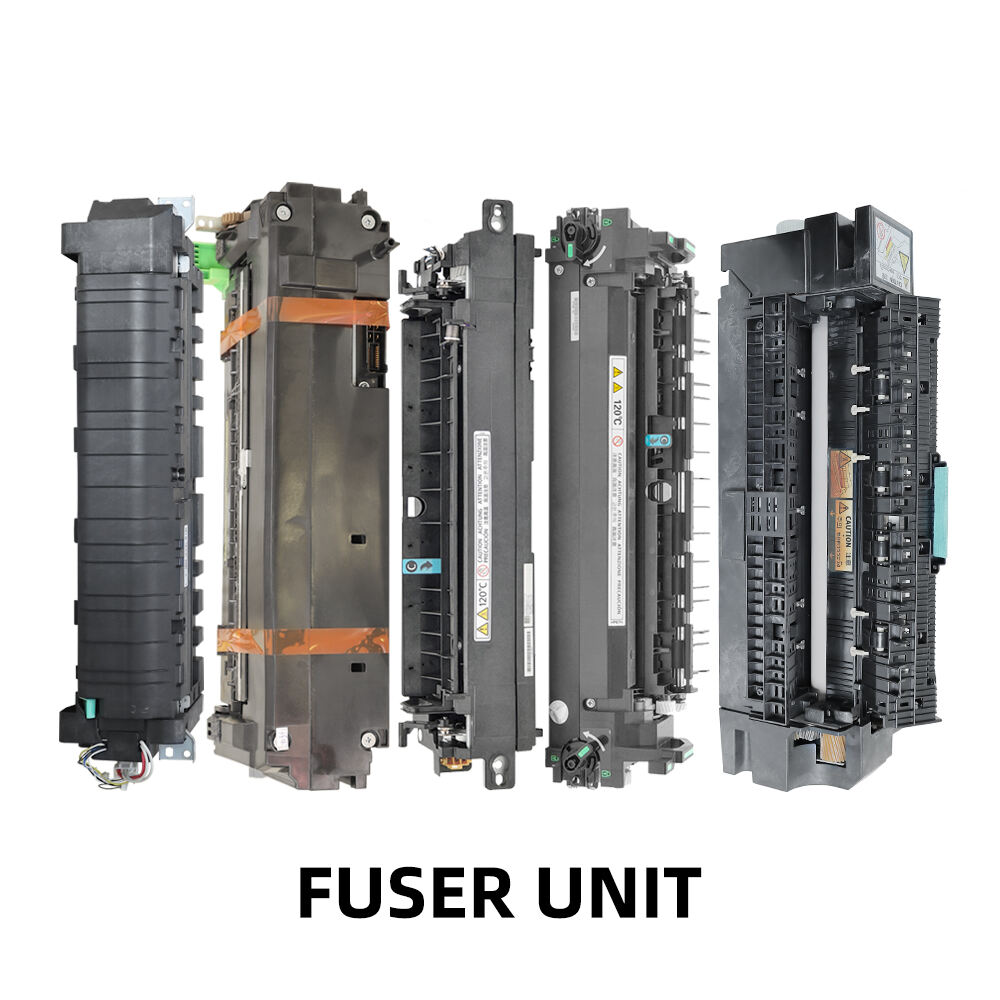
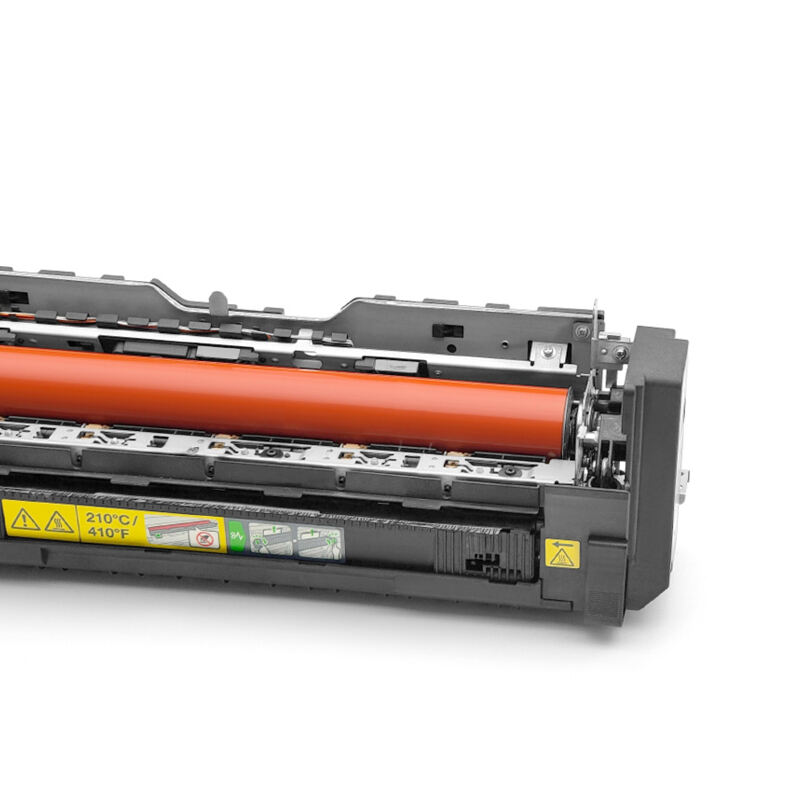
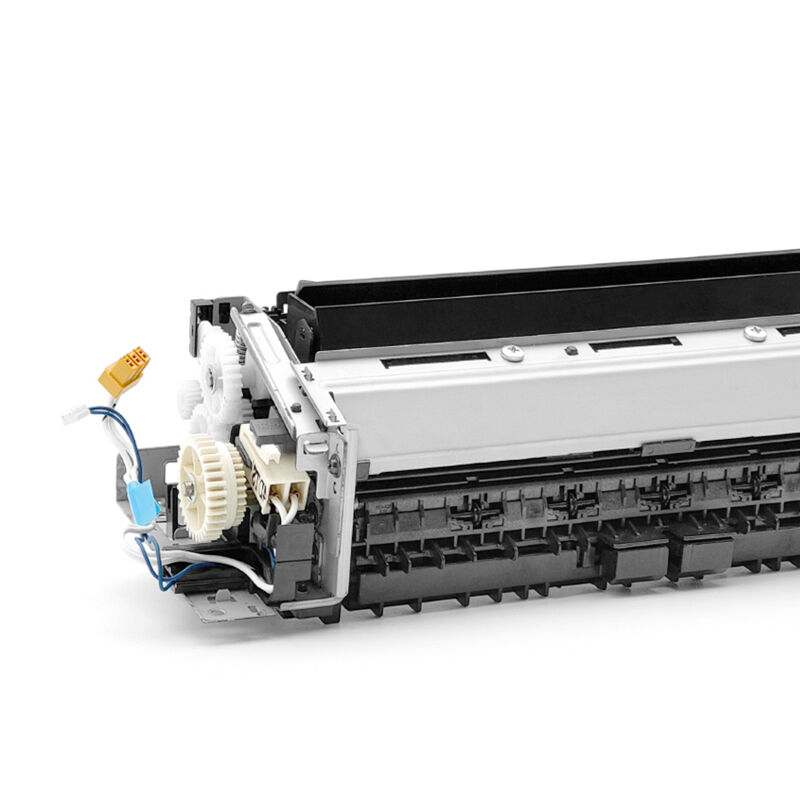
The fuser assembly unit represents a critical component in laser printing technology, serving as the final stage in the document production process. This sophisticated mechanism operates by applying heat and pressure to bond toner particles permanently onto paper surfaces, transforming loose powder into durable, professional-quality prints. Understanding the fuser assembly unit requires recognizing its essential role in converting digital information into tangible documents that resist smudging and maintain clarity over time. Modern fuser assembly units incorporate advanced heating elements, typically utilizing ceramic or halogen-based technologies that reach optimal temperatures between 180 and 200 degrees Celsius within seconds of printer activation. The component consists of several integrated parts working harmoniously: a heated roller that applies direct thermal energy, a pressure roller that ensures even distribution of force across the paper surface, a thermistor for precise temperature monitoring, and a cleaning mechanism that prevents toner buildup. This assembly integrates seamlessly with the printer's overall architecture, receiving freshly toned paper from the imaging drum and delivering finished output ready for immediate handling. The technological features embedded within contemporary fuser assembly units demonstrate remarkable engineering achievements, including energy-efficient quick-start capabilities that minimize warm-up periods, temperature regulation systems that adapt to different paper weights and types, and durable construction materials designed to withstand hundreds of thousands of printing cycles. Applications span diverse professional environments, from corporate offices processing high-volume document workflows to educational institutions producing instructional materials, medical facilities generating patient records, and creative studios crafting marketing collateral. The versatility of the fuser assembly unit enables reliable performance across various media types, accommodating standard office paper, cardstock, envelopes, labels, and specialty materials. Its consistent operation directly impacts print quality, productivity rates, and operational costs, making it an indispensable element in organizations dependent on reliable document production capabilities throughout their daily operations.

Popular Products

Choosing a quality fuser assembly unit delivers tangible benefits that directly impact your printing operations and bottom line. First and foremost, reliable fusing technology ensures every document exits your printer with crisp, permanent text and images that won't smear when handled immediately, eliminating the frustration of ruined presentations or smudged reports. This reliability translates into confidence when preparing time-sensitive materials, knowing your output will meet professional standards consistently. Energy efficiency stands as another compelling advantage, with modern units designed to minimize power consumption during both active printing and standby modes. This thoughtful engineering reduces your electricity expenses while supporting environmental sustainability goals, allowing you to print responsibly without compromising performance. The quick warm-up capability means you spend less time waiting and more time accomplishing tasks, as contemporary fuser assembly units reach operating temperature in mere seconds rather than minutes. This responsiveness proves especially valuable in busy office settings where multiple users need immediate access to printing capabilities throughout the workday. Durability represents a significant practical benefit, as well-engineered units maintain consistent performance across extended service lives, often processing hundreds of thousands of pages before requiring replacement. This longevity reduces maintenance frequency and associated costs, minimizing workflow interruptions that occur when components fail unexpectedly. The compatibility with various paper types and weights provides operational flexibility, enabling you to handle diverse printing projects without equipment limitations constraining your creative or functional options. Whether printing on standard copy paper, producing presentations on heavier stock, or creating labels for organizational needs, the fuser assembly unit adapts to accommodate your requirements seamlessly. Temperature precision ensures optimal results across different materials, automatically adjusting heat application to prevent paper curling, toner offset, or incomplete bonding that compromise print quality. Consistent output quality strengthens your professional image, as every document reflects attention to detail and organizational competence. Reduced waste represents another practical advantage, since reliable fusing minimizes reprints caused by quality defects, conserving both materials and time. The straightforward integration with existing printer systems means upgrades or replacements proceed smoothly without requiring extensive technical expertise or prolonged downtime. Quick installation processes allow you to restore printing capabilities rapidly, maintaining productivity levels essential for business continuity. The cost-effectiveness extends beyond initial purchase price, encompassing total ownership expenses including energy consumption, maintenance requirements, and consumable longevity. Investing in superior fusing technology delivers returns through enhanced reliability, reduced operating costs, and sustained performance that supports organizational productivity goals effectively over extended operational periods.

Tips And Tricks

Why is ink quality crucial for a duplicator?

07

Jan

Why is ink quality crucial for a duplicator?

When operating high-volume printing equipment, understanding the critical importance of duplicator ink quality becomes essential for maintaining optimal performance and achieving professional results. The quality of ink used in duplicators directly i...
View More
What Are the Common Issues Caused by Worn-Out Pickup Rollers and How to Fix Them?

12

Feb

What Are the Common Issues Caused by Worn-Out Pickup Rollers and How to Fix Them?

Office equipment performance directly impacts workplace productivity, and one component that frequently causes operational disruptions is the pickup roller. These essential mechanisms serve as the critical interface between paper stacks and internal ...
View More
How Do Pickup Rollers Affect the Speed and Accuracy of Paper Feeds in Your Printer?

12

Feb

How Do Pickup Rollers Affect the Speed and Accuracy of Paper Feeds in Your Printer?

Modern printing environments depend heavily on the seamless operation of every component within a printer system. Among the most critical yet often overlooked components are pickup rollers, which serve as the primary mechanism for initiating paper mo...
View More
How Does the Quality of Printer Toner Powder Affect Your Printouts?

05

Mar

How Does the Quality of Printer Toner Powder Affect Your Printouts?

The quality of your printed documents directly correlates with the printer toner powder used in your printing equipment. Whether you're producing marketing materials, important business documents, or everyday office paperwork, the composition and man...
View More

Get a Free Quote

Our representative will contact you soon.
Email
Mobile
Whatsapp or Wechat ID
Company Name
Name
Message
0/1000

fuser assembly unit

Advanced Thermal Management Technology for Consistent Performance

Advanced Thermal Management Technology for Consistent Performance

The thermal management capabilities embedded within premium fuser assembly units represent a breakthrough in printing reliability and efficiency that directly benefits end users through consistent, high-quality output. At the core of this technology lies sophisticated temperature regulation systems that maintain precise heat levels throughout extended printing sessions, preventing the fluctuations that cause common print defects such as incomplete toner bonding, image ghosting, or paper jams. These intelligent systems continuously monitor thermal conditions through multiple sensors positioned strategically throughout the assembly, gathering real-time data that feeds into microprocessor-controlled adjustment mechanisms. When processing different media types, the system automatically modifies heat application intensity and duration to match specific requirements, ensuring lightweight paper receives gentler treatment that prevents curling while heavier cardstock gets sufficient thermal energy for complete toner adhesion. This adaptive functionality eliminates the guesswork traditionally associated with specialty media printing, empowering users to switch between paper types confidently without manual adjustments or test prints. The rapid heat-up technology incorporated into modern fuser assembly units addresses one of the most common user frustrations in printing environments: waiting for equipment readiness. By employing advanced ceramic heating elements or optimized halogen lamp configurations, these units reach operational temperature in as little as ten seconds from cold start, dramatically reducing the delay between print command and finished output. This responsiveness proves particularly valuable in shared office environments where multiple users need sporadic printing access throughout the day, as the equipment remains ready to deliver immediate results rather than forcing workflow interruptions. The energy efficiency achieved through intelligent thermal management extends beyond environmental considerations to deliver measurable cost savings on utility expenses, as the system minimizes power draw during both active operation and standby periods. Smart algorithms determine optimal temperature maintenance strategies based on usage patterns, reducing unnecessary heating cycles while ensuring rapid availability when printing demands arise. The longevity benefits of precise thermal control cannot be overstated, as excessive heat represents a primary cause of premature component degradation in printing equipment. By maintaining temperatures within ideal ranges and avoiding thermal stress from overheating or rapid cycling, the fuser assembly unit extends its operational lifespan significantly, reducing replacement frequency and associated expenses while maintaining consistent output quality throughout its extended service life.
Robust Construction Engineering for Maximum Durability

Robust Construction Engineering for Maximum Durability

The structural engineering behind professional-grade fuser assembly units demonstrates meticulous attention to durability that translates directly into reduced ownership costs and uninterrupted operational reliability. Manufacturers select materials based on rigorous performance criteria, choosing components that withstand the demanding conditions inherent in high-volume printing environments. The heated roller, which experiences continuous thermal stress and mechanical friction, typically features a metal core with specialized surface coatings designed to resist wear while maintaining optimal heat transfer properties. These coatings prevent toner adhesion that would compromise print quality and require frequent cleaning interventions, keeping maintenance requirements minimal even after processing hundreds of thousands of impressions. The pressure roller counterpart employs carefully formulated elastomer materials that maintain consistent firmness across temperature variations and prolonged use, ensuring even pressure distribution that produces uniform print quality from the first page to the last in every print run. The bearings supporting these rotating elements receive particular engineering focus, incorporating sealed designs that exclude paper dust and toner particles while retaining lubrication for smooth, quiet operation throughout the assembly's service life. The housing structure provides both mechanical support and thermal insulation, protecting surrounding printer components from heat exposure while maintaining dimensional stability under operating conditions. This robust framework prevents the misalignment issues that cause streaking, uneven density, or paper feeding problems in lesser assemblies. The electrical connections and control circuitry integrate with protective measures against voltage fluctuations and thermal extremes, ensuring reliable operation even in challenging environmental conditions or inconsistent power supply situations. Quality manufacturing processes guarantee precise component tolerances that enable proper interaction between moving parts, minimizing vibration and wear while maximizing energy transfer efficiency. The cleaning mechanisms incorporated into the design automatically remove residual toner and paper fibers that would otherwise accumulate and cause maintenance issues, extending service intervals and reducing hands-on attention requirements. This self-maintaining capability proves especially valuable in busy office settings where technical support resources may be limited or printing demands cannot accommodate extended downtime for maintenance procedures. The modular design philosophy adopted by leading manufacturers facilitates efficient replacement when service eventually becomes necessary, allowing quick component swapping that minimizes equipment unavailability. Clear access points and tool-free removal mechanisms enable even non-technical personnel to perform replacements following straightforward instructions, reducing dependency on specialized service providers and associated costs. The comprehensive testing protocols applied during manufacturing ensure each fuser assembly unit meets stringent performance standards before leaving the factory, providing users with confidence in long-term reliability that supports critical business operations.
Universal Compatibility and Seamless Integration Benefits

Universal Compatibility and Seamless Integration Benefits

The compatibility characteristics of well-engineered fuser assembly units deliver significant practical advantages by ensuring seamless integration with existing printing infrastructure while accommodating diverse operational requirements. Modern designs embrace standardized mounting configurations and electrical interfaces that align with established printer architectures, enabling straightforward replacement procedures that restore functionality quickly when service becomes necessary. This standardization reduces the technical complexity associated with maintenance activities, allowing organizations to manage printer fleets efficiently without maintaining extensive inventories of model-specific components or requiring specialized technical expertise for routine service tasks. The plug-and-play functionality incorporated into contemporary fuser assembly units means installation typically requires only basic mechanical steps without complicated calibration procedures or software configuration, minimizing the time equipment remains offline during replacement operations. This user-friendly approach empowers office administrators or general maintenance personnel to handle component swaps independently, eliminating delays associated with scheduling external service providers and reducing operational expenses related to technical support. The media handling versatility built into quality fuser assembly units addresses real-world printing diversity by accommodating paper weights ranging from lightweight 16-pound stock through heavy 110-pound cardstock, along with specialty materials including labels, envelopes, and textured papers. This broad compatibility eliminates the equipment limitations that force organizations to outsource specialty printing jobs or maintain multiple devices for different material types, consolidating capabilities into single platforms that simplify workflows and reduce capital expenditures. The intelligent sensing capabilities detect paper characteristics automatically, adjusting operational parameters to deliver optimal results without user intervention or trial-and-error experimentation. This automation proves particularly valuable when processing mixed media jobs or when multiple users with varying requirements share equipment, as the fuser assembly unit adapts transparently to each document's specific needs. The dimensional flexibility accommodates various page sizes from compact statement formats through oversized legal and tabloid dimensions, supporting diverse business requirements within a single printing platform. The thermal capacity scales effectively across different print volumes, maintaining consistent performance whether processing occasional single-page documents or sustained production runs of hundreds of pages continuously. This scalability ensures the fuser assembly unit never becomes a bottleneck in document workflows regardless of demand fluctuations throughout the business cycle. The cross-brand compatibility offered by aftermarket fuser assembly units provides procurement flexibility and potential cost advantages, allowing organizations to source replacement components from multiple suppliers while maintaining performance standards. This competitive marketplace benefits customers through pricing pressure and innovation incentives that drive continuous improvement in quality, reliability, and feature sets. The environmental considerations addressed through modern engineering include reduced energy consumption, extended operational lifespans that minimize disposal frequency, and recyclable materials selection that supports sustainability initiatives without compromising performance capabilities.
Email Email WhatsApp WhatsApp
WhatsApp
WeChat WeChat
WeChat
Facebook Facebook TopTop

Get a Free Quote

Our representative will contact you soon.
Email
Mobile
Whatsapp or Wechat ID
Company Name
Name
Message
0/1000