 EN
EN


Before committing to large-scale printing ink purchases, savvy procurement managers understand that testing printing ink drying time is not optional—it's a critical business safeguard. The speed at which ink dries on paper, film, or substrate directly impacts production throughput, final output quality, and operational costs across your entire print shop. Without pre-purchase evaluation, buyers risk ordering ink that either dries too slowly, causing smudging and production delays, or dries too quickly, leading to clogged nozzles and equipment damage. This seemingly simple parameter can determine the success or failure of your bulk ink investment.
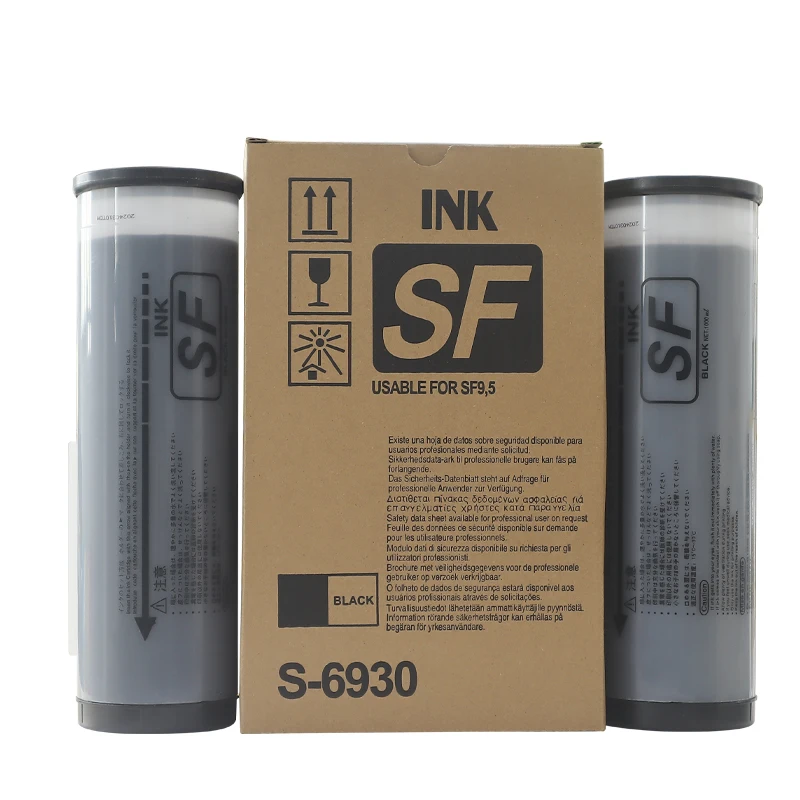
Testing printing ink drying time before placing bulk orders is a fundamental quality control practice that protects your manufacturing operation from hidden risks and unexpected downtime. When you evaluate ink performance at small scale first, you gain actionable data that prevents costly mistakes, ensures compatibility with your equipment, and validates that the ink meets your production speed requirements. This article explores why printing ink drying time testing is essential, how it affects your operations, and what real-world consequences unfold when buyers skip this critical step.
Understanding Printing Ink Drying Time and Its Business Impact
How Drying Time Directly Affects Production Speed
The printing ink drying time determines how quickly substrates can move through your press without smudging or offsetting. If your printing ink drying time is too long, sheets must stack and wait, slowing throughput and bottlenecking your entire workflow. Conversely, ink that dries too fast may cause spray-on coatings to harden before proper ink application, creating gaps and poor color coverage. Testing printing ink drying time on your specific equipment reveals whether the ink aligns with your target production speed—whether you run 100 sheets per minute or 1,000. Without this knowledge, bulk orders become a gamble that can either optimize or sabotage your daily output targets.
Quality and Consistency Across Large Print Runs
Bulk ink orders often come from different batches or manufacturers, and printing ink drying time can vary significantly between production runs. Testing a sample batch ensures that printing ink drying time remains consistent across the entire bulk quantity you're about to purchase. When drying times drift outside acceptable ranges, color shifting, uneven curing, and print defects multiply across thousands of units. Print buyers who validate printing ink drying time before bulk commitment protect themselves against receiving substandard stock that wastes substrate, labor hours, and customer trust. One off-spec bulk shipment can damage relationships with end clients who receive smudged or poorly finished products.
Core Reasons Buyers Test Printing Ink Drying Time Before Bulk Orders
Risk Mitigation and Equipment Compatibility
Different printing systems—whether digital presses, offset machines, or industrial duplicators—have unique drying mechanisms and substrate feed speeds. Testing printing ink drying time ensures the ink you select is compatible with your exact equipment model and operating conditions. Some inks dry optimally under UV light, others rely on heat or evaporation; if printing ink drying time specifications don't match your curing system, you'll face adhesion problems, color inconsistency, and possible equipment malfunctions. By validating printing ink drying time in advance, you avoid the nightmare scenario of receiving thousands of liters of ink that your system cannot properly cure or apply. This single test can save tens of thousands of dollars in wasted inventory and emergency equipment maintenance.
Cost Control and Inventory Optimization
Bulk ink purchases represent significant capital expenditure, and printing ink drying time testing protects that investment by confirming the ink will actually be usable at your facility. If printing ink drying time is incompatible with your workflow, you'll either have to discard the inventory or spend extra money installing additional drying equipment—both financially painful outcomes. Testing allows you to negotiate with suppliers based on verified performance data, ensuring you receive ink that meets your actual needs rather than generic specifications. When you test printing ink drying time on small quantities first, you can also calculate how the drying behavior affects your per-unit production cost, helping you make informed decisions about pricing and profitability on finished goods.
Customer Satisfaction and Brand Protection
Your customers expect consistent, high-quality output every single time they place an order. If you don't validate printing ink drying time before bulk purchasing, you risk delivering products with wet, smudged, or poorly cured surfaces that damage your reputation instantly. Testing ensures that the bulk ink you commit to will produce the same professional finish that your brand promises. When end users receive inferior products due to incorrect printing ink drying time, they don't blame the ink supplier—they blame you. By proactively testing printing ink drying time, you maintain control over quality outcomes and reinforce customer confidence in your operation.
Practical Testing Methodology and Real-World Application
Setting Up Reliable Drying Time Tests
Effective printing ink drying time testing requires systematic methodology that mirrors your actual production environment. Order a small sample of the ink you're considering for bulk purchase, then run it through your press on the same substrates, at the same speeds, and under the same environmental conditions you use daily. Measure the time from ink application until the surface is dry to the touch, then continue monitoring until it's fully cured and resistant to smudging or offsetting. Record temperature, humidity, and substrate type alongside printing ink drying time results, as these factors significantly influence drying behavior. Compare results against your documented baseline standards to determine whether the test batch meets your acceptance criteria or falls outside acceptable tolerances.
Documentation and Supplier Communication
When you test printing ink drying time, document all results clearly and use the data to communicate directly with your supplier about specifications and performance expectations. Provide the supplier with your drying time requirements in writing before bulk ordering, making clear that the purchase is contingent on confirmed printing ink drying time performance. Many suppliers appreciate this transparency and will certify that their product meets your exact printing ink drying time needs or recommend adjustments to their formula. This collaborative approach reduces surprises and creates accountability on both sides. When disputes arise later, documented printing ink drying time test results provide objective evidence that protects both your claim and your supplier relationship.
FAQ
What happens if printing ink drying time is too slow for my production speed?
If printing ink drying time exceeds your production speed, sheets will smudge, offset onto the next page, or stick together in the stacking tray. You'll be forced to reduce press speed, insert manual drying breaks, or install expensive auxiliary drying equipment. This leads to missed production deadlines, increased labor costs, and potential customer penalties for late delivery. Testing printing ink drying time beforehand prevents this bottleneck from ever occurring.
Can printing ink drying time vary between batches from the same supplier?
Yes, printing ink drying time can vary between production batches due to raw material sourcing, manufacturing conditions, and storage history. Even the same supplier may deliver batches with slightly different printing ink drying time characteristics. This is why testing each bulk order, not just the first one, is a best practice for critical operations. If your supplier guarantees consistent printing ink drying time across batches, request certification documents that specify drying times and acceptable variance ranges.
How long should I allow for printing ink drying time testing before finalizing a bulk order?
Plan to allocate at least one to two weeks for complete printing ink drying time testing, including initial sample printing, drying measurement, curing verification, and documentation review. If you need to test under varying environmental conditions or substrate types, extend your testing window to three to four weeks. Rushing this process defeats the purpose; thorough printing ink drying time validation is worth the delay when it prevents problems with a multi-thousand-dollar bulk order. Communicate your testing timeline to suppliers upfront so they can plan inventory accordingly.