Premium Fuser Assembly Solutions - High-Performance Laser Printer Components

Get a Free Quote

Our representative will contact you soon.
Email
Mobile
Whatsapp or Wechat ID
Company Name
Name
Message
0/1000

fuser assembly

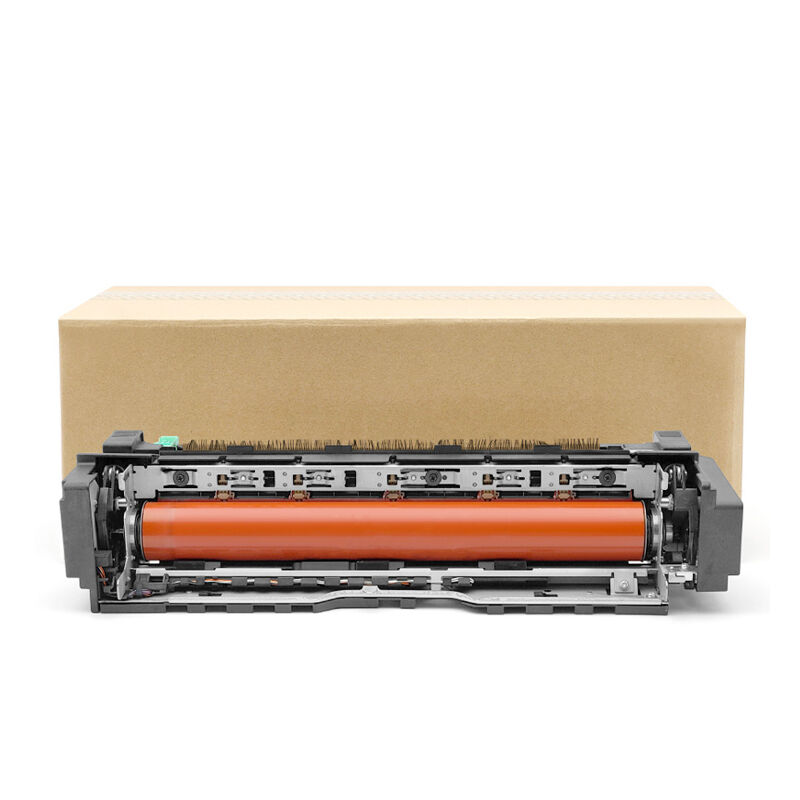
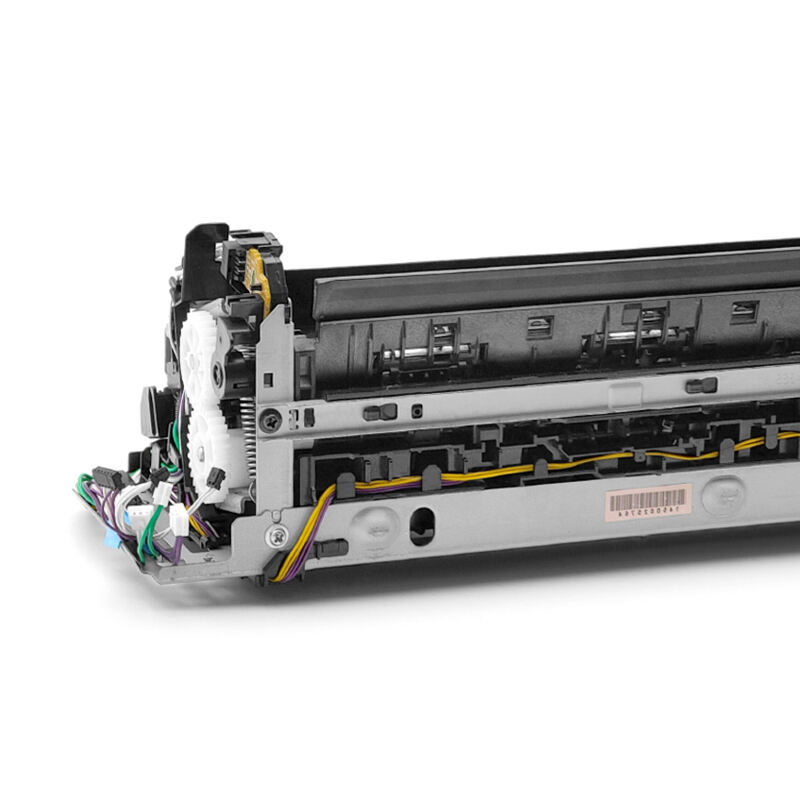
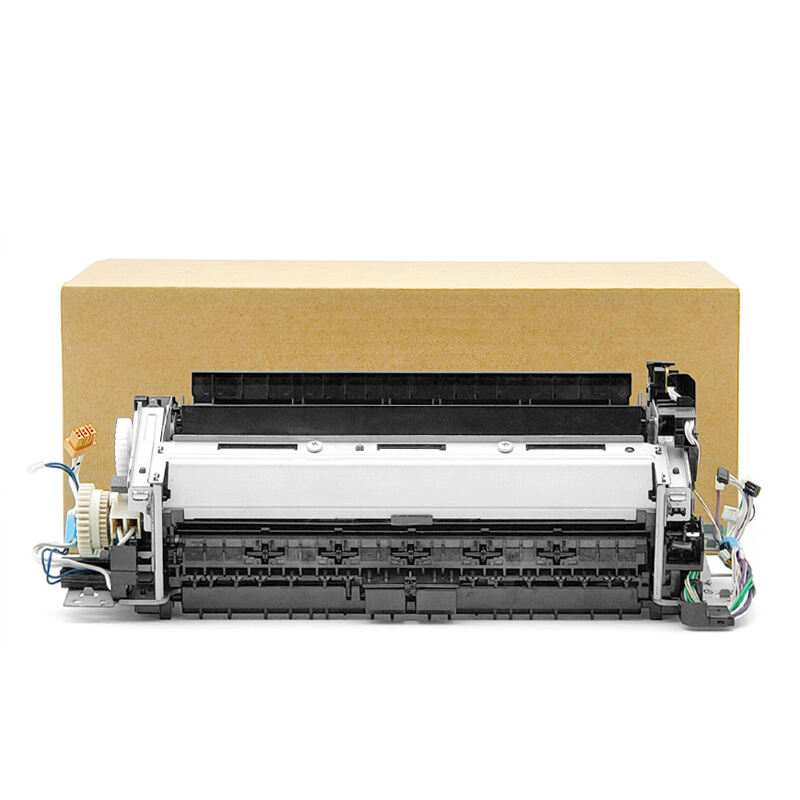
The fuser assembly stands as a critical component within laser printing technology, serving as the final stage in the document production process. This sophisticated mechanism applies controlled heat and pressure to permanently bond toner particles onto paper surfaces, transforming loose powder into sharp, durable printed images and text. The fuser assembly operates through a carefully orchestrated combination of heating elements, pressure rollers, and temperature regulation systems that work in precise harmony. Modern fuser assembly units incorporate advanced heating technology, typically utilizing ceramic heating elements or halogen lamps that reach optimal operating temperatures rapidly while maintaining consistent heat distribution across the entire roller surface. The pressure roller works in tandem with the heated component, applying uniform force to ensure complete toner adhesion without damaging the paper substrate. Temperature sensors continuously monitor heat levels, providing real-time feedback to control circuits that adjust power delivery and maintain ideal fusing conditions across varying paper types and printing speeds. The fuser assembly must accommodate different media weights, from lightweight office paper to heavy cardstock, adjusting pressure and temperature parameters automatically to deliver consistent results. Contemporary fuser assembly designs emphasize energy efficiency, incorporating quick warm-up capabilities and intelligent power management that reduces electricity consumption during idle periods. The mechanical construction includes precision-engineered bearings, robust drive mechanisms, and durable roller surfaces designed to withstand millions of page cycles while maintaining print quality standards. Release agents, often applied through wick systems or integrated coating technologies, prevent toner adhesion to roller surfaces and ensure smooth paper transport through the fusing nip. The fuser assembly integrates seamlessly with printer control systems, receiving commands regarding paper type, print density, and operational modes to optimize performance parameters dynamically. This essential component directly influences overall print quality, affecting aspects such as image permanence, color vibrancy in color printers, and text sharpness, making the fuser assembly indispensable in producing professional-grade documents across office, commercial, and industrial printing applications.

New Products

Investing in a quality fuser assembly delivers substantial benefits that directly impact your printing operations and bottom line. The primary advantage centers on print durability, as properly fused toner creates documents that resist smudging, scratching, and fading far better than alternative printing methods. Your printed materials maintain their professional appearance through handling, filing, and long-term storage, ensuring important documents remain legible and presentable for years. Energy efficiency represents another significant benefit, with modern fuser assembly technology reducing power consumption through rapid heat-up times and intelligent thermal management. You will notice lower electricity bills as these systems reach operating temperature quickly, minimizing the energy waste associated with extended warm-up periods. The assembly also enters low-power modes during inactivity, conserving energy without sacrificing readiness for immediate printing tasks. Operational speed improves dramatically with advanced fuser assembly designs that maintain consistent temperatures even during high-volume printing sessions. Your workflow benefits from faster first-page-out times and sustained throughput rates that keep pace with demanding office environments. The assembly handles various paper types without requiring manual adjustments, automatically adapting temperature and pressure settings to accommodate everything from standard copy paper to envelopes and specialty media. Maintenance requirements decrease significantly thanks to durable construction and self-cleaning mechanisms that extend component lifespan. You experience fewer service interruptions and reduced replacement costs as quality fuser assembly units operate reliably through hundreds of thousands of print cycles. The assembly design facilitates straightforward replacement procedures when maintenance becomes necessary, minimizing downtime and allowing non-technical staff to perform basic servicing tasks. Print quality consistency remains exceptional across the entire duty cycle, with precision temperature control preventing common issues like incomplete fusing, paper curling, or toner flaking. Your documents emerge with uniform gloss levels and crisp detail from the first page to the last, maintaining brand standards and professional presentation. Versatility extends to specialty applications, as robust fuser assembly systems accommodate transfer papers, labels, and other specialized media that expand your printing capabilities. You gain flexibility to handle diverse projects without investing in multiple devices, consolidating equipment needs and reducing operational complexity. The assembly contributes to overall printer reliability, as its sophisticated monitoring systems detect potential issues before they cause failures, alerting you to maintenance needs proactively. You avoid unexpected breakdowns and costly emergency repairs through predictive maintenance capabilities built into intelligent fuser assembly designs. Environmental benefits emerge through reduced waste, as durable prints eliminate the need for reprinting and protective coatings, while energy-efficient operation lowers your carbon footprint without compromising productivity or quality standards.

Practical Tips

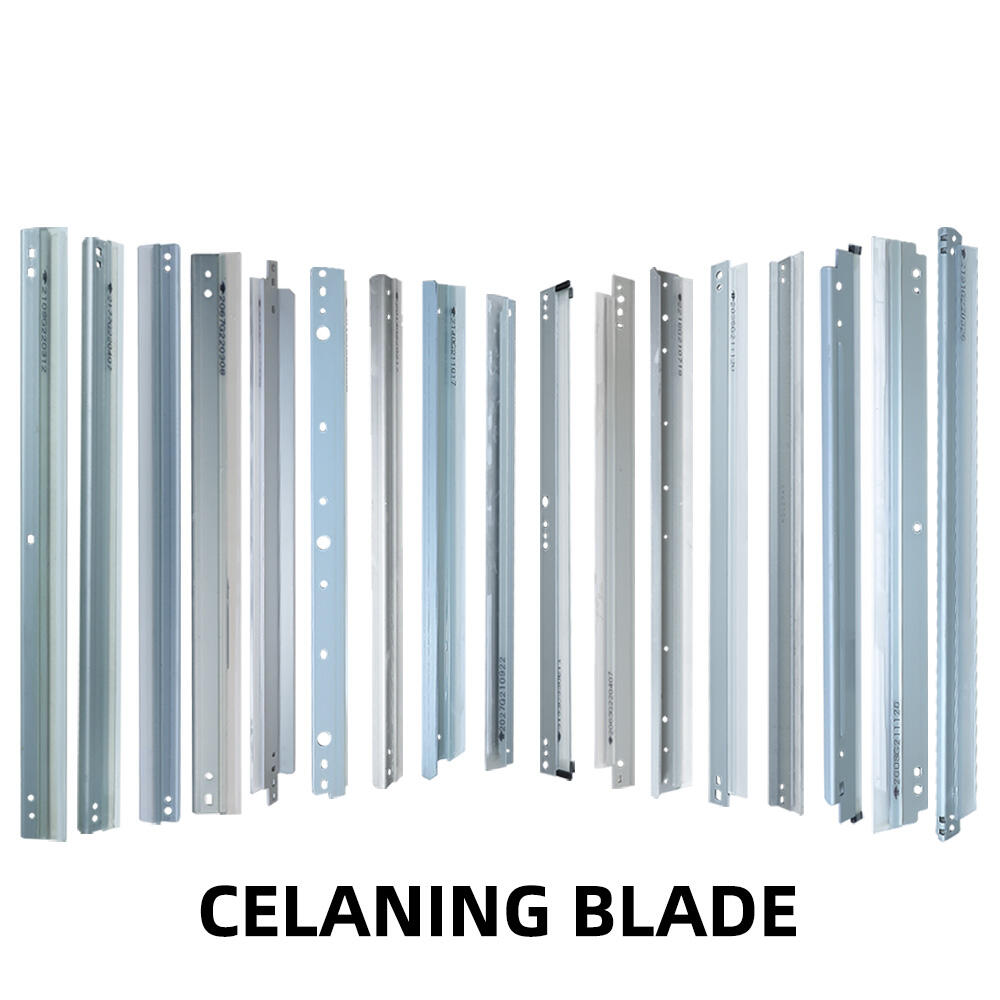
How Do Customized Cleaning Blades Help Prevent Print Defects and Smudging?

11

Dec

How Do Customized Cleaning Blades Help Prevent Print Defects and Smudging?

Print quality issues like smudging, streaking, and background ghosting can significantly impact business operations and professional document presentation. These defects often stem from inadequate drum cleaning mechanisms within copier and printer sy...
View More
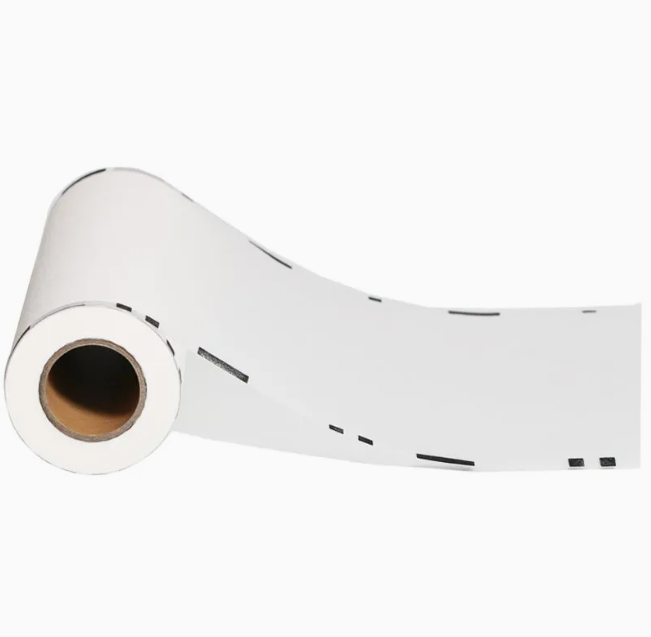
How Can a High-Quality Master Roll Improve the Overall Print Quality?

07

Jan

How Can a High-Quality Master Roll Improve the Overall Print Quality?

Digital printing technology has revolutionized the way businesses produce high-volume documents, but the quality of output depends heavily on the components used within these systems. At the heart of digital duplicators lies the master roll, a critic...
View More
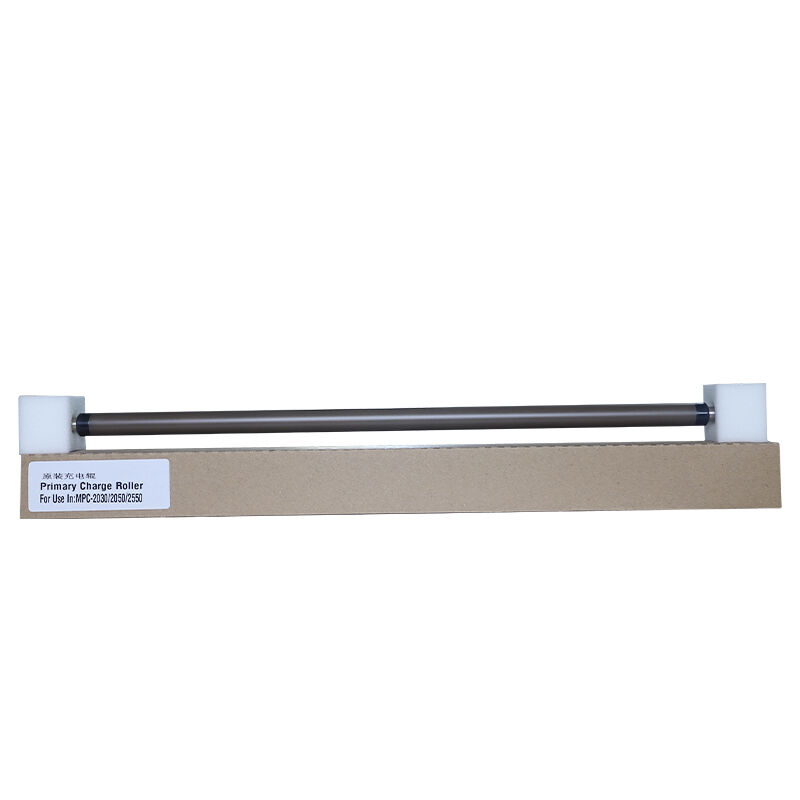
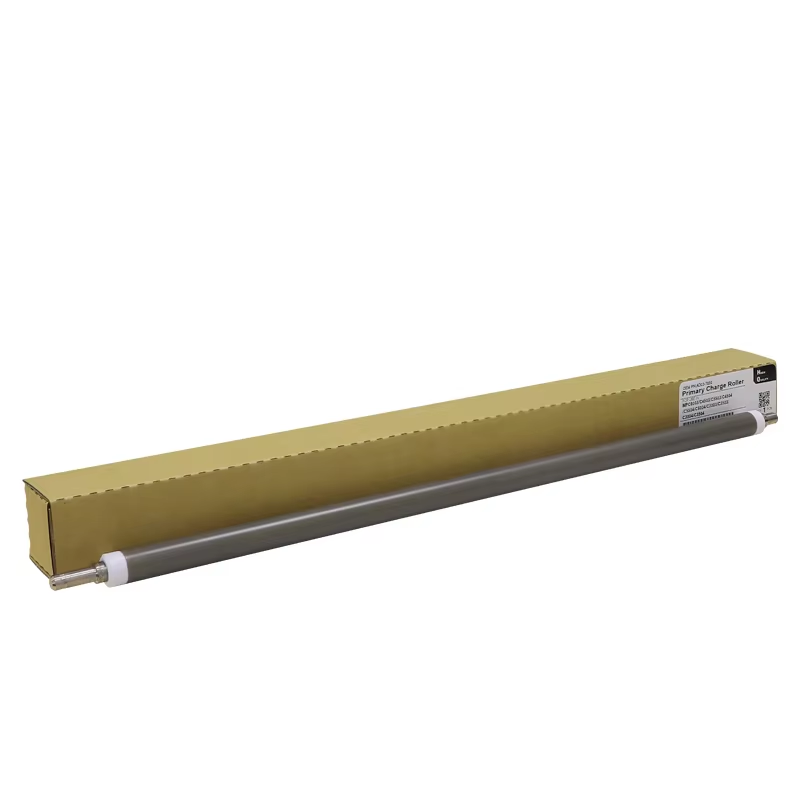
How to maintain a primary charge roller for longer life

05

Mar

How to maintain a primary charge roller for longer life

The primary charge roller stands as one of the most critical components in modern printing systems, particularly in copiers and multifunction printers. This essential element plays a pivotal role in the electrostatic printing process by applying a un...
View More
What is a primary charge roller in a printer?

05

Mar

What is a primary charge roller in a printer?

The primary charge roller is a fundamental component in laser printers and photocopiers that plays a critical role in the electrophotographic printing process. This cylindrical component, typically made of conductive rubber or foam, applies a uniform...
View More

Get a Free Quote

Our representative will contact you soon.
Email
Mobile
Whatsapp or Wechat ID
Company Name
Name
Message
0/1000

fuser assembly

Advanced Thermal Management Technology Ensures Optimal Performance

Advanced Thermal Management Technology Ensures Optimal Performance

The sophisticated thermal management system within the fuser assembly represents a pinnacle of engineering innovation, delivering precise temperature control that adapts dynamically to changing operational demands. At the core of this technology lies an intelligent sensor network that monitors heat distribution across multiple points on the fusing roller surface, detecting temperature variations as small as two degrees Celsius. This granular monitoring capability enables the control system to make real-time adjustments, directing power to specific heating zones that require additional energy while reducing output to areas approaching upper temperature thresholds. The result is remarkably uniform heat distribution that eliminates hot spots and cold zones, ensuring every portion of your document receives identical fusing treatment regardless of image density or page position. This precision proves especially valuable when printing complex documents containing mixed content, such as pages with both text-heavy sections and solid graphic elements. The thermal management system recognizes that dense toner coverage requires more heat energy for complete fusing, automatically increasing temperature and extending contact time in the fusing nip to accommodate these areas while preventing excessive heat application to lighter sections that could cause paper damage or unwanted gloss variations. The rapid response characteristics of modern heating elements, particularly ceramic designs, enable the fuser assembly to reach optimal operating temperature in as little as twenty seconds from a cold start, dramatically reducing the wait time before printing can commence. This quick warm-up capability transforms user experience, eliminating the frustration of extended delays and supporting on-demand printing workflows where immediate output is essential. The thermal management system also incorporates predictive algorithms that anticipate heating requirements based on upcoming print jobs queued in the printer memory, preemptively adjusting temperatures to ideal levels before paper enters the fusing station. This anticipatory approach maintains consistent throughput rates even when switching between different paper types or moving from simplex to duplex printing modes. Energy conservation features integrate seamlessly with performance optimization, as the system implements graduated sleep modes that reduce power consumption proportionally to idle duration while maintaining the ability to resume full operation quickly when printing resumes. You benefit from lower operating costs without sacrificing the convenience of instant printer availability, as the intelligent thermal management balances energy savings with operational readiness based on usage patterns learned over time.
Precision Pressure Application Guarantees Uniform Toner Adhesion

Precision Pressure Application Guarantees Uniform Toner Adhesion

The mechanical pressure system within the fuser assembly employs precision-engineered components that apply controlled force across the entire paper width, ensuring complete toner particle adhesion without substrate damage. This sophisticated mechanism centers on matched roller pairs manufactured to exacting tolerances, with surface uniformity variations measured in micrometers to guarantee consistent pressure distribution from edge to edge. The pressure roller, typically constructed with a compliant silicone or rubber layer over a rigid core, conforms slightly to paper surface irregularities while maintaining sufficient firmness to compress toner particles effectively against the heated fusing roller. This balanced compliance accommodates paper thickness variations and minor surface imperfections that could otherwise create pressure inconsistencies resulting in incomplete fusing or image defects. The nip width, defined as the contact area where pressure and heat combine to fuse toner, is carefully calibrated to provide adequate dwell time for thermal energy transfer while maintaining paper transport speed that supports rated printer throughput. Engineering calculations determine optimal nip pressure based on toner formulation characteristics, typical substrate properties, and target operating speeds, with adjustable mechanisms allowing fine-tuning to accommodate non-standard media or specialty applications. The pressure application system incorporates spring assemblies or pneumatic actuators that maintain consistent force even as roller surfaces experience normal wear over thousands of operating hours, automatically compensating for dimensional changes that would otherwise degrade fusing performance. This self-adjusting capability extends maintenance intervals and ensures print quality remains stable throughout the component lifecycle, protecting your investment through sustained reliable operation. The mechanical design also addresses paper path geometry, positioning rollers at angles that promote smooth sheet entry and exit while preventing wrinkles, creases, or jams that disrupt productivity. Drive mechanisms transmit rotational force from printer motors to fuser rollers through precision gear trains or belt systems engineered to maintain synchronized movement and prevent speed variations that could cause image distortion or registration errors. The pressure system accommodates varying paper weights through intelligent adjustment protocols, increasing or decreasing nip force based on media thickness sensors that detect substrate dimensions before sheets enter the fusing station. This automatic adaptation eliminates manual intervention when switching between paper types, allowing you to print everything from lightweight letterhead to heavy cardstock in continuous runs without pausing for settings changes. Surface treatments on both heated and pressure rollers incorporate release coatings that prevent toner adhesion to roller surfaces, ensuring transferred images remain on paper rather than building up on fuser components where they would cause defects and require frequent cleaning interventions.
Durable Construction Delivers Long-Term Reliability and Value

Durable Construction Delivers Long-Term Reliability and Value

The robust engineering and premium materials incorporated into quality fuser assembly construction provide exceptional longevity that translates directly into lower total cost of ownership and reduced operational disruptions. Manufacturers select materials specifically for their thermal stability, mechanical strength, and resistance to degradation from repeated heating cycles and chemical exposure from toner formulations and paper additives. The heating element substrate, often aluminum or ceramic, possesses excellent thermal conductivity that efficiently transfers heat while withstanding thermal cycling between ambient and operating temperatures thousands of times without developing fatigue cracks or dimensional distortion. Surface coatings on the fusing roller employ advanced polymer or Teflon-based materials that maintain their non-stick properties and abrasion resistance through hundreds of thousands of page cycles, preventing premature wear that would compromise print quality or increase maintenance frequency. The mechanical components, including bearings, bushings, and drive gears, utilize engineering-grade materials such as heat-treated steel, bronze alloys, or high-performance plastics selected for their ability to operate reliably in the elevated temperature environment surrounding the fuser assembly while maintaining dimensional stability and low friction characteristics. This attention to material selection and component design results in fuser assembly units rated for duty cycles measured in hundreds of thousands or even millions of pages, providing years of dependable service in demanding office and production environments. The modular construction philosophy adopted by leading manufacturers facilitates maintenance and repair, with replaceable sub-assemblies that allow targeted component replacement rather than complete fuser assembly disposal when specific elements reach end of life. This serviceability extends overall assembly lifespan while controlling maintenance costs, as you replace only worn heating elements or pressure rollers rather than investing in entirely new assemblies for issues affecting individual components. Protective thermal management prevents overheating damage to adjacent printer components, as insulation materials and heat shields confine thermal energy to the fusing zone while directing waste heat away from sensitive electronics and plastic housings that could warp or fail under sustained high-temperature exposure. The electrical design incorporates safety features including thermal fuses, over-temperature cutoffs, and current limiting circuits that protect both the fuser assembly and printer against damage from component failures or abnormal operating conditions, providing multiple layers of protection that enhance overall system reliability. Quality control processes during manufacturing verify critical parameters such as heating element resistance, temperature sensor accuracy, and roller surface uniformity, ensuring each fuser assembly meets stringent performance specifications before shipment. This manufacturing rigor reduces field failure rates and provides confidence that your printing operations will proceed without unexpected interruptions caused by component defects or premature wear. The environmental resilience of properly designed fuser assembly units allows operation across wide temperature and humidity ranges typical in office environments, with performance remaining consistent regardless of seasonal climate variations or building HVAC conditions that might affect less robust components.
Email Email WhatsApp WhatsApp
WhatsApp
WeChat WeChat
WeChat
Facebook Facebook TopTop

Get a Free Quote

Our representative will contact you soon.
Email
Mobile
Whatsapp or Wechat ID
Company Name
Name
Message
0/1000