Printer Imaging Unit: Professional Quality, Extended Durability & Cost-Efficient Printing Solutions

Get a Free Quote

Our representative will contact you soon.
Email
Mobile
Whatsapp or Wechat ID
Company Name
Name
Message
0/1000

printer imaging unit

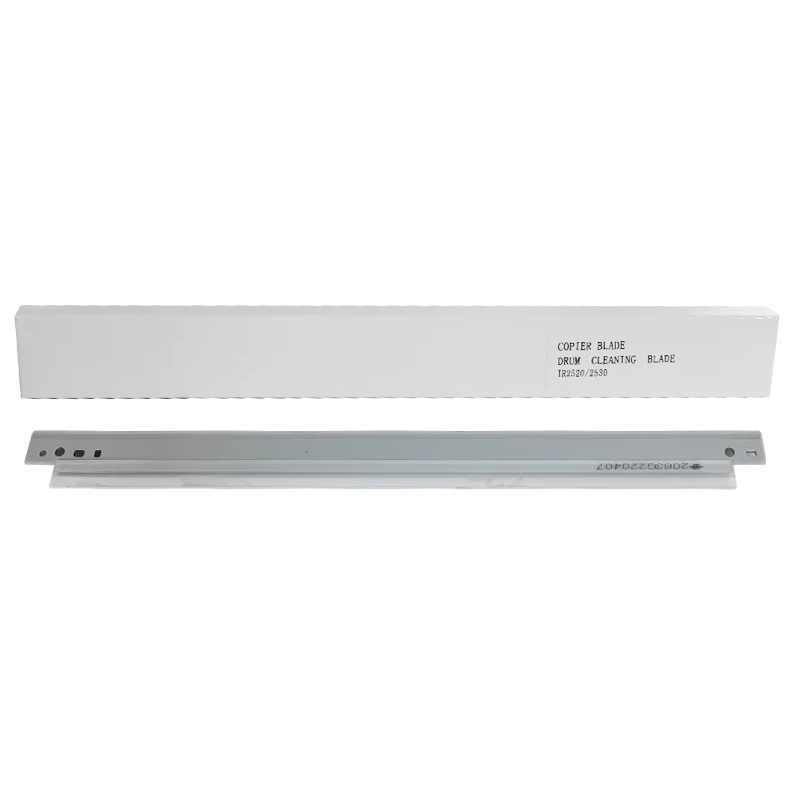
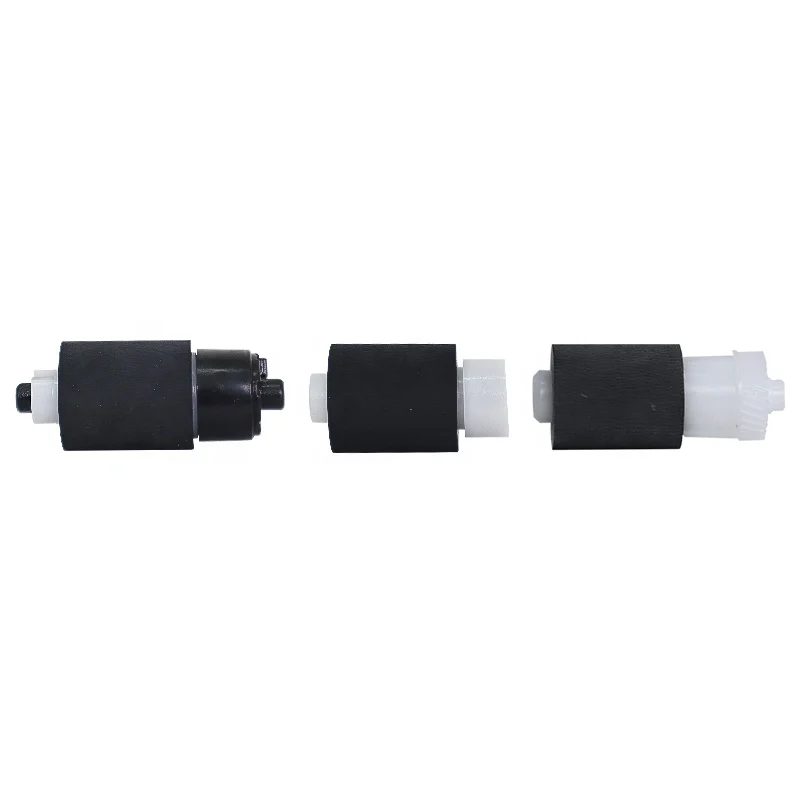
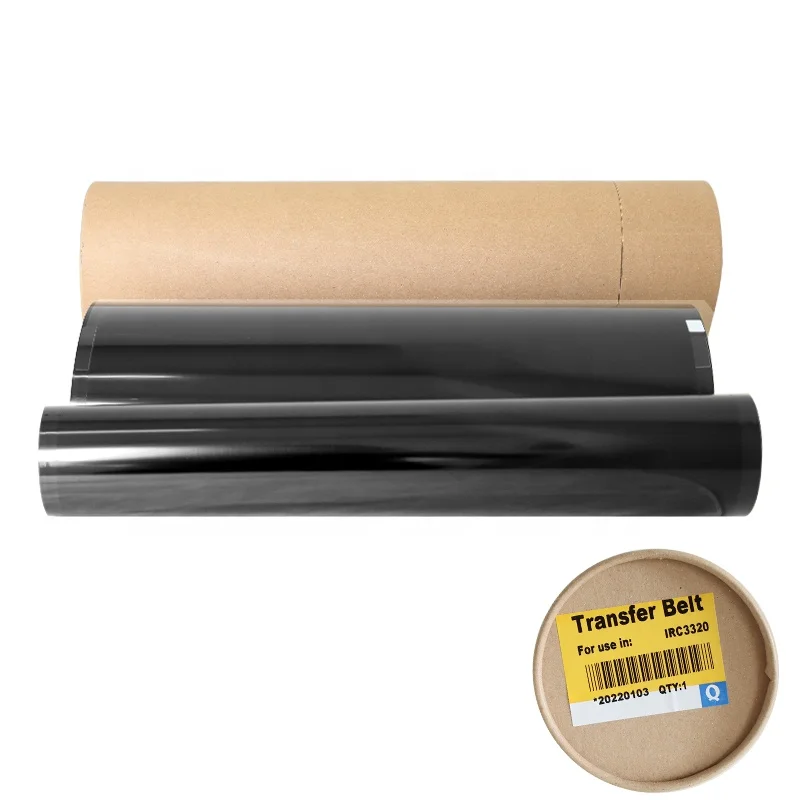
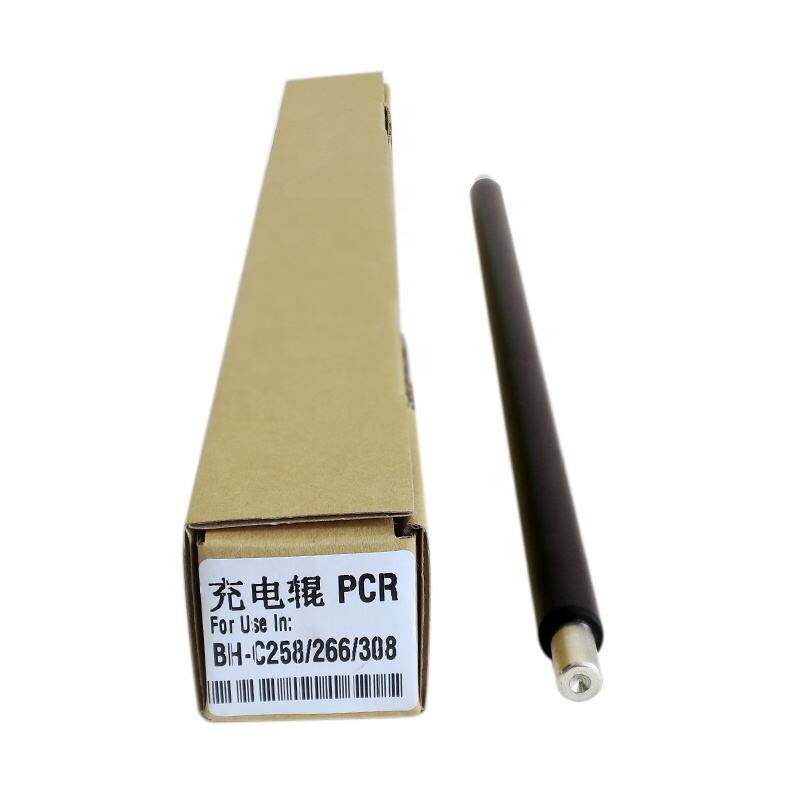
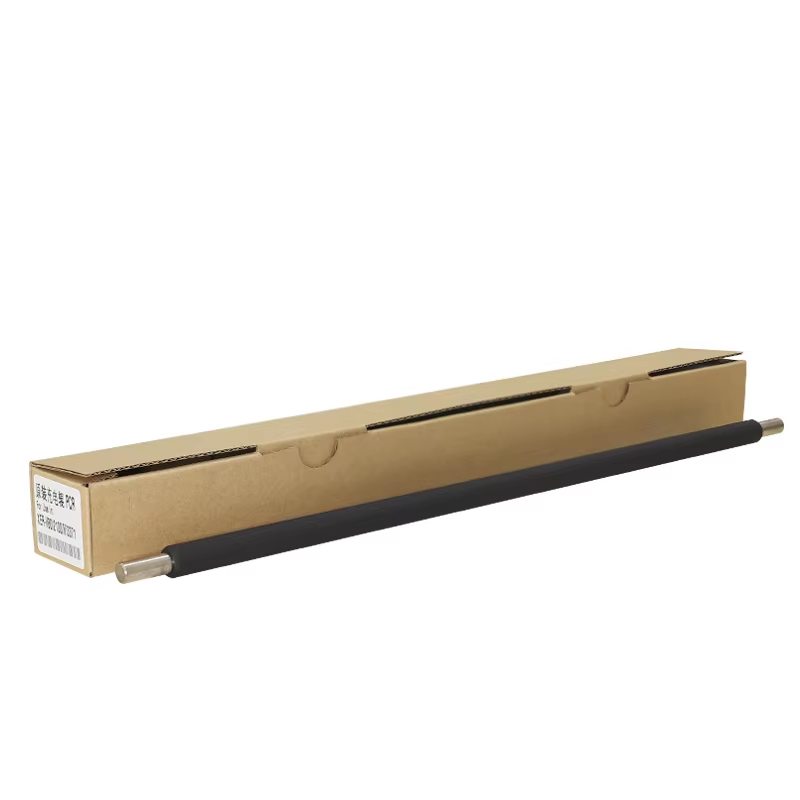
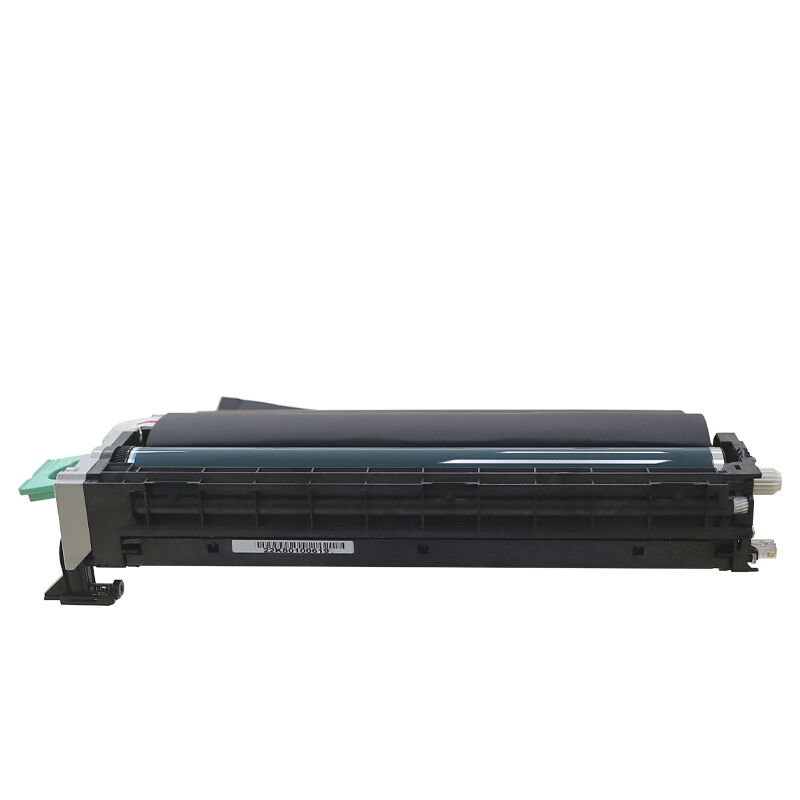
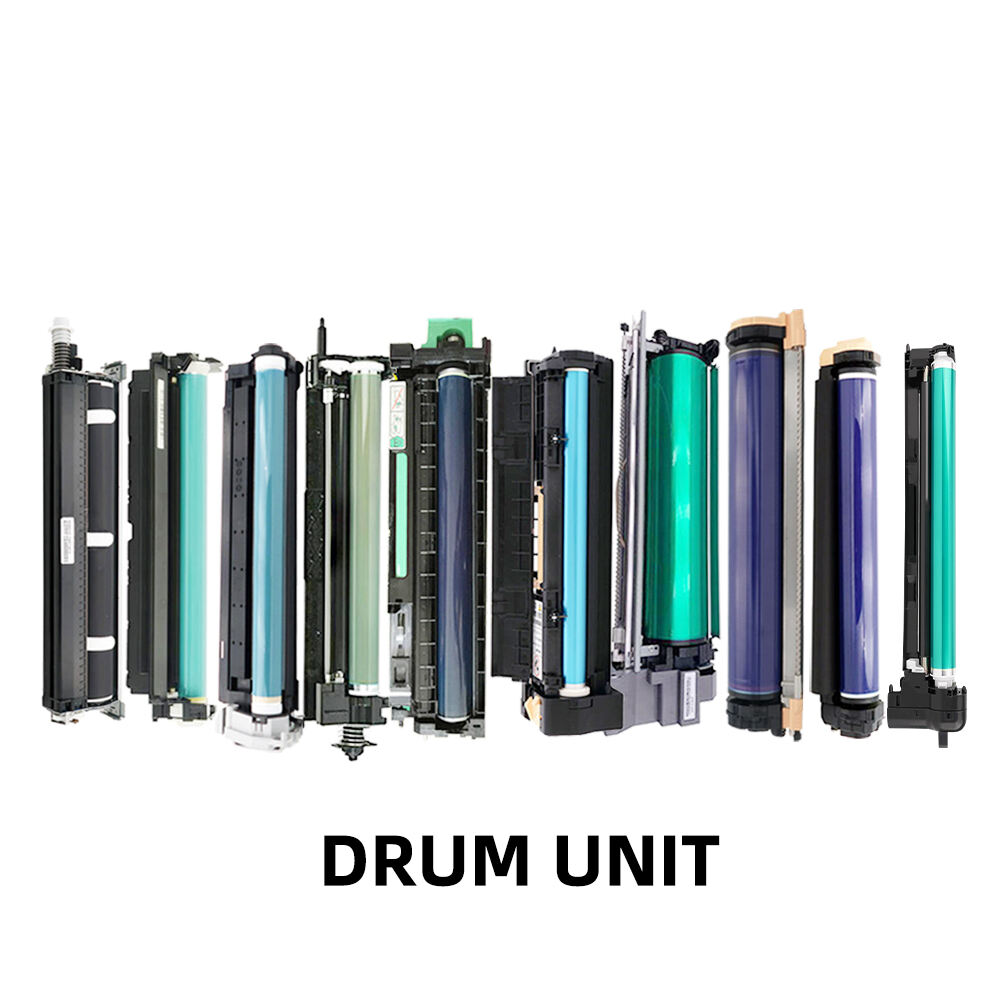
A printer imaging unit stands as one of the most critical components within modern printing systems, serving as the heart of image transfer and quality output. This sophisticated piece of technology bridges the gap between digital information and physical printed materials, ensuring that every document, photograph, or graphic appears sharp, clear, and professional. The printer imaging unit comprises several integrated elements working in harmony, including a photoconductor drum, charging mechanisms, developing components, and transfer systems. These parts collaborate to transform electronic data into tangible, high-quality prints that meet the demanding standards of both business and personal printing needs. Understanding how a printer imaging unit operates reveals the remarkable engineering behind everyday printing tasks. The photoconductor drum receives an electrostatic charge, which is then selectively discharged by laser or LED light sources according to the digital image data. Toner particles adhere to the charged areas of the drum surface, creating a precise representation of the intended image. This image is subsequently transferred onto paper through carefully controlled pressure and heat, resulting in permanent, smudge-resistant output. The technological features embedded within a printer imaging unit demonstrate significant advancement over earlier printing methods. Modern units incorporate precision-engineered drums with enhanced durability, advanced toner distribution systems that minimize waste, and sophisticated cleaning mechanisms that prevent image ghosting or contamination. Temperature regulation systems ensure consistent performance across varying environmental conditions, while intelligent monitoring capabilities alert users to maintenance requirements before print quality deteriorates. Applications for printer imaging units span numerous industries and settings. Corporate offices rely on these components for producing reports, presentations, and correspondence with professional appearance. Educational institutions depend on reliable imaging units for generating study materials, administrative documents, and student communications. Healthcare facilities utilize them for printing medical records, prescription labels, and patient information with required clarity and precision. Creative professionals employ high-resolution imaging units for producing marketing materials, photography prints, and design proofs. The versatility and reliability of printer imaging units make them indispensable across these diverse environments, supporting productivity and communication goals while maintaining consistent quality standards that reflect positively on organizations and individuals alike.

New Product Recommendations

Investing in a quality printer imaging unit delivers numerous practical benefits that directly impact your daily operations and long-term costs. First and foremost, these components dramatically improve print quality compared to outdated systems. You will notice sharper text rendering, smoother gradients in images, and more accurate color reproduction in every document you produce. This enhancement means your business correspondence appears more professional, your marketing materials attract greater attention, and your internal documents communicate information more effectively. The difference becomes immediately apparent when comparing outputs side by side, with modern imaging units producing results that rival professional printing services at a fraction of the cost. Cost efficiency represents another compelling advantage that affects your bottom line significantly. While the initial investment might seem substantial, a reliable printer imaging unit reduces your per-page printing costs through efficient toner usage and extended operational lifespan. These units waste less toner during the printing process, ensure more complete toner transfer to paper, and require fewer replacements over time. You save money not only on consumables but also on maintenance calls and downtime. The improved durability means you replace components less frequently, reducing both parts expenses and the labor costs associated with service interruptions. Operational reliability transforms your printing experience from frustrating to seamless. Modern imaging units feature robust construction that withstands the demands of high-volume printing environments without compromising output quality. You experience fewer paper jams, reduced maintenance requirements, and consistent performance across thousands of print jobs. This dependability means you meet deadlines without stress, serve customers without delays, and maintain productivity without unexpected interruptions. Your staff spends less time troubleshooting printer issues and more time focusing on core responsibilities. Speed and efficiency improvements allow you to accomplish more within the same timeframe. Advanced printer imaging units process print jobs faster while maintaining exceptional quality standards. You complete large printing projects in less time, respond quickly to urgent document requests, and improve overall workflow efficiency. This capability proves especially valuable during peak business periods when printing demands surge. Environmental considerations also favor modern imaging units, as they typically consume less energy during operation and generate less waste through improved toner efficiency and longer component lifespans. You reduce your environmental footprint while simultaneously cutting operational costs, achieving sustainability goals without sacrificing performance. User-friendliness rounds out the advantages, with contemporary units designed for straightforward installation, intuitive operation, and simple maintenance procedures. Even team members without technical expertise can perform routine tasks confidently, reducing your dependence on specialized support and empowering your workforce to handle printing needs independently and efficiently.

Practical Tips

How to Choose a High-Quality Charge Roller?

11

Dec

How to Choose a High-Quality Charge Roller?

Understanding the Importance of a Reliable Charge Roller A charge roller is a critical component in laser printers and copiers, playing a vital role in ensuring consistent print quality. It is responsible for evenly charging the photoconductor drum, ...
View More
How Can a High-Quality Master Roll Improve the Overall Print Quality?

07

Jan

How Can a High-Quality Master Roll Improve the Overall Print Quality?

Digital printing technology has revolutionized the way businesses produce high-volume documents, but the quality of output depends heavily on the components used within these systems. At the heart of digital duplicators lies the master roll, a critic...
View More
How Do Toner Factories Ensure Consistency in Toner Color and Quality?

12

Feb

How Do Toner Factories Ensure Consistency in Toner Color and Quality?

Modern printing environments demand exceptional reliability and consistency from every toner cartridge used in office equipment. Toner factories have developed sophisticated manufacturing processes to ensure that each toner cartridge delivers uniform...
View More
Common issues with primary charge rollers and how to fix them

05

Mar

Common issues with primary charge rollers and how to fix them

Every office environment depends on reliable printing equipment to maintain productivity and workflow efficiency. However, even the most advanced copiers and printers can experience technical difficulties that disrupt daily operations. One component ...
View More

Get a Free Quote

Our representative will contact you soon.
Email
Mobile
Whatsapp or Wechat ID
Company Name
Name
Message
0/1000

printer imaging unit

Extended Lifespan and Durability for Maximum Return on Investment

Extended Lifespan and Durability for Maximum Return on Investment

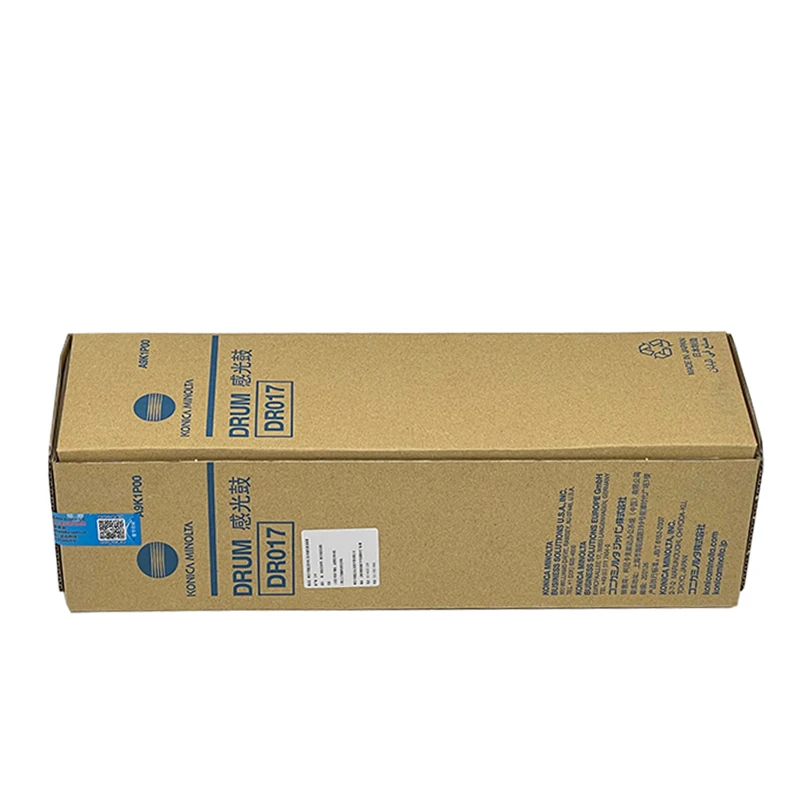
The printer imaging unit distinguishes itself through exceptional longevity that fundamentally changes the economics of printing operations. Unlike cheaper alternatives that require frequent replacement, premium imaging units are engineered with advanced materials and precision manufacturing techniques that enable them to withstand intensive use over extended periods. The photoconductor drum, which forms the core of the imaging unit, incorporates specialized organic or amorphous silicon compounds that resist degradation from repeated exposure to light, heat, and mechanical stress. This robust construction allows the unit to process tens of thousands of pages while maintaining consistent image quality throughout its operational life. The financial implications of this extended lifespan prove substantial for any organization. Rather than facing recurring replacement costs every few months, you invest once and benefit from reliable performance for years. The savings accumulate rapidly, particularly in high-volume printing environments where frequent replacements would otherwise drain budgets significantly. Beyond the direct cost of replacement units, you also avoid the hidden expenses associated with frequent changeovers, including staff time spent installing components, potential printing disruptions during replacement, and the administrative burden of tracking and ordering supplies. The durability advantage extends beyond simple longevity to encompass consistent performance throughout the unit's lifespan. Inferior imaging units often show gradual quality degradation, forcing users to accept declining output standards or replace components prematurely. Premium units maintain their performance characteristics from first use to end of life, ensuring that your printed materials consistently meet quality expectations. This reliability proves crucial for businesses where document appearance directly affects brand perception and customer confidence. Professional presentations, client proposals, and marketing materials all benefit from the unwavering quality that durable imaging units deliver. The environmental benefits of extended lifespan deserve recognition as well. Fewer replacements mean less waste entering landfills, reduced manufacturing resource consumption, and lower transportation emissions associated with shipping replacement components. Organizations pursuing sustainability initiatives find that investing in durable printer imaging units aligns perfectly with their environmental goals while simultaneously reducing operational costs. This combination of economic and ecological advantages creates compelling value that extends far beyond the immediate printing function, supporting broader organizational objectives and demonstrating responsible resource management to stakeholders, customers, and employees alike.
Superior Image Resolution and Color Accuracy for Professional Results

Superior Image Resolution and Color Accuracy for Professional Results

The printer imaging unit achieves remarkable image quality through sophisticated technological integration that transforms digital data into stunning printed output. At the heart of this capability lies precision engineering that controls every aspect of the image formation process with microscopic accuracy. The unit's photoconductor drum features an incredibly smooth, uniform surface manufactured to tolerances measured in microns, ensuring that toner particles adhere exactly where intended without clumping, gaps, or irregularities. This precision enables the reproduction of fine details, subtle gradients, and complex graphics with clarity that rivals offset printing methods. Advanced charging systems within the imaging unit create perfectly uniform electrostatic fields across the drum surface, establishing the foundation for accurate image formation. Laser or LED writing mechanisms then discharge specific areas with pinpoint accuracy, creating latent images with resolution capabilities exceeding 1200 dots per inch in premium units. This high resolution translates directly to sharper text, smoother curves in graphics, and more natural-looking photographs in your printed output. Small text remains legible even at reduced sizes, intricate logos reproduce with perfect fidelity, and photographic images display subtle tonal variations that bring visual content to life. Color accuracy represents another dimension where superior imaging units demonstrate their value. Through precise toner layering and advanced color matching algorithms, these units reproduce colors that closely match on-screen displays and standardized color systems. Marketing professionals appreciate the ability to print materials with brand colors that remain consistent across print runs and locations. Photographers value the faithful reproduction of their images without unexpected color shifts or loss of detail. Business users benefit from charts and graphs that communicate data clearly through accurate color differentiation. The practical implications of superior image resolution extend throughout your operations. Client-facing documents project professionalism and attention to detail that enhance your reputation. Internal communications benefit from improved readability that reduces misunderstandings and increases information retention. Training materials, instruction manuals, and reference documents all become more effective when images, diagrams, and text appear with optimal clarity. The competitive advantage gained through superior print quality often proves difficult to quantify but remains nonetheless real, as stakeholders form impressions based partly on the quality of materials you present, making your printer imaging unit an unexpected but significant contributor to business success and organizational effectiveness.
Intelligent Monitoring and Maintenance Optimization for Uninterrupted Performance

Intelligent Monitoring and Maintenance Optimization for Uninterrupted Performance

Modern printer imaging units incorporate sophisticated monitoring systems that revolutionize maintenance practices and prevent disruptive failures before they occur. These intelligent components continuously track multiple performance parameters, including drum rotation cycles, toner density levels, image quality metrics, and temperature variations during operation. By analyzing this data in real-time, the imaging unit identifies developing issues long before they affect print quality or cause operational failures. This proactive approach transforms maintenance from reactive crisis management into planned, scheduled activities that minimize disruption and maximize equipment availability. The monitoring capabilities extend beyond simple component tracking to encompass predictive analytics that forecast remaining lifespan based on actual usage patterns rather than arbitrary page counts. This intelligence means you replace components when truly necessary rather than following rigid schedules that might lead to premature replacement or, conversely, operating beyond optimal performance windows. The system alerts you with sufficient advance notice to order replacement components and schedule installation during convenient times, avoiding urgent situations that disrupt workflows and potentially compromise important projects. Cost control improves dramatically through these intelligent systems, as you avoid emergency service calls, rush shipping charges for replacement parts, and productivity losses from unexpected downtime. The ability to plan maintenance activities allows you to negotiate better service rates, purchase supplies during promotional periods, and allocate staff time efficiently. Organizations managing multiple printers across various locations particularly benefit from centralized monitoring that provides visibility into the status of all imaging units simultaneously, enabling strategic resource allocation and bulk purchasing opportunities that reduce per-unit costs substantially. Performance optimization represents another advantage of intelligent monitoring systems embedded within advanced imaging units. These systems automatically adjust operational parameters to compensate for environmental variations, such as temperature and humidity fluctuations that might otherwise affect print quality. They optimize toner usage based on image content, reducing waste without compromising output quality. They detect and compensate for minor mechanical variations that develop over time, maintaining consistent performance despite normal wear. This self-optimization occurs transparently, requiring no user intervention while continuously delivering optimal results. The data generated by monitoring systems also provides valuable insights for long-term planning and equipment acquisition decisions. By analyzing usage patterns, you identify opportunities to consolidate printing operations, right-size equipment selections for specific departments, and make informed decisions about when to upgrade or replace aging equipment. This strategic information transforms the printer imaging unit from a simple consumable component into an intelligent system that contributes actively to operational efficiency, cost management, and organizational effectiveness through continuous monitoring, predictive maintenance, and performance optimization capabilities.
Email Email WhatsApp WhatsApp
WhatsApp
WeChat WeChat
WeChat
Facebook Facebook TopTop

Get a Free Quote

Our representative will contact you soon.
Email
Mobile
Whatsapp or Wechat ID
Company Name
Name
Message
0/1000