Extended Equipment Lifespan Through Intelligent Thermal Management
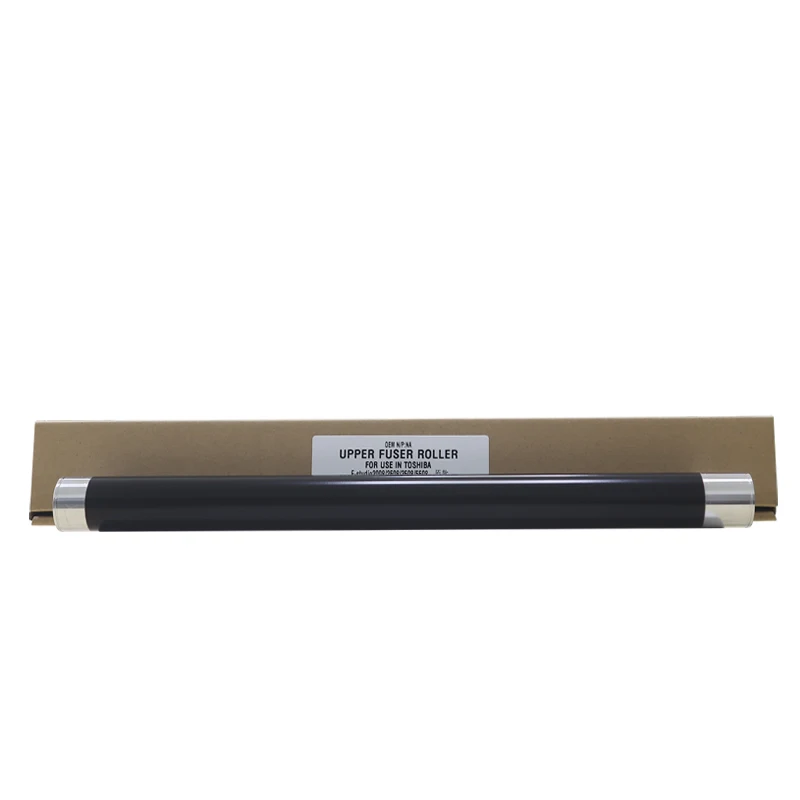
Temperature control systems represent often-overlooked parts of photocopier equipment that profoundly impact machine longevity, performance consistency, and total cost of ownership. Modern photocopiers generate substantial heat during operation, particularly from fuser assemblies that reach temperatures exceeding 180 degrees Celsius to melt and bond toner to paper. Without effective thermal management, this heat accumulates inside machine cabinets, accelerating wear on electronic components, degrading lubricants, and causing premature failure of mechanical parts. Quality cooling systems feature strategically positioned fans that create airflow patterns directing heat away from sensitive components while drawing cool ambient air into critical areas. These fans utilize ball bearing designs that operate quietly while delivering years of reliable service without developing the rattles or vibrations common in sleeve bearing alternatives. Temperature sensors monitor conditions at multiple locations, providing data to control systems that adjust fan speeds dynamically based on actual cooling requirements. This intelligent operation reduces energy consumption compared to constantly running fans while ensuring adequate cooling during high-demand periods. Heat sinks attached to power supply components and circuit boards dissipate thermal energy through extended surface areas, passively cooling electronics without moving parts that could fail. The fuser assembly itself includes sophisticated thermal management features among the critical parts of photocopier systems, utilizing insulation that contains heat within the fusing zone rather than radiating throughout the machine. Thermal fuses provide fail-safe protection, interrupting power if temperatures exceed safe thresholds due to fan failure or blocked ventilation. Regular maintenance of cooling system components ensures continued effectiveness, including cleaning accumulated dust from fan blades and heat exchanger fins that reduce airflow efficiency. Well-designed photocopier cabinets incorporate ventilation paths that promote natural convection currents supplementing forced air cooling, creating redundant thermal management that prevents overheating even if active components underperform. Quality parts of photocopier thermal systems contribute to stable operating conditions that maintain precise tolerances in mechanical assemblies, consistent electrical characteristics in control circuits, and optimal viscosity in lubricants throughout the machine. This stability translates to predictable performance, fewer service calls, and extended intervals between component replacements. By preventing heat-related degradation, effective thermal management systems protect your equipment investment, ensuring machines deliver reliable service throughout their design life rather than failing prematurely due to environmental stress that could have been prevented through proper cooling infrastructure.
 EN
EN