Superior Image Quality Through Advanced Photoreceptor Technology
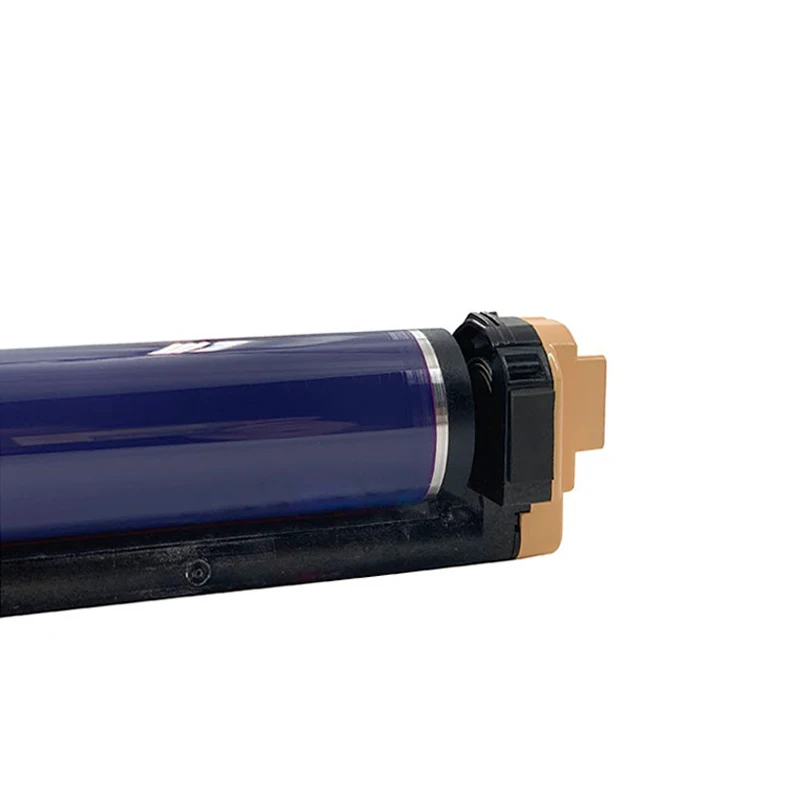
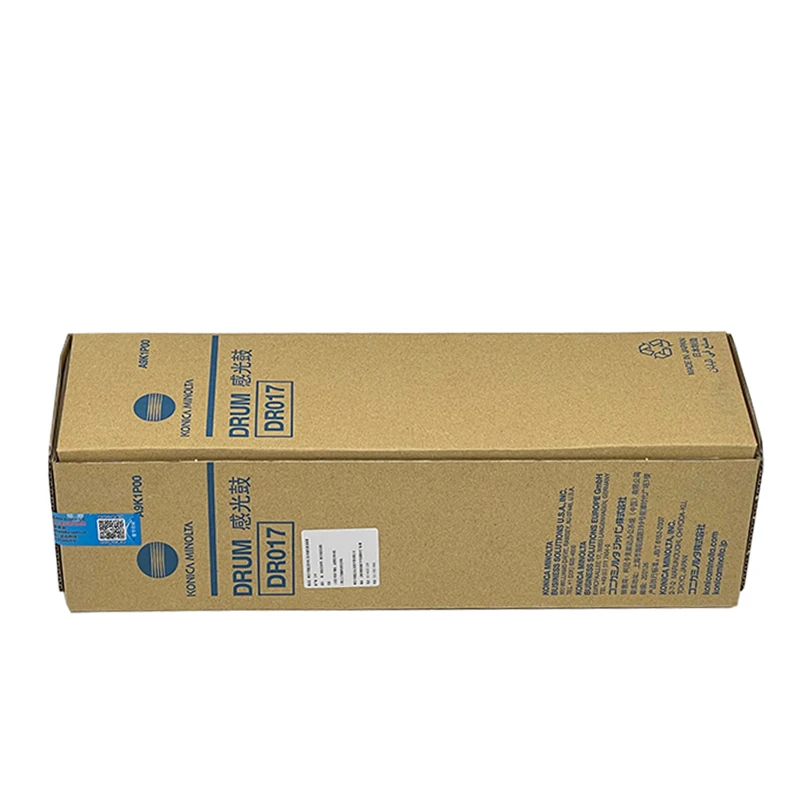
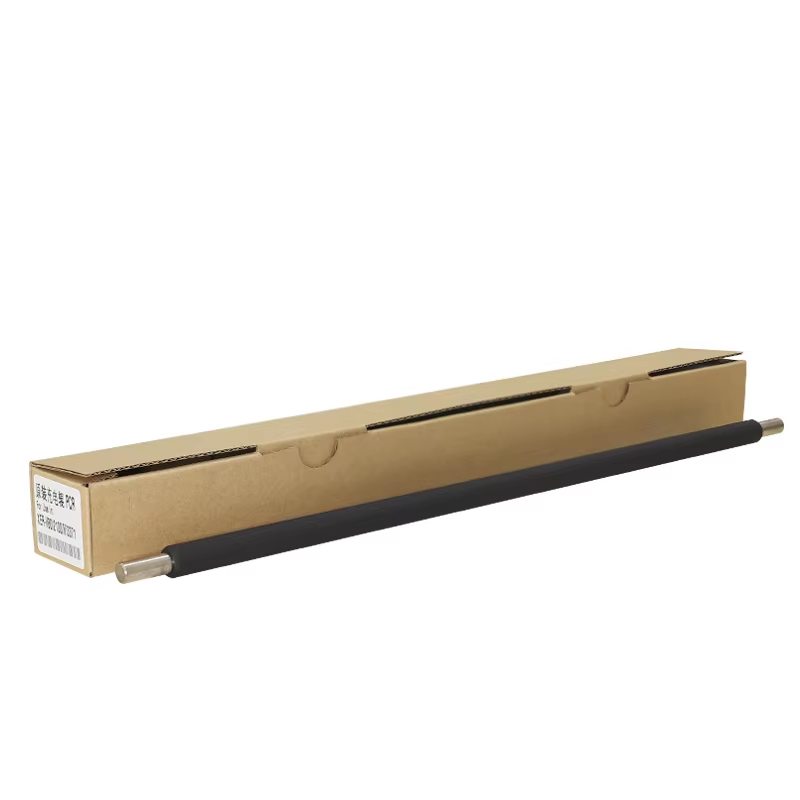
The photoreceptor drum stands as the cornerstone component in determining copy machine parts output quality, and modern iterations incorporate breakthrough organic photoconductor materials that revolutionize image reproduction capabilities. This critical component functions as the canvas upon which electrostatic images form before toner transfer, and its surface characteristics directly influence resolution, clarity, and tonal accuracy. Advanced photoreceptor technology utilizes multiple layered coatings that respond precisely to laser or LED exposure, creating latent electrostatic images with extraordinary detail retention. The organic photoconductive layer exhibits uniform sensitivity across the entire spectrum, ensuring consistent density from edge to edge without the light and dark variations that plague inferior drums. Surface hardness improvements in contemporary photoreceptor designs significantly extend operational lifespan while maintaining pristine image quality throughout thousands of copying cycles. This durability stems from proprietary coating formulations that resist mechanical abrasion from cleaning blades and chemical degradation from toner contact. The molecular structure of these advanced materials provides exceptional charge retention properties that enable precise toner attraction and release, producing sharp character edges and smooth gradients in photographic reproductions. Temperature stability represents another crucial attribute, as modern photoreceptors maintain consistent performance across varying environmental conditions without expansion or contraction that could compromise registration accuracy. The manufacturing precision applied to these copy machine parts ensures perfect cylindrical geometry with tolerances measured in microns, which translates to flawless document alignment and absence of geometric distortion. Anti-static properties built into the photoreceptor surface prevent unwanted toner adhesion in non-image areas, eliminating background fogging and maintaining clean white spaces that enhance readability. Regular replacement of photoreceptor drums according to recommended intervals preserves optimal performance and prevents gradual degradation that users might not immediately notice but that accumulates over time. Organizations that prioritize image quality for professional presentations, marketing materials, and client communications find that investing in premium photoreceptor drums delivers measurable returns through enhanced document impact and reduced reprint waste from substandard output.
 EN
EN