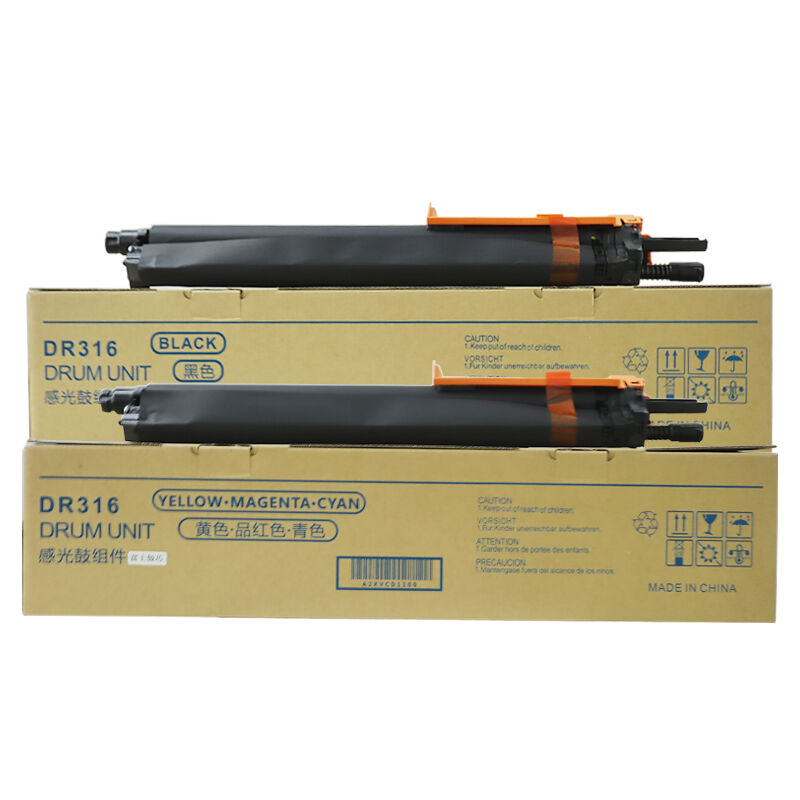
laser printer imaging drum
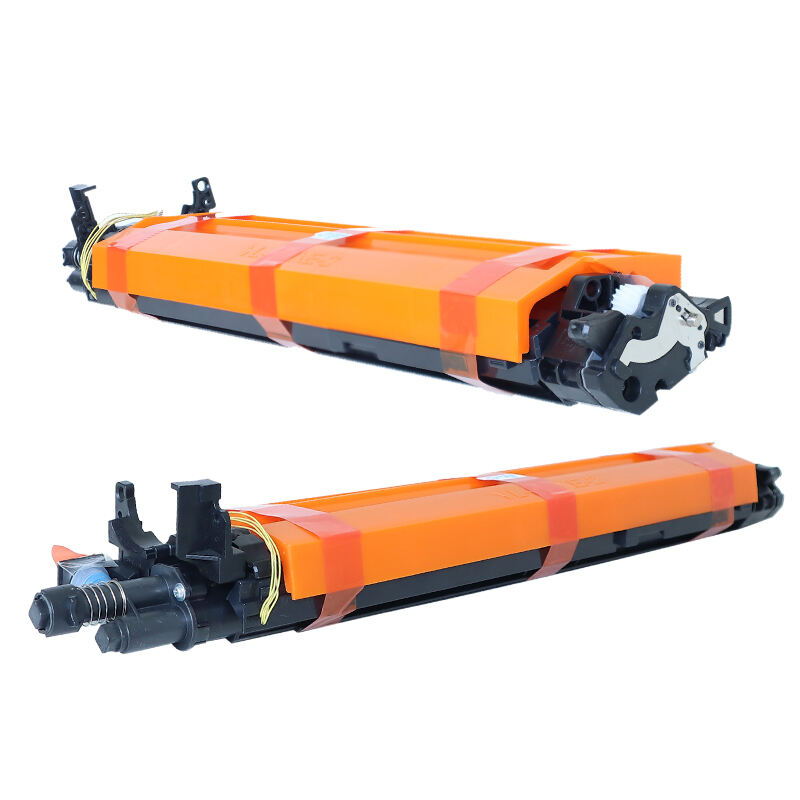
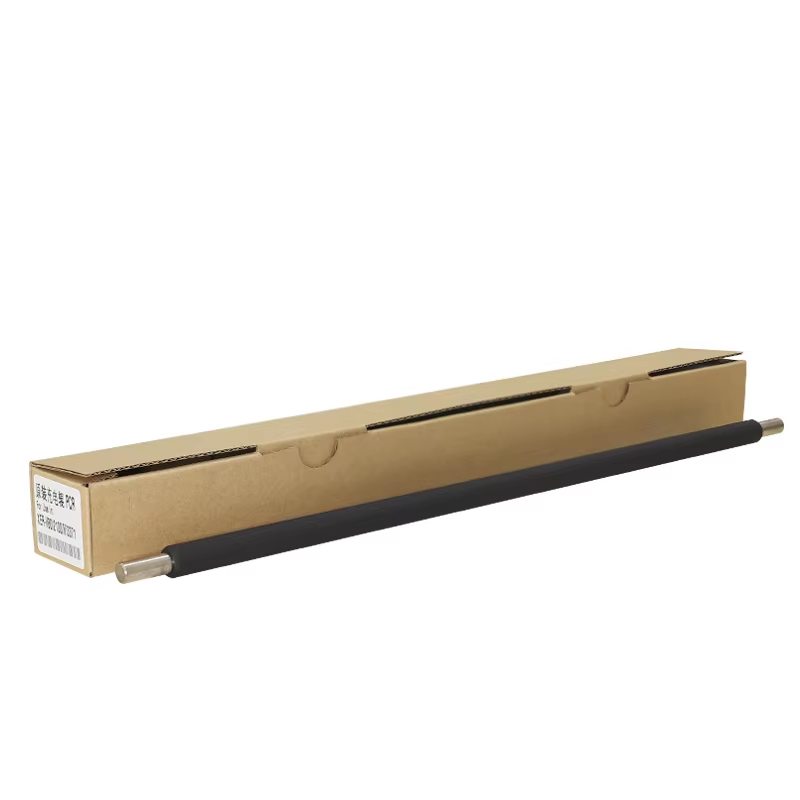
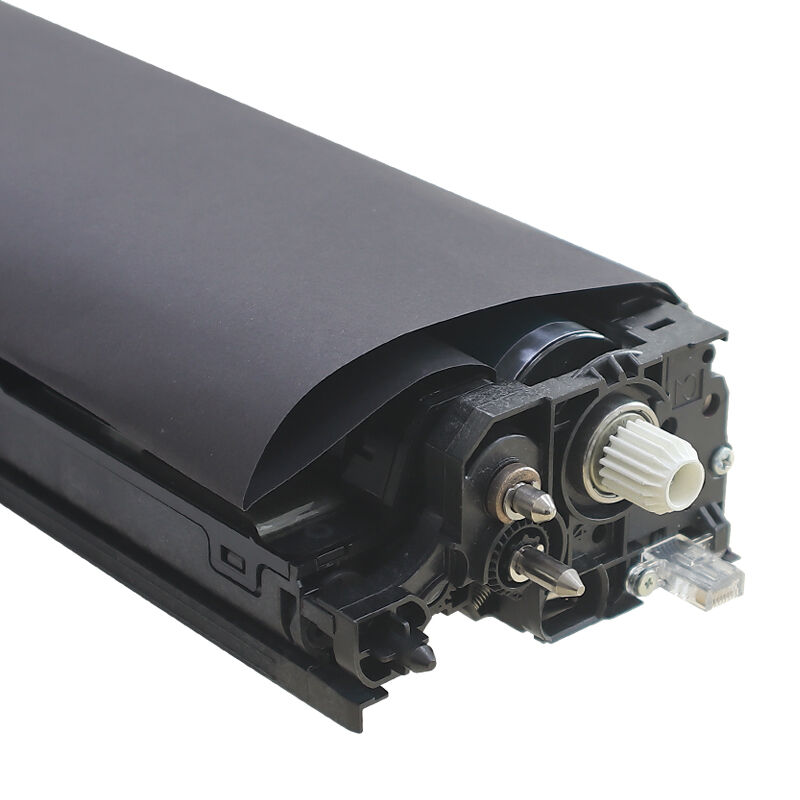
The laser printer imaging drum stands as a fundamental component within laser printing technology, serving as the central element that transforms digital information into physical printed documents. This cylindrical device, typically coated with photoconductive material, operates through a sophisticated process of electrostatic charge manipulation and toner attraction. The primary function of this essential component involves receiving a laser beam that selectively discharges specific areas on its surface, creating an invisible electrostatic image that corresponds to the content being printed. Once this latent image forms, the drum attracts toner particles to the charged regions, which are subsequently transferred onto paper through heat and pressure application. The technological sophistication behind the imaging drum reflects decades of advancement in photoconductive materials and precision engineering. Modern drums incorporate organic photoconductor materials that provide superior image quality, extended operational lifespan, and enhanced environmental sustainability compared to earlier selenium-based alternatives. The surface coating responds precisely to laser light exposure, enabling the creation of sharp text and detailed graphics with resolution capabilities reaching 1200 dots per inch or higher. Applications for this critical component extend across diverse sectors including corporate offices, educational institutions, healthcare facilities, legal practices, and commercial printing operations. Small businesses rely on these drums for producing professional correspondence, while large enterprises depend on them for high-volume document production. The drum's ability to maintain consistent print quality throughout thousands of page cycles makes it indispensable for organizations requiring reliable document output. Furthermore, the component's design allows for straightforward replacement procedures, minimizing downtime and maintenance complexity. Understanding the imaging drum's role helps users appreciate how their printing equipment delivers precise, consistent results page after page, making it a cornerstone technology in modern document production workflows.
 EN
EN