fuser roller
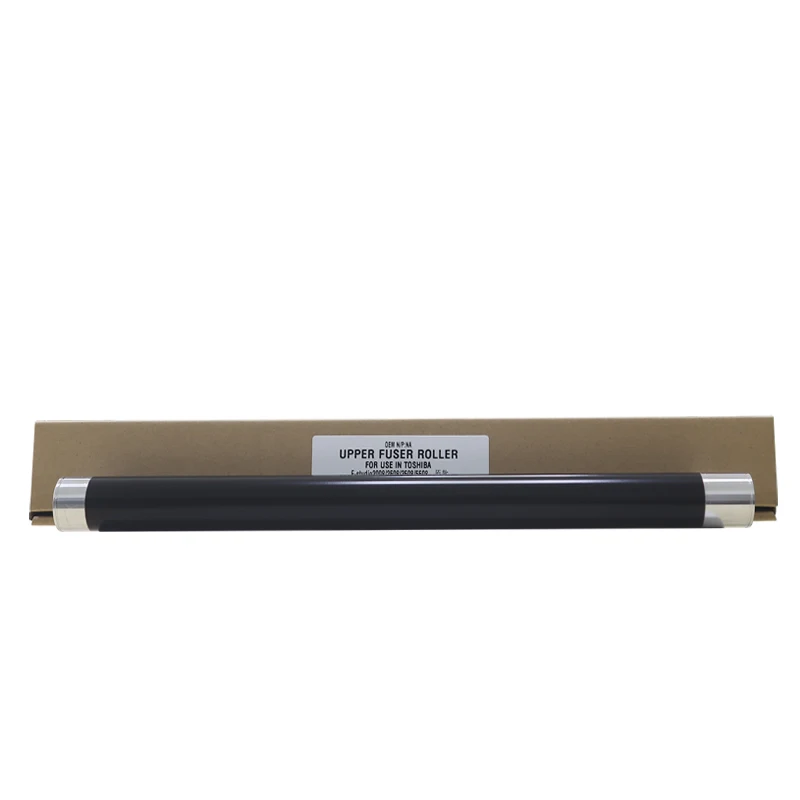
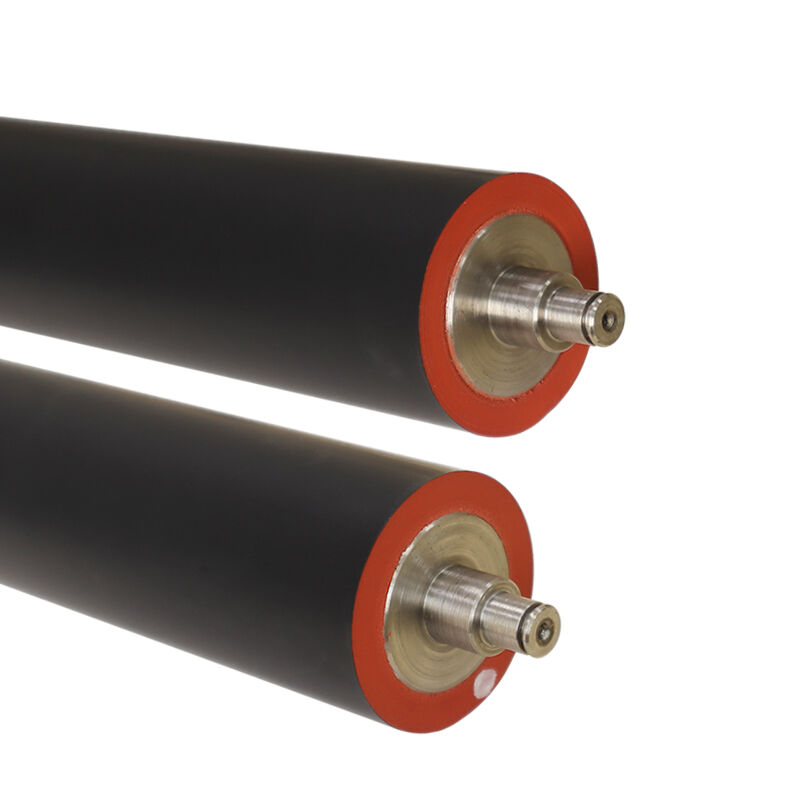
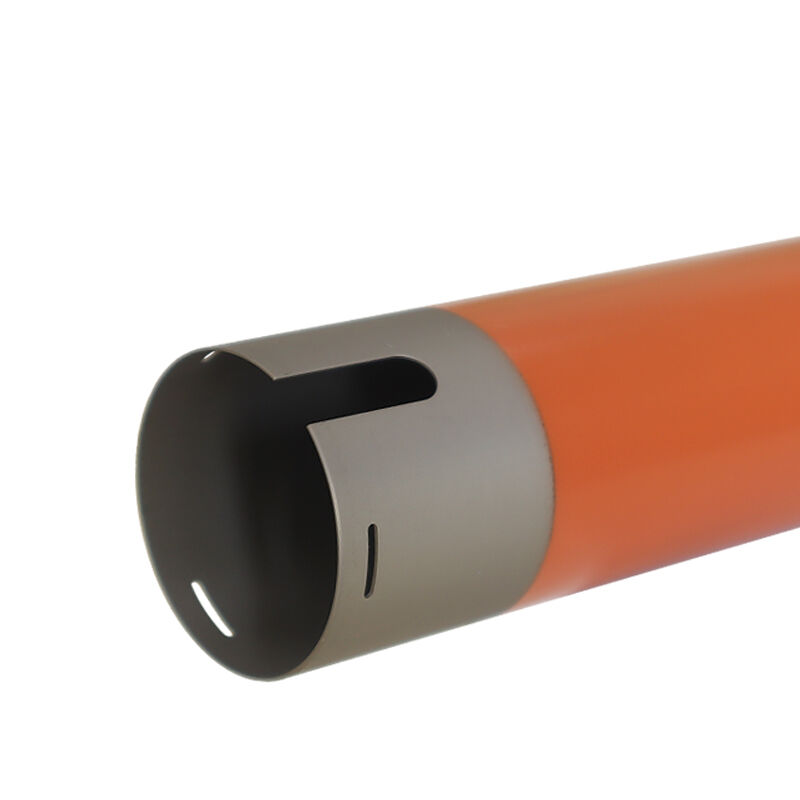
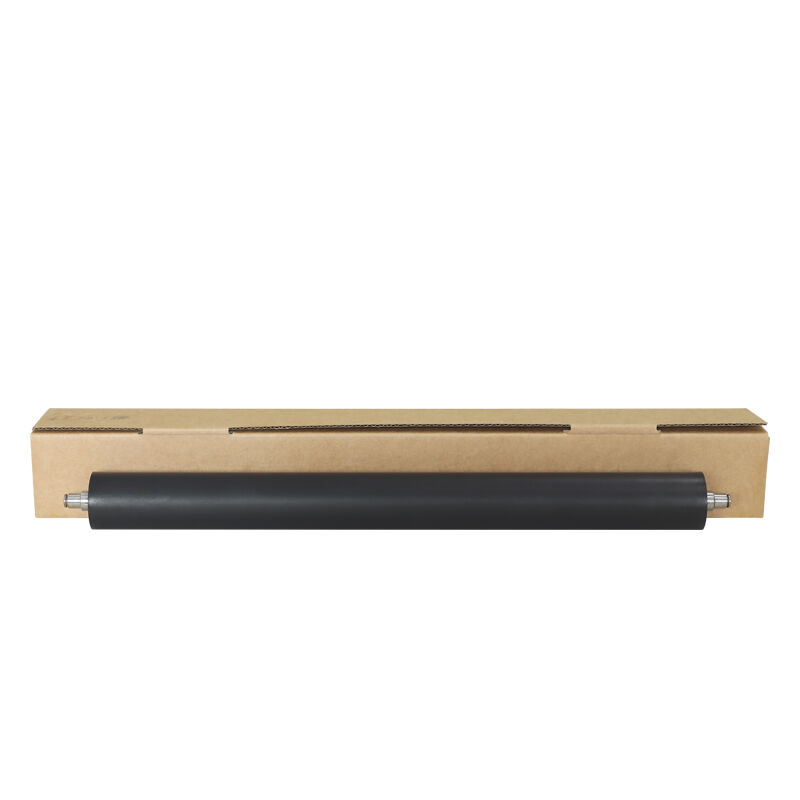
The fuser roller represents a critical component in laser printing technology, serving as the primary mechanism that permanently bonds toner particles to paper surfaces through controlled heat and pressure application. This cylindrical device operates at precisely regulated temperatures, typically ranging between 180 to 200 degrees Celsius, ensuring optimal toner adhesion while maintaining paper integrity. Modern fuser roller systems incorporate advanced heating elements, including ceramic or halogen lamps, which provide rapid warm-up times and consistent temperature distribution across the entire roller surface. The fuser roller works in tandem with a pressure roller, creating a nip point where paper passes through and receives the final fixation process that transforms loose toner powder into permanent, smudge-resistant images and text. Manufacturing processes for fuser roller units involve sophisticated engineering, utilizing materials such as aluminum cores coated with specialized heat-resistant polymers like PFA, PTFE, or silicone rubber. These coating materials are selected for their exceptional release properties, preventing toner adhesion to the roller surface while withstanding continuous thermal cycling without degradation. The fuser roller diameter and length vary according to printer specifications, with larger format devices requiring correspondingly larger components to accommodate wider paper paths. Quality fuser roller construction directly impacts print output characteristics, including gloss levels, color vibrancy, and document durability. Professional-grade fuser roller assemblies feature precision-machined surfaces with minimal runout tolerances, ensuring uniform pressure distribution and consistent heat transfer throughout the printing process. Temperature control systems integrated within fuser roller mechanisms employ thermistors and feedback circuits to maintain optimal operating conditions, automatically adjusting power delivery based on print job requirements and environmental factors. The longevity of fuser roller components depends on usage patterns, maintenance practices, and the quality of materials used in construction, with premium units capable of processing hundreds of thousands of pages before requiring replacement.
 EN
EN