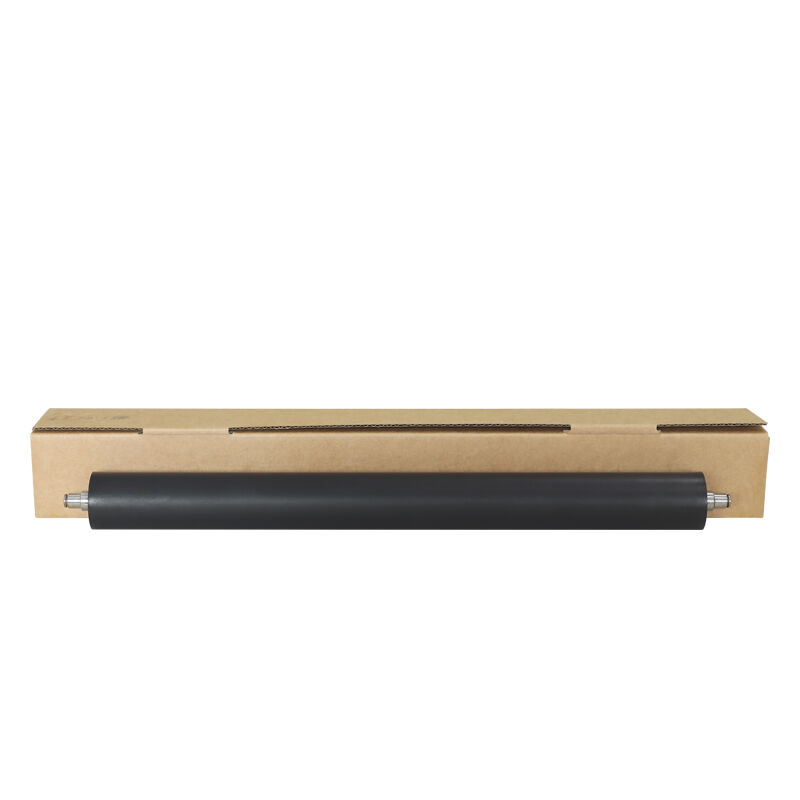
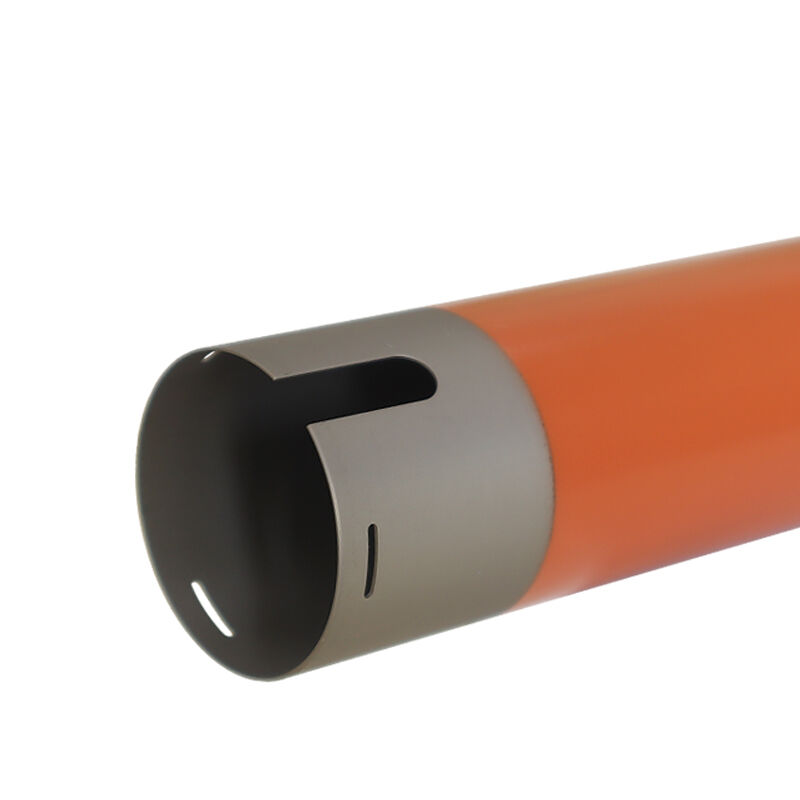
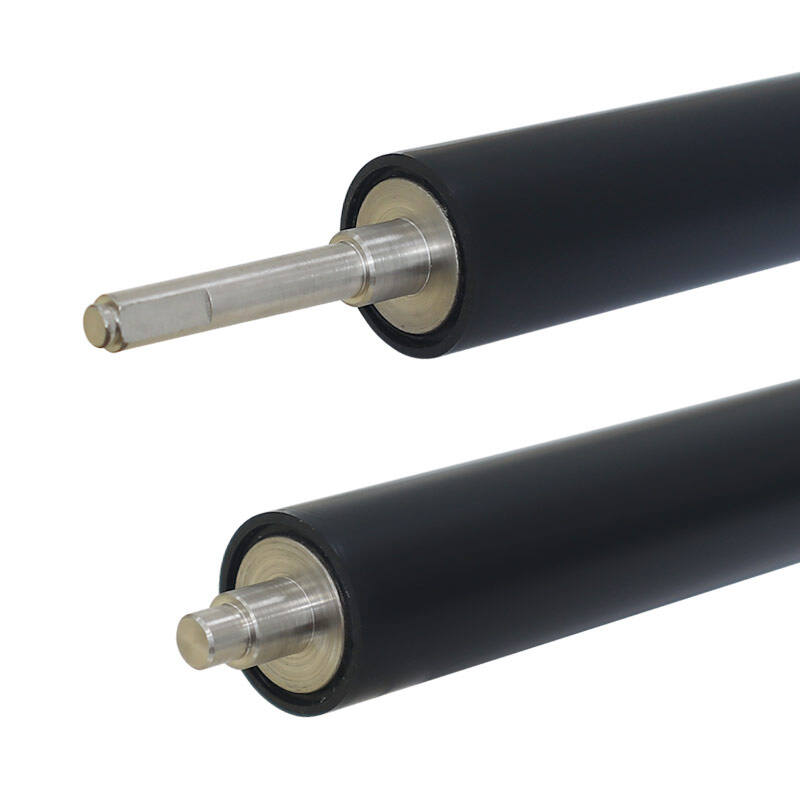
fuser heat roller
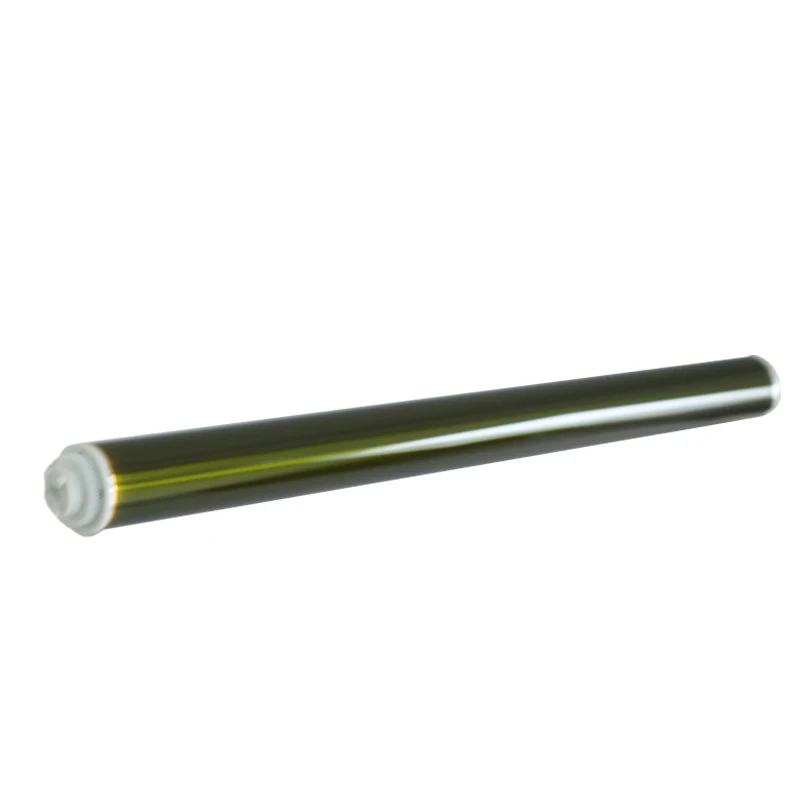
The fuser heat roller represents a critical component in modern laser printing technology, serving as the heart of the document fixing process. This essential cylindrical element operates at precisely controlled temperatures to permanently bond toner particles onto paper surfaces, transforming loose powder into crisp, durable prints. Within the fusing assembly, the fuser heat roller works in conjunction with a pressure roller to create the necessary heat and compression for optimal print quality. Manufactured from high-grade aluminum or steel cores, these rollers feature specialized coating materials designed to withstand continuous thermal stress while maintaining consistent performance across thousands of printing cycles. The fuser heat roller typically operates within a temperature range of 180 to 200 degrees Celsius, carefully regulated by internal thermistors and heating elements that respond instantly to variations in workload and environmental conditions. Modern fuser heat roller designs incorporate advanced ceramic heating technology, which enables faster warm-up times and more efficient energy consumption compared to traditional halogen lamp systems. The roller surface receives special treatment with materials such as PFA or PTFE, ensuring non-stick properties that prevent toner adhesion and paper jams while extending component lifespan. This sophisticated piece of equipment plays an indispensable role across diverse printing applications, from small office environments to high-volume commercial printing facilities. The engineering behind each fuser heat roller reflects decades of refinement in thermal management, material science, and precision manufacturing. As documents pass between the heated roller and its pressure counterpart, the controlled heat application melts toner particles just enough to create molecular bonding with paper fibers, resulting in permanent, smudge-resistant images and text. Understanding the fuser heat roller's operation helps organizations make informed decisions about printer maintenance, replacement schedules, and equipment investments. The reliability and efficiency of this component directly impact print quality, operational costs, and overall productivity in any printing environment.
 EN
EN