 EN
EN

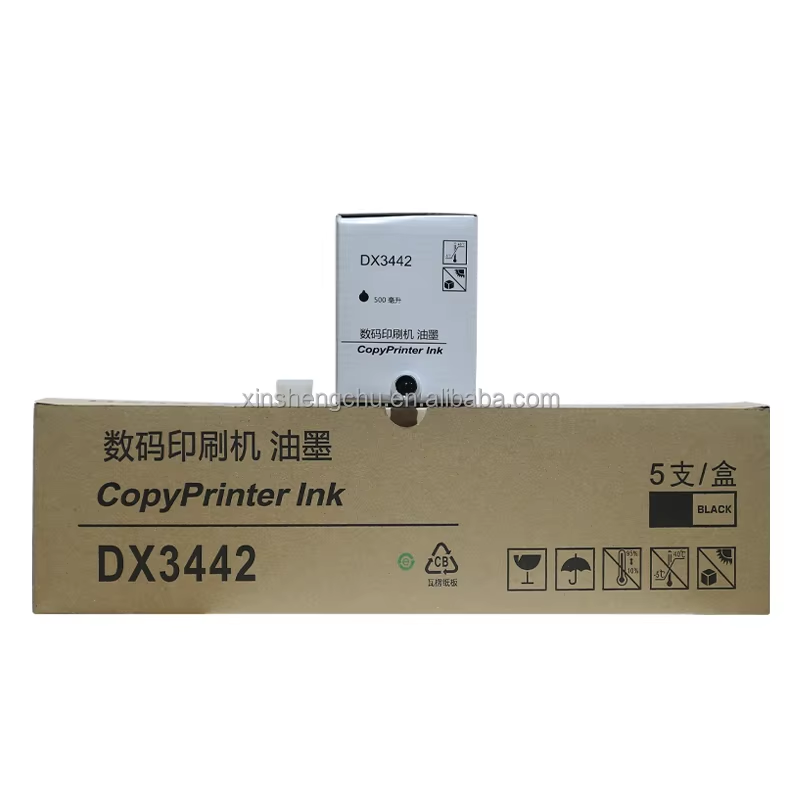
Selecting the right printing ink is crucial for achieving professional-quality results in any printing operation. Whether you're running a commercial print shop, managing an office duplicator, or overseeing industrial printing processes, the quality of your printing ink directly impacts the final output. Professional printers understand that inferior ink leads to poor color reproduction, inconsistent coverage, and frequent equipment maintenance issues. The challenge lies in identifying high-quality printing ink that delivers consistent performance while maintaining cost-effectiveness for your specific printing requirements.
Understanding the fundamental characteristics of superior printing ink helps establish clear selection criteria. Quality printing ink must demonstrate excellent flow properties, consistent viscosity, and optimal adhesion to various substrates. The pigment concentration directly affects color intensity and coverage efficiency, while the carrier medium determines how well the ink transfers during the printing process. Professional printing operations require ink that maintains stable performance across different environmental conditions, including temperature fluctuations and humidity variations that commonly occur in commercial settings.
Understanding Ink Composition and Quality Indicators
Essential Components of Professional Printing Ink
High-quality printing ink consists of carefully balanced components that work together to produce exceptional results. The pigment system provides color density and opacity, while binders ensure proper adhesion to the printing substrate. Solvents or carriers facilitate smooth ink flow through printing equipment, and additives enhance specific performance characteristics such as drying time, gloss level, and durability. Understanding these components helps printing professionals evaluate printing ink quality and select products that meet their specific requirements.
The pigment quality significantly impacts the overall performance of printing ink. Premium pigments offer superior color consistency, lightfastness, and chemical stability compared to lower-grade alternatives. High-quality printing ink utilizes pigments with uniform particle size distribution, ensuring smooth ink flow and consistent color reproduction across large print runs. The concentration of active pigments determines the coverage efficiency and color intensity, directly affecting the cost-per-impression calculations that drive printing economics.
Quality Testing Methods for Ink Evaluation
Professional printing operations employ various testing methods to evaluate printing ink quality before committing to large-volume purchases. Viscosity testing ensures the ink maintains proper flow characteristics under different operating conditions. Color consistency testing involves printing standardized color patches and measuring variations using spectrophotometric equipment. These quality assurance measures help identify superior printing ink products that deliver consistent performance throughout extended production runs.
Laboratory testing procedures also evaluate the drying characteristics and adhesion properties of printing ink samples. Quick-drying formulations prevent smudging and reduce production delays, while proper adhesion prevents ink transfer and ensures durable printed materials. Professional printers often conduct small-scale trials using candidate printing ink products to assess real-world performance before making final selection decisions. This systematic approach minimizes the risk of production disruptions and ensures optimal results.
Compatibility Considerations for Different Printing Systems
Equipment-Specific Ink Requirements
Different printing technologies require specific printing ink formulations designed to optimize performance with particular equipment types. Offset printing systems demand ink with precise rheological properties to ensure proper ink transfer through the roller system. Digital printing equipment requires specially formulated printing ink that flows smoothly through inkjet nozzles without clogging or causing print head damage. Understanding these equipment-specific requirements helps printing professionals select compatible ink products.
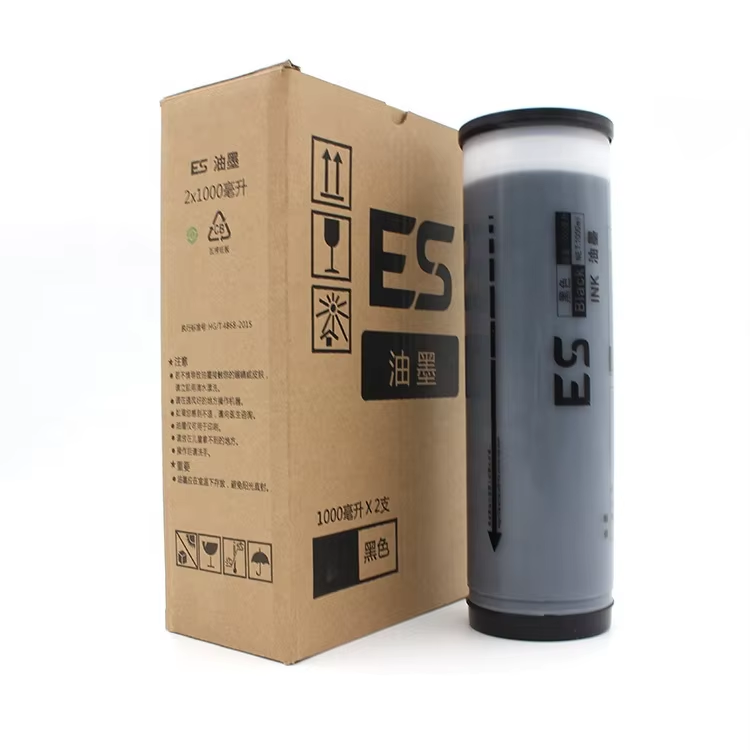
Duplicator systems, particularly those used in high-volume production environments, require printing ink with specific flow characteristics and quick-setting properties. The ink must transfer efficiently from the master cylinder while maintaining consistent density throughout the printing process. Compatible printing ink formulations ensure optimal performance while preventing equipment damage that could result from incompatible chemical interactions.
Substrate Compatibility and Adhesion Properties
The printing substrate significantly influences printing ink selection requirements. Coated papers require ink formulations with controlled penetration characteristics to prevent show-through while maintaining sharp image definition. Uncoated substrates demand printing ink with enhanced absorption properties to ensure proper adhesion without excessive penetration that could compromise print quality. Understanding substrate interactions helps optimize ink selection for specific applications.
Specialty substrates such as synthetic materials, metallic surfaces, or textured papers require specialized printing ink formulations with enhanced adhesion properties. These applications often demand ink with specific chemical resistance characteristics to withstand environmental exposure or handling requirements. Professional printing operations must evaluate both immediate print quality and long-term durability when selecting printing ink for challenging substrate applications.
Performance Characteristics and Quality Metrics
Color Consistency and Reproduction Accuracy
Exceptional printing ink delivers consistent color reproduction across entire print runs, regardless of environmental conditions or equipment variations. Color stability depends on high-quality pigments that resist fading, bleeding, or chemical interactions with other ink components. Professional printing ink maintains consistent density and hue throughout extended production runs, ensuring uniform appearance across all printed materials. This consistency is particularly critical for brand-sensitive applications where color variations could impact professional image.
Advanced printing ink formulations incorporate color management technologies that enhance reproduction accuracy across different printing conditions. These formulations account for substrate variations, equipment calibration differences, and environmental factors that could affect color appearance. Quality printing ink produces predictable results that match color specifications and maintain consistency across multiple production batches, enabling professional printers to deliver reliable results to their clients.
Durability and Resistance Properties
Professional applications require printing ink with superior durability characteristics that maintain print quality over extended periods. Light resistance prevents color fading when printed materials are exposed to natural or artificial lighting. Chemical resistance protects printed surfaces from common contaminants such as oils, solvents, or cleaning agents that might contact the finished products. These durability features are essential for applications including outdoor signage, product packaging, or archival documents.
Environmental resistance properties ensure printed materials maintain their appearance and functionality under challenging conditions. High-quality printing ink resists moisture absorption that could cause color bleeding or substrate distortion. Temperature stability prevents ink degradation during storage or use in extreme environmental conditions. These performance characteristics extend the useful life of printed materials and reduce the need for reprinting due to quality degradation.
Cost-Effectiveness and Value Analysis
Total Cost of Ownership Calculations
Evaluating printing ink value requires comprehensive analysis beyond initial purchase price considerations. Premium printing ink often delivers superior coverage efficiency, reducing the total volume required for each print job. Higher pigment concentrations in quality printing ink formulations typically provide better opacity and color intensity, potentially reducing the number of passes required to achieve desired print density. These efficiency improvements directly impact production costs and overall profitability.
Equipment maintenance costs also factor into total cost calculations for printing ink selection. Superior printing ink formulations reduce cleaning frequency and minimize residue buildup that could damage printing equipment. Consistent flow characteristics reduce mechanical wear on printing systems, extending equipment life and reducing maintenance expenses. Quality printing ink investments often result in lower total operating costs despite higher initial purchase prices.
Volume Purchasing and Supply Chain Considerations
Large-volume printing operations benefit from establishing relationships with reliable printing ink suppliers who can provide consistent product quality and dependable delivery schedules. Volume purchasing agreements often include quality guarantees and technical support services that add value beyond the basic product cost. Professional printers should evaluate supplier capabilities, including inventory management, quality control procedures, and technical expertise when selecting printing ink partners.
Supply chain reliability becomes particularly important for time-sensitive printing projects or operations with limited storage capacity. Quality printing ink suppliers maintain adequate inventory levels and provide accurate delivery estimates that enable production planning and scheduling. Establishing backup supplier relationships ensures continuity of operations even when primary suppliers experience disruptions or capacity constraints.
FAQ
How can I determine if printing ink is compatible with my specific printing equipment?
Compatibility testing involves evaluating several key factors including viscosity measurements, flow characteristics, and chemical composition. Contact your equipment manufacturer for recommended ink specifications, then request samples from potential suppliers for small-scale testing. Monitor print quality, equipment performance, and any unusual wear patterns during trial runs. Most professional printing ink suppliers provide technical data sheets that specify compatibility with various equipment types and can offer guidance based on your specific printing system requirements.
What factors affect the shelf life of printing ink and how should it be stored?
Printing ink shelf life depends on storage temperature, humidity levels, and exposure to air or contaminants. Store ink containers in temperature-controlled environments between 60-75°F with relative humidity below 50%. Keep containers tightly sealed when not in use and avoid exposure to direct sunlight or heat sources. Properly stored high-quality printing ink typically maintains performance characteristics for 12-24 months, though specific timeframes vary by formulation and manufacturer recommendations.
How do I calculate the true cost per impression when comparing different printing ink options?
Calculate cost per impression by dividing the total ink cost by the number of acceptable prints produced. Include factors such as coverage efficiency, waste during setup and cleaning, and any additional maintenance costs associated with each ink type. Premium printing ink often provides better coverage and requires less volume per impression, potentially offering lower total costs despite higher initial prices. Consider productivity factors such as drying time and setup requirements that affect overall production efficiency.
What quality indicators should I look for when evaluating printing ink suppliers?
Evaluate suppliers based on quality certifications, consistency of product performance, technical support availability, and delivery reliability. Request documentation of quality control procedures, batch testing results, and compatibility information for your specific equipment. Assess the supplier's ability to provide technical assistance, troubleshooting support, and custom formulations if needed. Consider the supplier's industry reputation, customer references, and their commitment to maintaining consistent product quality across different production batches.
Table of Contents
- Understanding Ink Composition and Quality Indicators
- Compatibility Considerations for Different Printing Systems
- Performance Characteristics and Quality Metrics
- Cost-Effectiveness and Value Analysis
-
FAQ
- How can I determine if printing ink is compatible with my specific printing equipment?
- What factors affect the shelf life of printing ink and how should it be stored?
- How do I calculate the true cost per impression when comparing different printing ink options?
- What quality indicators should I look for when evaluating printing ink suppliers?