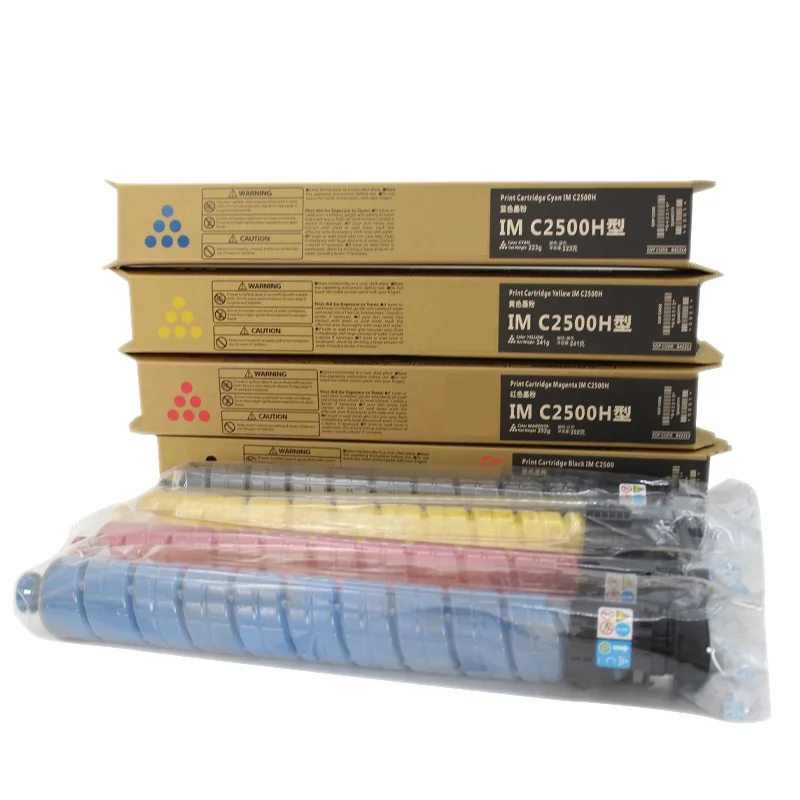
Business businesses can save money on printing costs by using compatible toner cartridges, which ensure consistent print performance. The manufacturing standards for compatible toner cartridges differ. Low-quality products may lead to poor print quality, frequent machine malfunctions, or damage to printing equipment. It is important to recognize which toner cartridges are inferior and purchase them in order for distributors, resellers and end users to avoid unnecessary expenses.
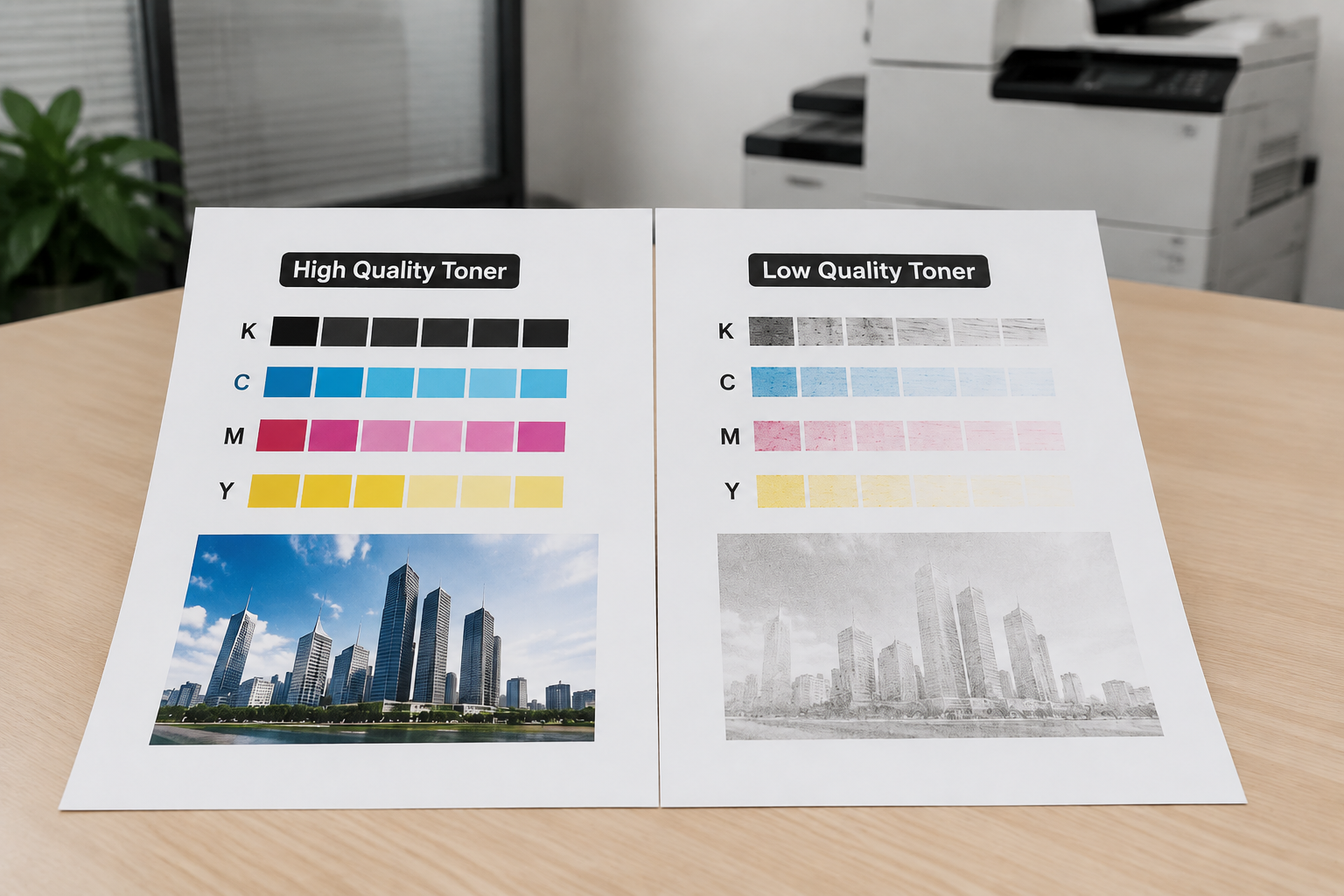
Symptoms of a low-quality compatible toner cartridge include inconsistent print quality. Faded text, uneven density, gray backgrounds and frequent toner leaks, or repeated spots on printed pages are common issues with poor cartridges. The causes of these problems are usually due to low-quality toner powder, unstable components, or inaccurate manufacturing methods. A good compatible toner cartridge should provide clear images, sharp text and consistent performance throughout its rated page yield.
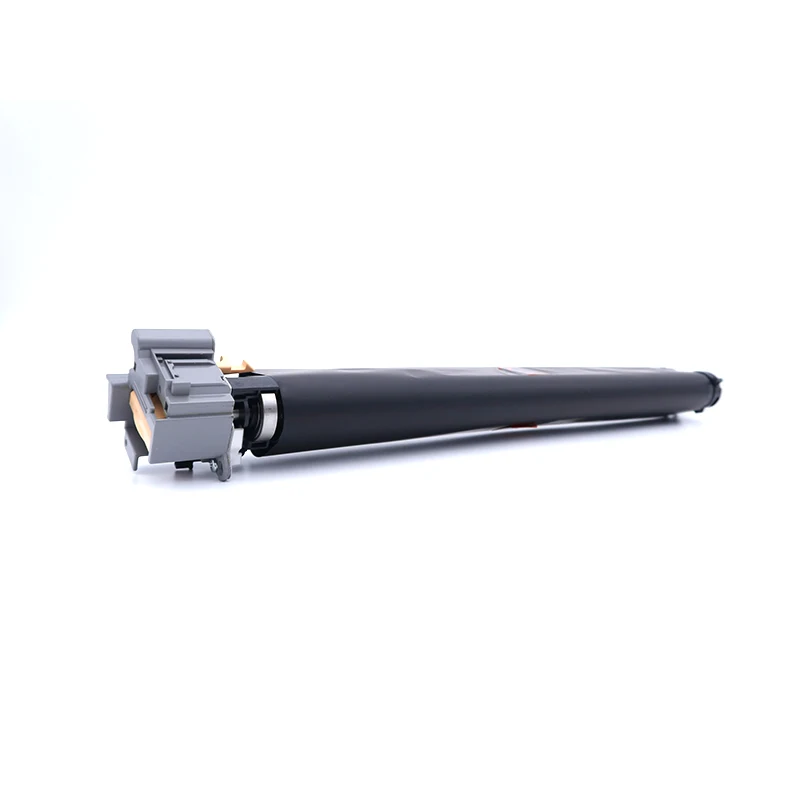
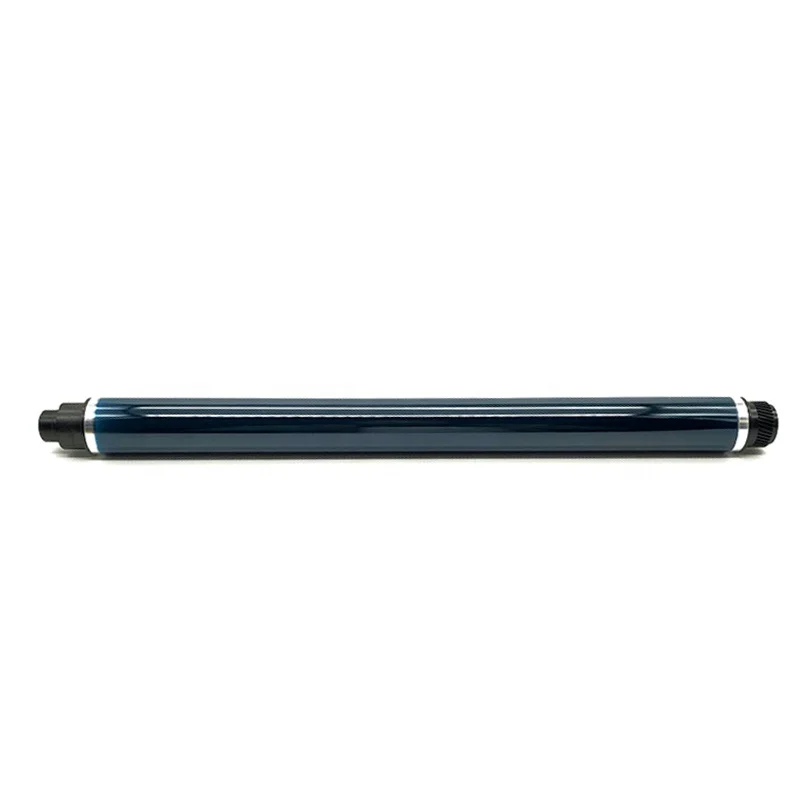
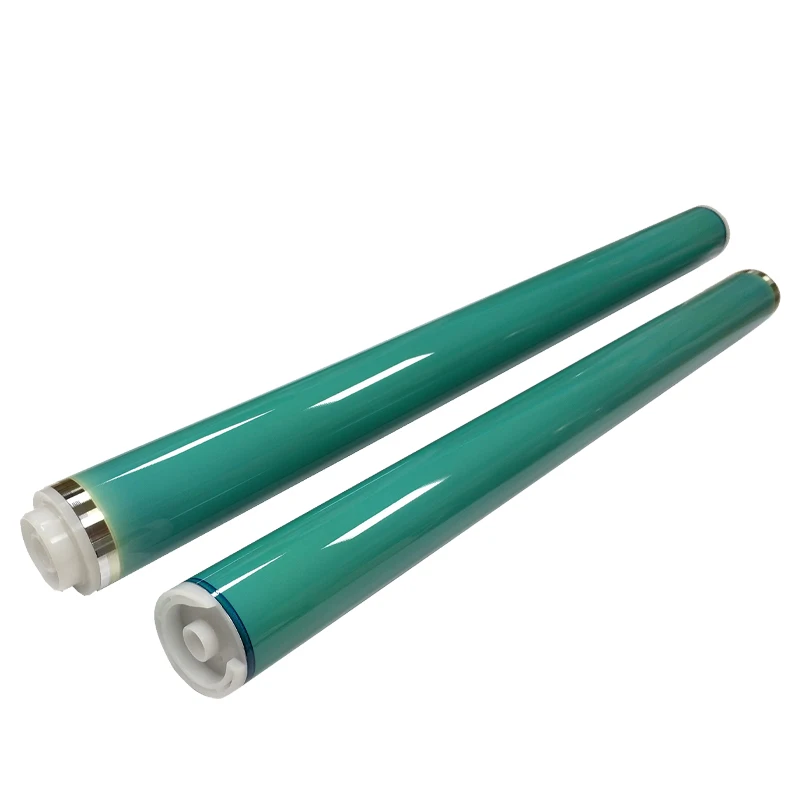
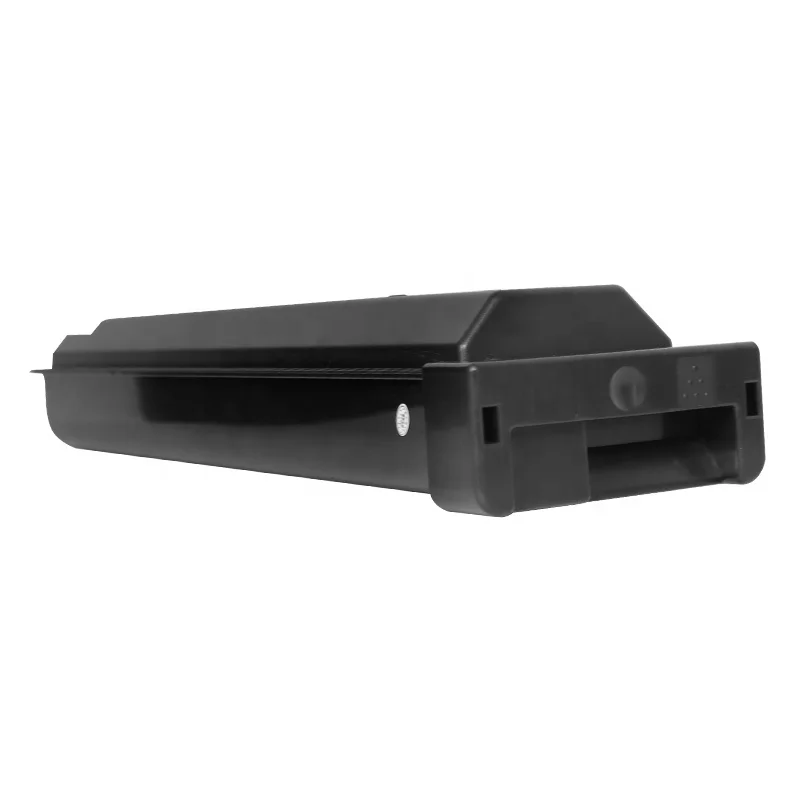
The physical appearance and construction of the cartridge can also reveal its quality. Low-quality toner cartridges may use weak plastic materials, poorly assembled parts, or recycled components without proper inspection. When checking a cartridge, pay attention to the sealing structure, drum surface condition, gear accuracy, and overall assembly quality. Professional manufacturers usually apply strict quality control procedures to ensure every component works smoothly with the target printer or copier model.
Another important factor is toner powder quality. Inferior toner powder can affect image clarity, fusing performance, and machine stability. For example, poor-quality toner may not melt properly during the fixing process, causing smudging or loose prints. High-quality compatible toner cartridges use specially developed toner formulations that match the requirements of different printer and copier systems, providing consistent output and reducing maintenance problems.
Page yield is also a key indicator when evaluating compatible toner cartridges. Some low-cost cartridges appear attractive because of their low price, but they may contain less toner or have a shorter lifespan than advertised. Buyers should compare the actual page yield, printing coverage standards, and customer feedback before making a decision. A reliable supplier should provide transparent product specifications and testing reports to support product performance claims.
Supplier experience and quality certification are equally important when selecting compatible toner cartridges. Established manufacturers usually have professional production lines, strict inspection processes, and compatibility testing equipment. Working with a trustworthy supplier not only ensures better product quality but also provides long-term support for wholesalers, distributors, and businesses that require stable supply.
In conclusion, identifying low-quality compatible toner cartridges requires more than comparing prices. Print performance, cartridge construction, toner quality, page yield, and supplier reliability should all be considered before purchasing. By choosing compatible toner cartridges from experienced manufacturers with strong quality control systems, businesses can achieve cost savings while maintaining reliable printing performance and customer satisfaction.
 Hot News
2026-08-19
2026-08-12
2026-07-30
2026-07-24
2026-07-21
2026-07-11
Guangzhou SC Office Equipment Co., Ltd specializes in high-quality, Japan-compatible copier and printer consumables since 2009. Discover reliable toner cartridges and imaging solutions.
Building H, Yushu Innovation Park, Science City, Huangpu District, Guangzhou, Guangdong, China
Copyright © 2026 Guangzhou Xinshengchu Office Equipment Co., Ltd. All right Privacy Policy
 EN
EN