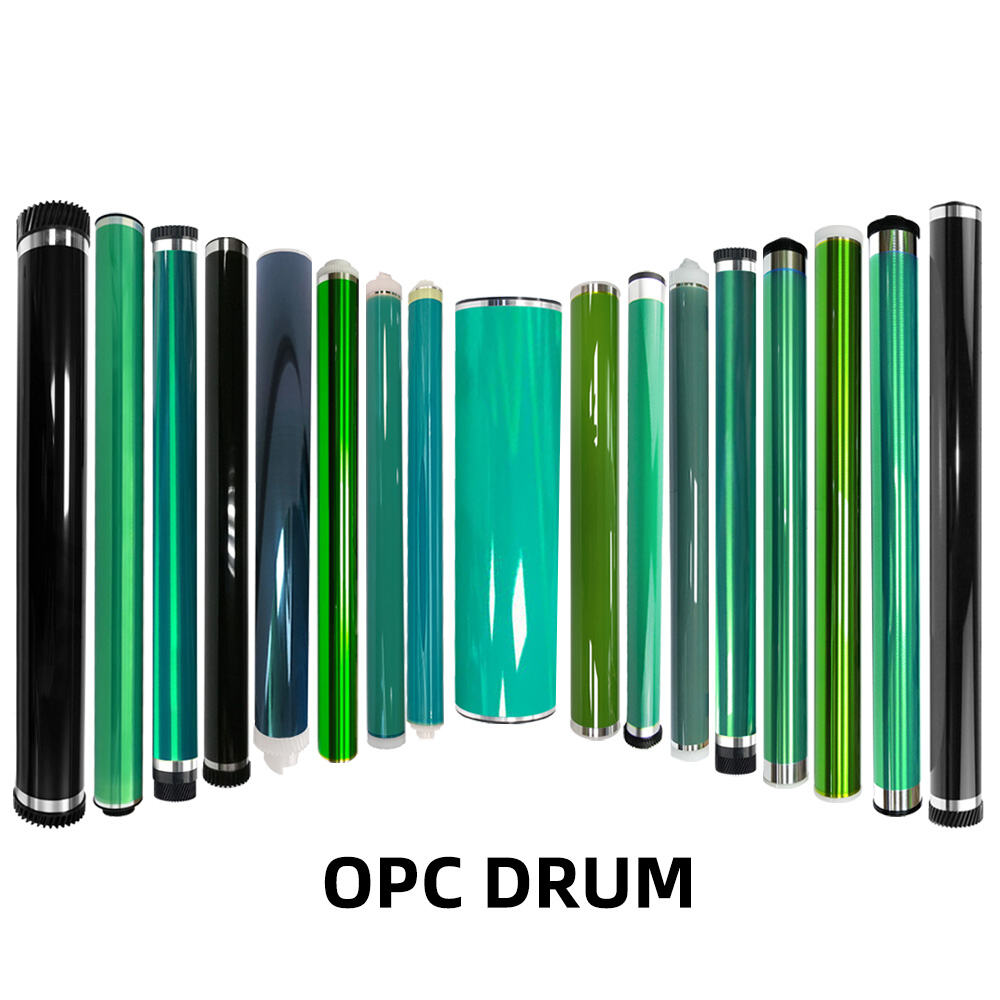
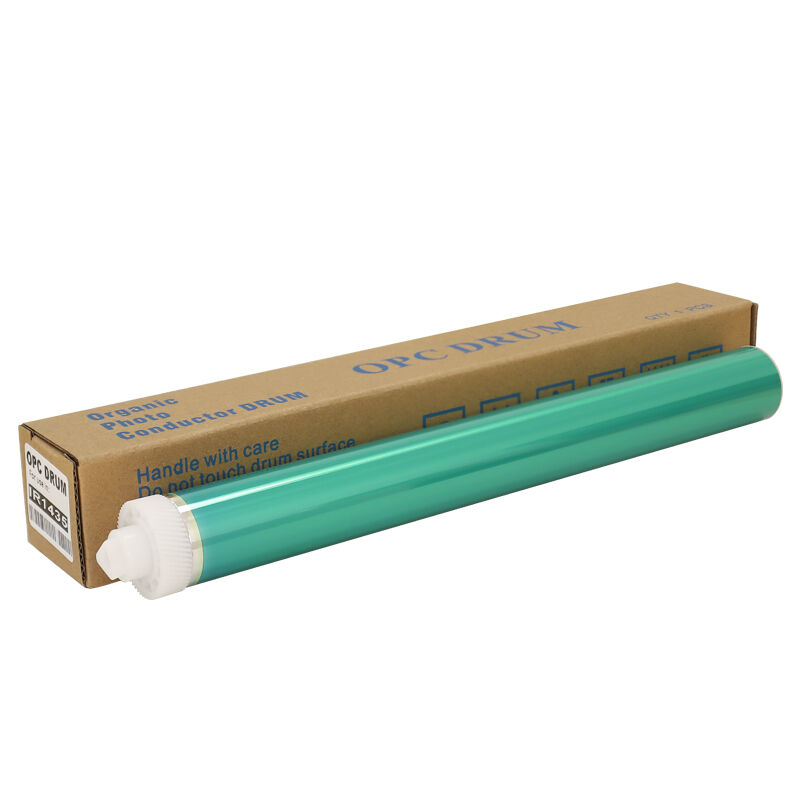
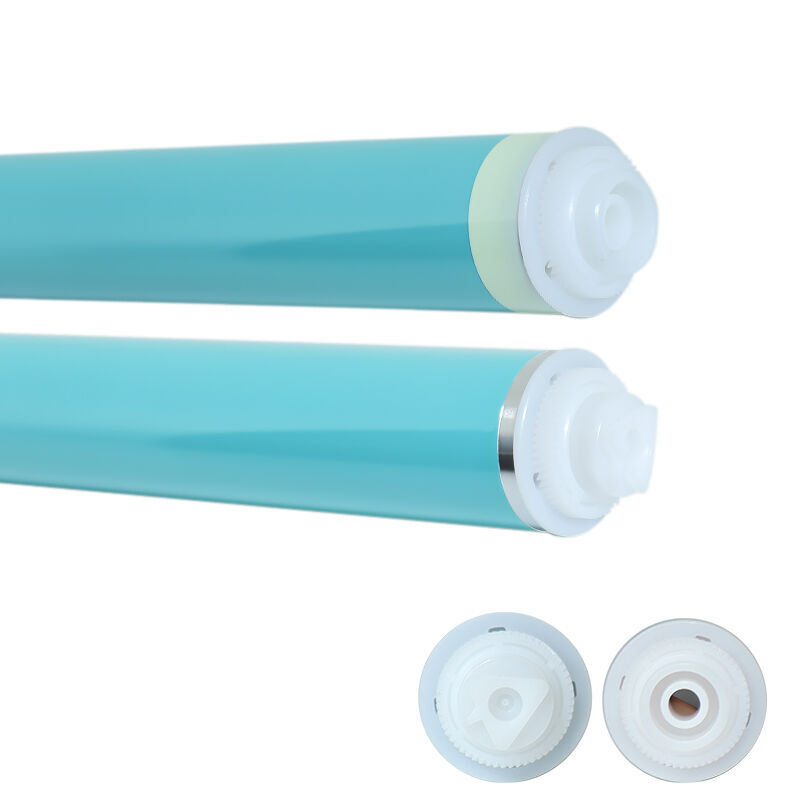
Professional OPC Drum Manufacturer - Premium Quality Photoconductor Drums for All Printer Models

Get a Free Quote

Our representative will contact you soon.
Email
Mobile
Whatsapp or Wechat ID
Company Name
Name
Message
0/1000

opc drum manufacturer

An OPC drum manufacturer specializes in producing organic photoconductor drums, which serve as essential components in laser printers, photocopiers, and multifunction printing devices. These manufacturers engineer precision cylinders coated with light-sensitive organic materials that enable the electrophotographic printing process. The primary function of an OPC drum manufacturer involves creating drums that receive electrostatic charges, attract toner particles in specific patterns, and transfer these patterns onto paper to produce crisp, clear images and text. The manufacturing process requires advanced coating technologies, precise quality control measures, and specialized expertise in photoconductive materials. Modern OPC drum manufacturers utilize sophisticated production facilities equipped with cleanroom environments to prevent contamination during the delicate coating application process. The technological features of reputable manufacturers include multilayer coating systems that enhance durability, extended lifespan capabilities, and consistent print quality throughout thousands of printing cycles. These manufacturers develop drums compatible with various printer brands and models, offering both original equipment manufacturer specifications and aftermarket alternatives. The application scope of OPC drum manufacturers extends across commercial printing operations, office environments, educational institutions, and industrial documentation centers. They supply products to printer manufacturers, refurbishing companies, and distributors who serve end users worldwide. Quality OPC drum manufacturers invest heavily in research and development to improve photoconductive layer formulations, increase wear resistance, and optimize charge acceptance properties. Their production capabilities encompass various drum sizes ranging from compact desktop printer components to large-format commercial printing cylinders. Environmental considerations have become increasingly important, with leading manufacturers implementing sustainable practices and developing recyclable drum designs. The manufacturing process involves substrate preparation, undercoat application, charge generation layer deposition, charge transport layer coating, and protective overcoat finishing. Each production stage requires meticulous attention to detail and adherence to stringent quality standards to ensure consistent performance across different printing conditions and operational demands.

Popular Products

Partnering with a professional OPC drum manufacturer delivers significant practical benefits that directly impact your printing operations and bottom line. First, you gain access to products engineered with precision manufacturing techniques that ensure consistent print quality across thousands of pages. These manufacturers employ rigorous testing protocols that verify each drum meets exact specifications before leaving the facility, which means you receive reliable components that perform as expected from the first print to the last. Cost efficiency represents another major advantage, as established manufacturers optimize production processes to offer competitive pricing without sacrificing quality standards. You save money not only on the initial purchase but also through reduced maintenance costs and fewer premature replacements. The extended lifespan of professionally manufactured OPC drums translates to lower per-page printing costs, making your operations more economically sustainable over time. Technical support becomes readily available when you work with dedicated manufacturers who understand their products intimately. They provide troubleshooting assistance, compatibility guidance, and usage recommendations tailored to your specific printing equipment and operational requirements. This expert support minimizes downtime and helps you resolve issues quickly when they arise. Supply chain reliability ensures you maintain uninterrupted printing capabilities, as established manufacturers maintain adequate inventory levels and fulfill orders promptly. You avoid production delays and emergency situations caused by component shortages. Quality assurance processes implemented by professional manufacturers protect you from defective products that could damage expensive printing equipment or produce substandard output. Their commitment to excellence means every drum undergoes inspection and testing before shipment. Environmental responsibility practiced by modern manufacturers benefits your corporate sustainability goals, as they develop recyclable products and implement eco-friendly production methods that reduce environmental impact. Customization capabilities allow manufacturers to develop specialized drums for unique applications or proprietary printing systems, giving you solutions precisely matched to your needs. Wide compatibility ranges mean you source multiple drum types from a single reliable supplier, simplifying procurement processes and vendor management. Innovation access keeps your operations current with the latest advancements in photoconductor technology, including improved sensitivity, enhanced durability, and superior image resolution capabilities. Consistent supply quality eliminates variation between batches, ensuring predictable performance that your team can depend on for critical printing tasks. Warranty protection provided by reputable manufacturers gives you confidence and financial protection against manufacturing defects. Documentation and certification compliance ensures products meet industry standards and regulatory requirements relevant to your sector.

Practical Tips

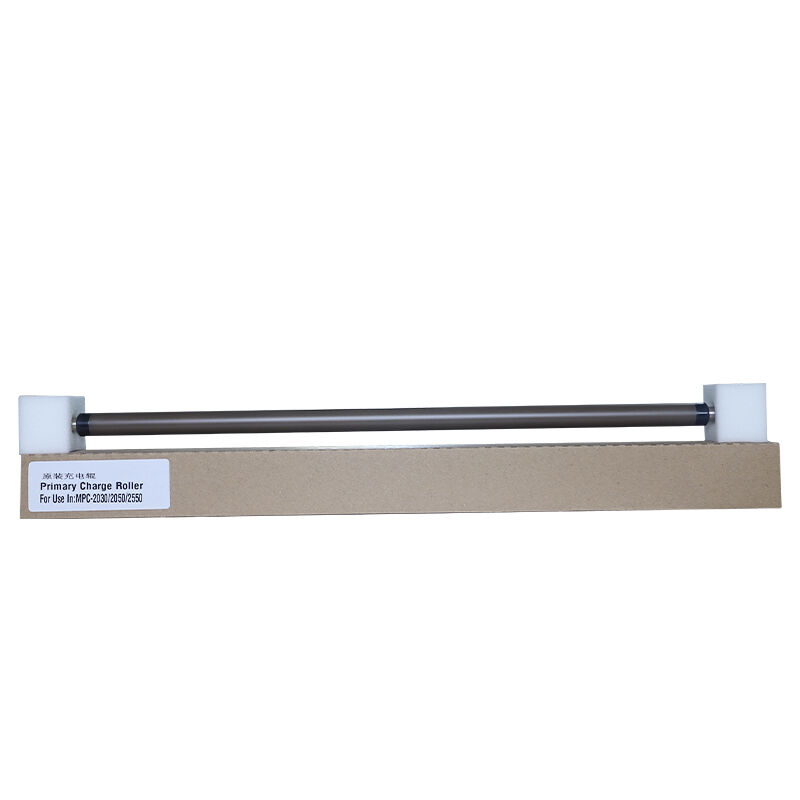
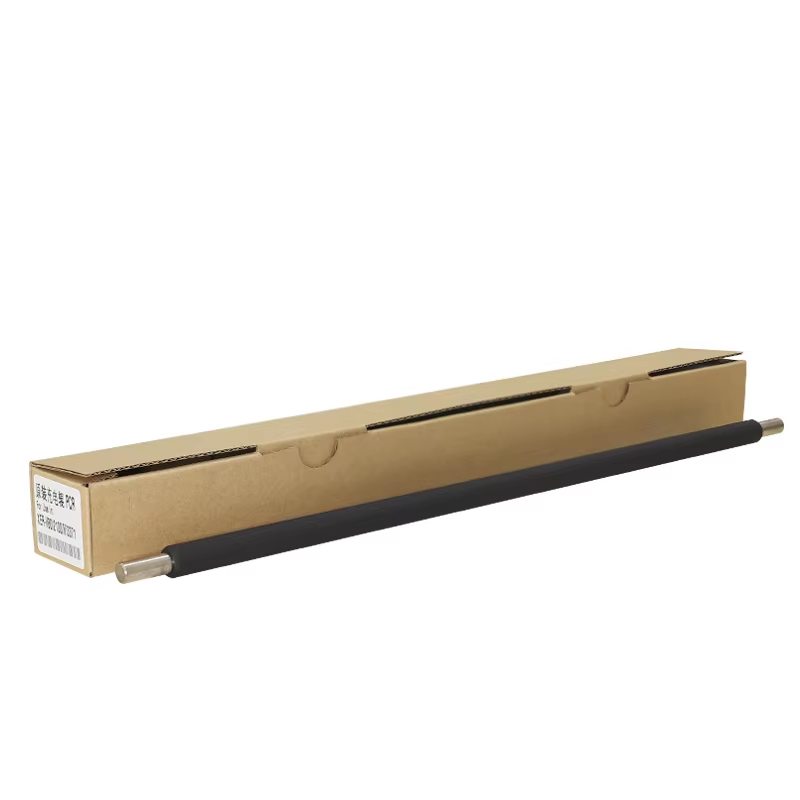
How the Charge Roller Affects Copier Performance?

11

Dec

How the Charge Roller Affects Copier Performance?

The performance of modern copiers depends on numerous intricate components working in perfect harmony, with the charge roller serving as one of the most critical elements in the electrophotographic printing process. This essential component plays a p...
View More
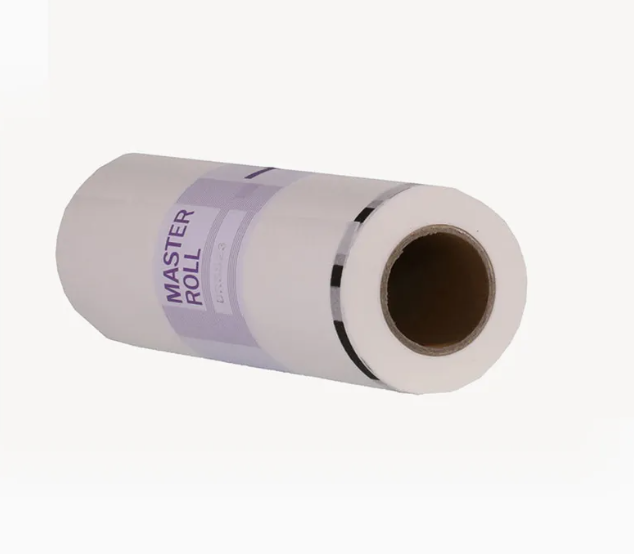
What Makes Master Rolls a Key Component in Commercial Printing Operations?

07

Jan

What Makes Master Rolls a Key Component in Commercial Printing Operations?

Commercial printing operations rely on numerous components working in perfect harmony to deliver high-quality reproductions at scale. Among these essential elements, the master roll stands out as a critical component that directly impacts print quali...
View More
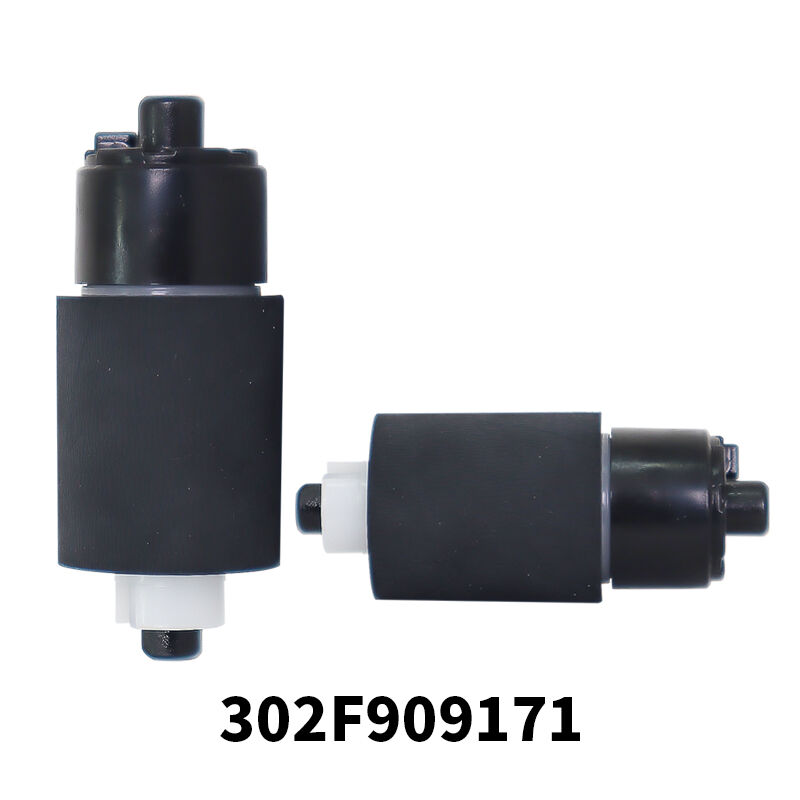
How Do Pickup Rollers Affect the Speed and Accuracy of Paper Feeds in Your Printer?

12

Feb

How Do Pickup Rollers Affect the Speed and Accuracy of Paper Feeds in Your Printer?

Modern printing environments depend heavily on the seamless operation of every component within a printer system. Among the most critical yet often overlooked components are pickup rollers, which serve as the primary mechanism for initiating paper mo...
View More
Common issues with primary charge rollers and how to fix them

05

Mar

Common issues with primary charge rollers and how to fix them

Every office environment depends on reliable printing equipment to maintain productivity and workflow efficiency. However, even the most advanced copiers and printers can experience technical difficulties that disrupt daily operations. One component ...
View More

Get a Free Quote

Our representative will contact you soon.
Email
Mobile
Whatsapp or Wechat ID
Company Name
Name
Message
0/1000

opc drum manufacturer

Advanced Manufacturing Technology and Quality Control Systems

Advanced Manufacturing Technology and Quality Control Systems

The technological infrastructure employed by leading OPC drum manufacturers represents a critical differentiator that directly influences product performance and customer satisfaction. These manufacturers invest millions in state-of-the-art production facilities featuring ISO-certified cleanroom environments where temperature, humidity, and particulate contamination are precisely controlled throughout the manufacturing process. The importance of these controlled conditions cannot be overstated, as even microscopic impurities can compromise the photoconductive coating and result in print defects such as streaking, spotting, or inconsistent toner adhesion. Advanced coating application systems utilize precision spray technologies and dip-coating methods that ensure uniform layer thickness across the entire drum surface, which is essential for consistent charge distribution and even toner attraction during the printing process. Quality control systems incorporate multiple inspection stages using automated optical recognition equipment that detects surface irregularities, coating inconsistencies, and dimensional variations that human inspectors might miss. Electrical testing equipment measures charge acceptance and discharge characteristics to verify that each drum responds appropriately to laser exposure and maintains stable electrostatic properties throughout its operational lifespan. Material science expertise enables manufacturers to formulate proprietary photoconductive compounds that optimize sensitivity to specific laser wavelengths while maintaining mechanical durability under the friction and stress of continuous printing cycles. The value this brings to customers manifests in predictable print quality, reduced equipment downtime, and confidence that each replacement drum will perform identically to its predecessor. Manufacturers who excel in these technological aspects typically maintain research laboratories where scientists continuously refine formulations and test new materials that push performance boundaries. This commitment to innovation means customers benefit from ongoing improvements without changing suppliers or requalifying new products. Traceability systems implemented by quality-focused manufacturers allow every drum to be tracked from raw material sourcing through production stages to final delivery, enabling rapid response if quality issues emerge and providing documentation for compliance-sensitive industries. The integration of automated manufacturing processes reduces human error while increasing production consistency, which translates to tighter performance tolerances and more reliable products for end users.
Comprehensive Compatibility and Application Versatility

Comprehensive Compatibility and Application Versatility

A distinguishing characteristic of established OPC drum manufacturers lies in their extensive compatibility portfolios and ability to serve diverse printing applications across multiple industries and equipment types. Rather than limiting production to a narrow range of models, professional manufacturers maintain comprehensive catalogs encompassing drums for major printer brands including HP, Canon, Brother, Xerox, Ricoh, Epson, Samsung, and numerous others, spanning legacy models still in operation and current-generation equipment. This breadth of compatibility provides tremendous value to customers who manage mixed printer fleets or serve clients with varied equipment configurations, as they can consolidate purchasing through a single trusted supplier rather than managing relationships with multiple vendors. The engineering expertise required to replicate OEM specifications accurately while maintaining cost advantages demands deep technical knowledge of electrophotographic principles, dimensional precision, and material compatibility. Manufacturers who excel in this area employ reverse-engineering capabilities combined with original design methodologies to create drums that match or exceed original equipment performance standards. Application versatility extends beyond basic compatibility to encompass specialized requirements such as high-volume commercial printing environments where drums must withstand extended duty cycles, harsh operating conditions with extreme temperature variations, or specialized toner formulations used in specific industries. Custom development services offered by flexible manufacturers enable them to engineer unique drum solutions for proprietary printing systems, prototype equipment, or specialized applications not served by standard catalog products. This capability proves invaluable for equipment manufacturers developing new printer models, research institutions conducting printing technology studies, or industrial operations with unique documentation requirements. The practical benefits customers realize include simplified procurement processes with reduced vendor management overhead, improved inventory efficiency through consolidated sourcing, and assurance that compatible replacement components will be available throughout the operational lifespan of their printing equipment. Technical documentation provided by thorough manufacturers includes detailed compatibility charts, installation instructions, and performance specifications that help customers select appropriate drums for their specific applications without extensive trial-and-error testing. Support for both current models and discontinued legacy equipment ensures customers can maintain older printers cost-effectively rather than facing premature equipment replacement when original manufacturer support ends.
Sustainable Manufacturing Practices and Long-Term Value Creation

Sustainable Manufacturing Practices and Long-Term Value Creation

Environmental stewardship and sustainable business practices have evolved from optional considerations to essential operational priorities for forward-thinking OPC drum manufacturers, creating substantial long-term value for environmentally conscious customers and contributing to broader ecological preservation goals. Leading manufacturers implement comprehensive sustainability programs encompassing responsible material sourcing, energy-efficient production processes, waste reduction initiatives, and end-of-life product recyclability considerations. The importance of these practices extends beyond regulatory compliance to encompass corporate social responsibility, brand reputation enhancement, and alignment with customer values in an increasingly environmentally aware marketplace. Specific sustainable manufacturing implementations include solvent recovery systems that capture and recycle chemicals used in coating processes, reducing both environmental discharge and raw material costs. Energy management systems optimize production facility operations through efficient lighting, climate control, and equipment scheduling that minimizes power consumption without compromising production quality or capacity. Water conservation measures implement closed-loop cooling systems and process water recycling that dramatically reduce freshwater consumption compared to traditional manufacturing approaches. Material selection priorities emphasize photoconductive compounds and substrate materials with lower environmental impact profiles, including options derived from renewable resources where technically feasible without performance compromise. Packaging optimization reduces material usage through right-sized containers, recyclable materials, and elimination of unnecessary components while maintaining adequate protection during shipping and storage. Product design considerations incorporate disassembly-friendly construction that facilitates component separation during recycling, enabling valuable materials to be recovered rather than discarded in landfills. Take-back programs established by environmentally committed manufacturers provide customers with convenient options for returning spent drums for professional recycling or refurbishment, closing the product lifecycle loop. The value proposition for customers encompasses multiple dimensions including enhanced corporate sustainability credentials when sourcing from responsible suppliers, potential cost savings through manufacturer recycling incentives, and reduced environmental compliance burden through proper disposal channel access. Long-term relationship benefits emerge as sustainability-focused manufacturers tend to demonstrate stronger business ethics, greater operational stability, and forward-thinking innovation that positions customers advantageously as environmental regulations tighten and market expectations evolve. Certifications such as ISO 14001 environmental management systems, REACH compliance for chemical substances, and RoHS conformity for hazardous substance restrictions provide tangible verification of manufacturer commitment to sustainable practices.
Email Email WhatsApp WhatsApp
WhatsApp
WeChat WeChat
WeChat
Facebook Facebook TopTop

Get a Free Quote

Our representative will contact you soon.
Email
Mobile
Whatsapp or Wechat ID
Company Name
Name
Message
0/1000