 EN

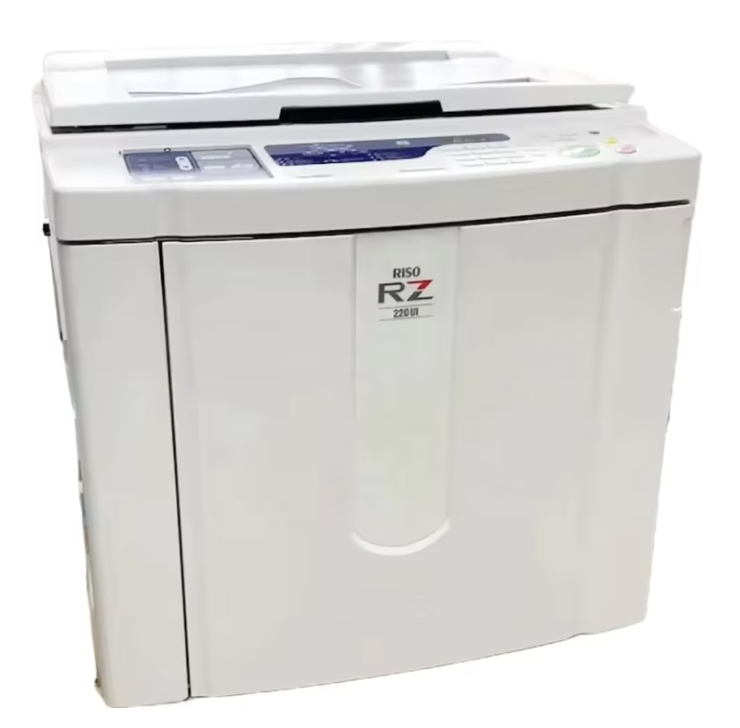
When importers receive new duplicator equipment, the trial run phase represents a critical opportunity to verify that the machine meets specifications and performs reliably before committing to long-term operation. A thorough post-trial inspection of a duplicator ensures that all mechanical, electrical, and image-quality components function as expected. This inspection process directly impacts whether your duplicator investment delivers the expected output quality, reliability, and operational efficiency across your organization.
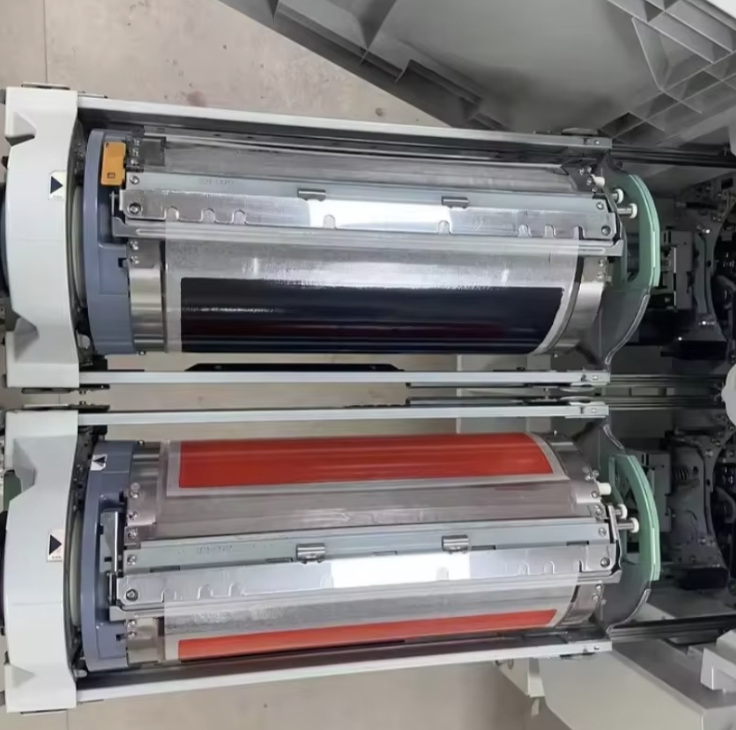
Proper inspection of a duplicator after trial operations requires systematic attention to mechanical integrity, image fidelity, operator interface responsiveness, and consumable consumption rates. The difference between a cursory check and a comprehensive duplicator inspection can mean identifying hidden defects before they escalate into costly downtime. Importers who establish clear duplicator inspection protocols after trial runs reduce the risk of warranty disputes, operational failures, and unexpected maintenance expenses.
Mechanical and Structural Assessment of Your Duplicator
Frame, Casing, and Component Alignment
Begin your duplicator inspection by visually examining the entire frame and external casing for any signs of physical damage, misalignment, or stress marks that may have appeared during trial operation. Pay close attention to the duplicator's paper feed mechanism, toner cartridge housing, and any moving components to ensure nothing has shifted or loosened. Run your hand along seams and joints on the duplicator to detect any gaps or irregularities that could indicate internal stress or improper assembly. Check that all access panels on the duplicator close smoothly and latch securely, as loose panels can lead to contamination and operational issues.
Drive Systems and Motor Function
Verify that the duplicator's main motor and all secondary drive systems operate without grinding, squealing, or unusual vibrations during a full speed cycle. Listen carefully to the duplicator's paper path motor, the imaging drum rotation, and the fuser motor to confirm smooth, consistent operation. Manually rotate the duplicator's drum or paper tray (when the machine is safely powered down) to ensure there is no binding or resistance that would indicate mechanical interference. Test the duplicator's clutch engagement and disengagement as the machine cycles between ready and active printing states.
Image Quality and Output Verification for Your Duplicator
Print Consistency and Color Accuracy
Produce a series of test prints across different duplicator speed settings and toner saturation levels to evaluate whether image quality remains consistent throughout the trial operation period. Examine the duplicator output for banding, streaking, or uneven toner distribution, which often signal drum surface contamination or improper fusing temperature. Compare test prints from the beginning of the trial run with final prints to detect any degradation in duplicator performance that may have occurred during extended operation. Verify that the duplicator's color accuracy, if applicable, matches the specifications provided in the equipment documentation.
Registration and Paper Handling
Check the duplicator's registration accuracy by printing aligned graphic elements on multiple pages and measuring any horizontal or vertical deviation in image placement. Test the duplicator's paper transport system with various paper sizes, weights, and textures to ensure the machine handles diverse media without jamming or slipping. Verify that the duplicator feeds paper smoothly from each tray and that all exit paths direct output correctly without causing wrinkles or edge creasing. Run a duplicator jam detection test by intentionally introducing a minor obstruction to confirm the machine detects and stops before severe damage occurs.
Electrical Safety and Operational Readiness of Your Duplicator
Power Supply and Grounding Verification
Measure the input voltage and current draw of your duplicator under no-load and full-operation conditions to confirm these values align with the equipment nameplate specifications. Use a multimeter to verify that the duplicator's ground connection is secure and that the chassis maintains proper electrical isolation from live components. Test all emergency stop buttons and power-down sequences on the duplicator to ensure they function reliably and cut power cleanly without inducing electrical transients. Document the duplicator's typical idle power consumption and compare it against the manufacturer's rated figures to identify any anomalies.
Control Panel and User Interface Functionality
Test every button, switch, and touchscreen function on the duplicator control panel to verify responsive operation and correct feedback. Navigate through the duplicator's menu system, adjust all user-accessible settings, and confirm that changes take effect immediately and persist after power cycling. Check the duplicator's indicator lights, display screens, and error messaging to ensure all communication channels work correctly. Verify that the duplicator's network connectivity, if equipped, establishes stable links and properly transmits job data without communication errors.
Consumable Evaluation and Long-Term Operational Assessment
Toner and Fluid Consumption Rates
Weigh or measure the duplicator's toner cartridge before and after the trial run to calculate the actual consumption rate and compare it against manufacturer estimates. Monitor the duplicator's fuser oil, waste toner receptacle, and any other consumable elements to identify whether depletion rates are within acceptable ranges. High duplicator toner consumption or abnormal fluid usage may indicate improper imaging settings or mechanical issues that warrant investigation before full deployment. Keep detailed records of duplicator consumable usage as a baseline for predicting future supply needs and budgeting maintenance costs.
Preventive Maintenance and Service Access
Verify that all replaceable components on the duplicator, including drum units, fuser assemblies, and pickup rollers, are easily accessible and clearly documented in your service manual. Test the duplicator's cleaning cycles and confirm that the machine provides effective self-maintenance features that reduce operator intervention. Confirm that spare parts for your duplicator are readily available through authorized distributors and that warranty coverage clearly defines which components and services are included. Document the duplicator's maintenance requirements and establish a service schedule that aligns with your operational volume and usage patterns.
FAQ
What are the most common defects found during duplicator inspection after trial runs?
The most frequently detected issues in duplicator inspection include poor image registration, toner transfer inconsistency, paper feed jams, electrical grounding faults, and excessive consumable consumption. Many importers also discover that the duplicator produces different output quality at varying speed settings or when handling specific paper types. Early identification of these defects during the trial period allows for corrective action or equipment replacement before the duplicator enters full production use.
How long should the trial run period be for an accurate duplicator inspection?
A minimum trial run of 1000 to 2000 impressions is typically sufficient to reveal mechanical and thermal stability issues in a duplicator. However, if your duplicator will handle diverse paper stocks or operate at variable speeds during regular use, extending the trial to 5000 impressions provides more reliable performance data. The trial period should also include at least 24 hours of intermittent operation to allow the duplicator to reach thermal equilibrium and reveal temperature-related defects that may not appear during continuous brief testing sessions.
Can importers conduct duplicator inspection without technical expertise?
While basic visual checks and output quality assessment can be performed by non-technical staff, comprehensive duplicator inspection benefits greatly from involvement by an experienced technician or the equipment manufacturer's representative. Trained personnel can identify subtle mechanical issues, verify electrical safety compliance, and calibrate the duplicator for optimal performance before final acceptance. Many importers schedule vendor-supported duplicator inspections during the trial period to ensure all systems are properly evaluated and documented according to industry standards.