 EN

A reliable duplicator is essential for any organization that produces high volumes of printed materials, yet many operators overlook a critical factor that directly impacts output quality and machine longevity: paper feed stability. The duplicator's ability to consistently and accurately feed paper through its processing system determines not only the final document quality but also the machine's operational efficiency and total cost of ownership. When paper feed mechanisms falter, the consequences ripple across your entire production workflow, leading to jams, misaligned impressions, wasted materials, and unplanned downtime that disrupt schedules and strain budgets.
Buyers and facility managers must examine duplicator paper feed stability closely because this single system element influences multiple operational dimensions simultaneously. A duplicator with unstable feed mechanisms may pass initial inspections and demo cycles, yet fail under real-world production demands. The financial and operational burden of a underperforming duplicator extends far beyond the initial purchase price, affecting staff productivity, customer satisfaction, and competitive positioning in time-sensitive markets.
Duplicator paper feed stability determines print quality, registration accuracy, and total cost of ownership. Stable feed systems maintain consistent pressure, single-sheet advancement, and precise alignment. Warning signs include paper jams, registration drift, double-feeding, and skipped pages. Inspect feed components every 100,000-200,000 impressions. Worn rollers require replacement; minor instability may respond to calibration adjustments.
How Paper Feed Stability Directly Impacts Print Quality
The Role of Consistent Feed Pressure
The duplicator's feed system must apply precisely calibrated pressure to lift and separate individual sheets from the paper stack. Inconsistent feed pressure causes multiple sheets to advance simultaneously, resulting in jams that halt production and create frustration among operators. When a duplicator maintains stable feed pressure, sheets advance one at a time with predictable spacing, enabling the imaging system to align content accurately on each page. This precision is non-negotiable in professional environments where document quality directly reflects organizational credibility.
Addressing Misalignment and Registration Issues
Paper feed instability within a duplicator manifests as registration drift, where printed content gradually shifts position across successive pages. This misalignment becomes especially visible on multi-page documents, double-sided printing, and materials requiring precise alignment of multiple colors or elements. A duplicator prone to feed inconsistency forces operators to discard significant quantities of output before achieving acceptable registration, driving material waste and increased operating costs. Careful evaluation of how a duplicator maintains feed stability during extended production runs reveals its true reliability and suitability for demanding applications.
Why Buyers Must Evaluate Feed Mechanism Durability and Design
Understanding Pick-Up Roller and Separation Components
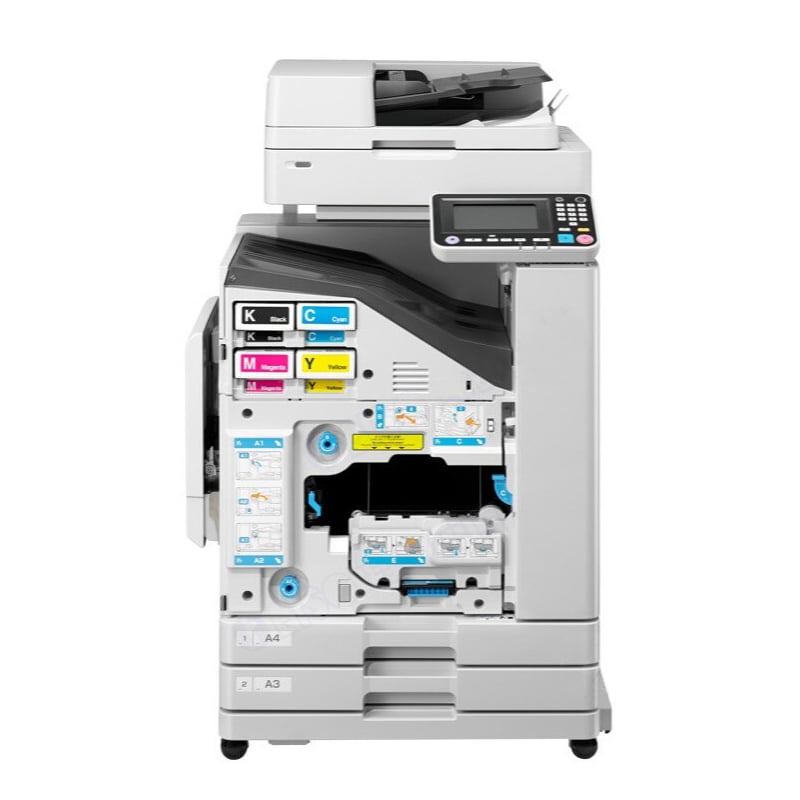
The heart of any duplicator's feed system resides in its pick-up roller and paper separation mechanism. These components interact to lift paper from the tray and advance it through the processing path without excessive friction or irregular movement. As a duplicator ages, these rollers wear, glazing and losing grip, which causes the duplicator to feed paper erratically or skip sheets entirely. Buyers who inspect these components closely before purchase identify potential durability issues and can assess maintenance accessibility, replacement part costs, and the manufacturer's long-term support commitment.
Evaluating Material Quality and Manufacturing Standards
Not all duplicator feed components are created equal. Premium-grade materials and precision manufacturing result in rollers that maintain consistent grip and reliable feed performance throughout the machine's operational life. Budget-oriented duplicator models may feature feed components made from lower-grade polymers or metals that degrade rapidly under continuous use. By closely examining the specifications, material certifications, and design details of a duplicator's feed system, buyers make informed decisions that protect long-term operational reliability and minimize surprise failures that disrupt document production schedules.
| Element | Stable | Unstable |
| Feed Pressure | Precise calibration. Single sheet advancement. | Inconsistent. Multiple sheets jam. |
| Pick-Up Roller | Maintains consistent grip. Premium materials. | Glazing and grip loss. Skips sheets. |
| Separation Pads | Reliable advancement. No excessive friction. | Degraded. Irregular movement. |
| Registration | Consistent alignment across pages. | Drift. Content shifts position. |
| Material Waste | Minimal waste. | Significant waste before acceptable output. |
| Warning Signs | None. Stable operation. | Jams, misalignment, double-feed, skipped pages. |
| Inspection | Every 100,000-200,000 impressions. | Frequency increases with usage volume. |
| Repair | Calibration adjustments. Affordable parts. | Worn components need replacement. |
The Business Case for Prioritizing Feed Stability in Duplicator Selection
Calculating Total Cost of Ownership
A duplicator purchase decision extends beyond the upfront equipment cost into years of operational expenses. Machines with unstable feed mechanisms generate hidden costs through frequent paper jams, operator downtime troubleshooting, expedited part replacements, and emergency service calls. These expenses accumulate rapidly in high-volume environments, sometimes exceeding the initial equipment investment within a few years. Buyers who carefully evaluate duplicator paper feed stability during selection reduce these hidden costs significantly, ensuring that the true cost of ownership remains predictable and manageable throughout the machine's productive life.
Supporting Operational Continuity and Compliance
Organizations relying on duplicators for critical document production cannot tolerate frequent feed failures. Legal departments, financial institutions, and government agencies require duplicators that operate reliably to meet strict compliance deadlines and audit schedules. A duplicator with stable feed mechanisms provides the operational continuity that these environments demand, preventing cascading delays that could trigger penalties or reputational damage. Buyers who prioritize feed stability when selecting a duplicator protect not only their production capability but also their organization's ability to meet regulatory obligations and client commitments without interruption or degradation.
FAQ
What specific signs indicate that a duplicator has feed stability problems?
A duplicator exhibiting feed stability issues typically shows recurring paper jams, inconsistent page registration, occasional double-feeding, skipped pages, or erratic sheet advancement during production runs. Operators may notice that the duplicator requires frequent manual intervention or that output quality deteriorates as production progresses. These warning signals emerge during extended use cycles that stress the feed mechanism, so buyers should request comprehensive demonstration runs under realistic volume conditions rather than relying on brief showroom tests to evaluate duplicator reliability.
How frequently should duplicator feed components be inspected or replaced?
Maintenance intervals for a duplicator's feed components depend on usage volume, paper quality, and environmental conditions. Most manufacturers recommend inspection of pick-up rollers and separation pads every 100,000 to 200,000 impressions, with replacement scheduled before visible wear causes performance degradation. Buyers should review the duplicator's recommended maintenance schedule and verify that replacement parts are readily available at reasonable cost. Choosing a duplicator with straightforward feed component access and affordable replacement parts reduces operational friction and encourages timely preventive maintenance that sustains stable feed performance.
Can feed stability issues in a duplicator be corrected through calibration or adjustments?
Minor feed instability sometimes responds to duplicator calibration adjustments, such as fine-tuning feed pressure or cleaning feed roller surfaces to restore grip. However, feed problems caused by worn components or degraded materials cannot be permanently resolved through adjustment alone. Buyers should understand that while a duplicator may offer some tuning capabilities to address temporary fluctuations, persistent feed instability signals underlying component deterioration requiring replacement. Selecting a duplicator with robust feed components from the outset prevents reliance on compensatory adjustments that mask underlying reliability issues.