Extended Component Lifespan Reduces Total Cost of Ownership
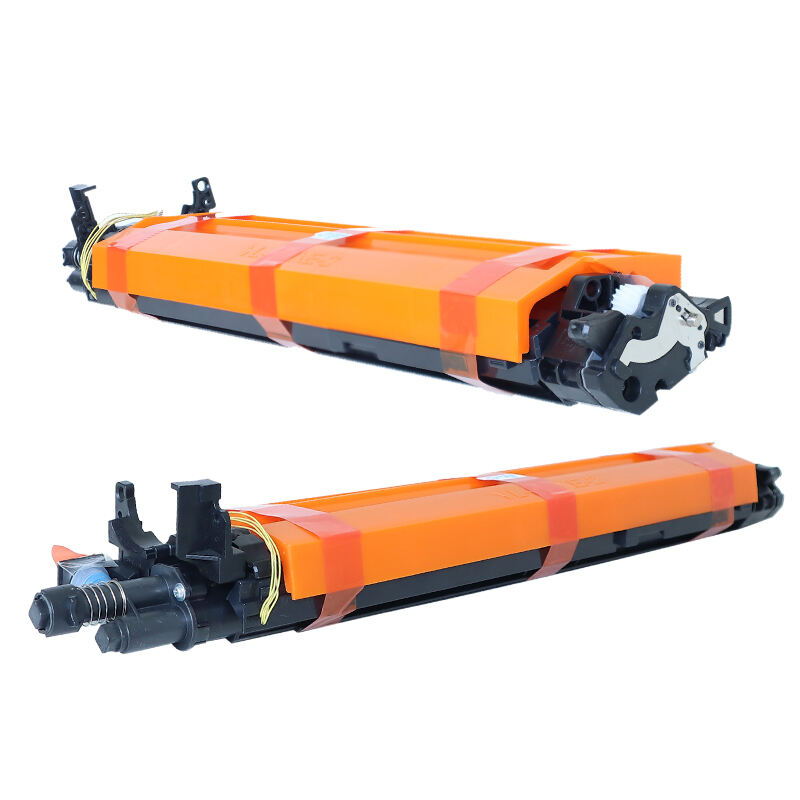
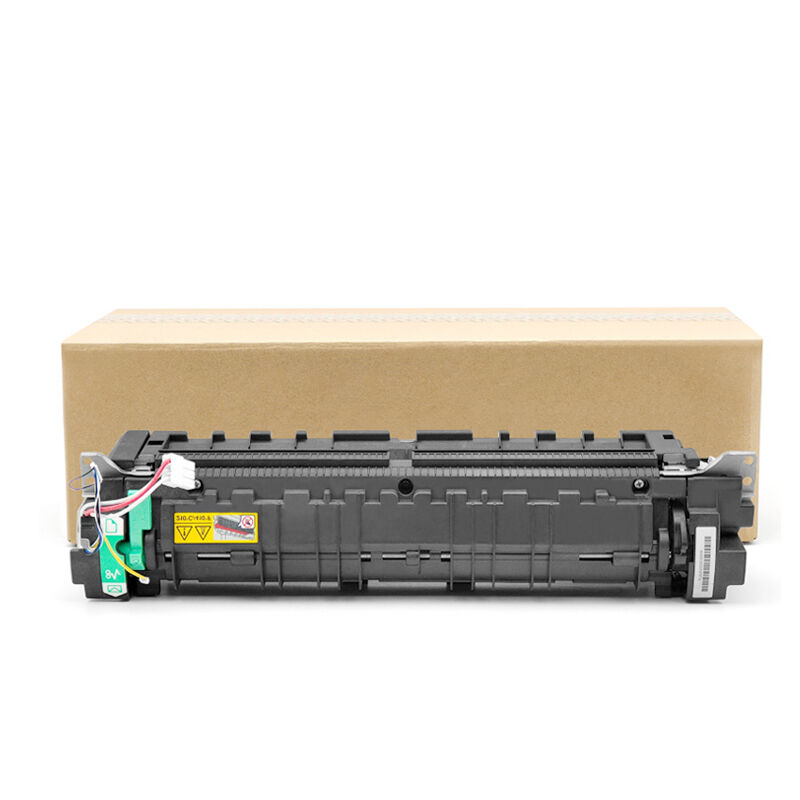
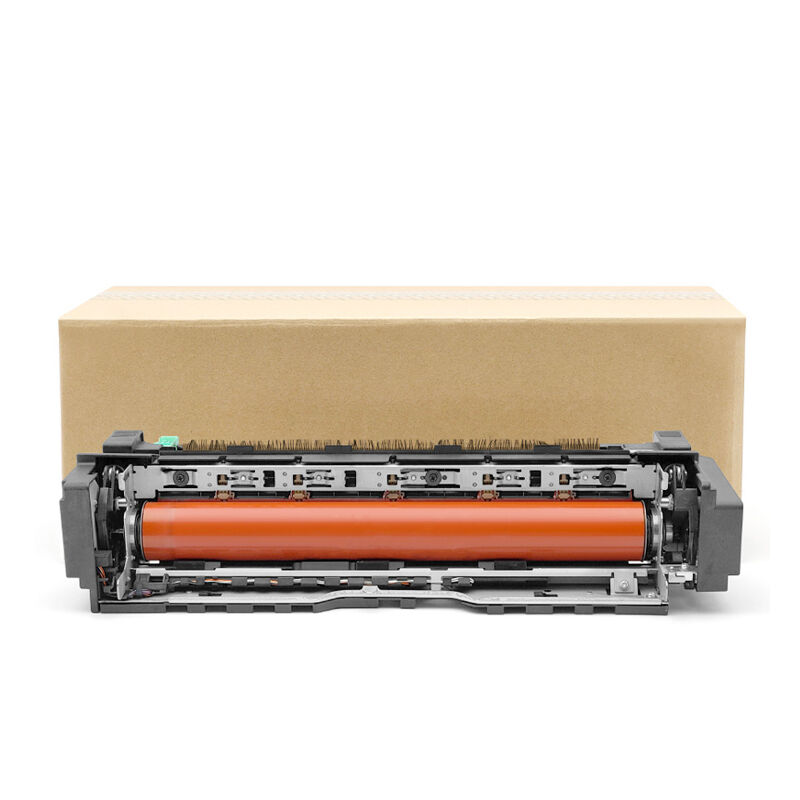
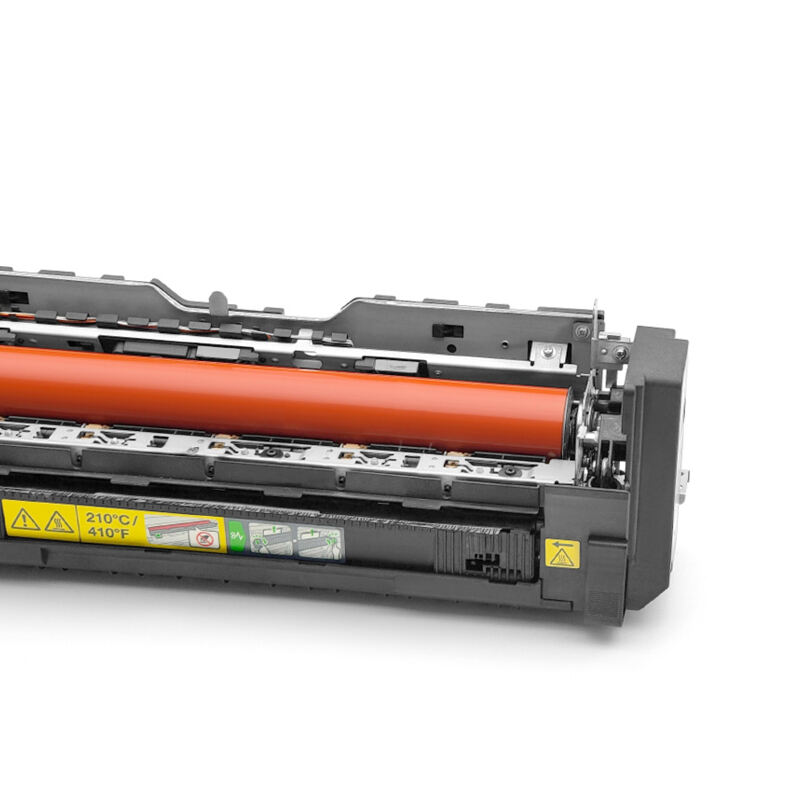
The durability and longevity engineered into modern fuser unit in printer components deliver substantial economic advantages that extend far beyond initial purchase considerations, fundamentally altering total cost of ownership calculations for printing infrastructure. This extended operational lifespan results from advanced materials science applications, precision manufacturing processes, and intelligent operational management systems that collectively minimize wear factors and preserve component integrity through extended duty cycles. The importance of fuser unit longevity becomes clear when considering replacement costs, installation labor, equipment downtime during service procedures, and productivity losses that accompany frequent component failures in printing environments. Contemporary fuser unit in printer designs typically deliver rated lifespans exceeding 100,000 to 300,000 pages depending on model specifications, representing multiple years of service in typical office environments before replacement becomes necessary. This extended durability derives from high-temperature resistant materials including reinforced silicone rubber roller coatings that withstand thermal cycling without degradation, precision-machined metal cores that maintain dimensional stability despite constant heating and cooling, and advanced bearing systems that minimize friction and wear during continuous rotation. The value proposition encompasses predictable maintenance scheduling that enables proactive component replacement during planned service windows rather than emergency repairs during critical operations, substantially reducing business disruption. Organizations benefit from decreased inventory carrying costs as fewer spare fuser units require warehousing, simplified procurement processes with less frequent ordering cycles, and reduced technical training requirements as maintenance staff handle fewer component replacements. Environmental advantages complement economic benefits, as extended component lifecycles reduce manufacturing resource consumption, decrease shipping-related carbon emissions, and minimize electronic waste generation from discarded printer parts. The engineering sophistication within durable fuser unit in printer assemblies includes self-monitoring diagnostic systems that track operational parameters, predict remaining service life, and alert users to potential issues before failures occur, enabling preventive interventions that maximize component utilization. Quality consistency throughout the extended lifespan ensures professional output quality from installation through end-of-life, avoiding the gradual degradation that characterizes inferior components where print quality deteriorates progressively. Users maintain confidence in their printing infrastructure knowing that document appearance remains consistent whether produced during the first thousand pages or the final thousand pages of fuser unit service life. Investment protection emerges as a key benefit, with durable components justifying higher initial equipment costs through extended service delivery that reduces amortized per-page expenses and total cost calculations over multi-year operational periods.
 EN
EN