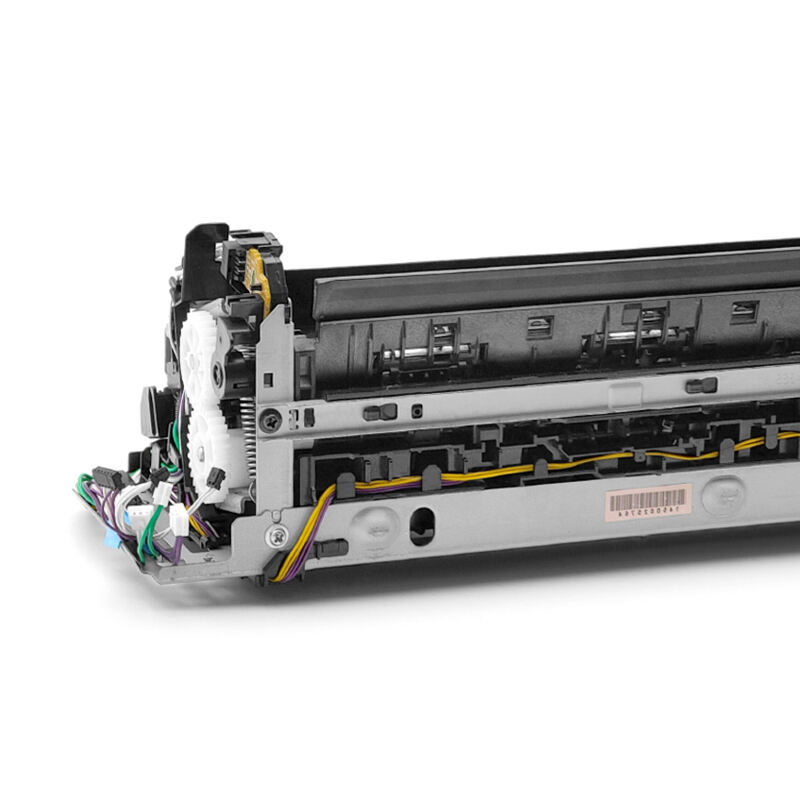
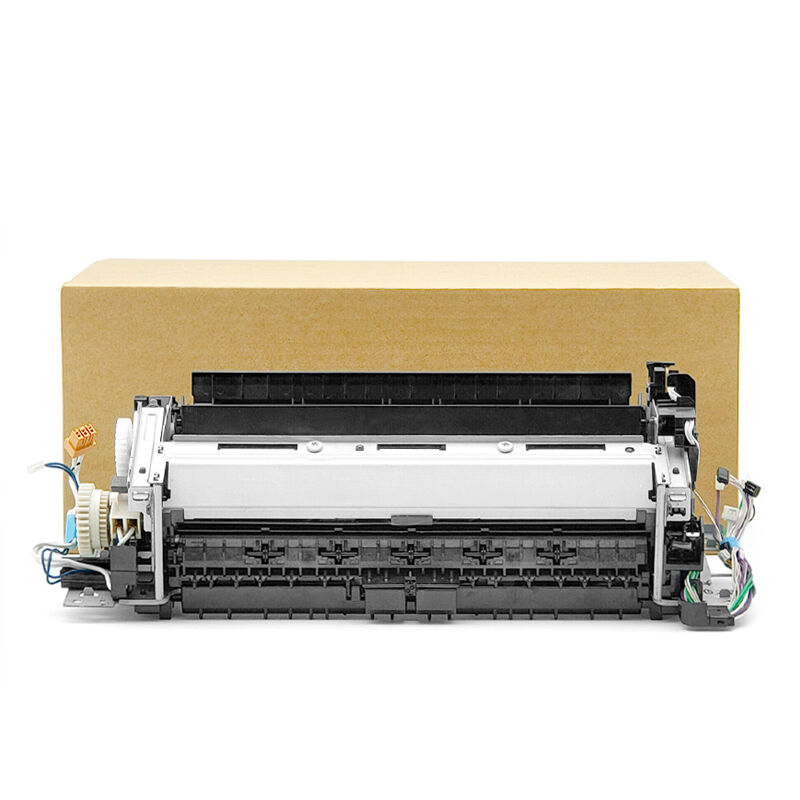
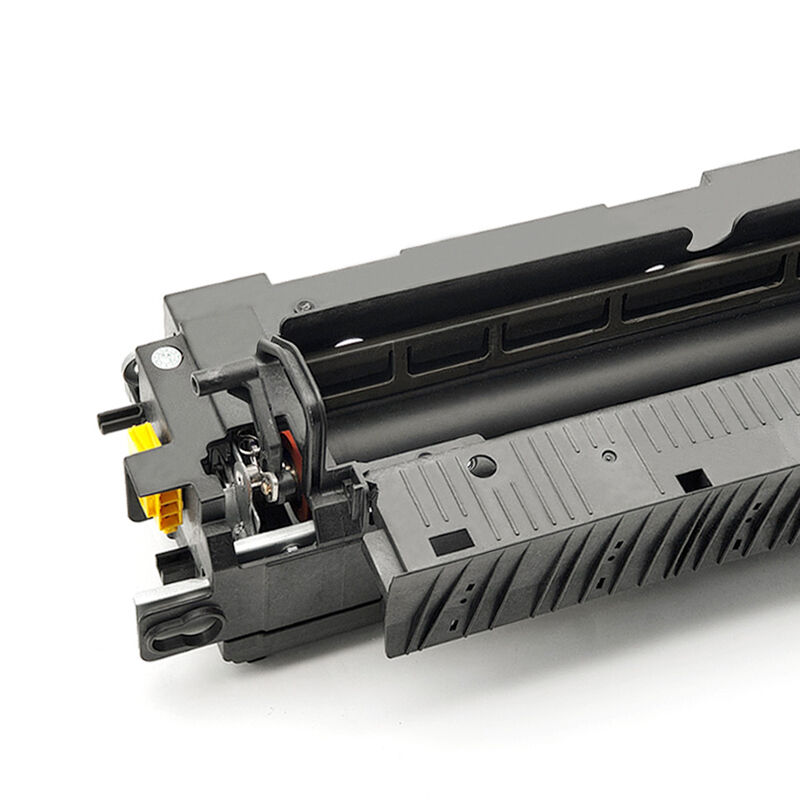
fuser assy
The fuser assy, short for fuser assembly, represents a critical component in laser printing technology that plays an indispensable role in producing high-quality printed documents. This sophisticated mechanism serves as the final stage in the printing process, where toner particles are permanently bonded to paper through the application of heat and pressure. The fuser assy consists of several integral parts including a heated roller, pressure roller, thermistors, heating elements, and protective films that work in harmonious coordination. When paper passes through the fuser assy, the heat generated by internal elements melts the toner powder that has been transferred onto the paper surface, while simultaneous pressure ensures even distribution and permanent adhesion. Modern fuser assy units incorporate advanced temperature control systems that maintain optimal operating conditions, typically ranging between 180 to 200 degrees Celsius, depending on paper type and toner formulation. The technological evolution of the fuser assy has led to remarkable improvements in energy efficiency, warm-up times, and overall print quality. Contemporary designs feature rapid heating capabilities that significantly reduce the time required for printers to become operational, addressing one of the most common user complaints about older printing systems. The fuser assy also includes safety mechanisms such as thermal fuses and temperature sensors that prevent overheating and potential fire hazards. Its construction materials must withstand continuous exposure to high temperatures while maintaining dimensional stability and performance consistency. The component's reliability directly impacts printer uptime and maintenance costs, making it a focal point for manufacturers seeking to enhance product durability. Applications for the fuser assy extend across various printing environments, from home offices requiring occasional document production to high-volume commercial operations demanding consistent performance under intensive workloads. The versatility of this component allows it to accommodate different paper weights, sizes, and specialty media, making it adaptable to diverse printing requirements and industry-specific applications.
 EN
EN