copier parts manufacturer
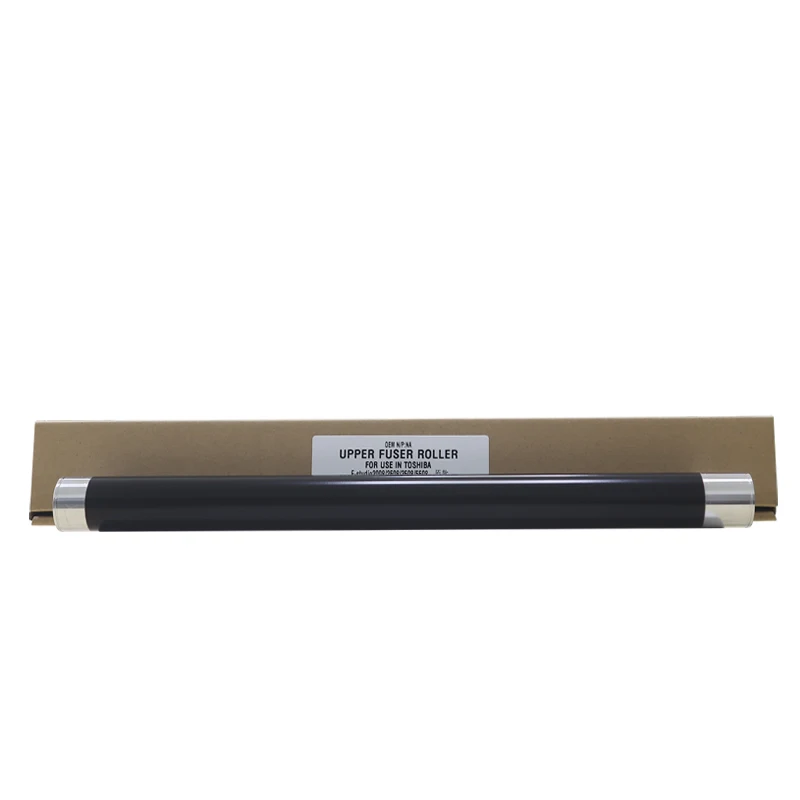
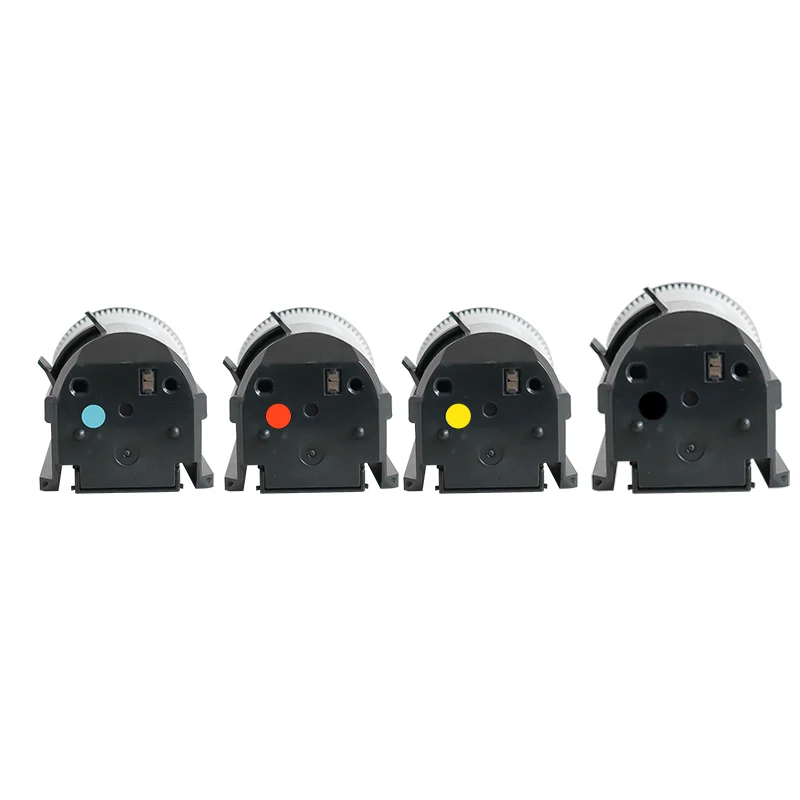
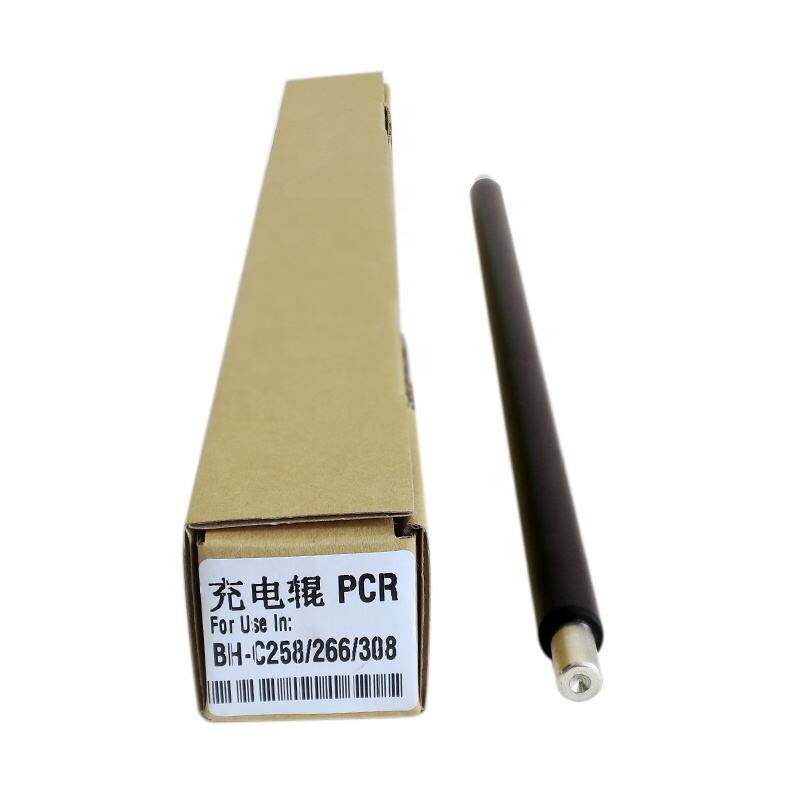
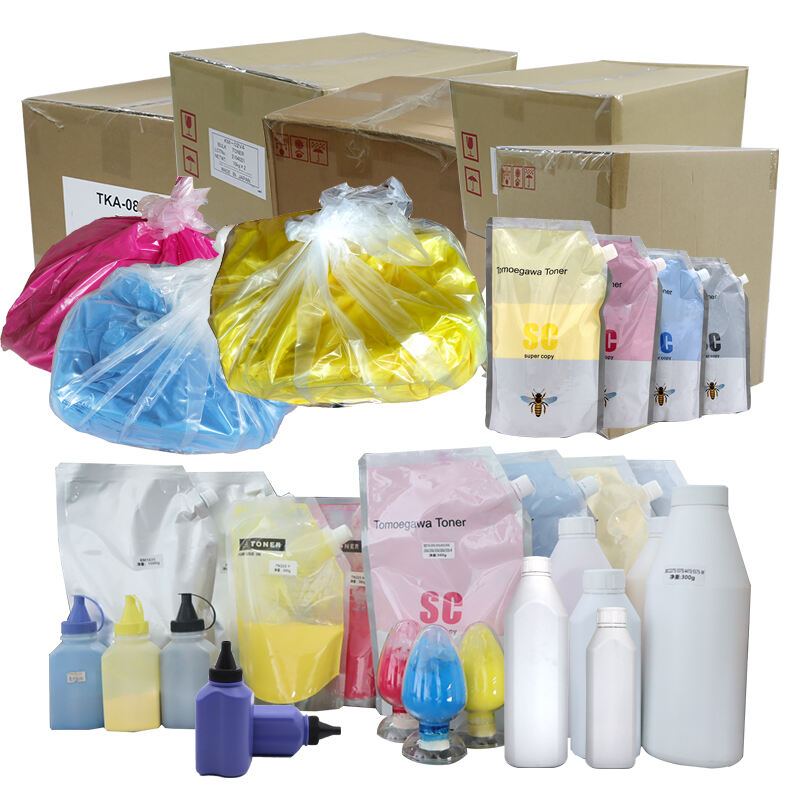
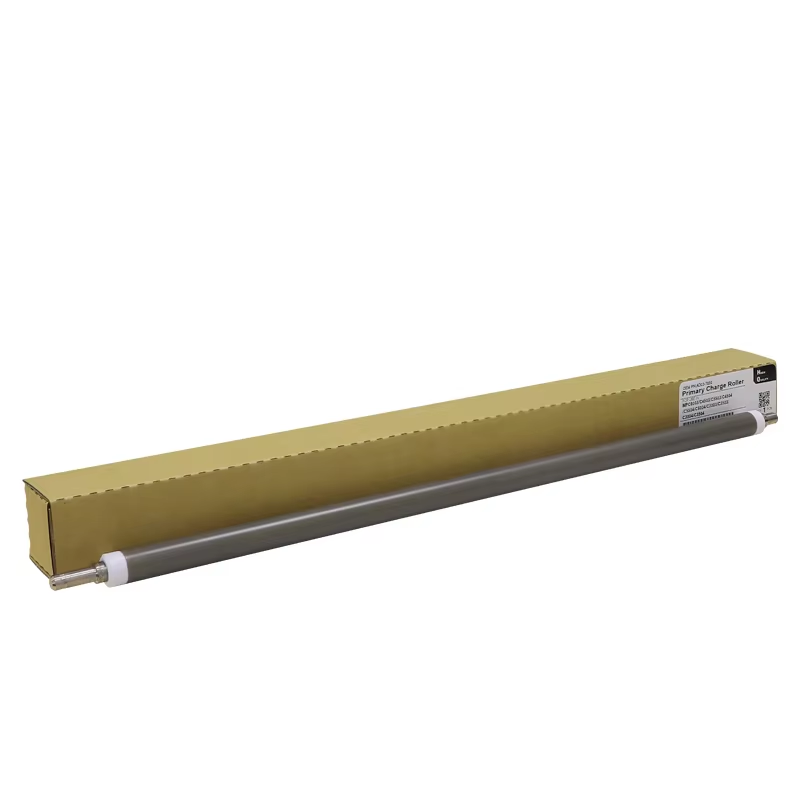
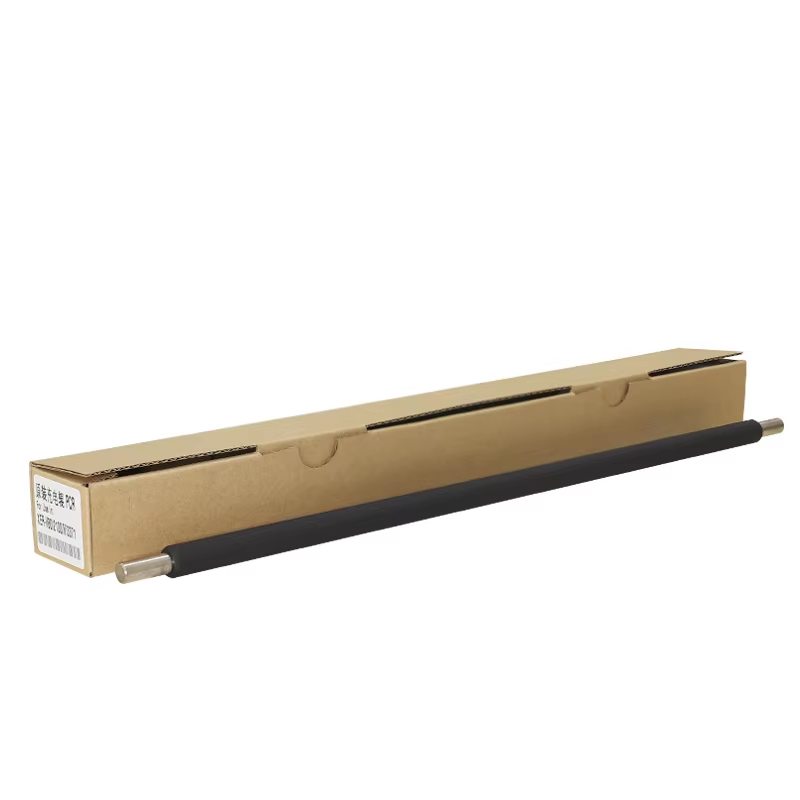
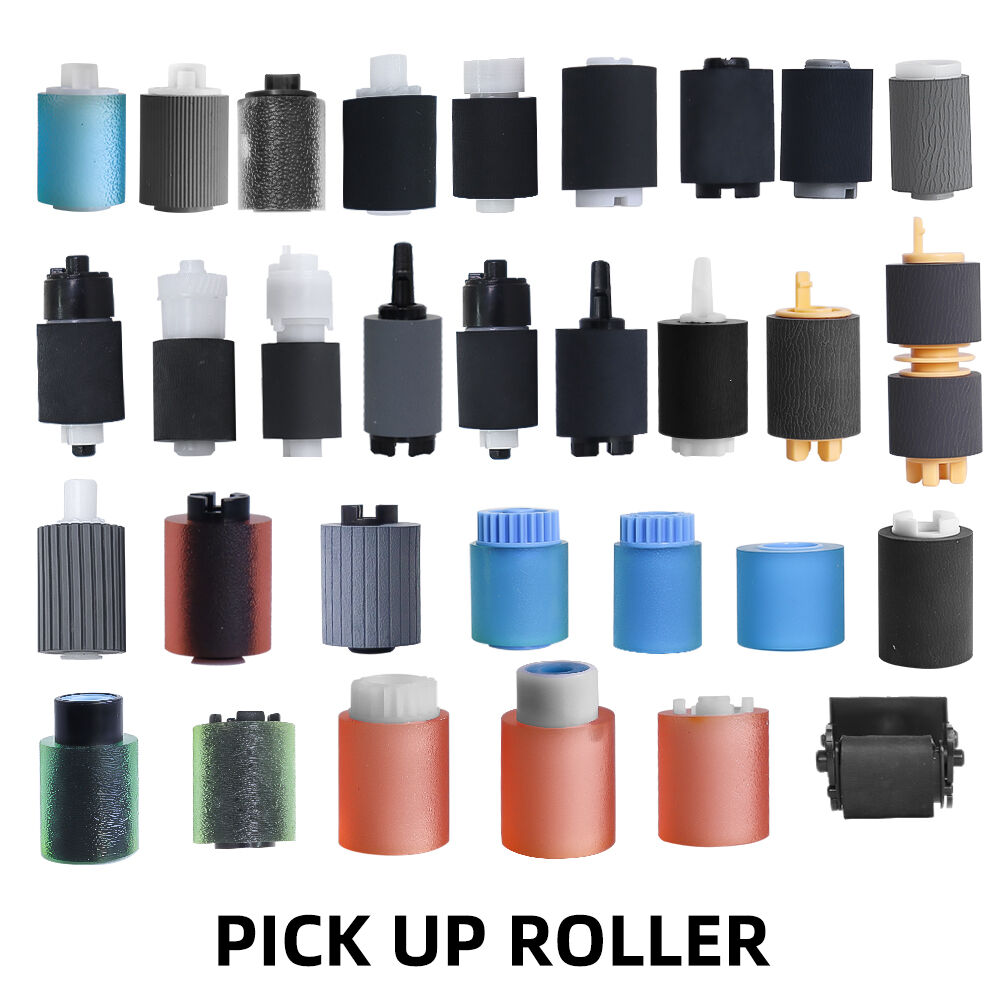
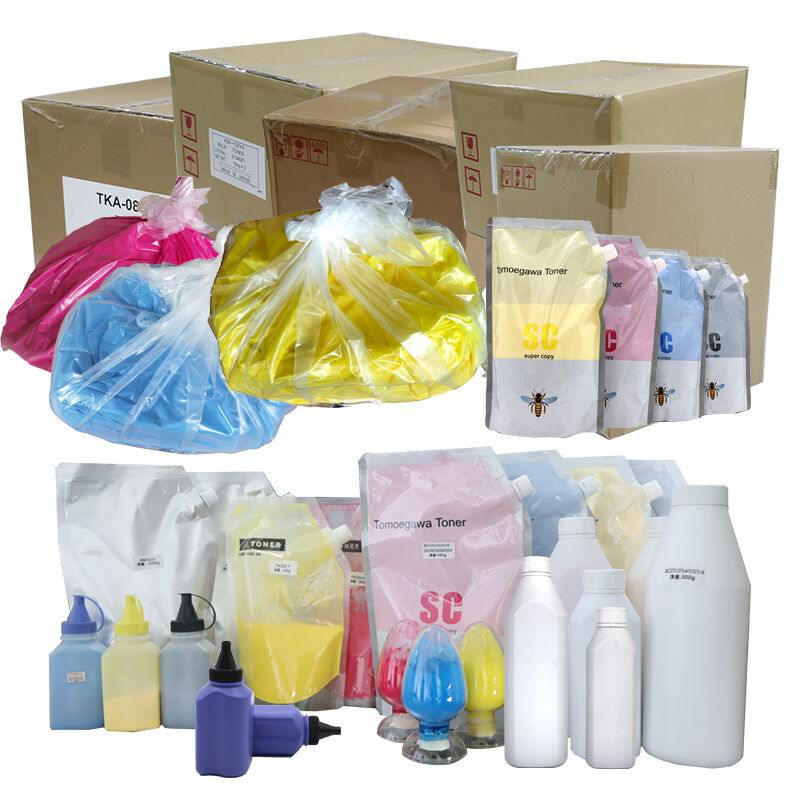
A copier parts manufacturer plays a crucial role in the office equipment industry by producing high-quality components that keep copying machines functioning at optimal levels. These specialized manufacturers focus on creating replacement parts and original components for various copier models, ranging from small desktop units to large-scale commercial printing systems. The main functions of a copier parts manufacturer include designing, engineering, and producing essential components such as drums, rollers, toner cartridges, fuser assemblies, separation pads, pickup rollers, and transfer belts. Each component undergoes rigorous quality control processes to ensure compatibility and performance standards meet or exceed original equipment specifications. Technological features employed by modern copier parts manufacturers include precision molding techniques, advanced polymer formulations, and automated assembly processes that guarantee consistent quality across production batches. These manufacturers utilize computer-aided design software to create components with exact specifications, ensuring perfect fit and function within existing copier systems. Applications for these manufactured parts span across numerous industries including corporate offices, educational institutions, government agencies, print shops, and medical facilities. The copier parts manufacturer serves both end-users seeking cost-effective replacement solutions and distributors requiring reliable inventory sources. By maintaining extensive product catalogs that cover multiple copier brands and models, these manufacturers provide comprehensive solutions for equipment maintenance and repair needs. Their products enable businesses to extend the operational lifespan of existing copier investments while maintaining print quality standards. Furthermore, experienced copier parts manufacturers often provide technical support documentation, installation guides, and compatibility information to facilitate smooth replacement procedures. This comprehensive approach ensures that organizations can minimize downtime and maintain productivity levels without requiring complete equipment replacement when individual components fail or reach end-of-life status.
 EN
EN