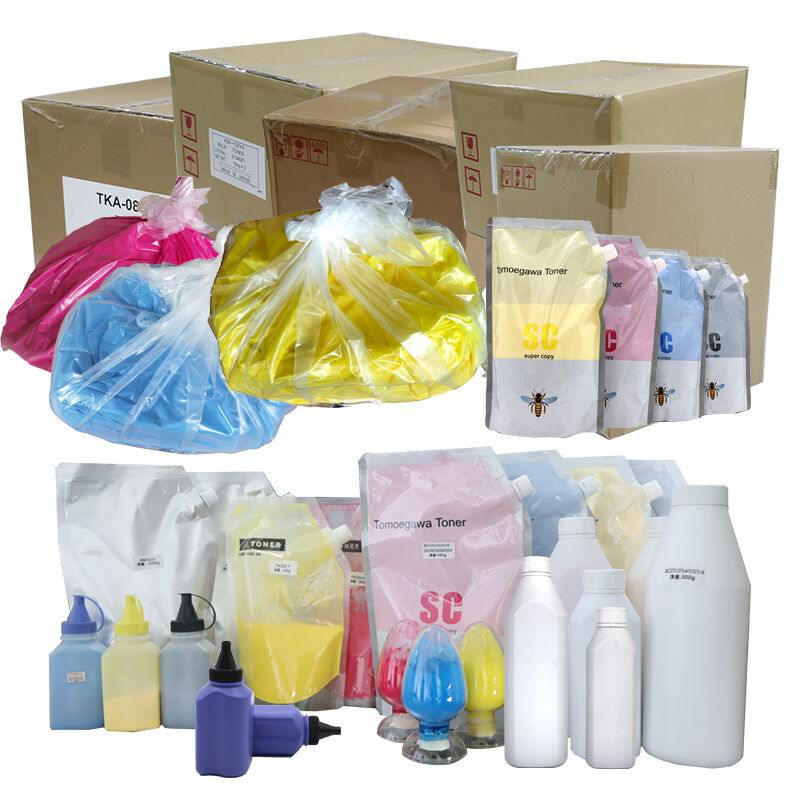
Comprehensive Compatibility Ensuring Seamless Integration and Operation
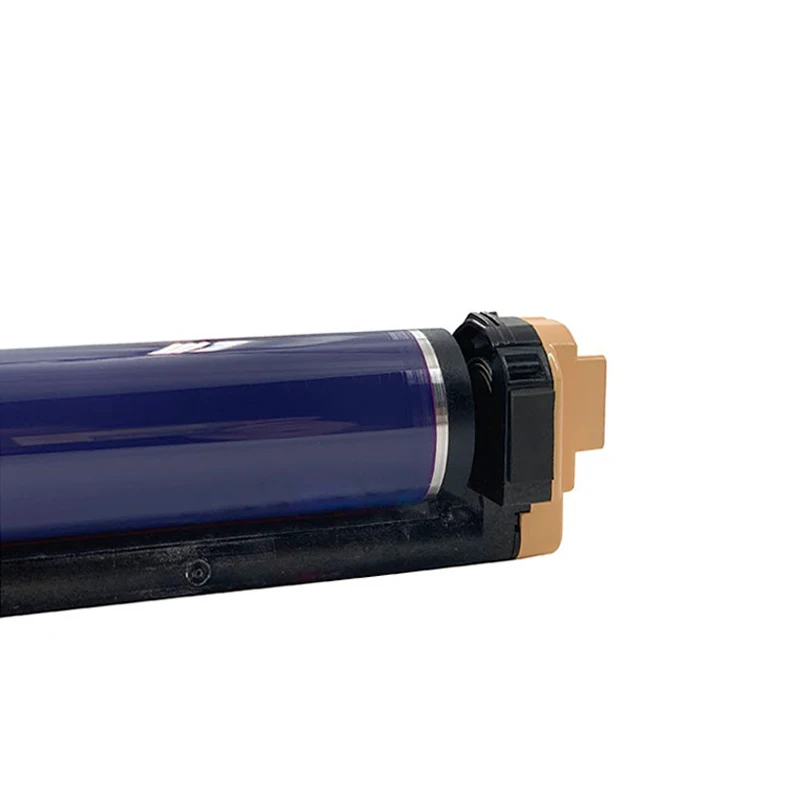
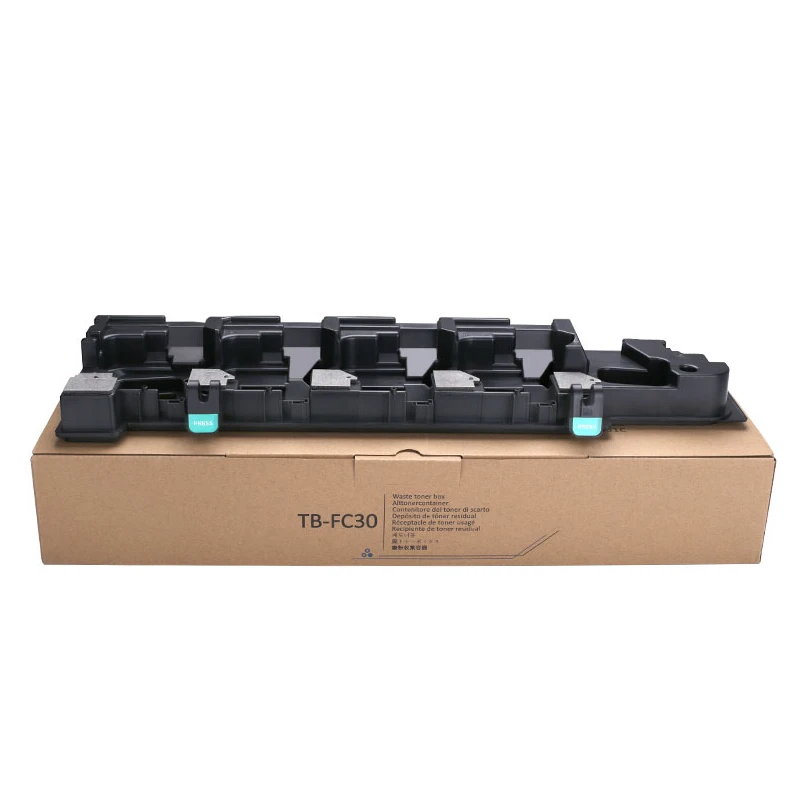
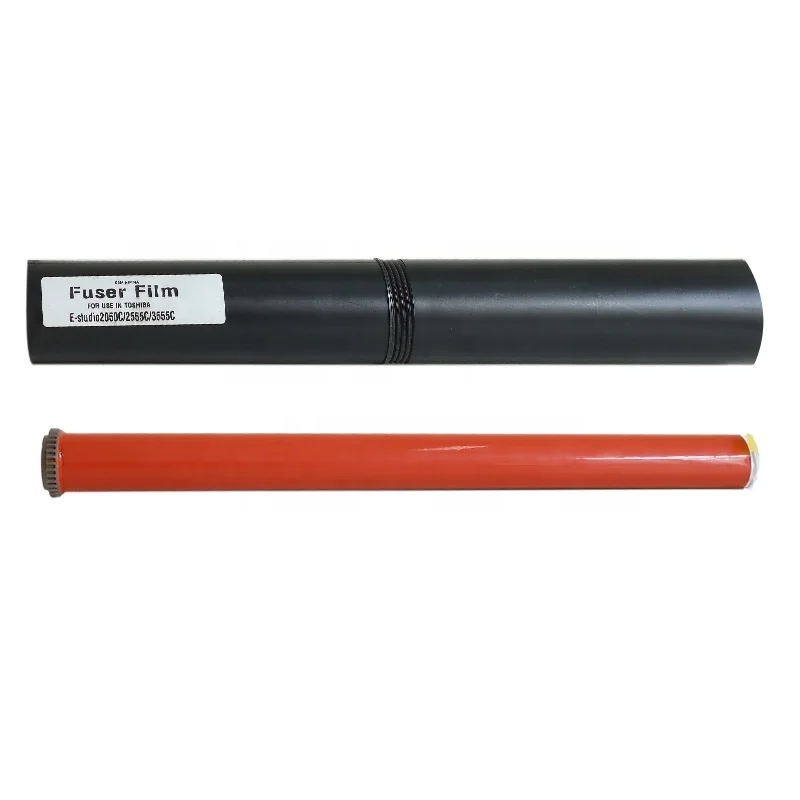
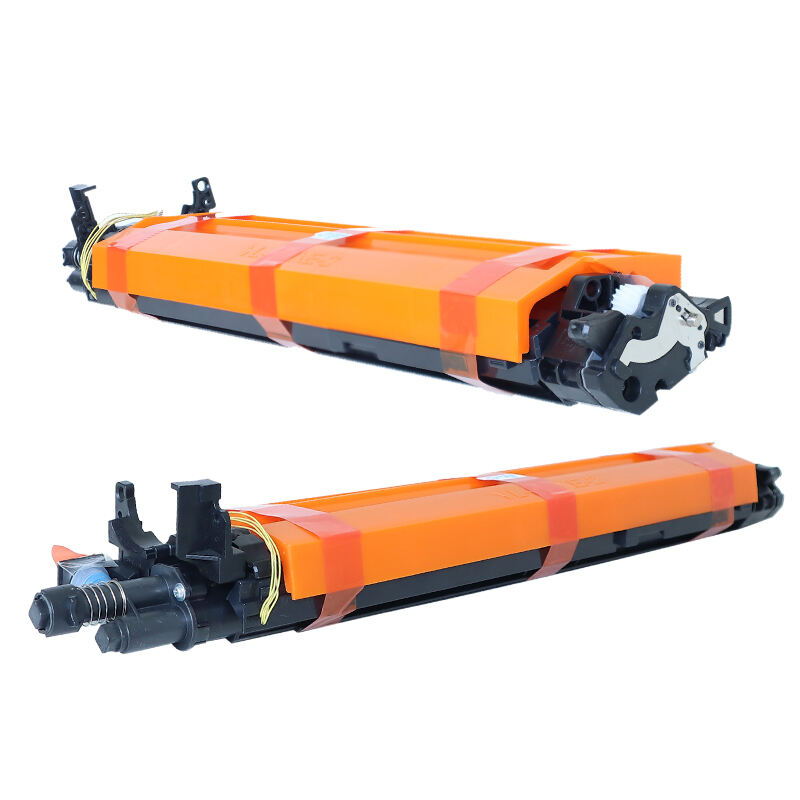
The compatibility of copier parts with specific equipment models represents a critical consideration that directly impacts installation success, operational reliability, and long-term performance sustainability. Manufacturers of quality copier parts invest substantial resources in reverse engineering and testing to ensure their components integrate seamlessly with targeted equipment models, matching original specifications for physical dimensions, electrical characteristics, mounting interfaces, and communication protocols. This comprehensive compatibility extends beyond simple physical fit to encompass functional integration with machine firmware, diagnostic systems, and performance monitoring capabilities. Modern copying equipment incorporates sophisticated sensors and monitoring systems that track component status, remaining capacity, and performance parameters, communicating this information to operators through control panel displays and automated alerts. Compatible copier parts include the necessary identification chips, memory modules, or communication interfaces that enable proper interaction with these monitoring systems, ensuring that users receive accurate information about component status and replacement timing. This integration prevents premature replacement warnings that waste partially consumed components while avoiding delayed replacement that might compromise output quality or cause equipment damage. The mechanical compatibility of copier parts encompasses critical factors such as gear tooth profiles, bearing clearances, spring tensions, and alignment features that must match original specifications precisely to prevent accelerated wear, noise generation, or operational failures. Electrical compatibility requirements include voltage ratings, current handling capacity, resistance values, and signal timing characteristics that enable proper interaction with power supplies, control circuits, and sensor systems. Organizations benefit from comprehensive compatibility because it eliminates trial-and-error approaches to parts replacement, reduces the risk of compatibility-related failures, and ensures that replacement components deliver performance equivalent to or exceeding original equipment specifications. Reputable suppliers of copier parts provide detailed compatibility databases and application guides that help customers identify appropriate components for their specific equipment models, firmware versions, and configuration options. This technical support reduces procurement errors and ensures first-time installation success, minimizing equipment downtime and avoiding the frustration and expense of ordering incorrect components. Compatibility verification also protects warranty coverage, as using inappropriate copier parts might void manufacturer warranties or service agreements, creating financial exposure in the event of equipment failure.
 EN
EN