 EN
EN

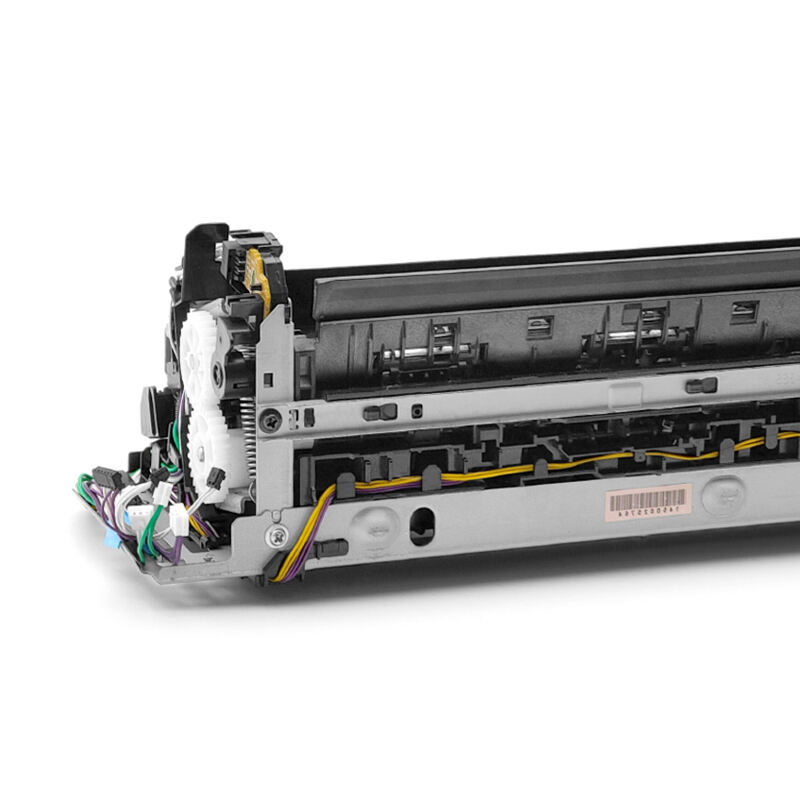
A fuser unit endures extreme mechanical and thermal stress every single day. As one of the most active components inside a laser printer or copier, the fuser unit bonds toner to paper using heat and pressure, which means its internal materials must be exceptionally durable to sustain consistent performance over thousands of print cycles.
Understanding what materials make a fuser unit resistant to wear helps procurement teams, technicians, and print fleet managers make smarter replacement and maintenance decisions. When a fuser unit is built with the right combination of heat-stable polymers, reinforced roller compounds, and engineered release coatings, it lasts longer, produces cleaner output, and reduces total cost of ownership. This article breaks down the specific materials that matter most and explains how each one contributes to fuser unit durability during daily use.
Heat-Resistant Polymers Inside the Fuser Unit
PTFE and Silicone as Core Roller Materials
The pressure roller and heat roller are the two primary components of any fuser unit that make direct contact with paper and toner. These rollers are most commonly coated with polytetrafluoroethylene, commonly known as PTFE, or with high-grade silicone rubber compounds. Both materials offer outstanding resistance to the operating temperatures that a fuser unit sustains, which typically range between 150 and 220 degrees Celsius depending on media type and machine model.
PTFE provides the fuser unit roller surface with an extremely low coefficient of friction, which prevents toner adhesion and media jams. Silicone rubber, on the other hand, gives the fuser unit pressure roller its required elasticity so that it maintains even contact pressure across different paper thicknesses. Together, these two materials form the foundation of a wear-resistant fuser unit roller system that can handle high daily print volumes without surface cracking or glazing.
Fluoropolymer Release Coatings
Many advanced fuser unit designs apply a thin fluoropolymer release layer over the silicone base of the heat roller. This outer coating on the fuser unit serves a specific function: it prevents molten toner from sticking to the roller surface after the bonding process is complete. Without an effective release coating, the fuser unit would accumulate toner residue rapidly, causing image defects and accelerating surface wear.
The durability of this fluoropolymer layer is a direct indicator of overall fuser unit lifespan. Higher-quality fuser unit assemblies use multi-layer fluoropolymer coatings that are chemically bonded to the silicone substrate, improving adhesion and reducing the risk of delamination during thermal cycling. When this coating degrades, the fuser unit begins to show signs of offset smearing, uneven gloss, and toner contamination on the back of printed pages.
Structural Alloys and Ceramic Components
Metal Alloys in the Fuser Unit Frame and Lamp Housing
The fuser unit housing and internal frame are typically constructed from aluminum alloys or heat-treated steel, both of which provide structural rigidity while conducting heat efficiently. Aluminum alloys are especially common in the fuser unit lamp housing because they dissipate thermal energy evenly, preventing localized hot spots that could damage the roller surface or the surrounding electrical components.
Steel components within the fuser unit, particularly those used in the drive gears and bearing assemblies, are often surface-treated or hardened to extend their service life under continuous rotational load. The quality of these metal parts has a direct impact on how quietly and smoothly the fuser unit operates over time, as worn gears or misaligned bearings can create vibration that degrades image quality and accelerates roller wear.
Ceramic Heating Elements in Modern Fuser Unit Designs
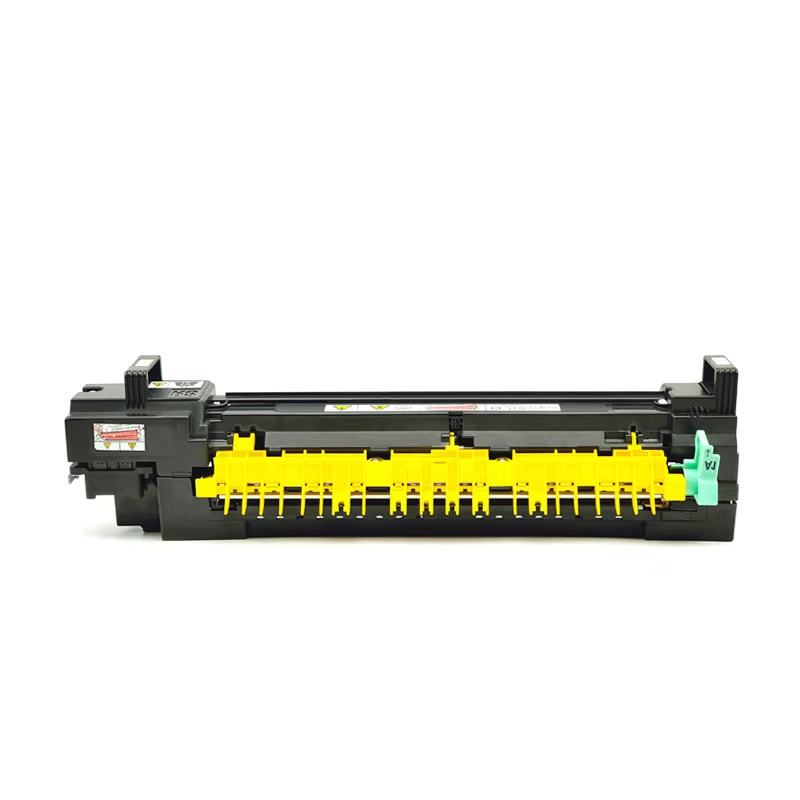
Ceramic heating elements have become increasingly common in the fuser unit designs of newer printer models. Unlike traditional halogen lamp heaters, a ceramic heating element in a fuser unit reaches operating temperature faster, distributes heat more uniformly across the roller width, and maintains tighter temperature control during continuous printing. These advantages directly reduce the mechanical stress caused by thermal expansion and contraction cycles.
The use of ceramic in a fuser unit also reduces energy consumption, which is a growing concern in high-volume office environments. Because the fuser unit with a ceramic heater recovers temperature more quickly after each page, it operates in a more stable thermal range, which reduces the cumulative wear on both the roller surface and the pressure spring mechanism over the unit's service life.
Wear Indicators and Material Degradation in the Fuser Unit
How Material Breakdown Affects Fuser Unit Output Quality
Even the best-engineered fuser unit will eventually show signs of material fatigue. The most common wear indicators in a fuser unit include roller surface scoring, release coating peeling, pressure roller hardening, and gear wear. Each of these degradation modes is directly tied to material properties and the cumulative thermal and mechanical load that the fuser unit has absorbed over its service life.
When the PTFE or fluoropolymer coating on a fuser unit roller begins to fail, the first visible symptom is typically toner offset on the back side of printed sheets. As the silicone rubber layer hardens due to repeated heat exposure, the fuser unit loses its ability to apply even pressure, which results in faded areas or inconsistent gloss levels across the printed page. Recognizing these symptoms early allows technicians to replace the fuser unit before secondary damage occurs to the paper path or transfer belt.
Choosing a Fuser Unit Built for Long-Term Wear Resistance
When selecting a replacement fuser unit, the material specifications of the rollers, coatings, and heating elements should be evaluated carefully. A fuser unit that uses multi-layer fluoropolymer coatings, high-purity silicone rollers, and ceramic or PTC heating elements will consistently outperform one built with lower-grade alternatives. For high-volume environments, investing in a fuser unit with proven material quality reduces both downtime and long-term service costs.
Remanufactured fuser unit assemblies that meet OEM material specifications can also offer reliable wear resistance at a lower price point. The critical factor is whether the fuser unit has been rebuilt using the same grade of roller compounds and release coatings as the original design. A fuser unit that cuts corners on materials will show premature wear regardless of how well its other components have been reconditioned.
FAQ
What causes a fuser unit to wear out faster than expected?
A fuser unit wears out faster when it is used with incompatible media types, operated in environments with high humidity, or subjected to frequent short print jobs that cause repeated thermal cycling. Using toner cartridges that are not matched to the fuser unit specification can also accelerate roller coating degradation.
How often should a fuser unit be replaced in a high-volume office?
In a high-volume office, a fuser unit should typically be replaced every 100,000 to 200,000 pages, depending on the machine model and media mix. Monitoring print quality indicators such as toner offset, faded areas, and abnormal noise from the fuser unit area helps determine the optimal replacement interval.
Can the fuser unit be cleaned to extend its service life?
Light cleaning of the fuser unit entrance guide and separation fingers can help remove paper dust and loose toner debris that contribute to wear. However, the roller surfaces of the fuser unit should not be wiped with solvents or abrasive materials, as this can damage the protective fluoropolymer coating and shorten the overall service life of the fuser unit.