 EN
EN

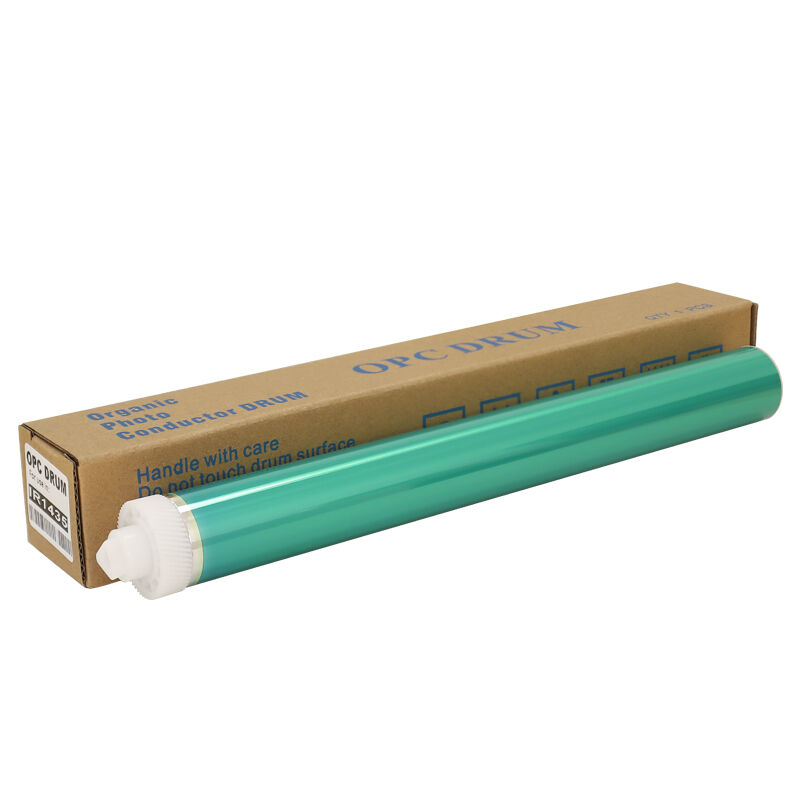
For imaging supply dealers, managing inventory quality is just as important as sourcing the right products. An OPC drum is one of the most sensitive consumables in any copier or laser printer system. When stored incorrectly, an OPC drum can degrade long before it reaches the end user, leading to print defects, warranty disputes, and damaged business reputation. Understanding the right storage conditions is essential for any dealer who wants to protect stock value and customer satisfaction.
The OPC drum, or Organic Photoconductor drum, is a light-sensitive component that transfers toner images onto paper during the print cycle. Because the OPC drum relies on a precisely coated photosensitive surface, it reacts negatively to light exposure, humidity fluctuations, physical pressure, and chemical contamination. Dealers who stock OPC drum units in bulk must apply disciplined storage practices to ensure every unit performs to specification when it reaches the customer.
Environmental Controls That Protect OPC Drum Quality
Temperature and Humidity Management
Temperature is one of the most critical factors affecting OPC drum integrity during storage. An OPC drum should be kept in an environment where the temperature consistently stays between 10°C and 30°C. Exposure to excessive heat can cause the photosensitive coating on the OPC drum to deform, crack, or lose sensitivity, making it unusable before installation. Equally, storing an OPC drum in freezing or near-freezing conditions can cause condensation when the unit is later brought to room temperature, leading to moisture damage on the drum surface.
Humidity control is equally important for OPC drum preservation. Relative humidity should be maintained between 30% and 70% in any storage facility. An OPC drum stored in a high-humidity environment absorbs moisture that degrades the photosensitive layer and promotes microbial growth in extreme cases. Dealers should invest in dehumidifiers and hygrometers to monitor warehouse conditions and prevent OPC drum stock from being silently compromised over time.
Light Exposure Prevention
The OPC drum is extremely sensitive to light, particularly ultraviolet and direct sunlight. Even brief exposure to strong light can cause irreversible damage to the photosensitive surface of an OPC drum. Storage areas must be designed to eliminate direct sunlight and minimize artificial light exposure. OPC drum units should always remain in their original sealed packaging until the point of use. Dealers should never open OPC drum packaging during inspection unless absolutely necessary, and any opened OPC drum unit must be handled under dim or filtered lighting conditions.
Physical Handling and Packaging Standards
Proper Orientation and Stacking Practices
Physical mishandling is one of the leading causes of OPC drum damage in dealer warehouses. An OPC drum must always be stored in its original protective packaging, which typically includes inner foam padding and a light-blocking bag. Placing an OPC drum on its side or under excessive weight can create pressure points on the drum surface, resulting in permanent marks that reproduce as print defects. Dealers should stack OPC drum boxes only as high as the manufacturer recommends and ensure that heavier stock is never placed on top of OPC drum inventory.
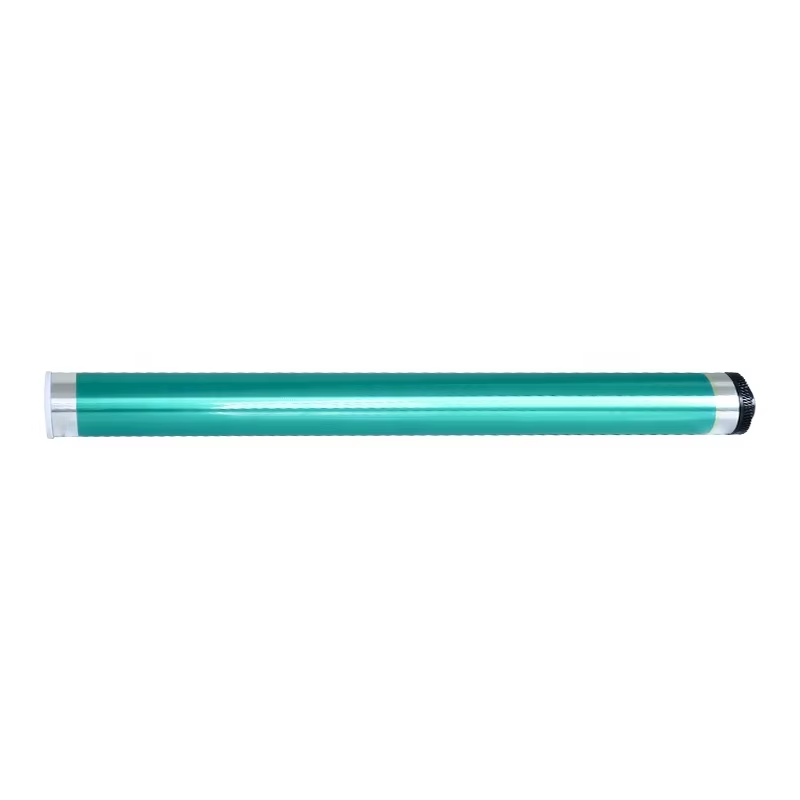
Vibration and mechanical shock are also threats to OPC drum condition during storage. An OPC drum placed near industrial machinery, loading dock equipment, or HVAC systems may experience micro-vibrations over extended periods. These vibrations can subtly misalign internal drum components or damage the photosensitive coating of the OPC drum. Storing OPC drum inventory on cushioned shelving away from vibration sources is a straightforward preventive measure that many dealers overlook.
Packaging Integrity Checks
Dealers receiving OPC drum shipments should immediately inspect each unit for packaging integrity before placing it into general inventory. A torn or punctured inner bag means the OPC drum inside has likely been exposed to ambient light, dust, or moisture during transit. Any OPC drum with compromised packaging should be quarantined and assessed separately. Routine inventory audits should include a check on OPC drum packaging condition to catch early deterioration before it leads to customer complaints or product returns.
Inventory Rotation and Shelf Life Management
First-In First-Out Inventory Discipline
Even under ideal conditions, an OPC drum has a finite shelf life. Most OPC drum units carry a manufacturer-stated shelf life ranging from one to two years from the production date. Dealers who do not apply a strict first-in first-out policy risk selling older OPC drum stock that has degraded while newer units remain on the shelf. Every OPC drum in inventory should be clearly labeled with its receipt date, and storage shelving should be organized so that older OPC drum units are always at the front for priority dispatch.
Tracking OPC drum inventory by production batch also helps dealers identify patterns of quality degradation. If a specific OPC drum batch consistently generates customer complaints after storage, the root cause may lie in the storage environment rather than the product itself. Keeping batch records alongside environmental monitoring logs allows dealers to diagnose OPC drum storage problems before they scale into costly returns or lost accounts.
Avoiding Chemical Contamination
Storage facilities that also house cleaning chemicals, solvents, or aerosols pose a hidden risk to OPC drum inventory. Volatile organic compounds in the air can interact with the photosensitive coating of an OPC drum, gradually degrading its electrical properties. Dealers should designate separate storage zones for OPC drum stock, keeping it away from any chemical products. Good air circulation in the OPC drum storage area also helps reduce the risk of chemical contamination and maintains consistent air quality around the inventory.
FAQ
How long can an OPC drum be stored before it becomes unusable?
Most OPC drum units have a shelf life of one to two years when stored correctly. The exact duration depends on the OPC drum model and the consistency of storage conditions. Keeping the OPC drum sealed, away from light, and within the recommended temperature and humidity range maximizes the usable shelf life.
Can an OPC drum recover after being exposed to light during storage?
In most cases, significant light exposure permanently damages the OPC drum photosensitive layer. Minor accidental exposure in very dim conditions may not cause immediately visible defects, but the OPC drum reliability may still be reduced. Once an OPC drum has been fully exposed to strong light, it should be tested before sale and likely replaced.
What is the safest way to store OPC drum units in a small dealer warehouse?
Small dealers should designate a dedicated OPC drum storage area that is cool, dry, and completely shielded from direct light. OPC drum boxes should be kept on stable shelving in their original sealed packaging, organized by receipt date for proper rotation. Monitoring temperature and humidity with basic instruments is a low-cost step that significantly extends OPC drum shelf life.