Professional Printing Ink Manufacturer - Quality Industrial Inks and Custom Formulations

Get a Free Quote

Our representative will contact you soon.
Email
Mobile
Whatsapp or Wechat ID
Company Name
Name
Message
0/1000

printing ink manufacturer

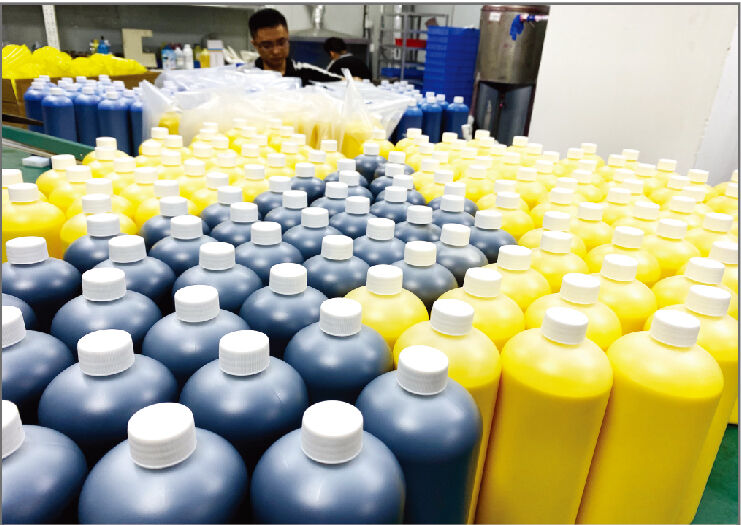
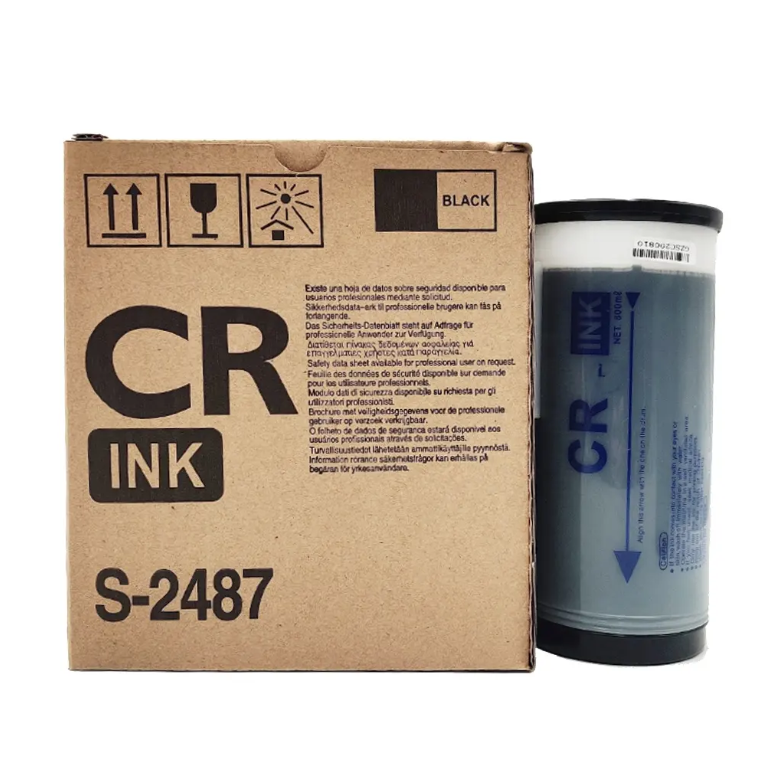
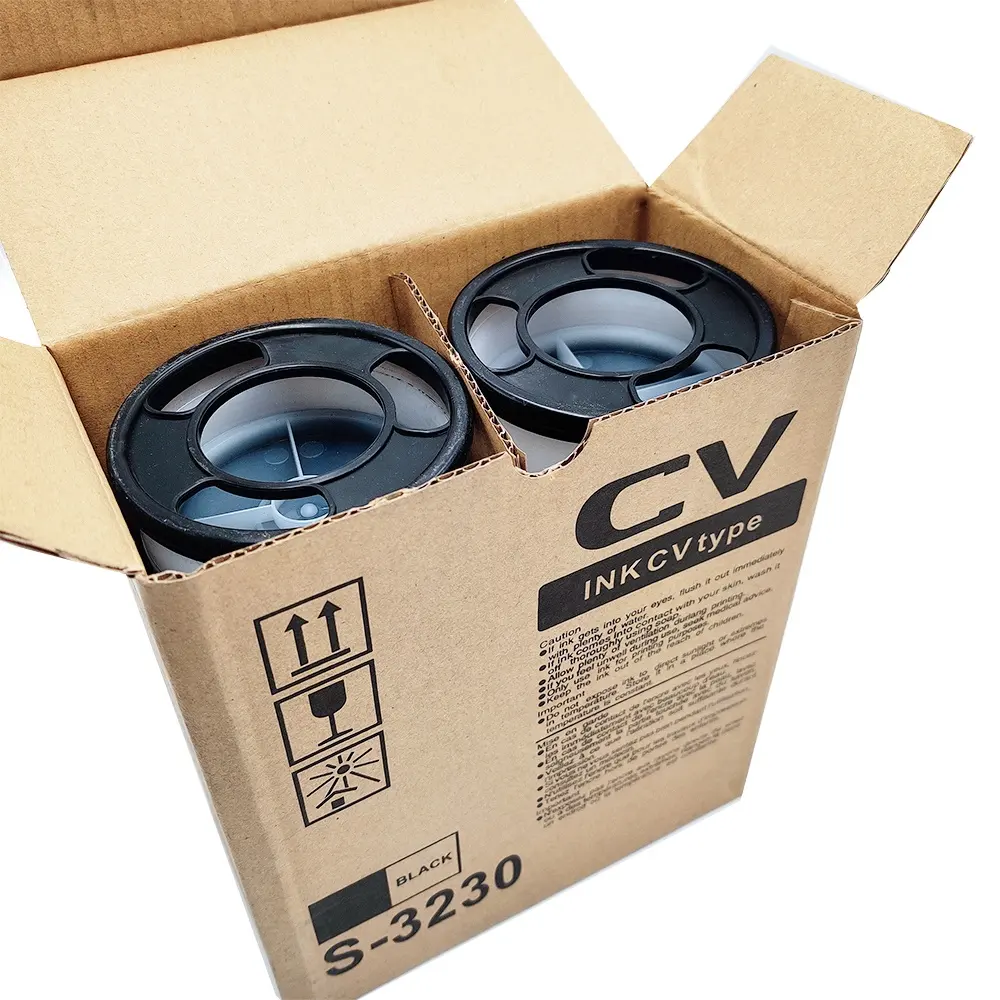
A printing ink manufacturer serves as a cornerstone enterprise within the global printing industry, specializing in the formulation, production, and distribution of high-quality inks designed for diverse printing applications. These specialized companies develop chemical compounds that transfer images, text, and graphics onto various substrates including paper, cardboard, plastic, metal, fabric, and specialized materials. The primary function of a printing ink manufacturer extends beyond simple production; they engineer complex formulations that balance color accuracy, adhesion properties, drying characteristics, and environmental compliance. Modern printing ink manufacturers invest substantially in research and development to create innovative products that meet evolving market demands, including eco-friendly formulations with reduced volatile organic compounds, UV-curable inks for instant drying, water-based alternatives for sustainable printing, and specialized inks for digital printing technologies. Technological features distinguish leading manufacturers from competitors through advanced color matching systems utilizing spectrophotometry, computerized quality control processes ensuring batch consistency, proprietary resin technologies enhancing durability, and customized formulation capabilities addressing unique customer requirements. These manufacturers typically operate sophisticated production facilities equipped with precision mixing equipment, automated dispensing systems, rigorous testing laboratories, and climate-controlled storage areas maintaining product integrity. The application scope encompasses commercial printing operations producing magazines, newspapers, and marketing materials; packaging industries requiring food-safe inks for consumer goods; textile printing facilities creating branded apparel; industrial marking systems for product identification; and fine art reproduction demanding exceptional color fidelity. A reputable printing ink manufacturer maintains comprehensive technical support teams assisting customers with ink selection, troubleshooting printing challenges, optimizing press performance, and ensuring regulatory compliance across different jurisdictions. Their product portfolios generally include offset inks for lithographic printing, flexographic inks for flexible packaging, gravure inks for high-volume applications, screen printing inks for specialty surfaces, and digital inks compatible with evolving inkjet and toner-based technologies.

New Product Recommendations

Partnering with an established printing ink manufacturer delivers tangible benefits that directly impact your operational efficiency and bottom line. First, you gain access to consistent quality that eliminates printing variability and reduces waste from color mismatches or performance failures. When your ink performs reliably across production runs, you minimize downtime, reduce material rejection rates, and maintain customer satisfaction through predictable output quality. Second, a dedicated printing ink manufacturer provides technical expertise that transforms printing challenges into competitive advantages. Their teams understand substrate compatibility, press mechanics, and environmental conditions affecting print quality, offering guidance that helps you optimize processes rather than simply supplying products. Third, cost efficiency emerges through formulations engineered for maximum coverage and minimal consumption, meaning each gallon or kilogram produces more finished goods compared to inferior alternatives. This efficiency translates directly into lower per-unit production costs and improved profit margins. Fourth, working with a printing ink manufacturer ensures regulatory compliance without requiring you to become an expert in environmental laws, safety standards, or chemical restrictions. They monitor changing regulations across markets and reformulate products proactively, protecting your business from compliance violations and associated penalties. Fifth, innovation access keeps your capabilities current as printing technology evolves. Manufacturers investing in research develop next-generation products addressing emerging needs like faster production speeds, enhanced durability requirements, or specialized effects that differentiate your offerings. Sixth, supply chain reliability prevents production interruptions through consistent availability, proper inventory management support, and logistics capabilities ensuring timely delivery even during peak demand periods. Seventh, customization opportunities allow tailored solutions matching your specific applications rather than forcing compromise with generic products. Whether you need particular viscosity profiles, specialized drying characteristics, unique color formulations, or compatibility with specific equipment, a responsive printing ink manufacturer develops solutions aligned with your requirements. Eighth, sustainability credentials increasingly matter to end customers and regulatory bodies. Progressive manufacturers offer environmentally responsible formulations reducing your ecological footprint while maintaining performance standards. Ninth, long-term partnership value develops through collaborative relationships where manufacturers understand your business evolution and proactively suggest improvements. Finally, comprehensive support systems including training programs, troubleshooting assistance, and regular performance reviews ensure you extract maximum value from your ink investment while continuously improving printing operations.

Practical Tips

How Do You Ensure the Quality of Developer Units When Sourcing from Suppliers?

11

Dec

How Do You Ensure the Quality of Developer Units When Sourcing from Suppliers?

Sourcing developer units from suppliers requires a comprehensive quality assurance strategy that protects your business reputation and ensures customer satisfaction. In today's competitive printing industry, the reliability and performance of develop...
View More
What Are the Signs That Your Pickup Roller Needs Replacing?

12

Feb

What Are the Signs That Your Pickup Roller Needs Replacing?

The pickup roller is a critical component in copiers and printers that ensures smooth paper feeding from the paper tray to the printing mechanism. When this essential part begins to wear down or malfunction, it can cause significant disruptions to yo...
View More
What Are the Common Issues Caused by Worn-Out Pickup Rollers and How to Fix Them?

12

Feb

What Are the Common Issues Caused by Worn-Out Pickup Rollers and How to Fix Them?

Office equipment performance directly impacts workplace productivity, and one component that frequently causes operational disruptions is the pickup roller. These essential mechanisms serve as the critical interface between paper stacks and internal ...
View More
Common issues with primary charge rollers and how to fix them

05

Mar

Common issues with primary charge rollers and how to fix them

Every office environment depends on reliable printing equipment to maintain productivity and workflow efficiency. However, even the most advanced copiers and printers can experience technical difficulties that disrupt daily operations. One component ...
View More

Get a Free Quote

Our representative will contact you soon.
Email
Mobile
Whatsapp or Wechat ID
Company Name
Name
Message
0/1000

printing ink manufacturer

Advanced Formulation Technology for Superior Print Performance

Advanced Formulation Technology for Superior Print Performance

The cornerstone advantage of selecting a sophisticated printing ink manufacturer lies in their advanced formulation technology that delivers consistently superior print performance across diverse applications and challenging conditions. Modern manufacturers employ chemists and materials scientists who understand the complex interactions between pigments, resins, solvents, and additives at molecular levels. This expertise enables precise engineering of ink characteristics matching specific printing requirements rather than offering generic solutions. The formulation process begins with pigment selection, where manufacturers source high-quality colorants providing excellent lightfastness, chemical resistance, and color strength. These pigments undergo rigorous dispersion processes breaking down particle agglomerates and creating uniform suspensions that prevent settling, ensure consistent color reproduction, and deliver smooth ink flow through printing equipment. Resin systems serve as the binding matrix holding pigments together and adhering prints to substrates. A competent printing ink manufacturer selects or synthesizes resins providing optimal balance between adhesion strength, flexibility, gloss level, and resistance to environmental factors like moisture, chemicals, and abrasion. The solvent or carrier system determines handling characteristics including viscosity, drying speed, and environmental profile. Progressive manufacturers develop water-based and low-VOC formulations minimizing health hazards and environmental impact while maintaining performance standards previously achievable only with solvent-based systems. Additives represent the finishing touches distinguishing exceptional inks from adequate ones. These include wetting agents improving substrate compatibility, defoamers preventing bubble formation, rheology modifiers optimizing flow characteristics, and specialized compounds enhancing specific properties like scratch resistance or antimicrobial protection. The formulation technology extends to quality assurance processes where each batch undergoes spectrophotometric color measurement, viscosity testing, pH monitoring, and application trials ensuring consistency meeting strict tolerances. This technological sophistication means you receive inks performing predictably across production runs, eliminating the frustrating variability that causes reprints, material waste, and customer dissatisfaction. Furthermore, advanced formulation capabilities enable rapid customization when standard products inadequately address unique requirements, providing competitive differentiation through specialized printing effects or compatibility with unusual substrates.
Comprehensive Technical Support and Application Expertise

Comprehensive Technical Support and Application Expertise

Beyond supplying quality products, a distinguished printing ink manufacturer provides comprehensive technical support and application expertise that transforms the customer relationship from transactional to collaborative partnership. This support dimension proves particularly valuable because printing success depends not solely on ink quality but on proper selection, handling, and application matching specific equipment, substrates, and production environments. The technical support infrastructure typically includes field representatives with practical printing experience who visit customer facilities, observe actual production conditions, and identify optimization opportunities. These specialists assess press settings, substrate characteristics, environmental conditions, and handling procedures, then recommend adjustments maximizing ink performance. Their insights often reveal simple modifications yielding dramatic improvements in print quality, production speed, or material efficiency. Beyond on-site assistance, printing ink manufacturers maintain technical service centers where customers can submit samples for analysis, request color matching services, or conduct trial runs before committing to large production volumes. These facilities replicate actual printing conditions allowing realistic performance evaluation and formula refinement before implementation. The expertise extends to troubleshooting problematic situations where prints exhibit defects like poor adhesion, inconsistent color, slow drying, or premature wear. Rather than leaving customers to diagnose issues independently, manufacturer technical teams systematically evaluate potential causes including ink formulation, substrate preparation, press configuration, environmental factors, and handling procedures. Their diagnostic protocols quickly identify root causes and implement corrective actions minimizing production disruption. Training programs represent another valuable support dimension, educating customer personnel about proper ink handling, storage requirements, safety procedures, and best practices optimizing results. These educational initiatives improve operator competency, reduce errors, enhance workplace safety, and foster deeper understanding of factors influencing print quality. Additionally, forward-thinking printing ink manufacturers share industry intelligence about emerging technologies, evolving regulations, and market trends affecting customer businesses. This information helps customers anticipate changes and adapt proactively rather than reactively. The application expertise proves particularly valuable when exploring new markets, substrates, or printing technologies where internal knowledge may be limited. Manufacturers leverage experience across diverse customers and applications, transferring lessons learned and proven solutions to new situations. This accumulated wisdom accelerates learning curves, reduces trial-and-error costs, and shortens time-to-market for new products or capabilities.

Sustainable and Environmentally Responsible Manufacturing Practices

Sustainable and Environmentally Responsible Manufacturing Practices

Contemporary printing ink manufacturers increasingly prioritize sustainable and environmentally responsible manufacturing practices that benefit both ecological systems and customer businesses facing mounting pressure to demonstrate environmental stewardship. This commitment manifests across multiple dimensions including raw material sourcing, formulation chemistry, production processes, and end-of-life considerations. Progressive manufacturers develop bio-based ink formulations incorporating renewable resources like vegetable oils, plant-derived resins, and naturally sourced pigments replacing petroleum-based components. These alternatives reduce dependence on fossil fuels, lower carbon footprints, and often provide comparable or superior performance characteristics. Water-based ink systems represent another significant sustainability advancement, eliminating or drastically reducing volatile organic compound emissions that contribute to air pollution and pose health risks to printing facility workers. While historically challenging to formulate with performance matching solvent-based alternatives, modern water-based inks now deliver excellent adhesion, durability, and color vibrancy across expanding application ranges. The manufacturing facilities themselves incorporate environmental best practices including closed-loop solvent recovery systems capturing and recycling materials otherwise released as emissions, energy-efficient production equipment reducing power consumption, water treatment systems preventing contamination of natural water sources, and waste minimization protocols reducing landfill contributions. Leading printing ink manufacturers pursue third-party environmental certifications validating their sustainability claims through independent auditing and verification processes. These certifications provide customers with credible evidence supporting their own sustainability reporting and marketing claims. The environmental responsibility extends to packaging choices, with manufacturers selecting recyclable containers, minimizing packaging material volumes, and offering bulk delivery systems reducing per-unit packaging waste. Furthermore, responsible manufacturers provide comprehensive safety data sheets, handling guidelines, and disposal instructions ensuring customers manage inks properly throughout their lifecycle. They formulate products complying with stringent regulations including restrictions on heavy metals, phthalates, and other substances of concern in sensitive applications like food packaging and children's products. This regulatory expertise protects customers from compliance violations while supporting market access across jurisdictions with varying requirements. The sustainability commitment also addresses social dimensions including safe working conditions for manufacturing employees, ethical sourcing practices ensuring raw materials originate from responsible suppliers, and community engagement supporting regions where facilities operate. For customers, partnering with an environmentally responsible printing ink manufacturer provides multiple advantages including reduced regulatory risk, enhanced corporate reputation, alignment with customer sustainability expectations, potential cost savings through improved efficiency, and readiness for future regulations likely to become more stringent.
Email Email WhatsApp WhatsApp
WhatsApp
WeChat WeChat
WeChat
Facebook Facebook TopTop

Get a Free Quote

Our representative will contact you soon.
Email
Mobile
Whatsapp or Wechat ID
Company Name
Name
Message
0/1000