Professional Printer Ink Factory - Custom Ink Manufacturing Solutions

Get a Free Quote

Our representative will contact you soon.
Email
Mobile
Whatsapp or Wechat ID
Company Name
Name
Message
0/1000

printer ink factory

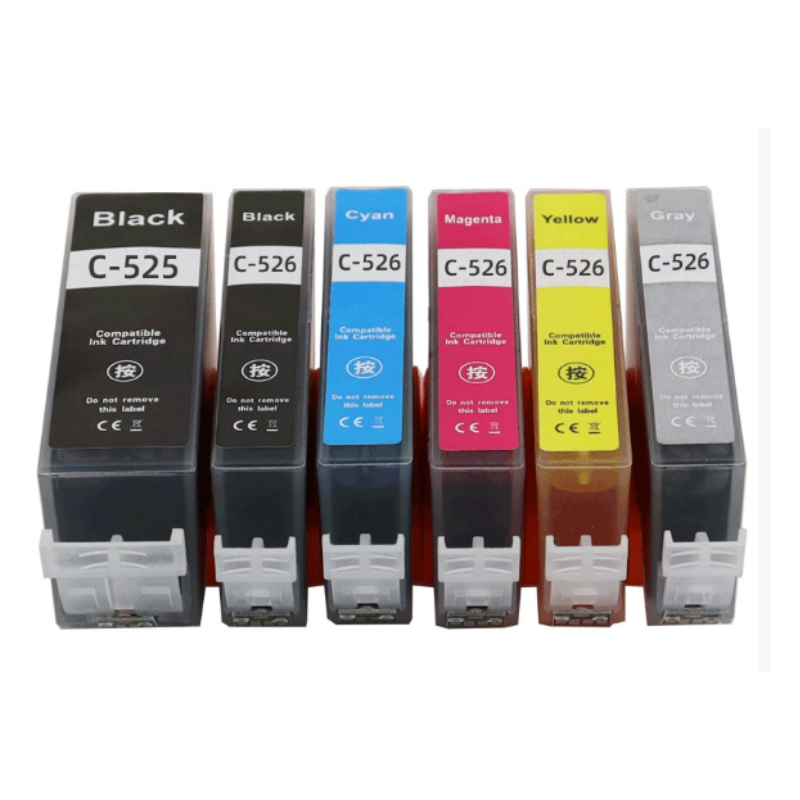
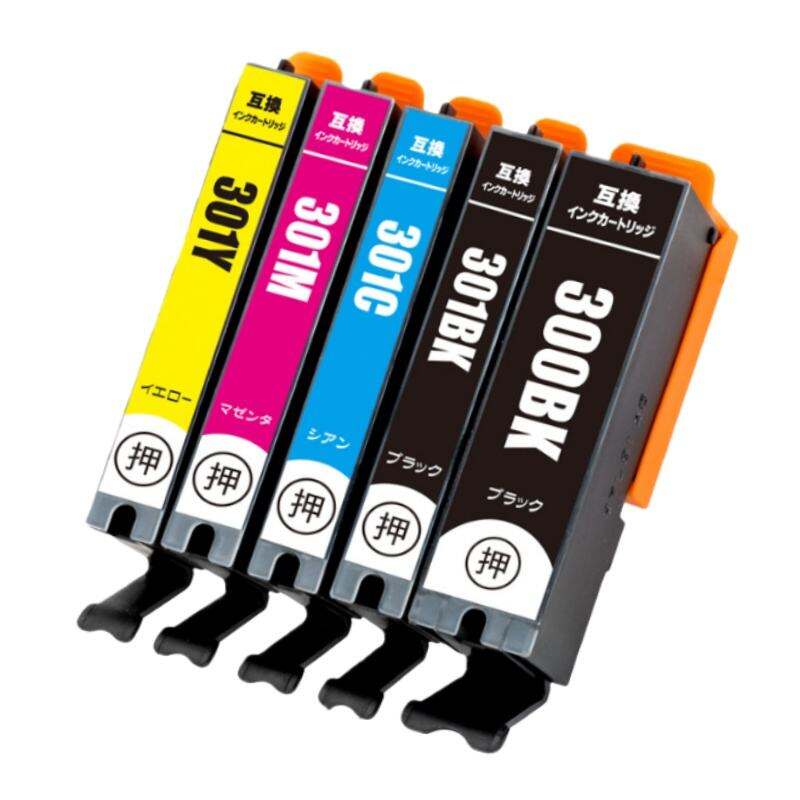
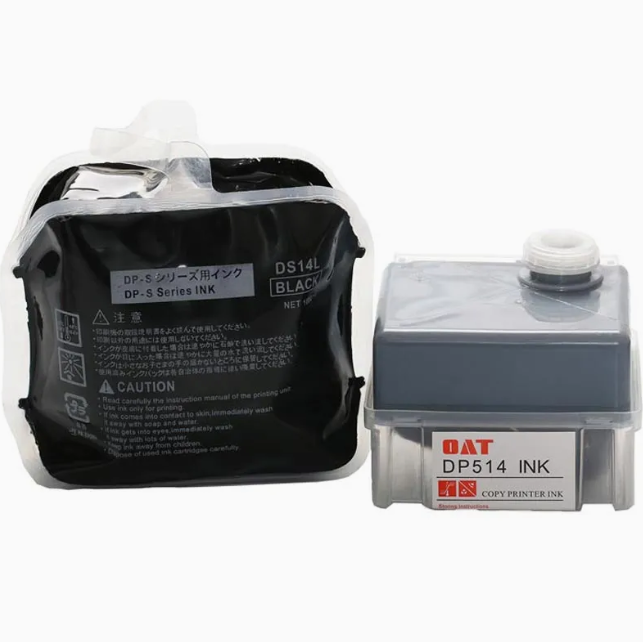
A printer ink factory represents a specialized manufacturing facility dedicated to producing high-quality inks for various printing applications. These sophisticated production centers combine advanced chemical engineering with precision manufacturing processes to create inks that meet the demanding requirements of modern printing technology. The main functions of a printer ink factory encompass raw material processing, pigment dispersion, formulation mixing, quality control testing, and packaging operations. Each stage requires meticulous attention to detail and adherence to strict industry standards to ensure consistent output. The technological features of a modern printer ink factory include automated mixing systems that guarantee precise color matching, temperature-controlled environments that maintain optimal viscosity levels, and clean-room facilities that prevent contamination. Advanced filtration systems remove impurities down to microscopic levels, while computerized monitoring equipment tracks every parameter throughout production. Research and development laboratories within these facilities continuously work on developing new formulations that offer improved performance characteristics such as faster drying times, enhanced color vibrancy, and better fade resistance. The applications of products from a printer ink factory span multiple industries including commercial printing, packaging production, textile printing, and home office supplies. Professional print shops rely on factory-produced inks for their consistency and reliability when handling large-scale projects. Publishing companies depend on these inks for producing magazines, books, and newspapers with sharp text and vivid images. The packaging industry uses specialized inks that can adhere to various substrates including plastics, metals, and cardboard while maintaining durability through shipping and handling. Textile manufacturers utilize inks formulated specifically for fabric printing, ensuring colorfastness through repeated washing cycles. Individual consumers benefit from cartridges filled with factory-produced ink that delivers reliable performance in home printers. Environmental considerations have become increasingly important, leading many facilities to develop eco-friendly formulations that reduce volatile organic compounds and incorporate renewable resources without sacrificing print quality or performance standards.

Popular Products

Working with a professional printer ink factory provides numerous practical benefits that directly impact your business operations and bottom line. First and foremost, you gain access to consistent product quality that eliminates the frustration of color variations between batches. When your printer ink factory maintains rigorous quality control standards, every order you receive performs exactly like the previous one, allowing you to predict results accurately and satisfy customer expectations reliably. This consistency translates into reduced waste since you avoid reprinting jobs due to color mismatches or performance issues. Cost efficiency represents another significant advantage as established facilities achieve economies of scale that independent suppliers cannot match. By producing large volumes, a printer ink factory reduces per-unit costs and passes these savings along to customers. You benefit from competitive pricing without compromising on quality, which improves your profit margins or allows you to offer more attractive rates to your own clients. Technical support from experienced professionals adds tremendous value when challenges arise. Factory representatives understand their products intimately and can troubleshoot problems quickly, recommend optimal settings for different applications, and suggest alternative formulations when special requirements emerge. This expertise saves you time and money that would otherwise be spent experimenting or dealing with failed print runs. Product variety offers flexibility to handle diverse projects without maintaining excessive inventory. A comprehensive printer ink factory produces formulations optimized for different technologies including inkjet, offset, flexographic, and screen printing processes. You can source everything from a single reliable supplier rather than managing relationships with multiple vendors, simplifying procurement and reducing administrative overhead. Innovation access keeps you competitive as factories invest heavily in research to develop improved formulations. You benefit from advances in fade resistance, environmental friendliness, drying speed, and color gamut expansion without funding your own research programs. Reliable delivery schedules prevent production delays that frustrate customers and damage reputations. Established manufacturing operations maintain adequate inventory levels and efficient distribution networks that ensure your orders arrive when promised. This reliability allows you to commit to deadlines confidently and build trust with your clientele. Safety compliance comes standard when working with professional manufacturers who understand regulatory requirements and implement proper handling procedures. You receive products with comprehensive safety data sheets and technical documentation that help you maintain workplace safety and meet legal obligations. Environmental responsibility continues gaining importance among consumers and businesses alike. Progressive printer ink factory operations invest in sustainable practices including waste reduction, water recycling, and renewable energy usage while developing greener formulations that minimize environmental impact without sacrificing performance.

Tips And Tricks

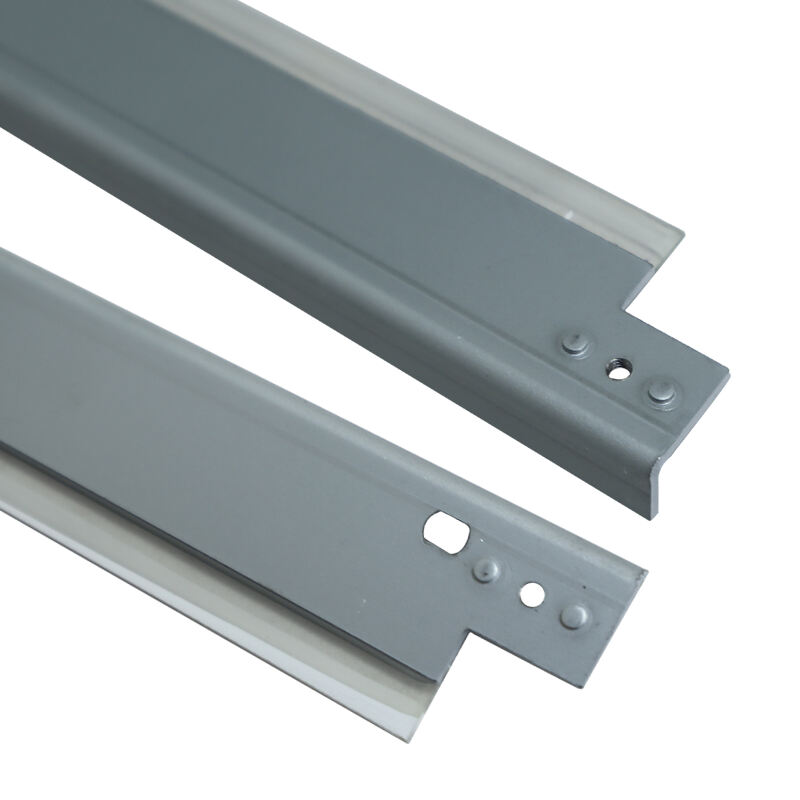
How Can a Customized Cleaning Blade Extend the Lifespan of Your Printer?

11

Dec

How Can a Customized Cleaning Blade Extend the Lifespan of Your Printer?

Office productivity heavily depends on reliable printing equipment, yet many businesses overlook the critical role of maintenance components in preserving their investment. A customized cleaning blade represents one of the most effective solutions fo...
View More
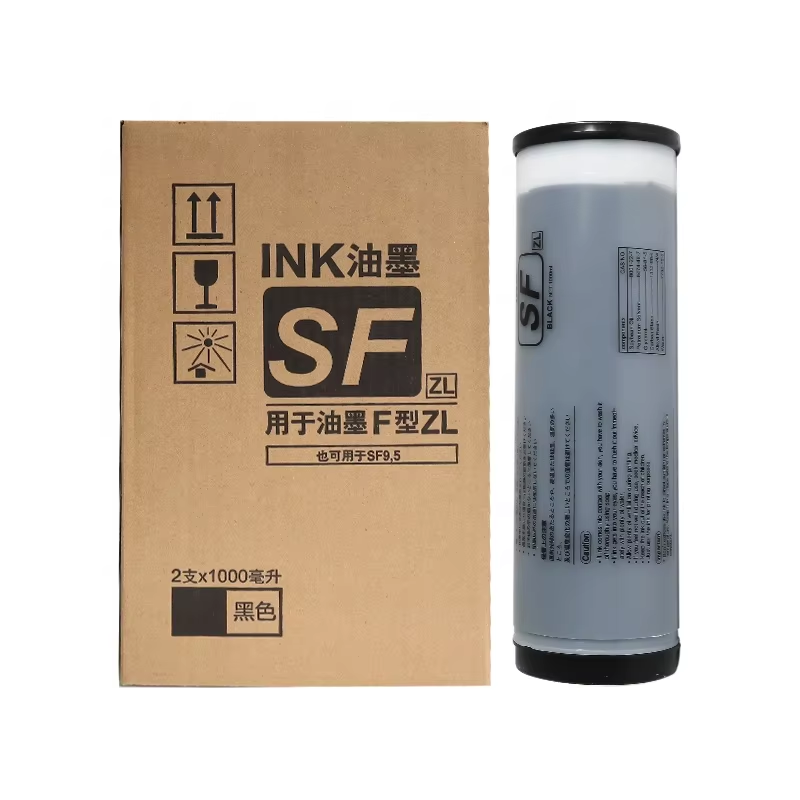
Why is ink quality crucial for a duplicator?

07

Jan

Why is ink quality crucial for a duplicator?

When operating high-volume printing equipment, understanding the critical importance of duplicator ink quality becomes essential for maintaining optimal performance and achieving professional results. The quality of ink used in duplicators directly i...
View More
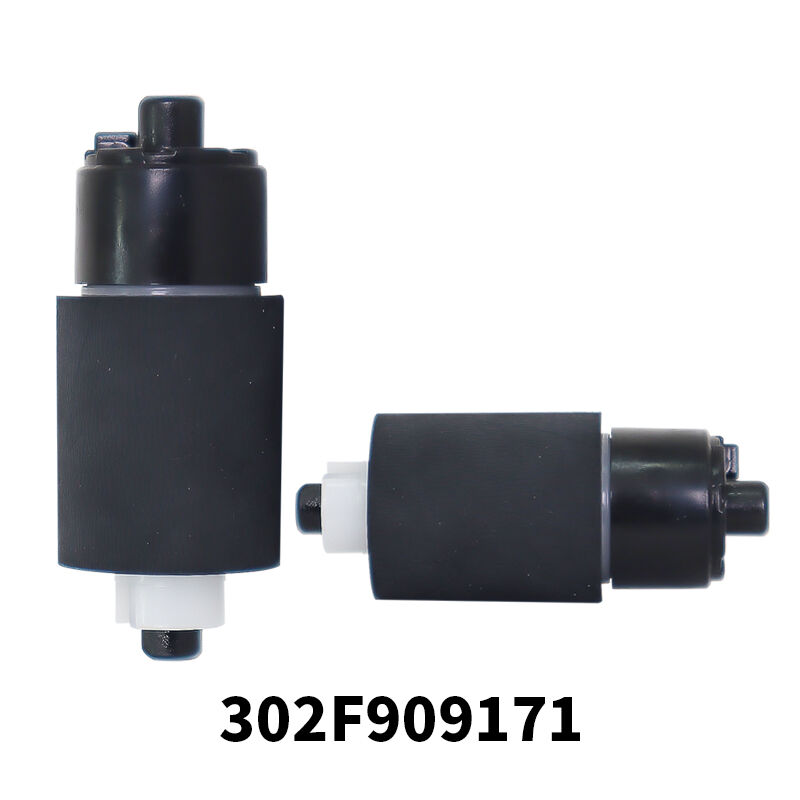
How Do Pickup Rollers Affect the Speed and Accuracy of Paper Feeds in Your Printer?

12

Feb

How Do Pickup Rollers Affect the Speed and Accuracy of Paper Feeds in Your Printer?

Modern printing environments depend heavily on the seamless operation of every component within a printer system. Among the most critical yet often overlooked components are pickup rollers, which serve as the primary mechanism for initiating paper mo...
View More
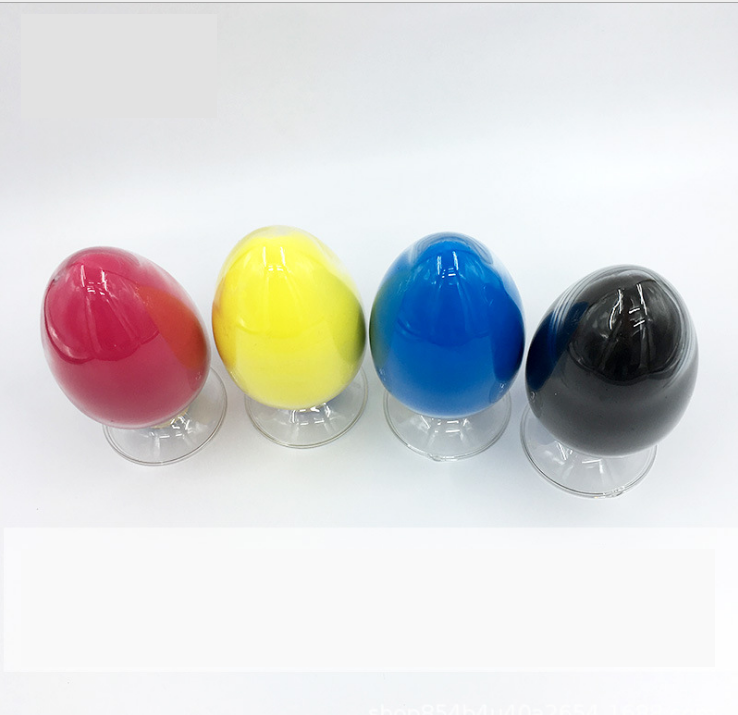
How Does the Quality of Printer Toner Powder Affect Your Printouts?

05

Mar

How Does the Quality of Printer Toner Powder Affect Your Printouts?

The quality of your printed documents directly correlates with the printer toner powder used in your printing equipment. Whether you're producing marketing materials, important business documents, or everyday office paperwork, the composition and man...
View More

Get a Free Quote

Our representative will contact you soon.
Email
Mobile
Whatsapp or Wechat ID
Company Name
Name
Message
0/1000

printer ink factory

Advanced Quality Control Systems Ensure Unmatched Consistency

Advanced Quality Control Systems Ensure Unmatched Consistency

The implementation of sophisticated quality control systems within a printer ink factory represents a fundamental advantage that separates professional manufacturing from amateur operations. These comprehensive testing protocols begin with incoming raw material inspection, where every component undergoes rigorous evaluation before entering production. Spectrophotometers measure color values with extreme precision, comparing samples against established standards to verify they fall within acceptable tolerances. Viscosity testing equipment evaluates flow characteristics under various temperature conditions to ensure proper performance across different operating environments. pH measurements confirm chemical stability while particle size analyzers detect any aggregation that could cause nozzle clogging or uneven coverage. Throughout the manufacturing process, automated sampling systems collect specimens at predetermined intervals, subjecting them to immediate testing that identifies deviations before significant quantities of off-specification material accumulate. This real-time monitoring allows operators to make immediate adjustments, preventing waste and maintaining continuous output of premium product. The printer ink factory employs trained technicians who interpret test results, understand the underlying chemistry, and recognize subtle indicators that might escape automated systems. Their expertise ensures that products leaving the facility meet not only minimum specifications but consistently achieve optimal performance characteristics. Batch tracking systems maintain detailed records of every production run, documenting test results, raw material sources, processing conditions, and operator notes. This comprehensive documentation enables rapid investigation if questions arise and facilitates continuous improvement initiatives by identifying patterns and trends over time. Print testing represents the ultimate validation, with actual printing equipment evaluating how inks perform under real-world conditions. Sample prints undergo visual inspection for color accuracy, coverage uniformity, and drying characteristics while standardized tests measure rub resistance, water fastness, and lightfastness using accelerated aging chambers. These practical evaluations confirm that theoretical specifications translate into actual performance benefits. Calibration programs ensure all testing equipment maintains accuracy through regular verification against traceable standards, while proficiency testing compares results against external laboratories to validate methodology. The investment in quality control infrastructure demonstrates a printer ink factory commitment to excellence that protects your reputation and eliminates the costly consequences of product failures in the field.
Customization Capabilities Address Unique Application Requirements

Customization Capabilities Address Unique Application Requirements

One of the most valuable services offered by an experienced printer ink factory involves the ability to develop customized formulations tailored to specific application requirements that standard products cannot adequately address. This flexibility proves essential for businesses operating in specialized markets or dealing with unusual substrates, environmental conditions, or performance demands. The customization process begins with detailed consultation where technical specialists from the printer ink factory work closely with clients to understand their unique challenges and objectives. These discussions explore substrate characteristics, printing equipment specifications, environmental factors including temperature and humidity ranges, desired performance attributes such as drying speed or durability requirements, and any regulatory constraints that apply to the finished product. Color matching services utilize advanced spectrophotometric analysis to replicate precise shades, whether matching corporate brand colors, achieving specific Pantone references, or duplicating samples from competitors or previous suppliers. The printer ink factory maintains extensive libraries of base pigments and modifiers that can be blended in countless combinations to achieve virtually any color imaginable while maintaining other essential performance characteristics. Substrate compatibility testing evaluates how candidate formulations interact with specific materials, ensuring proper adhesion, appropriate drying times, and resistance to smudging or transfer. Whether printing on coated papers, uncoated stocks, synthetic films, metals, or textiles, the factory can adjust surface tension, viscosity, and other properties to optimize results. Performance enhancement focuses on achieving specific attributes that standard formulations may not emphasize. Perhaps you need exceptionally fast drying to support high-speed production lines, or maybe superior fade resistance is critical for outdoor applications. The printer ink factory can adjust resin systems, incorporate specialized additives, or modify pigment loadings to emphasize desired characteristics. Environmental compliance support helps navigate increasingly complex regulations regarding volatile organic compounds, heavy metals, and other restricted substances. Experienced formulators can recommend alternative ingredients that maintain performance while meeting regulatory standards in specific jurisdictions. Prototype production allows testing customized formulations under actual operating conditions before committing to large-scale production. This iterative approach identifies any necessary refinements and validates that the custom ink delivers expected benefits. Documentation packages provide complete technical specifications, safety information, and handling recommendations that support your quality systems and regulatory compliance efforts.

Sustainable Manufacturing Practices Deliver Environmental and Economic Benefits

Sustainable Manufacturing Practices Deliver Environmental and Economic Benefits

Modern printer ink factory operations increasingly prioritize sustainable manufacturing practices that deliver tangible environmental benefits while often reducing operating costs through improved efficiency. These initiatives address growing consumer preference for eco-friendly products and help businesses meet corporate sustainability goals without compromising product performance or reliability. Water-based formulation development represents a major focus area, with chemists working to replace solvent-based inks with alternatives that use water as the primary carrier. These formulations dramatically reduce volatile organic compound emissions that contribute to air pollution and pose health risks for workers. While early water-based inks presented performance challenges, ongoing research has produced modern versions that match or exceed solvent-based predecessors in most applications. The printer ink factory invests in specialized equipment designed for water-based production, including corrosion-resistant mixing vessels and modified pumping systems that handle different viscosity characteristics. Renewable resource incorporation involves substituting petroleum-derived components with bio-based alternatives sourced from plants and other renewable feedstocks. Vegetable oils can replace mineral oils in certain formulations, while natural resins derived from tree sap offer alternatives to synthetic binders. These substitutions reduce dependence on fossil fuels and lower the carbon footprint associated with raw material extraction and processing. Waste reduction programs examine every aspect of production to identify opportunities for minimizing discarded material. Improved batching accuracy reduces off-specification production, while better scheduling minimizes cleaning frequency and associated waste streams. Closed-loop systems capture and reuse materials that would otherwise be discarded, returning them to production after appropriate processing. Some progressive facilities have achieved near-zero waste status by finding productive uses for every byproduct. Energy efficiency improvements target the substantial power consumption associated with mixing, pumping, heating, and cooling operations. Variable frequency drives on motors reduce electricity usage during partial load operation, while heat recovery systems capture waste thermal energy for reuse elsewhere in the facility. The printer ink factory may install solar panels or purchase renewable energy credits to further reduce environmental impact. Packaging optimization reduces material consumption through lightweighting initiatives that maintain protective properties while using less plastic or cardboard. Concentrated formulations allow customers to add their own water or other carriers on-site, dramatically reducing shipping weight and associated transportation emissions. Recyclable and biodegradable packaging materials replace traditional options when feasible, supporting circular economy principles that minimize landfill contributions.
Email Email WhatsApp WhatsApp
WhatsApp
WeChat WeChat
WeChat
Facebook Facebook TopTop

Get a Free Quote

Our representative will contact you soon.
Email
Mobile
Whatsapp or Wechat ID
Company Name
Name
Message
0/1000