 EN
EN

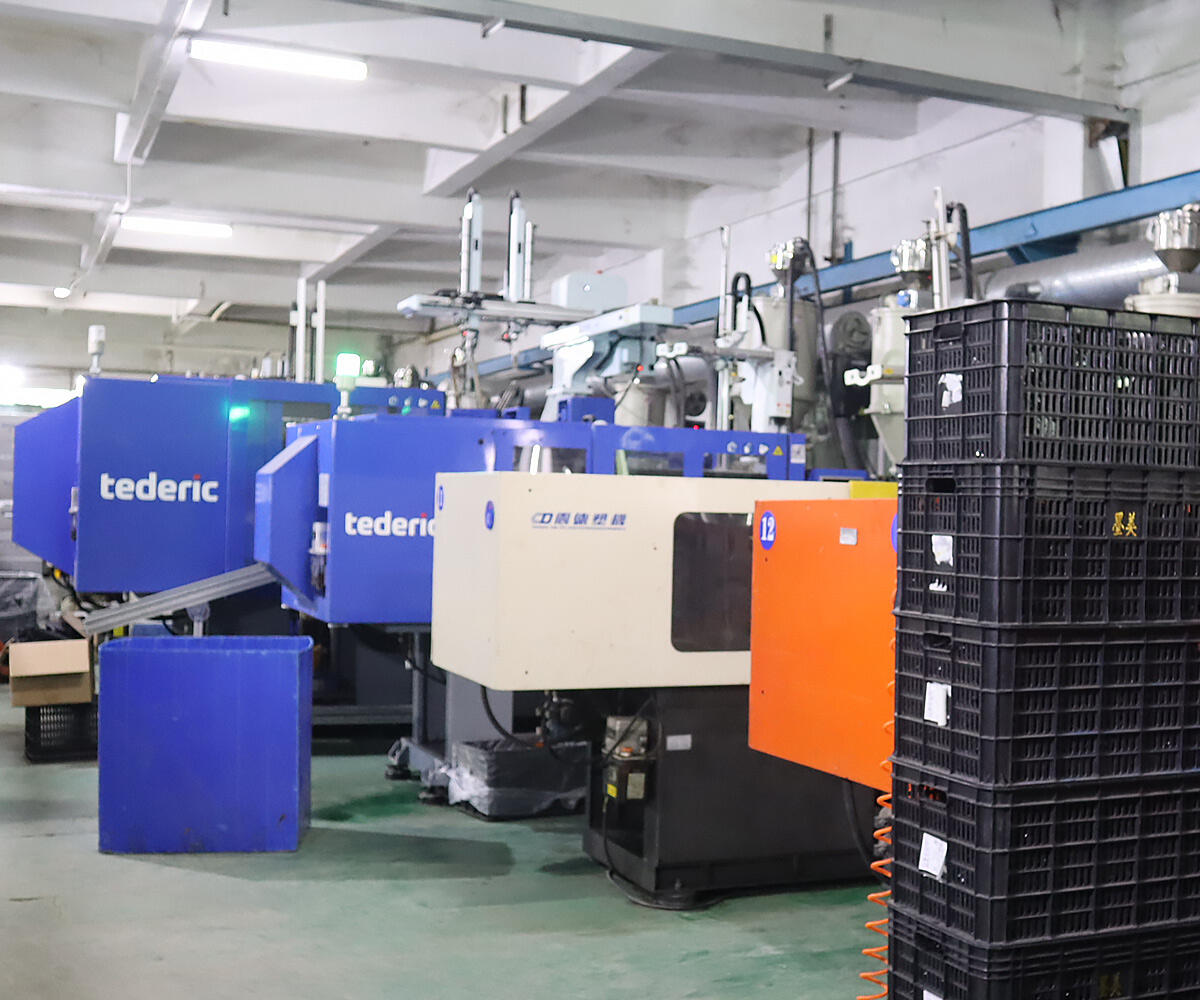
Modern printing environments demand exceptional reliability and consistency from every toner cartridge used in office equipment. Toner factories have developed sophisticated manufacturing processes to ensure that each toner cartridge delivers uniform color accuracy, consistent print density, and reliable performance throughout its lifecycle. The complexity of toner production involves precise chemical formulations, stringent quality control measures, and advanced testing protocols that guarantee every toner cartridge meets exacting industry standards.
Advanced Chemical Formulation and Raw Material Selection
Precision Polymer Engineering for Color Consistency
Toner cartridge manufacturing begins with meticulous polymer selection and chemical formulation processes that determine the final color characteristics and print quality. Factories employ specialized chemists who develop proprietary resin blends that ensure consistent particle size distribution and uniform color properties across production batches. These polymer matrices serve as the foundation for each toner cartridge, providing the structural integrity necessary for reliable powder flow and consistent electrostatic charging properties.
The chemical engineering process involves precise temperature control during polymerization reactions, where molecular weight distribution directly impacts the final toner performance. Manufacturing facilities utilize advanced reactor systems with real-time monitoring capabilities to maintain optimal reaction conditions throughout the production cycle. This level of control ensures that every toner cartridge contains particles with identical surface properties and charging characteristics, resulting in consistent print density and color reproduction across different printing conditions.
Colorant Integration and Pigment Dispersion Technologies
Color consistency in toner cartridge production relies heavily on sophisticated pigment dispersion techniques that achieve uniform colorant distribution throughout the polymer matrix. Factories employ high-energy mixing systems that break down pigment agglomerates to nanometer-scale particles, ensuring homogeneous color distribution in every toner cartridge batch. These dispersion processes utilize specialized surfactants and dispersing agents that prevent pigment reaggregation during storage and handling.
Quality control laboratories continuously monitor pigment concentration and distribution using advanced analytical instruments such as laser particle analyzers and spectrophotometers. Each toner cartridge production run undergoes rigorous testing to verify color matching against established standards, with any deviations triggering immediate process adjustments. The integration of automated sampling systems ensures representative testing throughout the manufacturing process, maintaining consistent quality standards for every toner cartridge produced.
Manufacturing Process Control and Quality Assurance Systems
Automated Production Line Monitoring
Modern toner cartridge manufacturing facilities incorporate sophisticated automation systems that continuously monitor critical process parameters throughout production. These systems track temperature variations, humidity levels, mixing speeds, and material flow rates with precision instrumentation that detects minute deviations from optimal operating conditions. Real-time data acquisition enables immediate process corrections, preventing quality variations that could affect toner cartridge performance.
Statistical process control algorithms analyze production data patterns to identify potential quality issues before they impact final product characteristics. Manufacturing engineers utilize this predictive capability to optimize production schedules and maintenance intervals, ensuring consistent toner cartridge quality while maximizing production efficiency. The integration of machine learning algorithms further enhances process optimization by identifying subtle correlations between process variables and final product performance metrics.
Environmental Control and Cleanroom Standards
Toner cartridge production requires stringent environmental controls to prevent contamination and ensure consistent product quality. Manufacturing facilities maintain cleanroom environments with controlled particulate levels, temperature stability, and humidity regulation that eliminate external factors affecting toner properties. These controlled environments prevent dust contamination that could compromise print quality and ensure consistent electrostatic properties in every toner cartridge.
Air filtration systems utilize HEPA and ULPA filters to maintain contamination-free production environments, while positive pressure systems prevent external contaminants from entering manufacturing areas. Personnel access protocols include specialized garments and decontamination procedures that maintain cleanroom integrity throughout production shifts. These environmental controls are essential for producing high-quality toner cartridge products that meet demanding performance specifications.
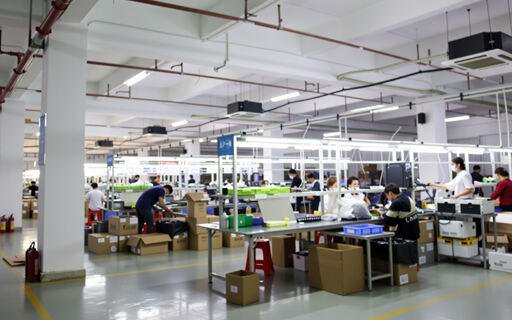
Testing Protocols and Quality Validation Procedures
Comprehensive Color Matching and Spectral Analysis
Quality assurance laboratories employ advanced spectrophotometric testing equipment to verify color accuracy and consistency across toner cartridge production batches. These instruments measure color characteristics using standardized illumination conditions and observer angles, providing quantitative data for color matching verification. Spectral analysis protocols ensure that each toner cartridge meets precise color specifications established by printer manufacturers and industry standards.
Color matching procedures involve printing standardized test patterns using sample toner from each production batch, followed by detailed colorimetric analysis to verify compliance with established tolerances. Laboratory technicians compare measured values against reference standards using delta-E calculations that quantify color differences with mathematical precision. This systematic approach ensures that every toner cartridge delivers consistent color reproduction regardless of production date or manufacturing location.
Print Quality and Performance Validation Testing
Comprehensive performance testing protocols evaluate multiple aspects of toner cartridge functionality, including print density uniformity, text sharpness, and image quality characteristics. Testing laboratories utilize calibrated printing equipment to simulate real-world operating conditions while measuring performance parameters such as optical density, dot gain, and color gamut coverage. These tests provide quantitative data that validates toner cartridge performance across diverse printing applications.
Durability testing procedures evaluate toner cartridge performance under extended use conditions, simulating the complete product lifecycle to identify potential quality issues. Accelerated aging tests expose toner samples to elevated temperatures and humidity levels, while mechanical stress testing validates cartridge durability under repeated handling and installation cycles. These comprehensive validation procedures ensure that every toner cartridge maintains consistent performance throughout its intended service life.
Supply Chain Management and Raw Material Traceability
Vendor Qualification and Material Certification Programs
Toner cartridge manufacturers implement rigorous vendor qualification programs that ensure raw material suppliers meet stringent quality standards and consistency requirements. These programs include comprehensive auditing procedures that evaluate supplier manufacturing capabilities, quality systems, and material testing protocols. Qualified suppliers must demonstrate their ability to provide materials with consistent properties that support reliable toner cartridge production.
Material certification procedures require detailed documentation of chemical composition, physical properties, and performance characteristics for every raw material batch received. Incoming inspection protocols verify material specifications using calibrated testing equipment, with non-conforming materials rejected to prevent quality issues in final toner cartridge products. This systematic approach to supply chain management ensures consistent raw material quality that supports reliable manufacturing processes.
Batch Tracking and Traceability Systems
Comprehensive traceability systems track raw materials and production parameters throughout the entire toner cartridge manufacturing process, enabling rapid identification and resolution of quality issues. These systems maintain detailed records linking specific material batches to finished products, facilitating targeted investigations when quality concerns arise. Digital tracking technologies provide real-time visibility into material usage and production status across multiple manufacturing locations.
Traceability databases store extensive production data including material lot numbers, process parameters, quality test results, and final product disposition information. This comprehensive data collection enables statistical analysis of quality trends and identification of process optimization opportunities that enhance toner cartridge consistency. Manufacturing engineers utilize this information to implement continuous improvement initiatives that further enhance product quality and manufacturing efficiency.
Continuous Improvement and Innovation in Toner Manufacturing
Advanced Analytics and Process Optimization
Modern toner cartridge manufacturing facilities leverage advanced analytics and machine learning technologies to identify optimization opportunities and enhance quality consistency. Predictive analytics algorithms analyze vast amounts of production data to identify subtle patterns and correlations that human operators might miss. These insights enable proactive process adjustments that prevent quality variations before they impact final toner cartridge performance.
Digital twin technologies create virtual models of manufacturing processes that enable simulation-based optimization and predictive maintenance scheduling. These models incorporate real-time sensor data and historical performance information to optimize production parameters for maximum quality consistency. The integration of artificial intelligence algorithms further enhances process control by automatically adjusting operating conditions based on predictive quality models.
Research and Development for Enhanced Consistency
Ongoing research and development initiatives focus on developing new materials and manufacturing techniques that further improve toner cartridge quality consistency. Materials scientists investigate novel polymer formulations and additive systems that enhance color stability and reduce batch-to-batch variations. These research efforts often result in breakthrough technologies that significantly improve manufacturing process control and final product performance.
Collaborative research programs with universities and technology partners accelerate the development of innovative manufacturing solutions that enhance toner cartridge quality. These partnerships provide access to cutting-edge research capabilities and emerging technologies that may not be available within individual manufacturing organizations. The resulting innovations often lead to industry-wide improvements in toner cartridge quality and manufacturing efficiency.
FAQ
What specific testing methods ensure color consistency in toner cartridge production
Toner cartridge manufacturers employ spectrophotometric analysis, standardized print testing, and colorimetric measurement protocols to ensure consistent color reproduction. These methods include delta-E calculations for quantifying color differences, standardized illumination testing conditions, and comprehensive color gamut verification procedures that validate color accuracy across production batches.
How do environmental factors affect toner cartridge manufacturing quality
Environmental controls including temperature stability, humidity regulation, and cleanroom conditions are critical for maintaining toner cartridge quality consistency. Variations in environmental conditions can affect powder flow characteristics, electrostatic properties, and color stability, which is why manufacturers maintain stringent environmental controls throughout production processes.
What role does raw material traceability play in toner cartridge quality assurance
Raw material traceability systems enable manufacturers to track material sources and properties throughout the production process, facilitating rapid identification of quality issues and implementing targeted corrective actions. These systems maintain detailed records linking specific material batches to finished toner cartridge products, supporting comprehensive quality investigations when needed.
How do manufacturers validate toner cartridge performance across different printer models
Toner cartridge manufacturers conduct extensive compatibility testing using various printer models and operating conditions to validate performance characteristics. Testing protocols include print quality evaluation, mechanical fit verification, and electrical compatibility confirmation to ensure reliable operation across different printing equipment and environmental conditions.
Table of Contents
- Advanced Chemical Formulation and Raw Material Selection
- Manufacturing Process Control and Quality Assurance Systems
- Testing Protocols and Quality Validation Procedures
- Supply Chain Management and Raw Material Traceability
- Continuous Improvement and Innovation in Toner Manufacturing
-
FAQ
- What specific testing methods ensure color consistency in toner cartridge production
- How do environmental factors affect toner cartridge manufacturing quality
- What role does raw material traceability play in toner cartridge quality assurance
- How do manufacturers validate toner cartridge performance across different printer models