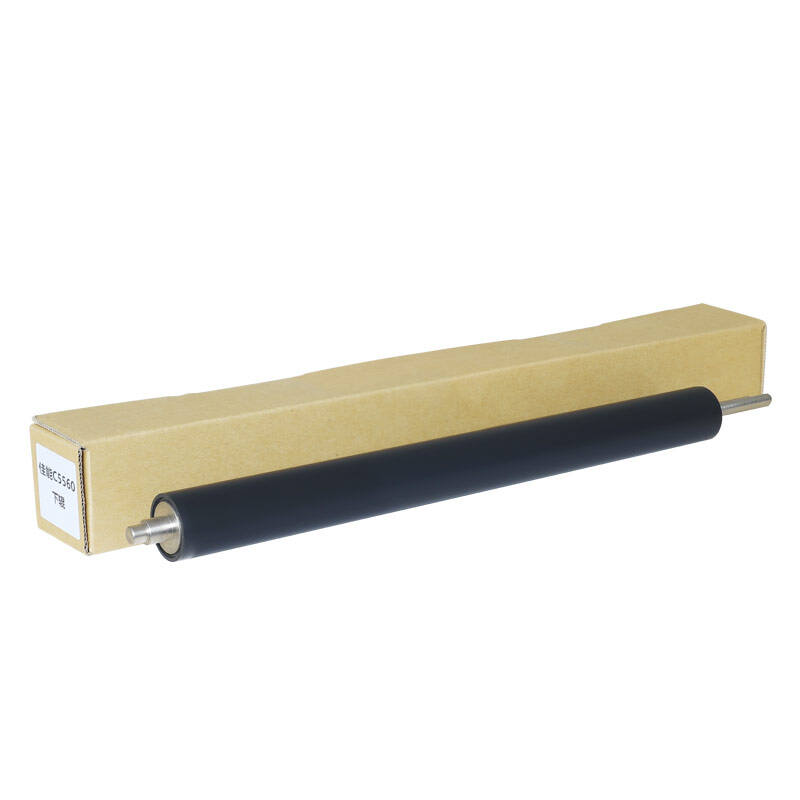
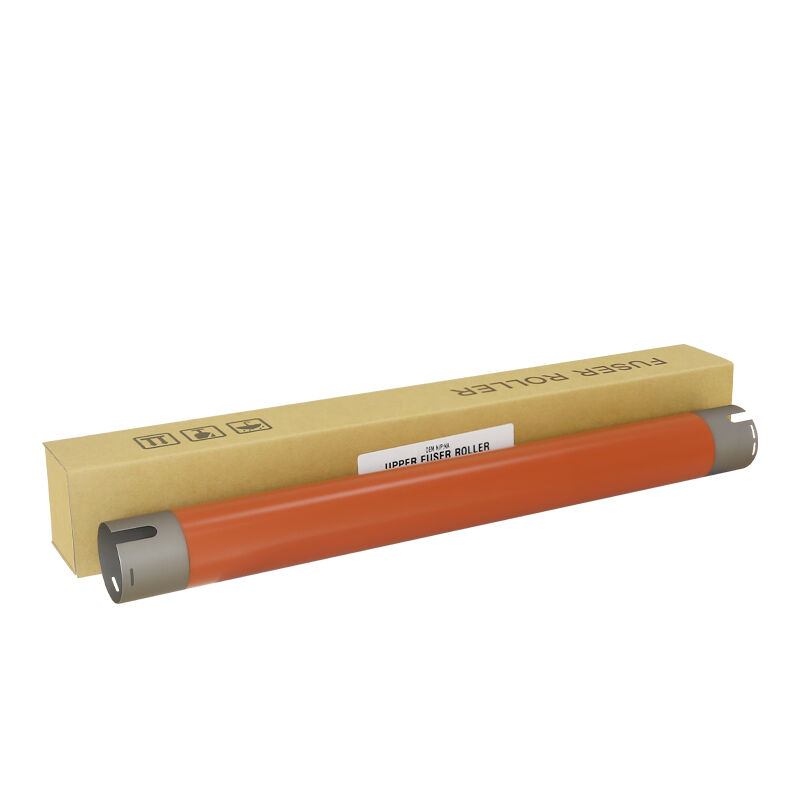
Universal Compatibility Across Multiple Printer Models and Brands
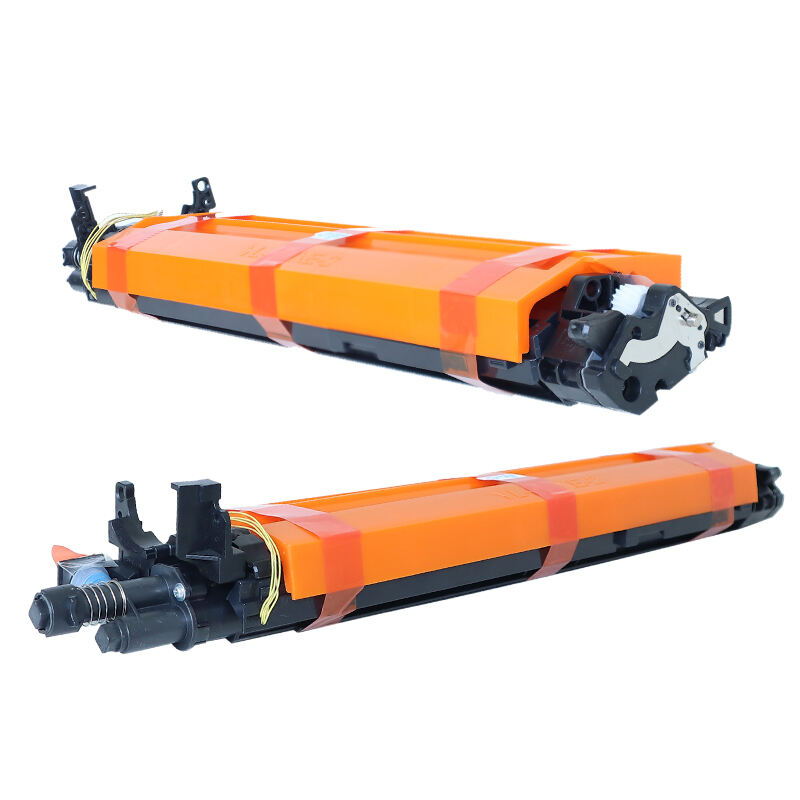
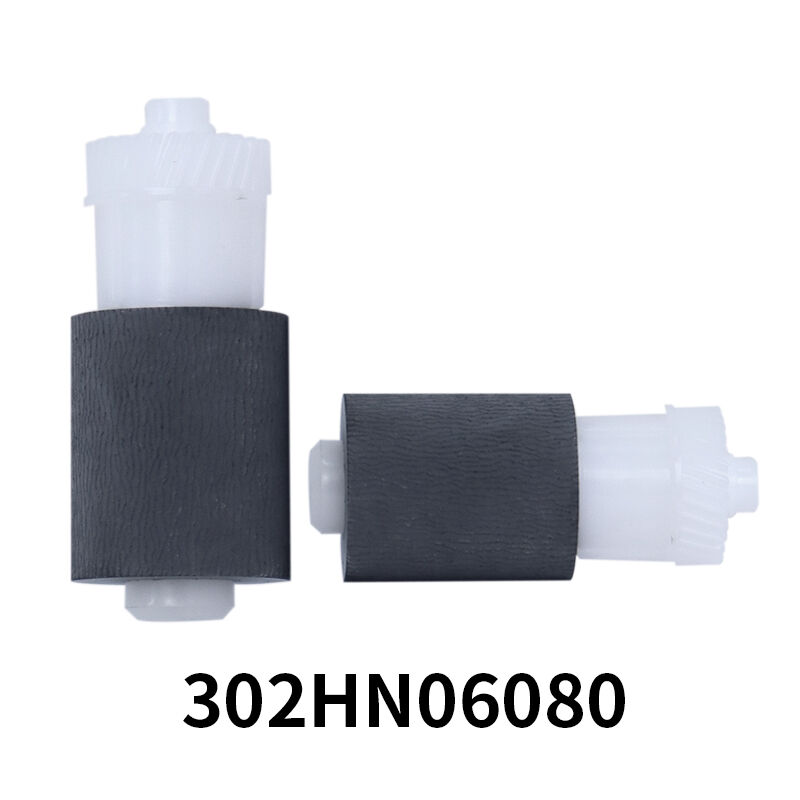
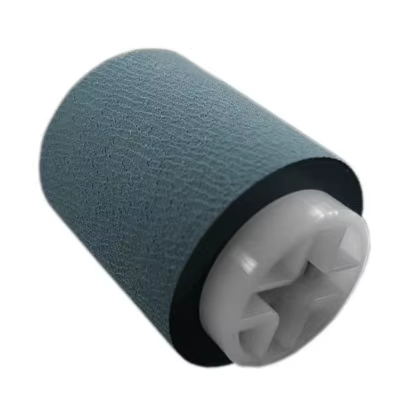
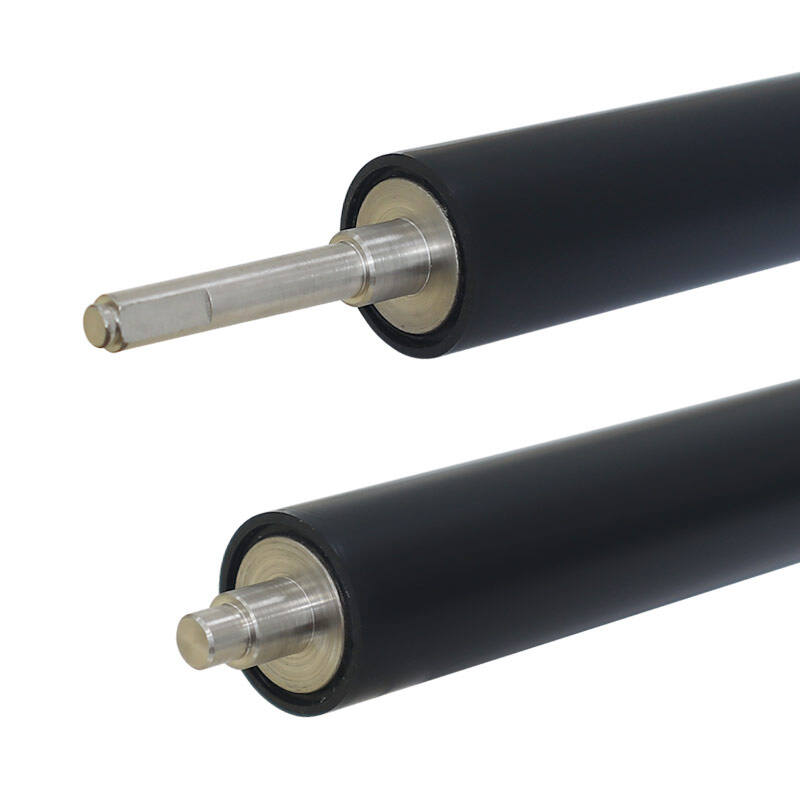
The universal compatibility features built into modern fuser transfer roller and pickup rollers represent a strategic advantage for organizations managing diverse printing equipment portfolios, simplifying inventory management while ensuring consistent performance across different machine types. Forward-thinking manufacturers design these components using standardized dimensions and mounting configurations that fit multiple printer models within product families and sometimes across competing brands, recognizing that purchasing departments value flexibility and reduced complexity in their supply chains. This compatibility extends beyond simple physical interchangeability to include matching performance characteristics like rotation speed ratings, temperature tolerances, and pressure specifications that ensure proper operation regardless of specific printer model. Organizations benefit immediately from reduced inventory carrying costs, as a single roller part number can service multiple printer types rather than requiring separate stock-keeping units for each machine variant. This consolidation simplifies ordering processes, reduces the risk of stocking obsolete parts, and minimizes the warehouse space dedicated to printer consumables and replacement components. The technical standardization underlying this compatibility involves careful attention to core diameters, shaft configurations, and overall length dimensions that match the mounting systems used by major printer manufacturers. Quality roller producers maintain extensive compatibility databases that cross-reference their part numbers with original equipment manufacturer specifications, providing purchasing agents and maintenance personnel with confidence that selected components will function properly in their specific equipment. For pickup rollers, compatibility considerations include matching the durometer hardness and surface texture characteristics that different printer models require for optimal paper feeding performance. Some machines specify softer compounds for delicate media handling, while others require firmer rollers for high-speed operation, and versatile roller designs accommodate these varying requirements. The fuser transfer roller compatibility encompasses matching the thermal characteristics and pressure distribution needed for different toner formulations and fusing temperatures used across printer brands. This universal approach proves particularly valuable for organizations that standardize on specific roller suppliers while operating mixed printer fleets from multiple manufacturers, allowing them to leverage volume purchasing advantages and build strong supplier relationships. Service providers and printer repair businesses especially appreciate broad compatibility, as maintaining comprehensive parts inventory becomes manageable when individual roller types service numerous printer models, improving their ability to complete repairs during single service visits.
 EN
EN