 EN
EN

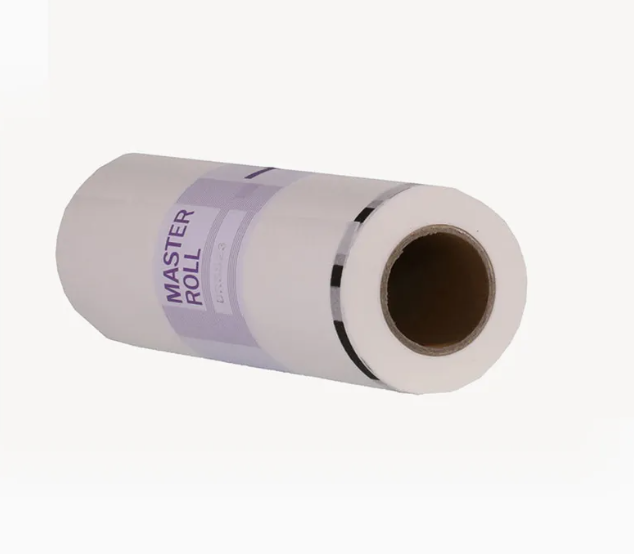
Commercial printing operations rely on numerous components working in perfect harmony to deliver high-quality reproductions at scale. Among these essential elements, the master roll stands out as a critical component that directly impacts print quality, operational efficiency, and cost-effectiveness. Understanding the intricate role of master roll technology in digital duplicator systems reveals why this seemingly simple component commands such significant attention from printing professionals worldwide.
The evolution of digital printing technology has transformed how businesses approach high-volume document reproduction. Modern digital duplicators have revolutionized the printing industry by offering cost-effective solutions for medium to high-volume printing needs. At the heart of these sophisticated machines lies the master roll, a precision-engineered component that serves as the foundation for creating master plates used in the printing process. This technology bridges the gap between traditional offset printing and modern digital solutions, providing businesses with an efficient alternative for their printing requirements.
Understanding Master Roll Technology in Digital Duplicators
The Science Behind Master Roll Functionality
The master roll operates on a sophisticated thermal imaging principle that creates microscopic perforations in a specialized thermoplastic film. When a document is processed through a digital duplicator, the master roll receives thermal energy from the imaging head, which selectively melts tiny holes in the master material. These perforations correspond exactly to the text and images being reproduced, creating a stencil-like pattern that allows ink to pass through during the printing process.
This thermal perforation process requires precise temperature control and timing to ensure optimal image quality. The master roll material must possess specific thermal properties that allow for clean, consistent perforations without tearing or distortion. Modern master roll formulations incorporate advanced polymer technologies that provide excellent heat sensitivity while maintaining structural integrity throughout the imaging process. The result is a master plate that can produce thousands of high-quality copies with remarkable consistency and clarity.
Material Composition and Engineering Specifications
Contemporary master roll construction involves multiple layers of specialized materials, each serving a specific function in the imaging and printing process. The base layer typically consists of a polyester substrate that provides dimensional stability and tear resistance. This foundation layer ensures that the master roll maintains its integrity during high-speed operation and withstands the mechanical stresses encountered in commercial printing environments.
The thermal imaging layer represents the most critical component of the master roll structure. This layer contains thermoplastic materials engineered to respond predictably to thermal energy while maintaining uniform thickness across the entire roll. Manufacturers carefully control the molecular composition of this layer to achieve optimal sensitivity, ensuring that the master roll produces clean perforations without excessive heat requirements. Advanced formulations also incorporate additives that enhance print quality and extend the operational lifespan of each master plate.
Quality Factors That Define Master Roll Performance
Precision Manufacturing Standards
The manufacturing process for high-quality master roll products involves stringent quality control measures that ensure consistent performance across every unit produced. Precision coating techniques apply the thermal imaging layer with micrometer-level accuracy, creating uniform thickness that translates directly into consistent print quality. Manufacturing facilities employ advanced monitoring systems that continuously assess layer thickness, adhesion strength, and thermal response characteristics throughout the production process.
Quality master roll production also requires careful attention to environmental conditions during manufacturing. Temperature and humidity control systems maintain optimal conditions that prevent material degradation and ensure proper layer adhesion. The winding process itself demands precision machinery that maintains consistent tension and alignment, preventing the defects that could compromise printing performance. These manufacturing standards directly impact the reliability and print quality that end users experience in their daily operations.
Performance Testing and Quality Assurance
Comprehensive testing protocols evaluate multiple aspects of master roll performance before products reach commercial markets. Thermal response testing ensures that the master roll responds appropriately to imaging temperatures, creating clean perforations without excessive heat requirements. Print quality assessments evaluate line sharpness, solid area coverage, and gradation reproduction to verify that the master roll meets professional printing standards.
Durability testing simulates extended usage conditions to assess how well the master roll maintains performance characteristics over time. These tests evaluate factors such as storage stability, moisture resistance, and mechanical durability under various operating conditions. Quality assurance protocols also include batch testing that verifies consistency between different production runs, ensuring that customers receive reliable performance regardless of when their master roll was manufactured.
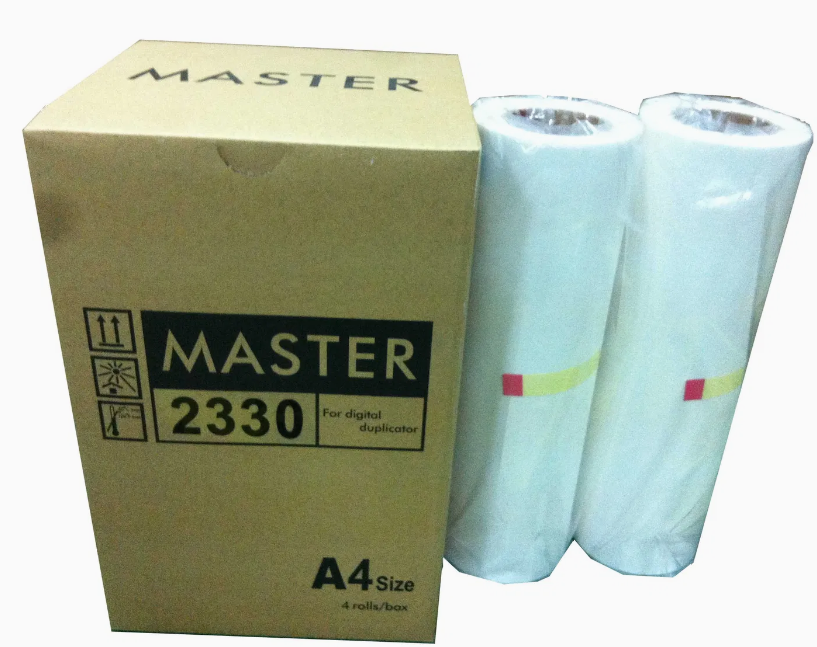
Compatibility and Integration Considerations
Equipment Compatibility Requirements
Successful master roll implementation requires careful attention to compatibility with specific digital duplicator models and their operating parameters. Different duplicator manufacturers employ varying imaging technologies, thermal profiles, and mechanical specifications that directly impact master roll selection. The master roll must match the thermal characteristics of the imaging head to ensure optimal perforation quality and prevent damage to either component.
Feed mechanism compatibility represents another critical consideration in master roll selection. The roll diameter, core dimensions, and unwinding characteristics must align precisely with the duplicator's feeding system to prevent jamming, misalignment, or other operational issues. Modern master roll designs incorporate features such as consistent winding tension and smooth surface finishes that enhance compatibility with automated feeding systems found in contemporary digital duplicators.
Operational Environment Factors
The operating environment significantly influences master roll performance and longevity. Temperature and humidity levels affect both the imaging process and the storage characteristics of unused master roll inventory. Facilities must maintain appropriate climate control to ensure that the master roll maintains its thermal sensitivity and mechanical properties throughout its operational lifespan.
Air quality considerations also impact master roll performance, particularly in environments where dust, chemical vapors, or other contaminants might affect the imaging process or master plate quality. Proper storage procedures protect unused master roll inventory from environmental factors that could compromise performance, while operational protocols ensure that the master roll functions optimally within the duplicator's operating environment.
Cost-Effectiveness and Operational Benefits
Economic Advantages in High-Volume Applications
The economic benefits of master roll technology become particularly evident in high-volume printing applications where traditional methods prove cost-prohibitive. Digital duplicators equipped with quality master roll systems can produce thousands of copies from a single master plate at a fraction of the cost associated with other printing methods. This cost advantage stems from the efficient use of materials and the minimal waste generated during the printing process.
Master roll systems also provide significant labor cost advantages through their automated operation and minimal setup requirements. Unlike traditional printing methods that require extensive preparation and skilled operators, master roll-based duplicators can be operated by personnel with minimal training. The quick changeover between different documents and the ability to store master plates for future use further enhance the operational efficiency that translates into tangible cost savings for commercial printing operations.
Productivity and Efficiency Improvements
Modern master roll technology enables printing speeds that rival traditional offset printing while maintaining the flexibility of digital systems. High-quality master roll products support printing speeds of several hundred copies per minute without compromising print quality or reliability. This combination of speed and quality makes master roll systems ideal for applications such as newsletters, forms, educational materials, and other documents that require rapid turnaround times.
The master roll system also provides unique advantages in terms of job flexibility and workflow efficiency. Operators can quickly switch between different master plates to accommodate varying document requirements, and the ability to store completed masters enables efficient reprinting of frequently used documents. These operational benefits contribute to improved overall productivity and enhanced customer service capabilities in commercial printing environments.
Maintenance and Optimization Strategies
Preventive Maintenance Protocols
Effective master roll system maintenance requires regular attention to both the imaging components and the environmental factors that affect performance. Imaging head cleaning procedures ensure that thermal transfer occurs consistently and prevents the buildup of residue that could compromise print quality. Regular calibration of temperature settings maintains optimal perforation characteristics and prevents damage to the master roll during the imaging process.
Storage and handling procedures for master roll inventory significantly impact performance and longevity. Proper storage conditions protect the master roll from environmental factors that could affect thermal sensitivity or mechanical properties. Rotation procedures ensure that older inventory is used before newer stock, preventing degradation that could occur during extended storage periods. These preventive measures help maintain consistent master roll performance and minimize operational disruptions.
Performance Optimization Techniques
Optimization of master roll performance involves careful attention to operating parameters and environmental conditions that affect the imaging and printing processes. Temperature and humidity control systems maintain optimal conditions for both master roll storage and duplicator operation. Regular monitoring of print quality metrics helps identify potential issues before they impact production efficiency or customer satisfaction.
Advanced optimization techniques include periodic assessment of imaging parameters to ensure that the master roll receives appropriate thermal energy for optimal perforation quality. Adjustments to printing speed, pressure settings, and ink delivery systems can enhance the performance of the master roll system and extend the lifespan of individual master plates. These optimization strategies contribute to improved overall system performance and reduced operational costs.
Future Developments and Industry Trends
Technological Advancement in Master Roll Design
The master roll industry continues to evolve through advances in material science and manufacturing technology that enhance performance and expand application possibilities. New polymer formulations improve thermal sensitivity while providing greater durability and extended storage life. Advanced coating techniques enable more precise layer thickness control and improved uniformity across the entire master roll surface.
Emerging technologies also focus on environmental considerations, with manufacturers developing master roll formulations that reduce environmental impact without compromising performance. Biodegradable materials and recyclable components represent growing areas of development that address sustainability concerns while maintaining the high-performance characteristics required for commercial printing applications. These innovations position master roll technology for continued growth in an increasingly environmentally conscious marketplace.
Market Evolution and Application Expansion
The digital printing market continues to expand as businesses seek cost-effective alternatives to traditional printing methods for medium-volume applications. Master roll technology serves a crucial role in this market evolution by providing the performance and economic advantages that make digital duplicators attractive for a wide range of commercial applications. Growing demand for on-demand printing and quick turnaround services further drives adoption of master roll-based systems.
Integration with digital workflow systems represents another area of growth for master roll technology. Modern duplicators equipped with master roll systems increasingly feature network connectivity and digital file processing capabilities that enhance their utility in contemporary office and commercial environments. These technological integrations expand the potential applications for master roll systems and position them as valuable components in comprehensive document production workflows.
FAQ
How long can a master roll be stored before use?
A master roll can typically be stored for 12 to 18 months under proper conditions without significant performance degradation. Storage should occur in a cool, dry environment with temperatures between 60-75°F and relative humidity below 60%. Proper storage prevents moisture absorption and thermal degradation that could affect imaging quality. Always rotate inventory to use older stock first and inspect master roll condition before installation to ensure optimal performance.
What factors determine master roll compatibility with different duplicator models?
Master roll compatibility depends on several critical factors including thermal imaging specifications, core diameter, roll width, and winding characteristics. Each duplicator model requires specific thermal response properties to achieve optimal perforation quality. The physical dimensions must match the machine's feeding mechanism, while the unwinding tension and surface characteristics must align with the duplicator's transport system. Always verify compatibility specifications with your equipment manufacturer before purchasing master roll supplies.
How many copies can typically be produced from a single master plate?
A single master plate created from quality master roll material can typically produce 2,000 to 5,000 copies depending on the image content, duplicator settings, and operating conditions. Text-heavy documents generally yield higher copy counts than documents with large solid areas or complex graphics. Print quality remains consistent throughout the run when using high-quality master roll products and properly maintained equipment. Copy count may vary based on environmental conditions and the specific master roll formulation used.
What maintenance is required for optimal master roll system performance?
Regular maintenance includes cleaning the imaging head to remove residue buildup, calibrating temperature settings for consistent perforation quality, and maintaining proper environmental conditions in the storage and operating areas. Inspect the master roll feeding mechanism for wear or alignment issues that could affect performance. Replace worn components according to manufacturer recommendations and maintain detailed records of maintenance activities to identify trends that might indicate developing problems. Proper maintenance significantly extends both equipment life and master roll performance consistency.