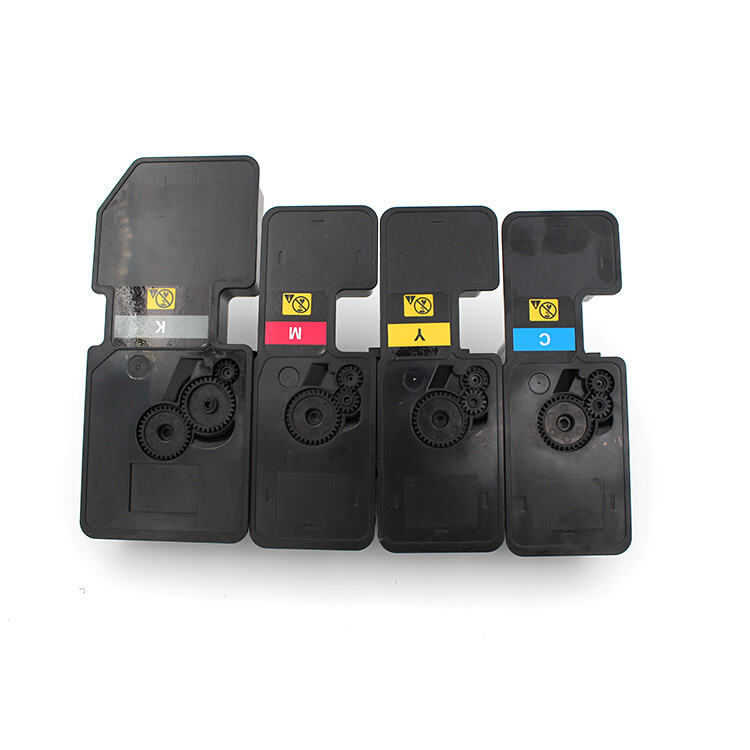
Strategic Comparison Between Original and Compatible Cartridges
Navigating the cost of ink cartridges for printers requires understanding the significant price and performance differences between original equipment manufacturer products and compatible third-party alternatives. Original cartridges, produced by printer manufacturers themselves, command premium pricing due to extensive research, quality control, and brand reputation. These cartridges guarantee perfect compatibility, consistent color accuracy, and full warranty protection for the printer itself. However, the cost of ink cartridges for printers from original manufacturers can be prohibitively expensive, sometimes approaching or exceeding the printer's purchase price for a complete set of replacements. This pricing strategy, often called the razor-and-blades model, generates substantial profit margins for manufacturers while creating cost barriers for consumers. Compatible cartridges, manufactured by independent companies, offer compelling alternatives at dramatically reduced prices, typically thirty to seventy percent below original cartridge costs. These third-party options reverse-engineer the cartridge design to ensure physical compatibility and acceptable print quality without infringing on proprietary technology. The cost of ink cartridges for printers drops substantially when consumers choose reputable compatible brands that maintain quality standards through rigorous testing and quality assurance protocols. However, potential tradeoffs include slightly different color rendering, occasional compatibility issues with printer firmware updates, and possible warranty complications if printer malfunctions occur while using non-original supplies. Remanufactured cartridges represent another category, where original cartridges are professionally cleaned, refilled, and tested for reuse. These options balance cost savings with environmental benefits, reducing waste while offering prices between original and compatible alternatives. The cost of ink cartridges for printers becomes a personal decision matrix involving risk tolerance, print quality requirements, and budget constraints. Professional photographers and graphic designers typically prefer original cartridges for color-critical work where accuracy justifies premium pricing. Conversely, home users printing primarily text documents often find compatible cartridges provide adequate quality at substantially lower costs. Many consumers adopt hybrid strategies, using original cartridges for important projects and compatible options for everyday printing needs. The cost of ink cartridges for printers continues evolving as competition intensifies and quality gaps narrow between original and third-party products. Consumer reviews and independent testing provide valuable insights into compatible cartridge performance, helping buyers identify reliable brands that deliver satisfactory results without quality compromises. Additionally, some printer manufacturers have implemented restrictive measures like firmware updates that reject third-party cartridges, creating ongoing tensions between cost-conscious consumers and profit-protecting corporations. Understanding these dynamics empowers buyers to make strategic choices aligned with their priorities and budgets.
 EN
EN