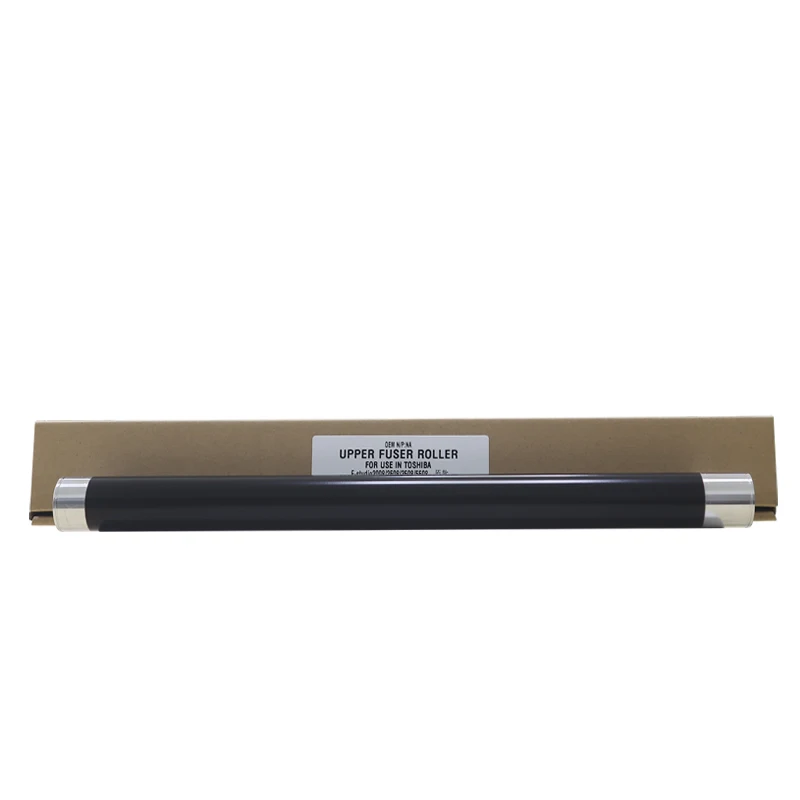
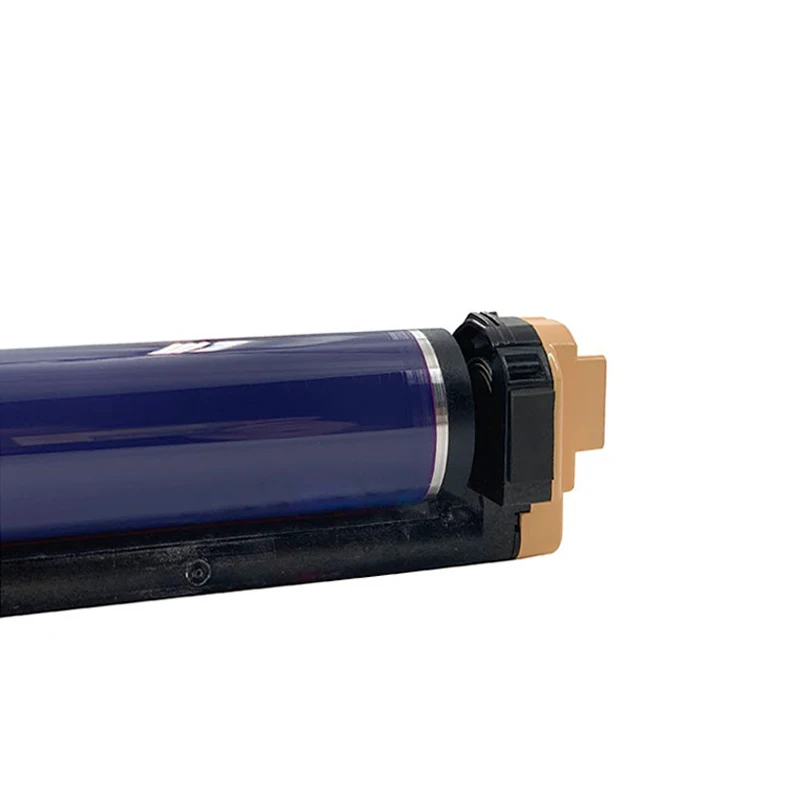
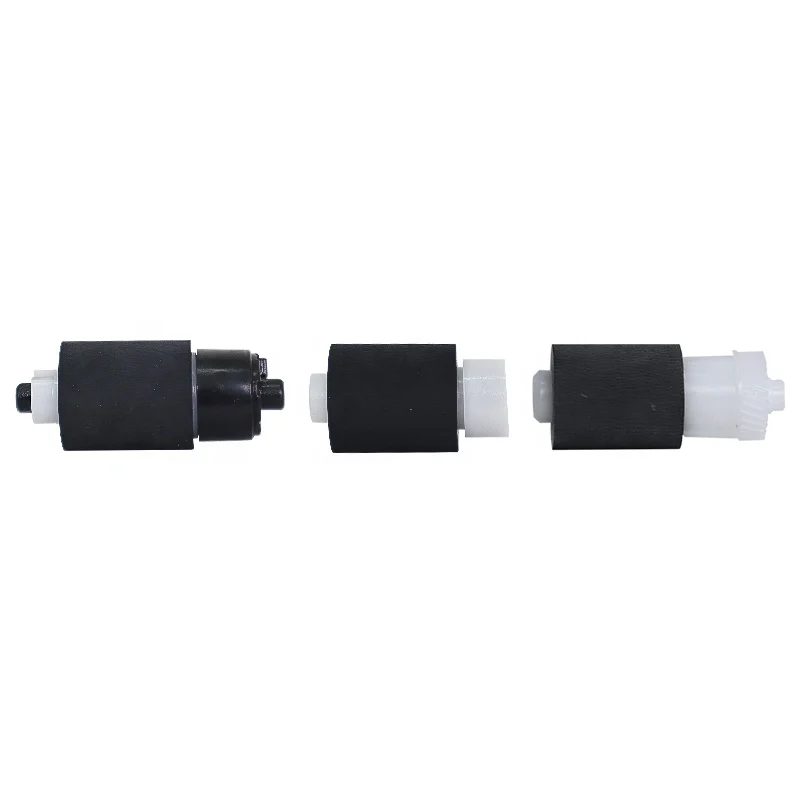
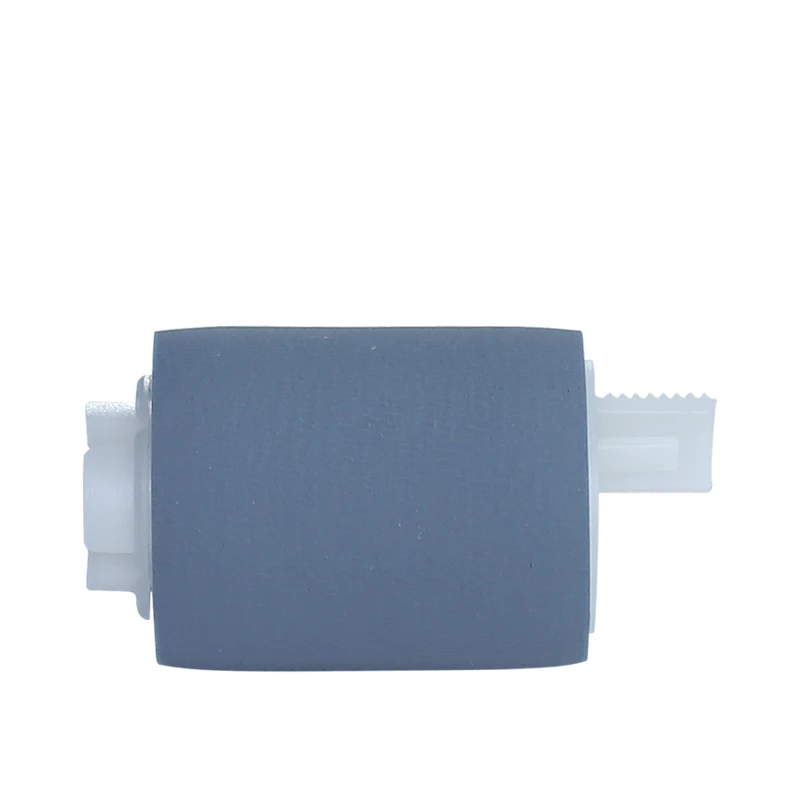
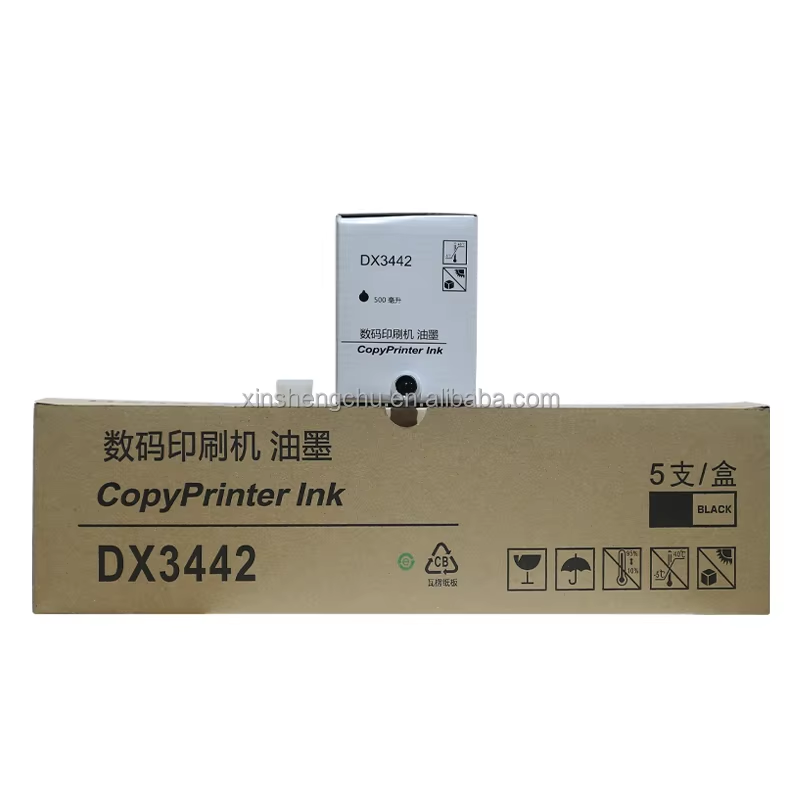
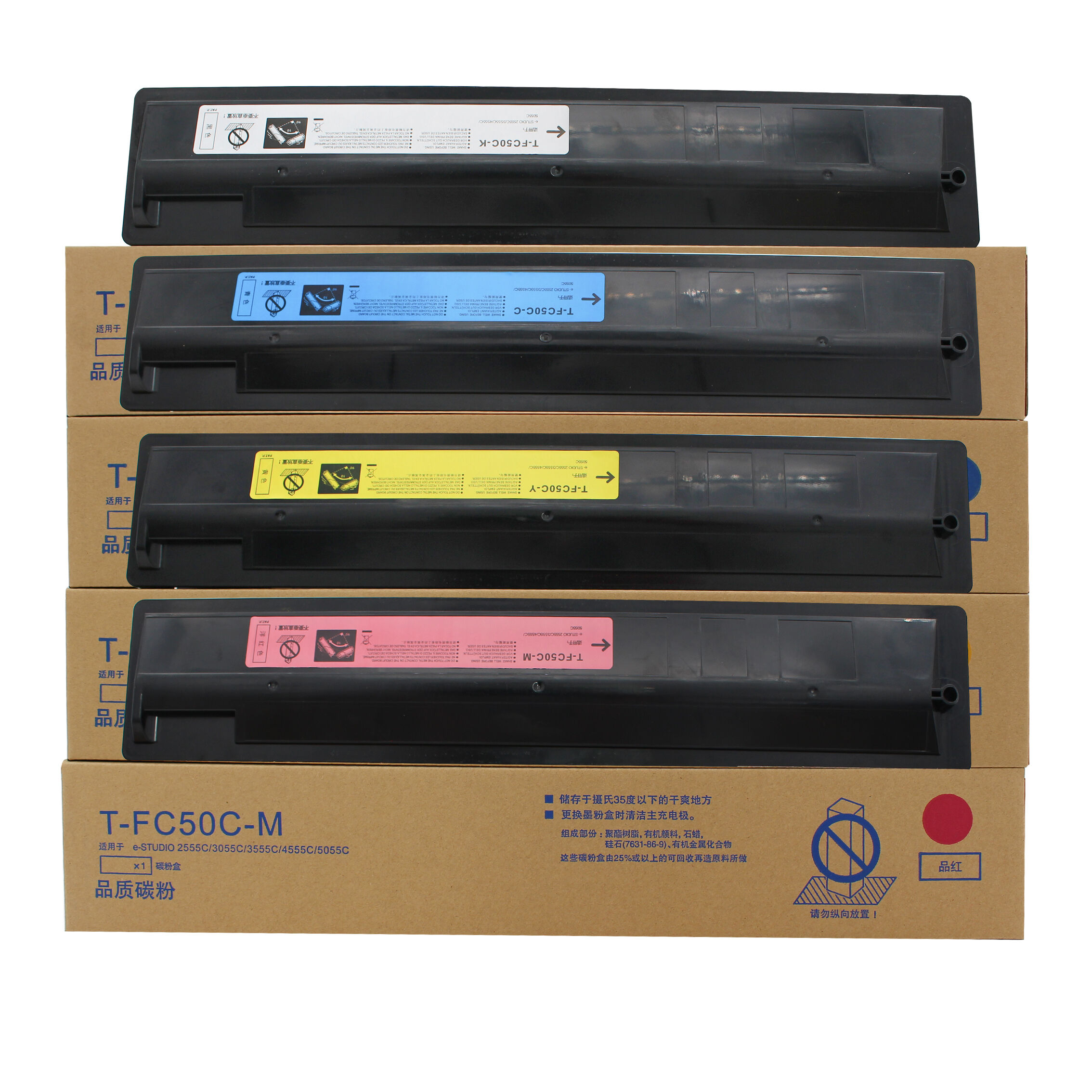
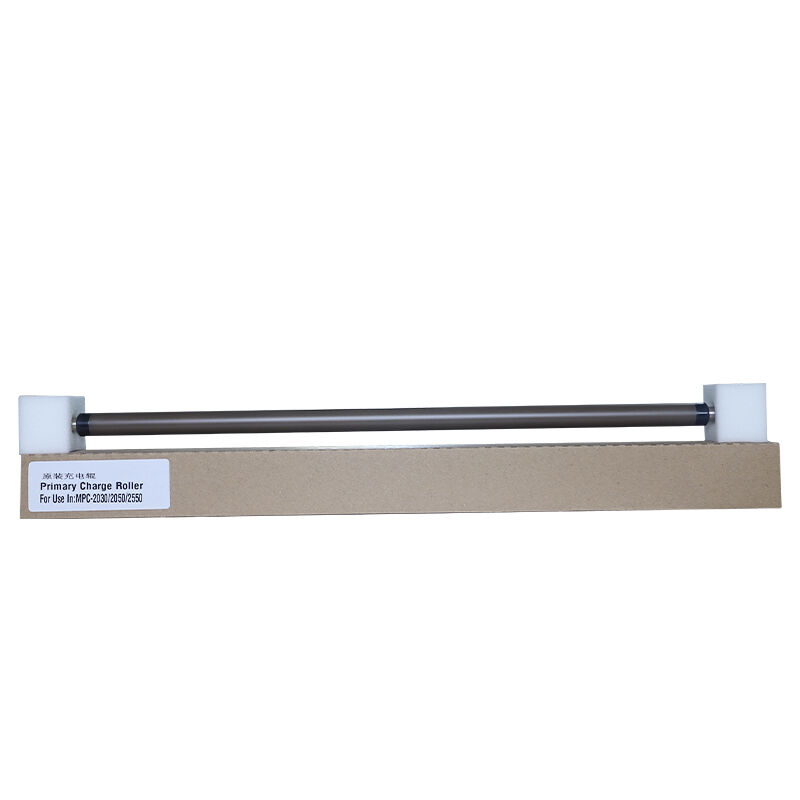
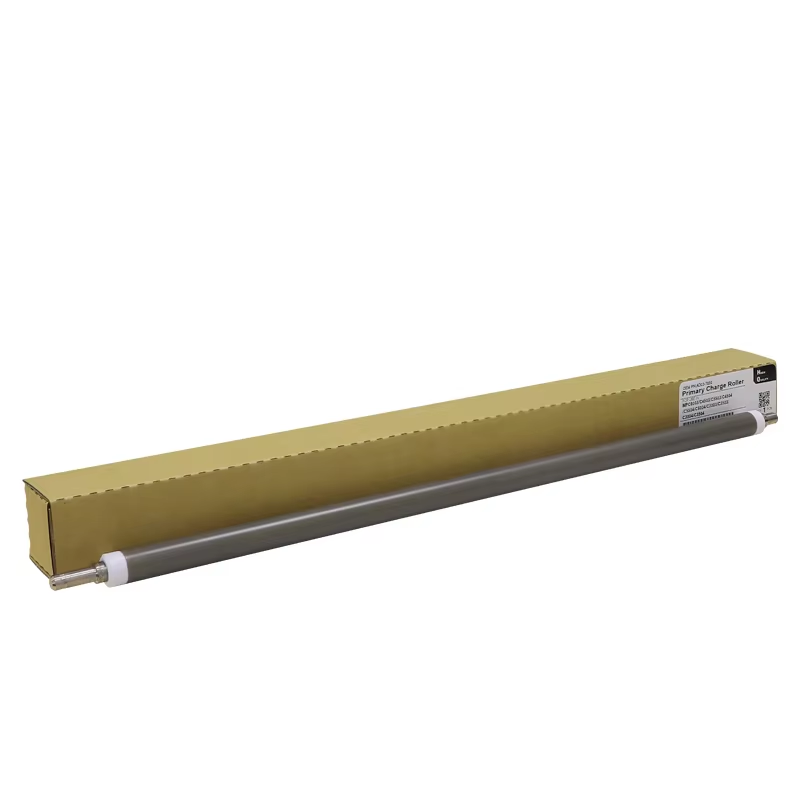
Premium Toner Supply Solutions - High-Yield Quality Printing Products

Get a Free Quote

Our representative will contact you soon.
Email
Mobile
Whatsapp or Wechat ID
Company Name
Name
Message
0/1000

toner supply

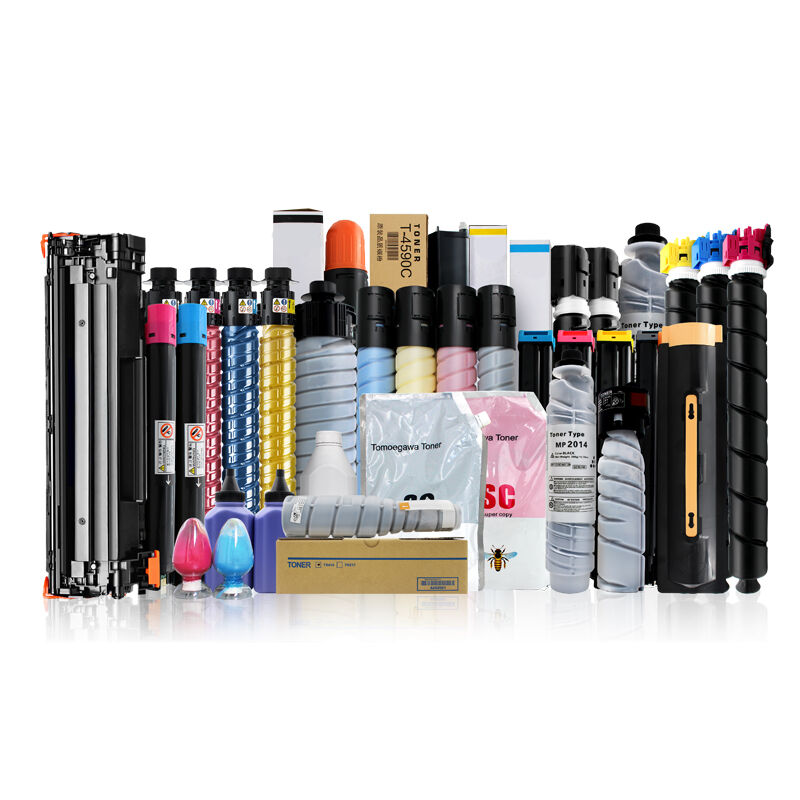
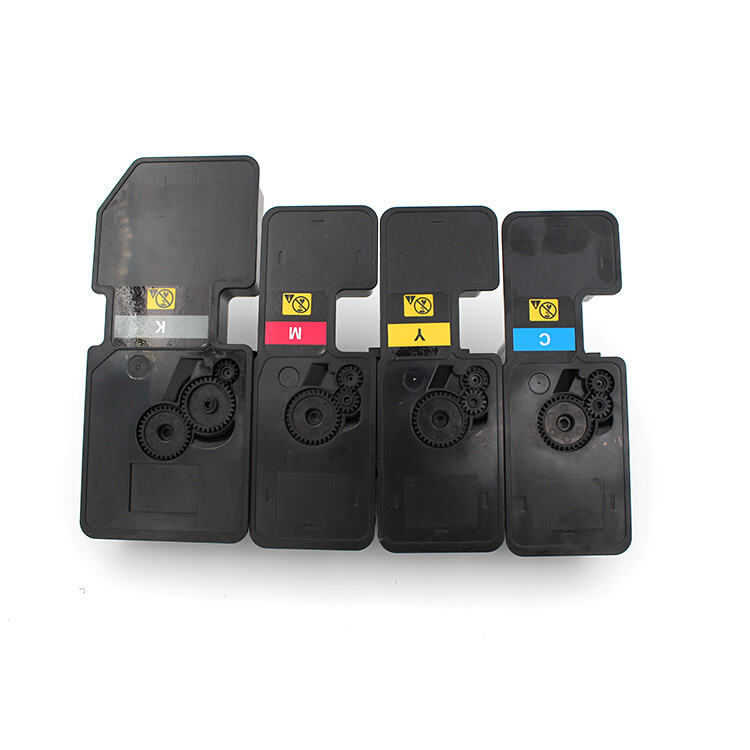
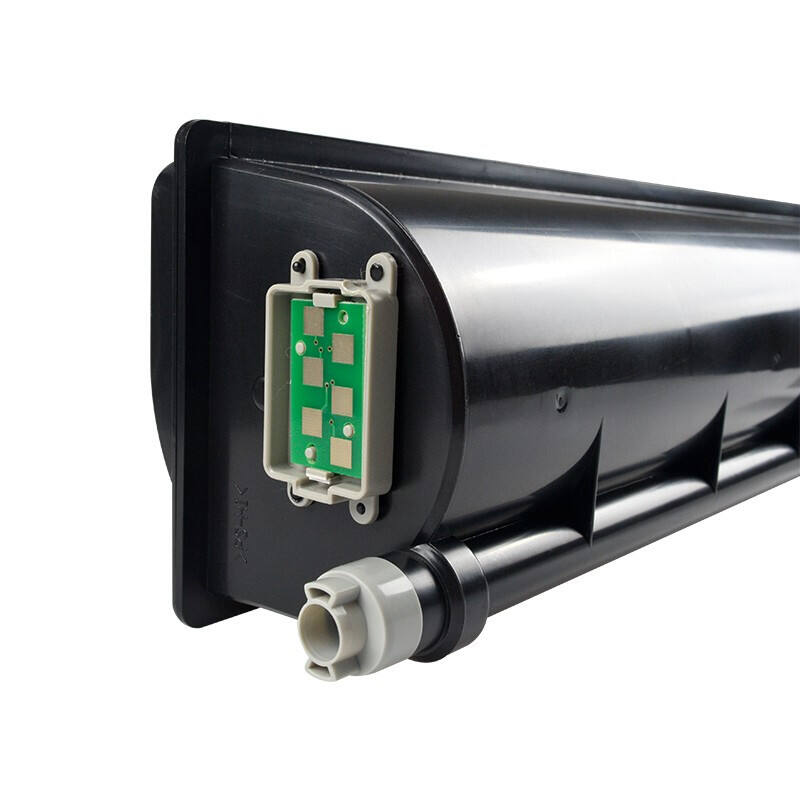
A toner supply represents an essential component in modern printing operations, serving as the fundamental consumable that enables laser printers, copiers, and multifunction devices to produce high-quality documents consistently. This specialized powder-based printing medium consists of finely ground plastic particles, carbon black, and various chemical agents that work together to create permanent images on paper through an electrostatic and heat-fusion process. The primary functions of a toner supply extend beyond simple ink replacement, encompassing precision image rendering, consistent color reproduction, and reliable performance across thousands of print cycles. Modern toner supply systems incorporate advanced technological features including precise particle size distribution, optimized charge characteristics, and enhanced flow properties that ensure smooth delivery to the imaging drum. The formulation includes carefully calibrated ingredients such as polymer resins, pigments, charge control agents, and flow additives that collectively determine print quality, durability, and equipment compatibility. Applications for toner supply span diverse environments including corporate offices, educational institutions, government agencies, commercial printing facilities, and home offices where dependable document production remains critical. The technology enables both monochrome and color printing capabilities, supporting everything from basic text documents to complex graphics and photographic reproductions. Environmental considerations have driven innovations in toner supply manufacturing, resulting in reduced waste, lower energy consumption during the fusion process, and recyclable cartridge designs. The supply mechanism itself varies across different printer architectures, with some systems utilizing integrated cartridges combining toner and imaging components, while others employ separate toner bottles or reservoirs that interface with permanent drum assemblies. Understanding the role of toner supply in printing workflows helps organizations optimize their document production strategies, manage operational costs effectively, and maintain consistent output quality across their entire fleet of imaging devices.

Popular Products

The toner supply delivers significant cost efficiency compared to alternative printing technologies, allowing businesses to produce thousands of pages from a single cartridge while maintaining predictable expense patterns that simplify budgeting and procurement planning. Organizations benefit from reduced per-page printing costs, particularly when handling large volume requirements, as toner yields typically range from several hundred to many thousands of impressions depending on coverage density and device specifications. Print quality advantages manifest through sharp text rendering, smooth gradients, and accurate color matching that meets professional standards for business communications, marketing materials, and archival documents. The toner supply creates permanent bonds with paper fibers through thermal fusion, resulting in smudge-resistant, water-resistant output that maintains legibility and appearance over extended periods without fading or deterioration. Speed benefits emerge from the instantaneous nature of toner-based printing, which requires no drying time and produces finished documents ready for immediate handling, distribution, or binding operations. This efficiency translates directly into improved workplace productivity, eliminating delays associated with liquid ink systems and enabling rapid completion of time-sensitive projects. Reliability stands as another compelling advantage, as toner supply systems demonstrate consistent performance across varying environmental conditions without clogging issues, evaporation problems, or frequent maintenance interruptions that plague other printing methods. Users appreciate the convenience of extended replacement intervals, with many modern toner supplies lasting weeks or months in typical office settings before requiring attention. Storage flexibility allows organizations to maintain backup inventory without concerns about shelf-life expiration, as properly stored toner remains viable indefinitely unlike liquid inks that deteriorate over time. The toner supply supports versatile media handling capabilities, functioning effectively with various paper weights, textures, and specialty substrates including labels, cardstock, and transparencies that expand creative possibilities for document presentation. Environmental benefits continue to improve as manufacturers develop toner formulations requiring lower fusion temperatures, reducing energy consumption during the printing process while maintaining output quality. Recycling programs for spent toner cartridges and containers minimize environmental impact, with many suppliers offering prepaid return shipping and incentives that encourage responsible disposal practices. The precision engineering of toner supply components ensures optimal compatibility with designated printer models, preventing equipment damage and maintaining manufacturer warranty coverage when users select genuine or certified replacement products. Long-term equipment protection results from using quality toner supplies that contain properly sized particles and clean formulations free from contaminants that might accelerate wear on delicate imaging components. Organizations gain operational flexibility through standardized toner supply options that support centralized procurement, simplified inventory management, and reduced complexity in maintaining mixed printer fleets across multiple departments or locations.

Latest News

How to Choose High-Quality Printing Ink for Professional Results?

07

Jan

How to Choose High-Quality Printing Ink for Professional Results?

Selecting the right printing ink is crucial for achieving professional-quality results in any printing operation. Whether you're running a commercial print shop, managing an office duplicator, or overseeing industrial printing processes, the quality ...
View More
How to Choose the Best Toner Cartridge Supplier for Your Needs?

05

Mar

How to Choose the Best Toner Cartridge Supplier for Your Needs?

Selecting the right toner cartridge supplier is a critical business decision that directly impacts your office productivity, print quality, and operational costs. Whether you manage a small business, corporate office, or large enterprise, finding a r...
View More
How to maintain a primary charge roller for longer life

05

Mar

How to maintain a primary charge roller for longer life

The primary charge roller stands as one of the most critical components in modern printing systems, particularly in copiers and multifunction printers. This essential element plays a pivotal role in the electrostatic printing process by applying a un...
View More
What is a primary charge roller in a printer?

05

Mar

What is a primary charge roller in a printer?

The primary charge roller is a fundamental component in laser printers and photocopiers that plays a critical role in the electrophotographic printing process. This cylindrical component, typically made of conductive rubber or foam, applies a uniform...
View More

Get a Free Quote

Our representative will contact you soon.
Email
Mobile
Whatsapp or Wechat ID
Company Name
Name
Message
0/1000

toner supply

Superior Image Quality Through Advanced Particle Engineering

Superior Image Quality Through Advanced Particle Engineering

The technological sophistication embedded within modern toner supply formulations represents a critical differentiator that directly impacts every document produced by laser printing systems. At the microscopic level, toner particles measure between five and twelve microns in diameter, with precise size distribution curves that determine how effectively the material transfers to paper and fuses into permanent images. Manufacturers invest heavily in chemical engineering and quality control processes to ensure each batch maintains consistent particle geometry, uniform charge acceptance properties, and predictable flow characteristics that enable reliable operation across thousands of print cycles. The polymer resins selected for toner supply production undergo extensive testing to identify compositions that melt uniformly at specific temperatures while creating strong molecular bonds with paper fibers during the fusion process. This careful material selection ensures printed text appears crisp with well-defined edges, preventing the feathering or bleeding common with inferior formulations. Color toner supplies incorporate specially selected pigments that deliver vibrant hues with accurate color matching to industry standards, enabling businesses to produce professional marketing materials, presentations, and photographic prints without outsourcing to commercial facilities. The charge control agents mixed into toner supply formulations serve an essential role in the electrostatic printing process, ensuring particles acquire and maintain appropriate electrical charges that respond predictably to the imaging drum's latent image patterns. This electrical precision determines how effectively toner transfers from the developer roller to the drum surface and subsequently to the paper substrate, directly influencing solid area density, halftone smoothness, and fine detail reproduction. Flow additives prevent toner particles from clumping together during storage and operation, maintaining the free-flowing powder state necessary for consistent feeding through the printer's developer assembly. Advanced toner supply products incorporate external additives coating individual particles to enhance durability, improve transfer efficiency, and reduce equipment contamination that might degrade print quality over time. The fusion characteristics of toner supply materials balance multiple competing requirements, melting sufficiently to create permanent bonds while avoiding excessive heat sensitivity that might cause offsetting or equipment fouling. Temperature optimization in toner formulation allows modern printers to operate at lower fusion temperatures, reducing energy consumption and heat stress on mechanical components while maintaining excellent adhesion and durability of printed images. The resulting document quality satisfies demanding professional applications including legal contracts, architectural drawings, medical records, and financial statements where clarity, permanence, and reproduction fidelity carry significant importance.
Extended Yield Performance That Maximizes Value and Minimizes Interruptions

Extended Yield Performance That Maximizes Value and Minimizes Interruptions

The yield capacity of toner supply products represents one of the most significant practical advantages for organizations managing document production requirements, directly affecting operational efficiency, cost control, and workflow continuity. Modern high-yield toner supplies contain sufficient material to produce anywhere from two thousand to thirty thousand pages depending on cartridge size, printer model, and coverage density, with typical office documents averaging approximately five percent coverage requiring replacement far less frequently than alternative printing technologies. This extended operational lifespan translates into meaningful labor savings, as administrative staff spend less time monitoring supply levels, ordering replacements, and performing cartridge changes that interrupt productive work activities. Organizations with distributed printer fleets particularly benefit from reduced service calls and maintenance visits, as fewer interventions become necessary when toner supply products deliver thousands of impressions before requiring attention. The predictable depletion rate of toner supplies enables accurate forecasting of replacement needs based on historical print volumes, allowing procurement departments to optimize inventory levels, negotiate volume pricing, and avoid emergency purchases at premium costs. Many modern printers incorporate intelligent monitoring systems that track toner supply consumption patterns and provide advance notification when replacement cartridges should be ordered, preventing unexpected outages during critical production periods. The economic advantages compound over time, as the total cost of ownership for toner-based printing systems frequently proves lower than competing technologies when accounting for yield, reliability, and maintenance requirements across multi-year equipment lifecycles. Small businesses and home office users gain particular value from high-yield toner supply options that eliminate frequent replacement cycles and reduce the administrative burden of managing consumable inventory. The consistency of toner supply performance throughout the cartridge lifespan ensures that the first page and the last page exhibit equivalent quality without gradual degradation or color shifts that compromise document appearance. This reliability proves essential for organizations producing materials that must maintain consistent branding, color accuracy, and professional presentation across large production runs or extended timeframes. Environmental benefits emerge from extended-yield toner supplies through reduced packaging waste, fewer shipments, and decreased consumption of manufacturing resources required to produce multiple smaller cartridges delivering equivalent total page output. The convenience factor cannot be overstated, particularly in busy office environments where printer downtime and supply management represent genuine productivity drains that divert attention from core business activities. Users appreciate the peace of mind that comes from installing a fresh toner supply and knowing they face minimal interruption risk for weeks or months of normal printing activity, allowing them to focus on their primary responsibilities rather than equipment maintenance concerns.
Environmental Responsibility and Sustainable Printing Practices

Environmental Responsibility and Sustainable Printing Practices

The environmental profile of toner supply systems continues to improve through manufacturer innovation, recycling program expansion, and formulation advances that reduce resource consumption across the entire product lifecycle. Modern toner supply manufacturing incorporates sustainable practices including bio-based polymer components, reduced packaging materials, and energy-efficient production processes that minimize carbon footprint from raw material extraction through finished product delivery. Many leading manufacturers have established comprehensive cartridge collection and recycling programs that divert millions of pounds of material from landfills annually, processing returned toner supplies to recover valuable plastics, metals, and residual toner for remanufacturing into new products. These closed-loop systems demonstrate genuine environmental stewardship while providing convenient disposal options for organizations committed to responsible waste management. The chemical composition of toner supply formulations has evolved to eliminate or minimize hazardous substances, with contemporary products generally recognized as safe for office environments when used according to manufacturer specifications and with appropriate ventilation. Low-temperature fusion technology represents a significant environmental advancement, as newer toner supply formulations melt and bond at reduced temperatures compared to previous generations, decreasing energy consumption during the printing process without sacrificing output quality or durability. This innovation delivers dual benefits of lower operating costs and reduced environmental impact, aligning economic interests with sustainability objectives. Organizations pursuing environmental certifications or reporting greenhouse gas emissions can document measurable reductions through strategic selection of efficient toner supply products and participation in manufacturer recycling programs. The longevity of printed output from toner supply systems contributes to document preservation objectives, reducing the need for reprinting faded or deteriorated materials that consume additional resources over time. Proper toner supply storage and handling practices extend usable life, preventing premature degradation that might necessitate disposal of unused materials and the environmental impact associated with manufacturing replacement products. Many toner supply manufacturers publish detailed environmental data including lifecycle assessments, carbon footprint calculations, and recycling statistics that enable informed procurement decisions aligned with organizational sustainability goals. The shift toward higher-yield toner supply options inherently supports waste reduction by decreasing the total number of cartridges consumed to produce equivalent page volumes, reducing packaging materials, transportation emissions, and manufacturing resource utilization. Businesses committed to environmental responsibility find that optimizing their toner supply selection and implementing cartridge recycling programs represent practical, measurable steps toward sustainability targets without compromising operational efficiency or document quality requirements. The transparency and commitment demonstrated by leading toner supply manufacturers toward continuous environmental improvement provides assurance that future innovations will further enhance the sustainability profile of these essential printing consumables.
Email Email WhatsApp WhatsApp
WhatsApp
WeChat WeChat
WeChat
Facebook Facebook TopTop

Get a Free Quote

Our representative will contact you soon.
Email
Mobile
Whatsapp or Wechat ID
Company Name
Name
Message
0/1000