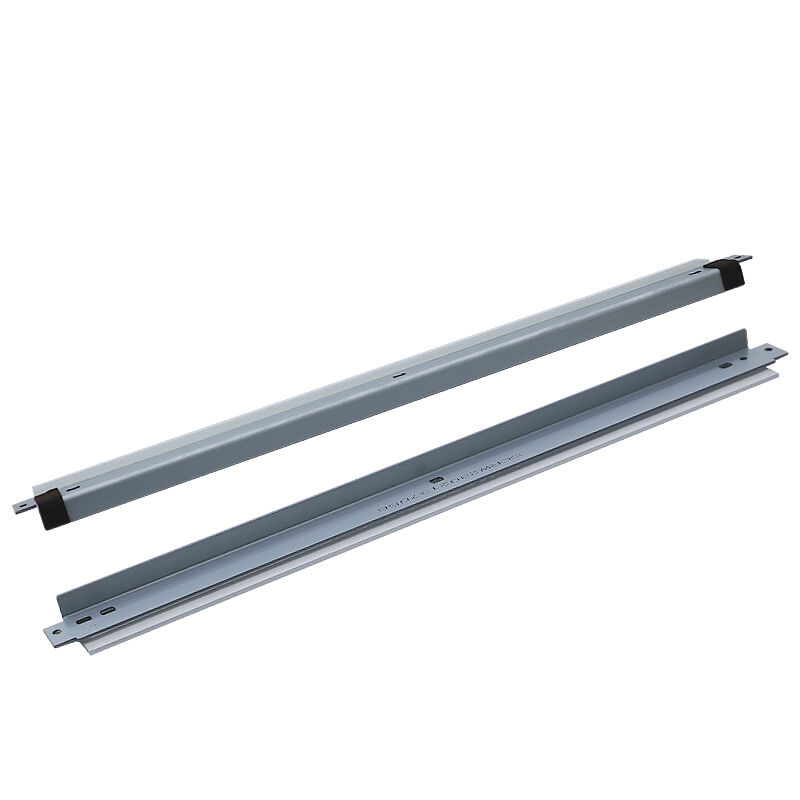
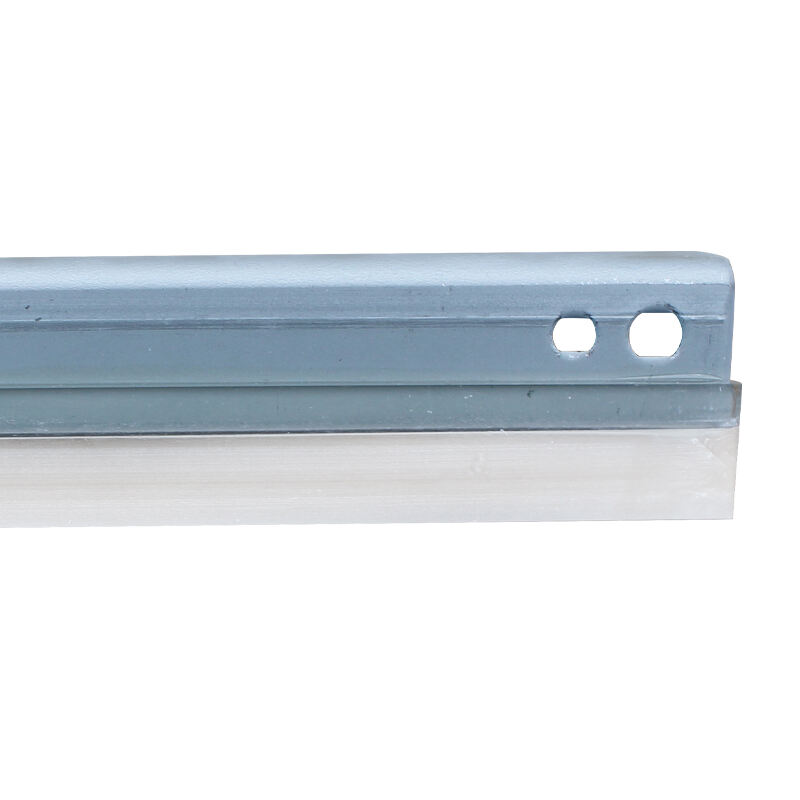
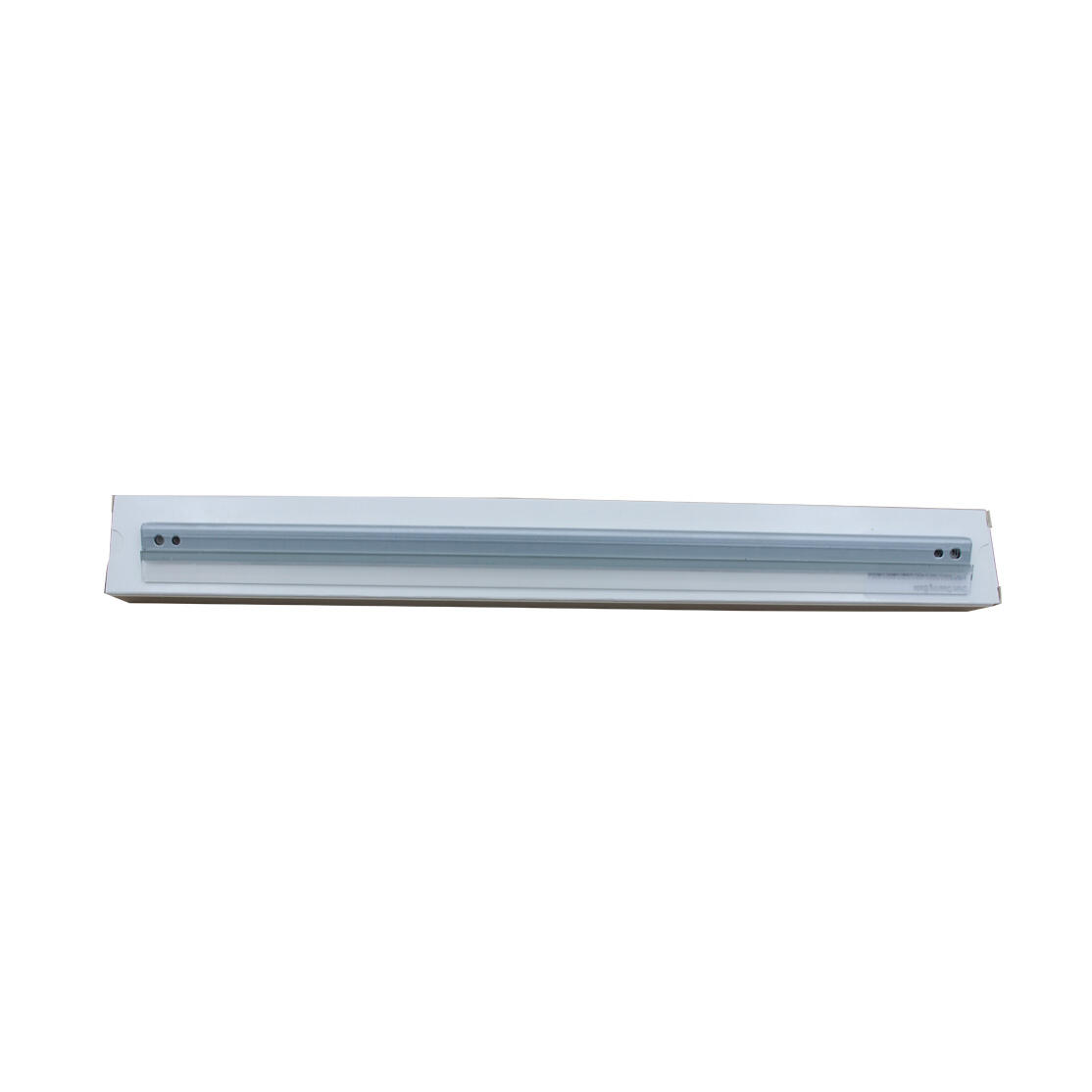
Premium Cleaning Blade for Copier Parts - Superior Quality & Extended Drum Life

Get a Free Quote

Our representative will contact you soon.
Email
Mobile
Whatsapp or Wechat ID
Company Name
Name
Message
0/1000

cleaning blade for copier parts

The cleaning blade for copier parts represents an essential component within photocopier machinery, serving as a critical element that ensures optimal image quality and consistent performance throughout the device's operational lifespan. This precision-engineered tool is specifically designed to remove residual toner particles from the photoconductor drum surface after each printing cycle, preventing contamination and maintaining pristine output quality. Manufactured from high-grade polyurethane or specialized elastomer materials, the cleaning blade for copier parts demonstrates exceptional durability while maintaining the delicate balance between effective cleaning action and drum surface preservation. The blade's primary function involves making continuous contact with the drum's photosensitive layer, scraping away excess toner that would otherwise compromise subsequent print jobs or cause streaking, smudging, and background fogging on finished documents. Technologically, these blades incorporate advanced material science principles, featuring specific Shore hardness ratings that optimize their scraping efficiency without causing premature drum wear. The edge geometry of each cleaning blade for copier parts is meticulously manufactured to tolerances measured in micrometers, ensuring consistent contact pressure across the entire drum width. Modern cleaning blades often integrate anti-static properties that prevent toner particles from adhering to the blade itself, which could create cleaning deficiencies or blade chatter that produces repetitive print defects. Applications for the cleaning blade for copier parts extend across diverse photocopier models, from compact desktop units serving small offices to high-volume production machines processing thousands of impressions daily. Different copier configurations require specifically engineered cleaning blade designs that account for variables such as drum diameter, toner formulation characteristics, operational speed, and environmental conditions. The cleaning blade for copier parts works synergistically with other image formation components including the developer unit, transfer roller, and waste toner collection system to maintain the intricate electrophotographic process that transforms digital data into physical documents with remarkable fidelity and consistency.

New Product Recommendations

Understanding the practical benefits of the cleaning blade for copier parts helps businesses make informed decisions about their document production equipment maintenance strategies. First and foremost, implementing quality cleaning blades dramatically extends the operational life of expensive photoconductor drums, which represent one of the highest-cost consumable components in photocopier systems. By effectively removing abrasive toner particles after each rotation, the cleaning blade for copier parts prevents these materials from scratching or gouging the delicate drum surface, which would create permanent defects visible on every subsequent print. This protective function translates directly into substantial cost savings, as businesses can maximize their drum investment by avoiding premature replacement cycles that interrupt productivity and strain maintenance budgets. The cleaning blade for copier parts also ensures consistent print quality across extended production runs, eliminating the frustrating phenomenon of gradually degrading output that forces reprints and wastes expensive materials. Users experience sharp text reproduction, vibrant graphics, and clean backgrounds on every page without the streaks, spots, or ghost images that indicate cleaning system failures. Another significant advantage involves reduced downtime and maintenance interventions, as properly functioning cleaning blades prevent toner accumulation that would otherwise migrate into sensitive internal mechanisms, causing jams, mechanical failures, and extensive cleaning requirements. The cleaning blade for copier parts operates silently and invisibly during normal machine operation, requiring no operator intervention or monitoring while continuously protecting print quality. Environmental benefits also deserve consideration, as effective cleaning blades reduce overall consumable waste by extending component lifespans and minimizing failed prints that end up in recycling bins. Businesses committed to sustainability find that quality cleaning blade maintenance aligns with their environmental objectives while simultaneously improving their operational efficiency. The cleaning blade for copier parts contributes to workplace productivity by ensuring that document production remains predictable and reliable, eliminating the disruptions caused by quality issues that require troubleshooting, reprinting, and technical support calls. For organizations processing critical documents like contracts, presentations, or customer communications, the confidence provided by consistent cleaning blade performance proves invaluable. Installation and replacement procedures for the cleaning blade for copier parts have become increasingly user-friendly, with many modern designs featuring tool-free mounting systems that administrative staff can manage without specialized technical training. This accessibility reduces dependency on expensive service contracts while empowering users to address minor maintenance needs promptly.

Practical Tips

How Do You Ensure the Quality of Developer Units When Sourcing from Suppliers?

11

Dec

How Do You Ensure the Quality of Developer Units When Sourcing from Suppliers?

Sourcing developer units from suppliers requires a comprehensive quality assurance strategy that protects your business reputation and ensures customer satisfaction. In today's competitive printing industry, the reliability and performance of develop...
View More
What Makes Master Rolls a Key Component in Commercial Printing Operations?

07

Jan

What Makes Master Rolls a Key Component in Commercial Printing Operations?

Commercial printing operations rely on numerous components working in perfect harmony to deliver high-quality reproductions at scale. Among these essential elements, the master roll stands out as a critical component that directly impacts print quali...
View More
How Can a High-Quality Master Roll Improve the Overall Print Quality?

07

Jan

How Can a High-Quality Master Roll Improve the Overall Print Quality?

Digital printing technology has revolutionized the way businesses produce high-volume documents, but the quality of output depends heavily on the components used within these systems. At the heart of digital duplicators lies the master roll, a critic...
View More
What Are the Common Issues Caused by Worn-Out Pickup Rollers and How to Fix Them?

12

Feb

What Are the Common Issues Caused by Worn-Out Pickup Rollers and How to Fix Them?

Office equipment performance directly impacts workplace productivity, and one component that frequently causes operational disruptions is the pickup roller. These essential mechanisms serve as the critical interface between paper stacks and internal ...
View More

Get a Free Quote

Our representative will contact you soon.
Email
Mobile
Whatsapp or Wechat ID
Company Name
Name
Message
0/1000

cleaning blade for copier parts

Superior Material Engineering for Extended Performance

Superior Material Engineering for Extended Performance

The material composition of the cleaning blade for copier parts represents a sophisticated achievement in polymer science, directly impacting both immediate cleaning effectiveness and long-term durability characteristics. Premium cleaning blades utilize specially formulated polyurethane compounds that exhibit precisely calibrated mechanical properties, balancing flexibility with structural rigidity to maintain optimal contact geometry throughout millions of drum rotations. The Shore hardness specification of these materials typically ranges between 70A and 90A on the durometer scale, a carefully selected range that provides sufficient firmness to scrape tenacious toner particles while remaining compliant enough to accommodate minor surface irregularities without causing drum damage. Material engineers incorporate specific additives into the cleaning blade for copier parts formulation that enhance resistance to environmental factors including temperature fluctuations, humidity variations, and exposure to toner chemicals that could otherwise degrade blade performance over time. Advanced cleaning blade materials demonstrate exceptional abrasion resistance, maintaining their critical edge geometry even after prolonged contact with both the drum surface and the continuous stream of toner particles being removed. This wear resistance directly translates into extended replacement intervals, reducing maintenance frequency and associated labor costs while ensuring consistent cleaning performance throughout the blade's operational life. The cleaning blade for copier parts also incorporates anti-static properties within its material matrix, preventing the accumulation of electrostatic charges that would attract toner particles to the blade itself rather than allowing them to fall cleanly into the waste collection system. Some premium formulations include lubricating additives that migrate to the blade's contact surface, reducing friction coefficients and minimizing the mechanical stress experienced by both the blade edge and the photoconductor drum coating. Temperature stability represents another critical material characteristic, as the cleaning blade for copier parts must maintain consistent performance across the thermal range generated during normal copier operation, from cold-start conditions to the elevated temperatures produced during high-volume printing sessions. The molecular structure of advanced polyurethane blends resists hardening or softening that would compromise cleaning effectiveness, ensuring reliable toner removal regardless of operating conditions.
Precision Edge Geometry for Optimal Cleaning Contact

Precision Edge Geometry for Optimal Cleaning Contact

The geometric configuration of the cleaning blade for copier parts represents a critical engineering parameter that fundamentally determines cleaning effectiveness and drum preservation. Manufacturers employ precision molding or specialized cutting processes to create blade edges with dimensional tolerances measured in single-digit micrometers, ensuring absolutely consistent contact angles and pressure distribution across the entire width of the photoconductor drum. The contact angle between the cleaning blade edge and drum surface typically ranges between 15 and 30 degrees, a specification that balances aggressive toner removal against the need to minimize frictional forces that could accelerate drum wear or cause excessive blade heating. This carefully optimized geometry allows the cleaning blade for copier parts to function like a precision doctor blade, continuously sweeping the drum surface clean while directing removed toner particles downward into collection chambers. Edge thickness represents another crucial geometric parameter, with most cleaning blade designs featuring edges that taper to dimensions between 0.3 and 0.8 millimeters at the contact point. This relatively thin profile maximizes the pressure applied per unit area, enhancing the blade's ability to dislodge firmly adhered toner particles without requiring excessive mounting force that would increase mechanical stress throughout the system. The cleaning blade for copier parts must maintain perfectly straight edge geometry across its entire length, as even minor deviations or waviness would create localized pressure variations that manifest as streaking patterns on printed output. Quality control processes for premium blades include optical measurement systems that verify edge straightness to tolerances of less than 50 micrometers across spans exceeding 300 millimeters. Support structure geometry also contributes significantly to cleaning blade performance, with the backing portion designed to provide appropriate stiffness that resists deflection under operational loads while maintaining sufficient flexibility to accommodate thermal expansion and minor mechanical tolerances in drum positioning. The cleaning blade for copier parts typically features a compound geometric profile, with the thin working edge transitioning into a progressively thicker support section that distributes mounting stresses and prevents deformation. Some advanced blade designs incorporate subtle curvature along their length, pre-forming the blade into an arc that matches the drum's cylindrical geometry to ensure uniform contact pressure distribution even when mounted in nominally flat blade holders.
Seamless Integration with Complete Imaging Systems

Seamless Integration with Complete Imaging Systems

The cleaning blade for copier parts functions as an integral component within the comprehensive electrophotographic imaging system, working in precise coordination with multiple other subsystems to maintain optimal document reproduction quality. Understanding this systemic integration helps users appreciate how blade performance influences overall copier reliability and output consistency. The cleaning blade operates immediately downstream from the transfer station where toner particles are electrostatically pulled from the drum surface onto paper substrates, leaving behind a residual layer of untransferred toner that must be completely removed before the drum surface undergoes the charging and exposure processes for the next imaging cycle. This sequential relationship means the cleaning blade for copier parts must remove 100 percent of residual toner with each drum rotation, as any remaining particles would create background contamination or interfere with subsequent electrostatic charge patterns. The waste toner collection system works in direct partnership with the cleaning blade, with properly designed collection chambers positioned immediately below the blade contact point to capture removed toner as gravity and occasional vacuum assist draw it away from the cleaning zone. Effective cleaning blade for copier parts designs consider this toner transport pathway, incorporating features that prevent removed toner from bouncing back toward the drum or accumulating near the blade edge where it could interfere with cleaning action. The drum coating material characteristics directly influence cleaning blade specification requirements, as different photoconductor formulations exhibit varying surface energies and toner adhesion properties that demand specifically matched blade materials and geometries. Modern organic photoconductor drums typically pair with softer polyurethane cleaning blades, while older selenium or amorphous silicon drums may require firmer blade compounds to overcome stronger toner adhesion forces. The cleaning blade for copier parts also interacts with the copier's environmental control systems, as temperature and humidity conditions within the imaging area affect both toner behavior and blade material properties. Premium copier designs incorporate sensors that monitor these environmental parameters, adjusting operational parameters to maintain consistent imaging performance regardless of ambient conditions. Charging and exposure subsystems benefit indirectly from effective cleaning blade performance, as the pristine drum surface provided by thorough toner removal enables these systems to establish precise electrostatic charge patterns and expose accurate latent images without interference from contamination.
Email Email WhatsApp WhatsApp
WhatsApp
WeChat WeChat
WeChat
Facebook Facebook TopTop

Get a Free Quote

Our representative will contact you soon.
Email
Mobile
Whatsapp or Wechat ID
Company Name
Name
Message
0/1000