Premium Cleaning Blade Solutions - Enhance Print Quality and Equipment Longevity

Get a Free Quote

Our representative will contact you soon.
Email
Mobile
Whatsapp or Wechat ID
Company Name
Name
Message
0/1000

cleaning blade

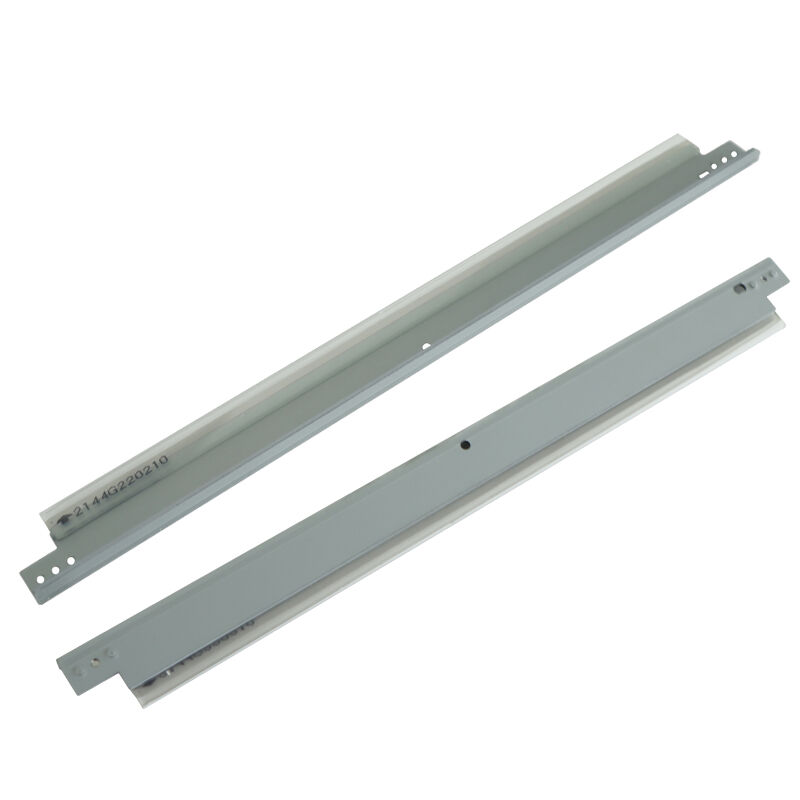
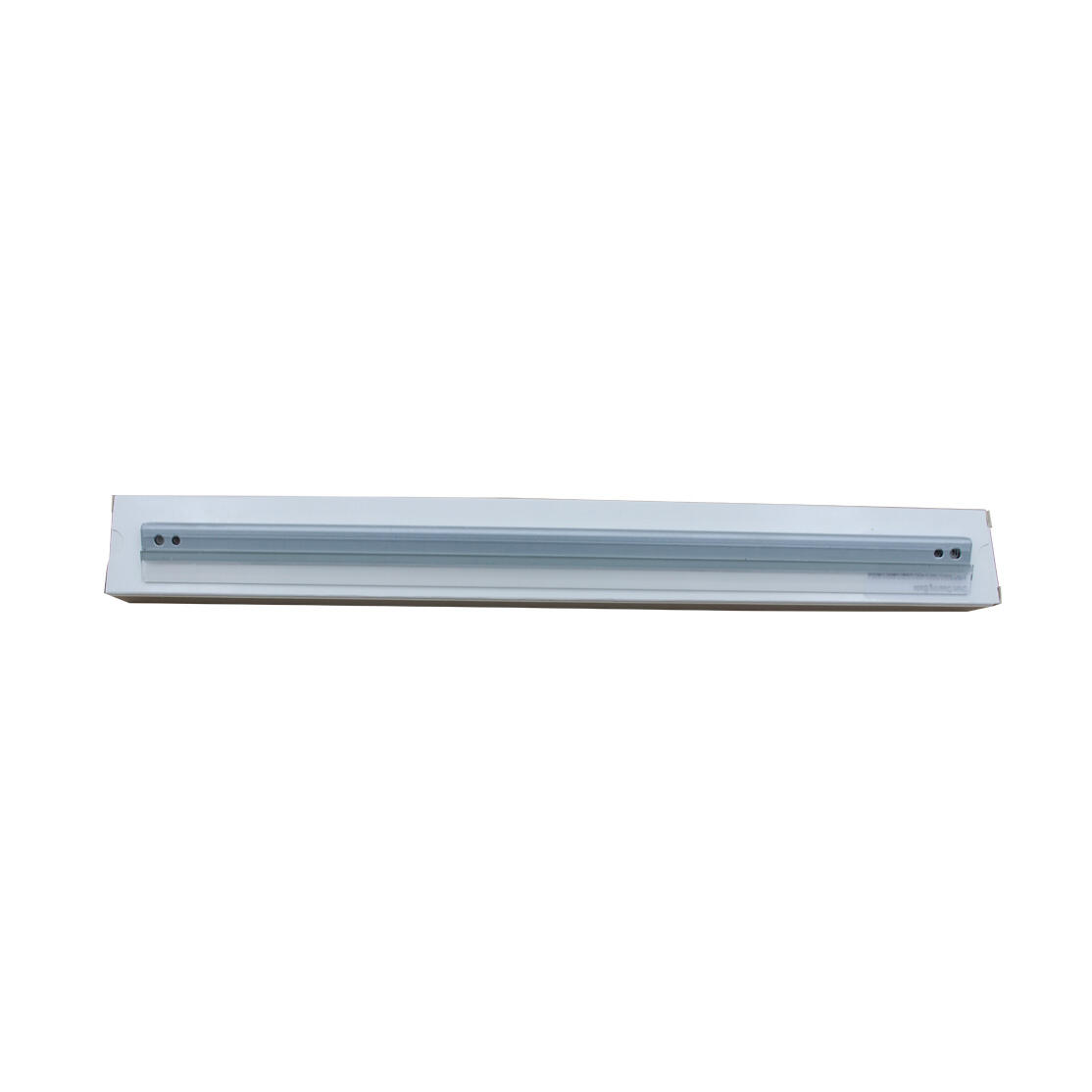
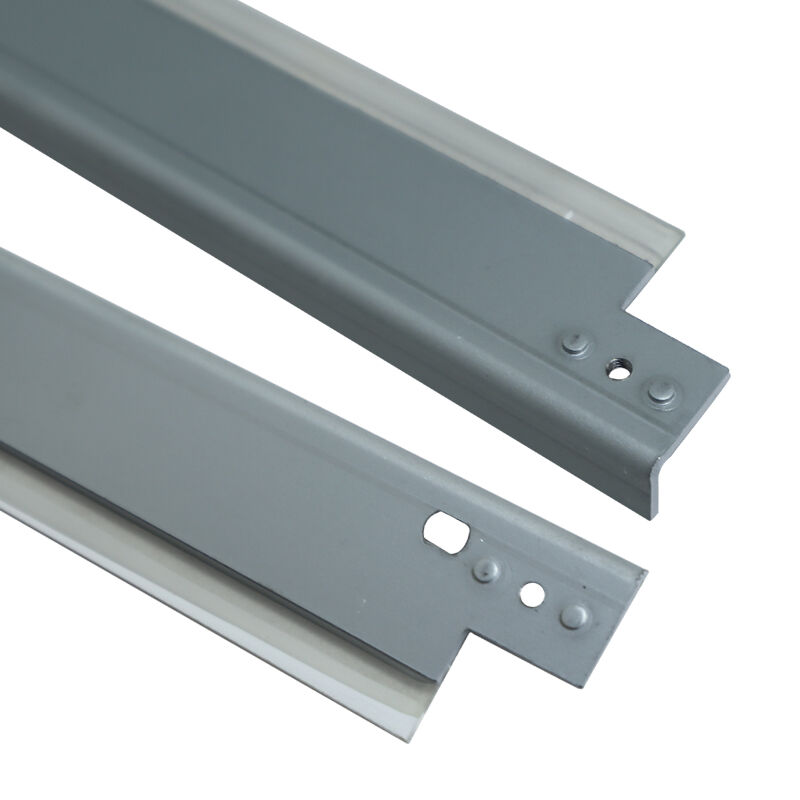
The cleaning blade represents an essential component in modern printing and imaging equipment, serving as a critical element that maintains optimal performance and output quality. This precision-engineered tool is designed to remove residual toner particles, paper dust, and other contaminants from photoconductor drums and intermediate transfer belts in laser printers, copiers, and multifunction devices. The cleaning blade operates through direct contact with rotating surfaces, utilizing its specially formulated edge to scrape away unwanted materials effectively. Manufactured from high-quality polyurethane compounds, each cleaning blade undergoes rigorous quality control to ensure consistent performance throughout its operational lifespan. The blade's primary function involves maintaining pristine surface conditions on imaging components, preventing image defects such as background ghosting, streaking, and unwanted spots on printed documents. Its technological features include precise edge geometry, optimal hardness characteristics, and superior wear resistance that enables thousands of operational cycles without degradation. The cleaning blade works in conjunction with waste toner collection systems, directing removed particles into designated containers for proper disposal. Modern cleaning blade designs incorporate advanced material science, balancing flexibility for consistent contact pressure with rigidity for effective cleaning action. These components find applications across various industries including corporate offices, commercial print shops, educational institutions, healthcare facilities, and government agencies where document quality and equipment reliability remain paramount. The cleaning blade's importance extends beyond simple maintenance, as it directly influences equipment longevity, operational costs, and environmental impact through proper waste management. Understanding the cleaning blade's role helps organizations make informed decisions about equipment maintenance, replacement schedules, and overall print fleet management strategies that optimize both performance and budget considerations.

New Product Releases

Investing in quality cleaning blades delivers numerous practical benefits that directly impact your operational efficiency and bottom line. First and foremost, these components significantly extend the lifespan of expensive photoconductor drums by preventing abrasive particle accumulation that causes premature wear and surface damage. By maintaining consistent cleaning action, you avoid costly drum replacements that can easily exceed hundreds of dollars per unit, translating to substantial savings over your equipment's lifetime. The cleaning blade ensures every printed page meets professional quality standards by eliminating common defects that compromise document appearance and readability. Your business presentations, client communications, and internal documentation consistently project professionalism without embarrassing streaks, smudges, or background shading that undermine credibility. This reliability reduces waste from reprinting defective pages, saving both paper and toner while supporting your environmental sustainability initiatives. Installation and replacement procedures require minimal technical expertise, allowing your staff to perform maintenance quickly without expensive service calls or extended equipment downtime. The cleaning blade's straightforward design means fewer components that can fail, reducing overall maintenance complexity and associated costs. You experience fewer unexpected breakdowns and service interruptions that disrupt workflow and productivity, as regular cleaning blade replacement prevents the cascade of problems that occur when contamination spreads throughout imaging systems. Modern cleaning blade formulations resist common workplace environmental factors including temperature fluctuations, humidity variations, and exposure to different toner chemistries, ensuring consistent performance across diverse operating conditions. Your organization benefits from predictable maintenance schedules rather than reactive emergency repairs that strain budgets and frustrate users. The cleaning blade contributes to quieter equipment operation by maintaining proper clearances and reducing vibration from contamination buildup, creating a more pleasant work environment. Enhanced equipment reliability means your IT staff spends less time troubleshooting print quality issues and more time on strategic initiatives that drive business value. You gain peace of mind knowing that this simple yet critical component protects your significant investment in printing infrastructure while delivering consistently excellent results that meet stakeholder expectations and support organizational objectives without requiring specialized knowledge or complex maintenance protocols.

Practical Tips

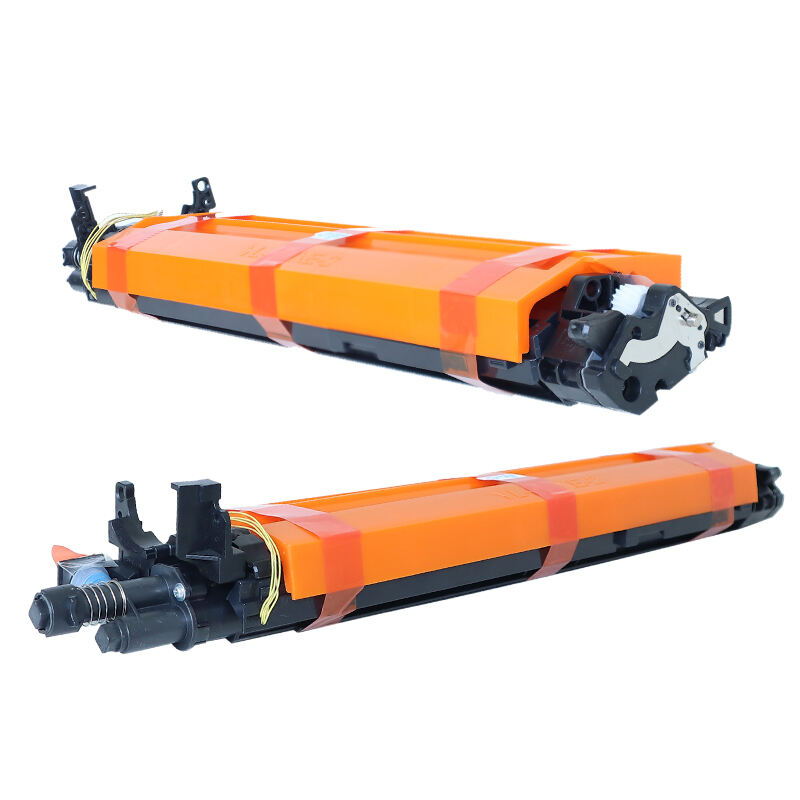
How Do You Ensure the Quality of Developer Units When Sourcing from Suppliers?

11

Dec

How Do You Ensure the Quality of Developer Units When Sourcing from Suppliers?

Sourcing developer units from suppliers requires a comprehensive quality assurance strategy that protects your business reputation and ensures customer satisfaction. In today's competitive printing industry, the reliability and performance of develop...
View More
What Makes Master Rolls a Key Component in Commercial Printing Operations?

07

Jan

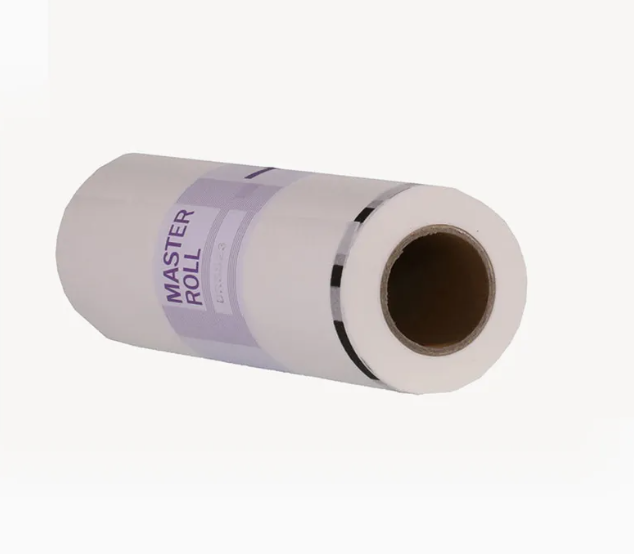
What Makes Master Rolls a Key Component in Commercial Printing Operations?

Commercial printing operations rely on numerous components working in perfect harmony to deliver high-quality reproductions at scale. Among these essential elements, the master roll stands out as a critical component that directly impacts print quali...
View More
How Can a High-Quality Master Roll Improve the Overall Print Quality?

07

Jan

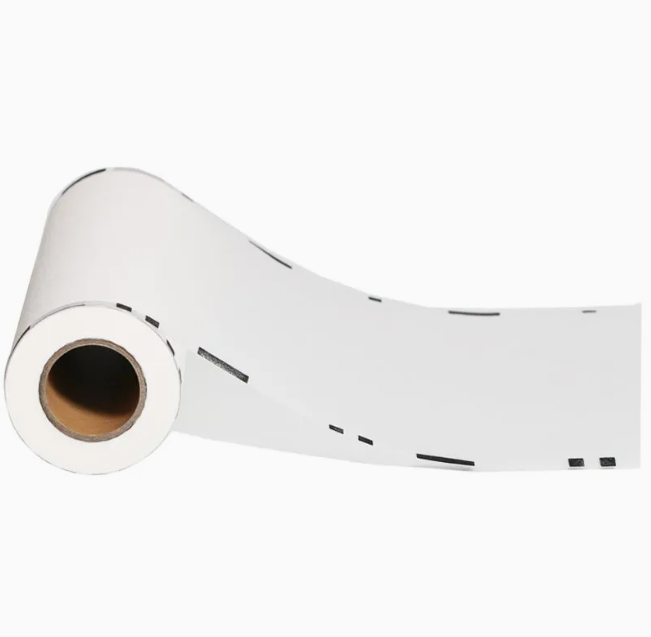
How Can a High-Quality Master Roll Improve the Overall Print Quality?

Digital printing technology has revolutionized the way businesses produce high-volume documents, but the quality of output depends heavily on the components used within these systems. At the heart of digital duplicators lies the master roll, a critic...
View More
How Do Pickup Rollers Affect the Speed and Accuracy of Paper Feeds in Your Printer?

12

Feb

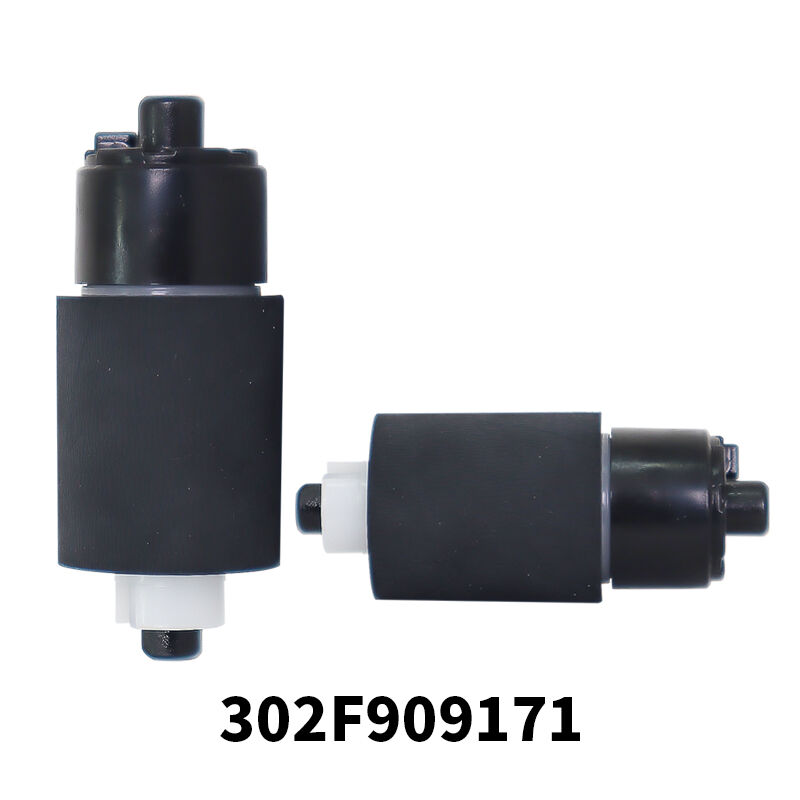
How Do Pickup Rollers Affect the Speed and Accuracy of Paper Feeds in Your Printer?

Modern printing environments depend heavily on the seamless operation of every component within a printer system. Among the most critical yet often overlooked components are pickup rollers, which serve as the primary mechanism for initiating paper mo...
View More

Get a Free Quote

Our representative will contact you soon.
Email
Mobile
Whatsapp or Wechat ID
Company Name
Name
Message
0/1000

cleaning blade

Superior Material Engineering Ensures Long-Lasting Performance

Superior Material Engineering Ensures Long-Lasting Performance

The cleaning blade's construction utilizing advanced polyurethane elastomer compounds represents a significant technological achievement that directly benefits end users through extended service life and consistent performance. Unlike inferior alternatives manufactured from basic rubber compounds, premium cleaning blades incorporate specially formulated materials that resist the mechanical stresses encountered during continuous operation. The molecular structure of these advanced polymers provides optimal balance between flexibility and rigidity, allowing the blade edge to maintain intimate contact with drum surfaces while withstanding millions of rotation cycles without appreciable wear or deformation. This material engineering considers multiple performance parameters including Shore hardness ratings typically ranging from 70 to 80 degrees, which ensures sufficient firmness for effective particle removal while preventing excessive pressure that could damage delicate photoconductor coatings. The chemical composition resists degradation from exposure to various toner formulations, including both conventional and chemical toners used across different manufacturer specifications. Temperature stability represents another critical advantage, as the cleaning blade maintains consistent performance characteristics across typical office environment ranges from 50 to 95 degrees Fahrenheit, preventing hardening in cold conditions or softening in warm environments that would compromise cleaning effectiveness. The manufacturing process employs precision molding techniques that create blade edges with micrometer-level tolerances, ensuring uniform contact pressure distribution across the entire blade width. This precision prevents localized wear patterns that create gaps allowing toner particles to bypass the cleaning mechanism and contaminate subsequent print jobs. Advanced cleaning blade designs incorporate memory-resistant properties that prevent permanent deformation even after extended contact pressure, allowing the blade to return to its optimal geometry during equipment idle periods. The material's inherent lubricity reduces friction coefficients between blade and drum surfaces, minimizing wear on both components while reducing the mechanical load on drive motors that translates to lower energy consumption. Users benefit from cleaning blades that maintain their edge sharpness throughout their rated lifespan, providing consistent cleaning efficiency from installation through replacement rather than experiencing gradual performance degradation that compromises print quality before scheduled maintenance intervals. These material advantages ultimately deliver tangible value through reduced component replacement frequency, fewer print quality issues requiring user intervention, and lower total cost of ownership for printing equipment investments.
Precision Edge Geometry Maximizes Cleaning Efficiency

Precision Edge Geometry Maximizes Cleaning Efficiency

The cleaning blade's edge design represents critical engineering that determines its effectiveness in removing contaminants while preserving the integrity of expensive imaging components. Manufacturers employ sophisticated geometric specifications that optimize the blade's contact angle, edge radius, and surface finish to achieve maximum particle removal with minimum component wear. The contact angle, typically engineered between 15 and 25 degrees relative to the drum surface, creates the ideal scraping action that dislodges adhered toner particles without generating excessive friction or heat that could damage photoconductor layers. This precise angular relationship ensures the blade edge penetrates the boundary layer where particles cling to drum surfaces through electrostatic and mechanical adhesion forces, effectively breaking these bonds and directing debris into collection systems. The edge radius, measured in micrometers, receives particular attention during manufacturing as it directly influences both cleaning performance and blade longevity. An optimally radiused edge concentrates cleaning pressure along a narrow contact line that maximizes particle displacement efficiency while distributing stress to prevent premature edge failure or chipping. Surface finish specifications on the blade edge ensure smooth interaction with drum coatings, preventing microscopic scratching that creates defect patterns visible on printed output. Advanced cleaning blade designs incorporate subtle compound angles that adapt to rotational dynamics, maintaining optimal geometry throughout the complete rotation cycle despite variations in drum concentricity and mounting tolerances. The blade's thickness profile transitions gradually from the robust mounting area to the precision cleaning edge, providing structural support that prevents flexing or vibration while maintaining the delicate edge geometry required for effective operation. Engineers calculate these dimensional relationships using finite element analysis that models stress distribution, contact pressure, and wear patterns under actual operating conditions. The result is a cleaning blade that performs efficiently across the full range of print volumes and duty cycles specified for the equipment. Users experience benefits through consistently clean output without vertical lines, streaks, or background contamination that indicate cleaning blade failure or suboptimal performance. The precision edge geometry also contributes to reduced toner waste, as effective cleaning prevents particles from being redeposited onto subsequent printed pages where they create defects and consume additional toner during cleaning cycles. Organizations managing high-volume print operations particularly appreciate how optimized edge geometry extends intervals between required maintenance, reducing both direct costs for replacement components and indirect costs associated with equipment downtime and technician labor.
Seamless Integration with Waste Management Systems

Seamless Integration with Waste Management Systems

The cleaning blade functions as an integral component within comprehensive waste toner management architectures that protect both equipment performance and environmental responsibility. Modern designs incorporate features that optimize the collection, containment, and disposal of removed contaminants, delivering benefits that extend beyond simple cleaning functionality. The blade's geometric configuration includes precisely angled surfaces that guide scraped toner particles into designated collection chambers rather than allowing debris to scatter within equipment housings where it can contaminate other components or create hazardous dust conditions. This directional control represents sophisticated engineering that considers particle flow dynamics, electrostatic behavior of charged toner particles, and gravitational effects during the collection process. The cleaning blade's mounting assembly integrates with sealed waste toner containers that prevent spillage during equipment operation and simplify safe disposal procedures when containers reach capacity. This closed-system approach protects service personnel from exposure to fine toner particles that present respiratory concerns and potential long-term health impacts if proper handling procedures are not maintained. Organizations benefit from reduced environmental footprint through efficient waste collection that enables proper recycling or disposal according to regulatory requirements and corporate sustainability policies. The cleaning blade's consistent performance ensures predictable waste toner generation rates, allowing facilities managers to establish routine collection schedules that prevent overfill conditions and potential equipment damage from blocked collection chambers. Advanced cleaning blade systems incorporate sensing capabilities that monitor waste accumulation levels and provide alerts before critical capacity thresholds, enabling proactive maintenance that prevents unexpected service interruptions. The blade's efficient particle removal minimizes the quantity of waste toner generated per printed page, as effective cleaning prevents particle recycling that occurs when inadequate cleaning allows toner to remain on drum surfaces through multiple rotation cycles. This efficiency translates directly to reduced waste disposal costs and extended intervals between waste container replacement or servicing. The cleaning blade's integration with waste management systems also supports equipment diagnostic capabilities, as waste toner accumulation patterns provide valuable data about drum wear, toner cartridge performance, and potential mechanical issues before they cause visible print defects or equipment failures. Users gain operational advantages through simplified maintenance procedures, as cleaning blade replacement typically coincides with waste container servicing, allowing both tasks to be completed during a single maintenance interval that minimizes equipment downtime. The environmental benefits extend to reduced packaging waste, as quality cleaning blades require less frequent replacement compared to inferior alternatives, decreasing the volume of disposal materials and associated environmental impact over the equipment's operational lifespan. Organizations committed to sustainable operations particularly value how effective cleaning blade systems contribute to waste reduction goals while maintaining the document quality standards essential for professional business operations.
Email Email WhatsApp WhatsApp
WhatsApp
WeChat WeChat
WeChat
Facebook Facebook TopTop

Get a Free Quote

Our representative will contact you soon.
Email
Mobile
Whatsapp or Wechat ID
Company Name
Name
Message
0/1000