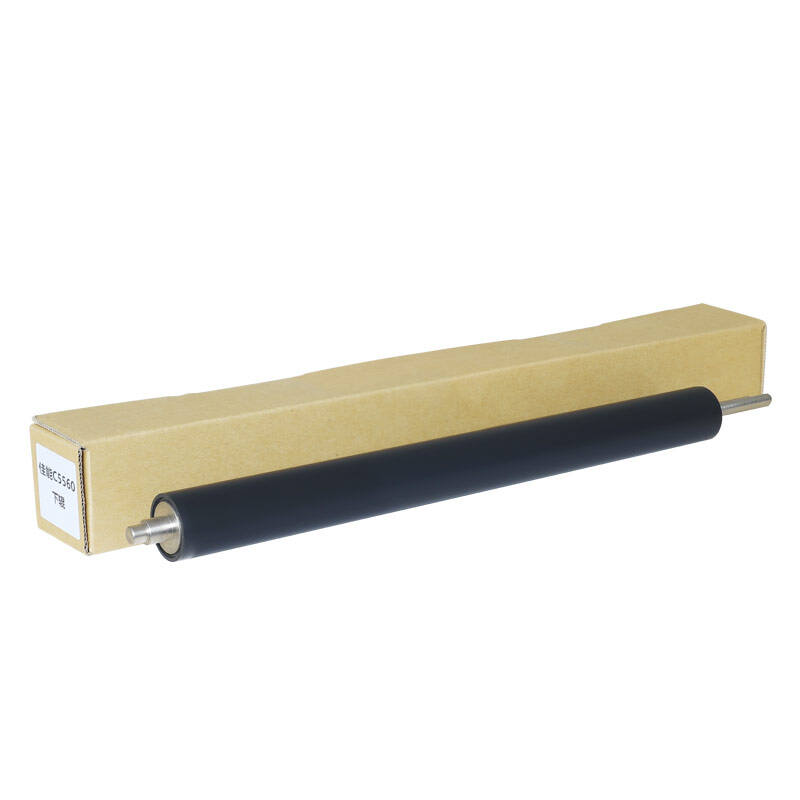
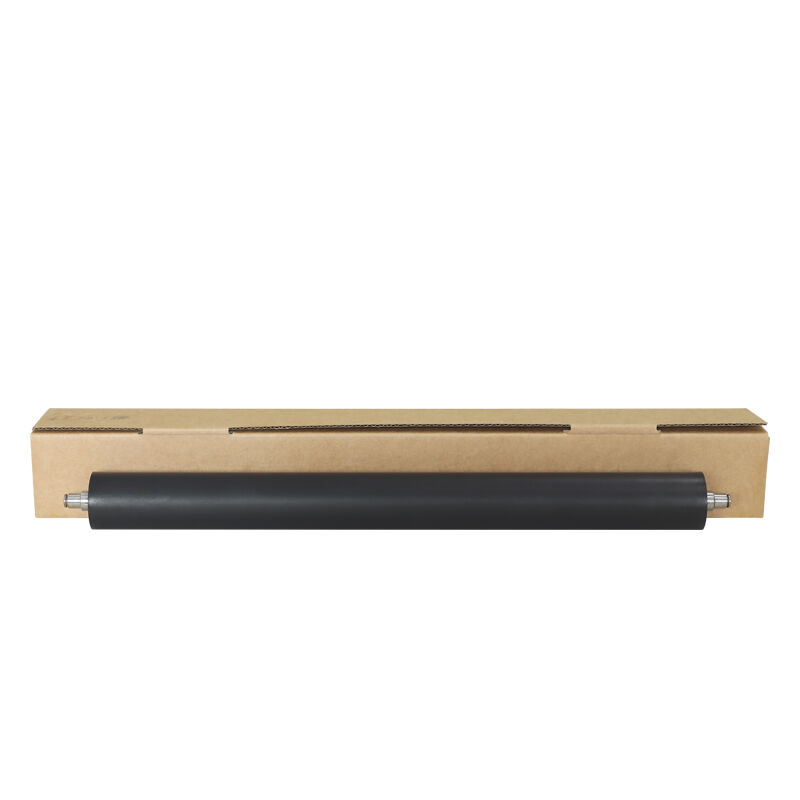
Precision Engineering for Perfect Printer Integration
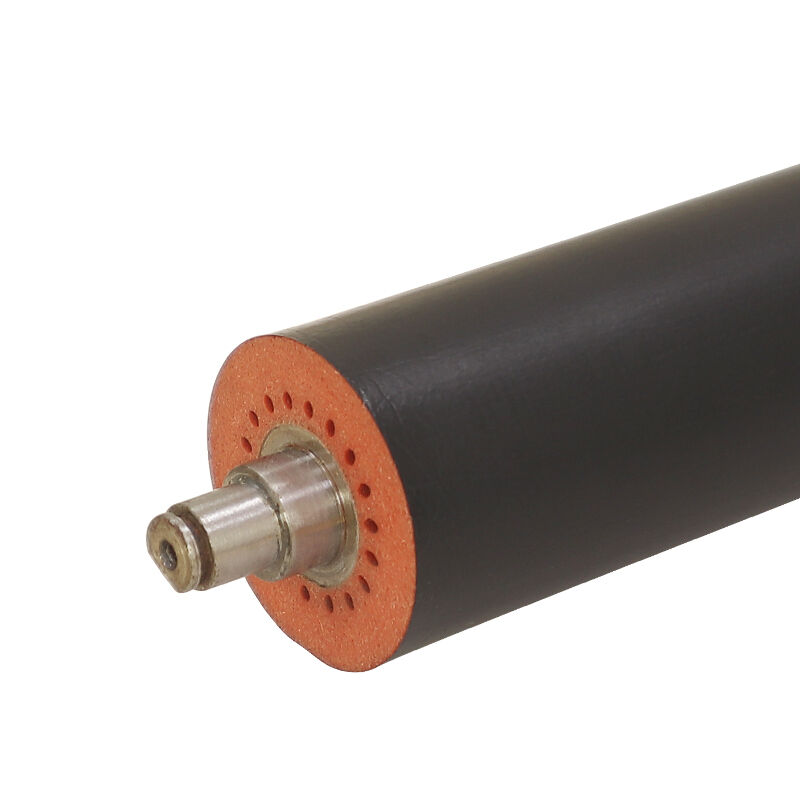
The canon fuser roller exemplifies precision manufacturing that ensures seamless integration with designated printer models, delivering plug-and-play convenience that eliminates installation complications and compatibility concerns. Every dimensional specification undergoes strict tolerance control during production, guaranteeing that the roller fits exactly within the fuser assembly without gaps, misalignment, or binding that could impair function or damage surrounding components. This precision extends to the mounting points, bearing surfaces, and drive coupling mechanisms that connect the roller to the printer's mechanical systems, ensuring smooth rotation at specified speeds without vibration, noise, or uneven motion that would compromise print quality. The engineering team designs each canon fuser roller variant specifically for particular printer models, accounting for unique requirements regarding diameter, length, heating capacity, and rotational characteristics that vary across Canon's diverse product lineup. This model-specific approach means that when you install the correct roller for your printer, you can trust that every aspect of its performance has been optimized for that exact application, from warm-up timing to heat distribution patterns to expected page yield. The quality assurance process includes rigorous testing under simulated operating conditions that replicate years of use compressed into accelerated evaluation periods, identifying potential failure modes before products reach customers. This testing validates that bearings maintain smooth operation, coatings resist wear, heating elements deliver consistent output, and structural integrity persists through thermal expansion and contraction cycles. Users appreciate the straightforward replacement process enabled by this precision, with clear installation guides and foolproof orientation features that prevent incorrect installation attempts. The reliability stemming from exact specifications means that printer performance remains stable after roller replacement, without the calibration drift, print defects, or mechanical issues that can arise when using components manufactured to looser tolerances. The dimensional accuracy also ensures proper contact pressure between the fuser roller and pressure roller, creating the ideal nip through which paper passes to receive uniform heat and pressure application. This contact consistency proves essential for preventing common problems like incomplete toner fusion along page edges, diagonal streaking, or differential gloss levels that reveal inadequate or excessive pressure in specific zones. Professional print environments value this engineering excellence because it translates into predictable maintenance schedules, reliable supply chain planning, and confidence that replacement components will restore printer performance to factory specifications. The precision manufacturing also facilitates recycling programs, as consistently manufactured components enable efficient remanufacturing processes that support environmental sustainability goals while providing cost-effective alternatives for budget-conscious operations.
 EN
EN