 EN
EN

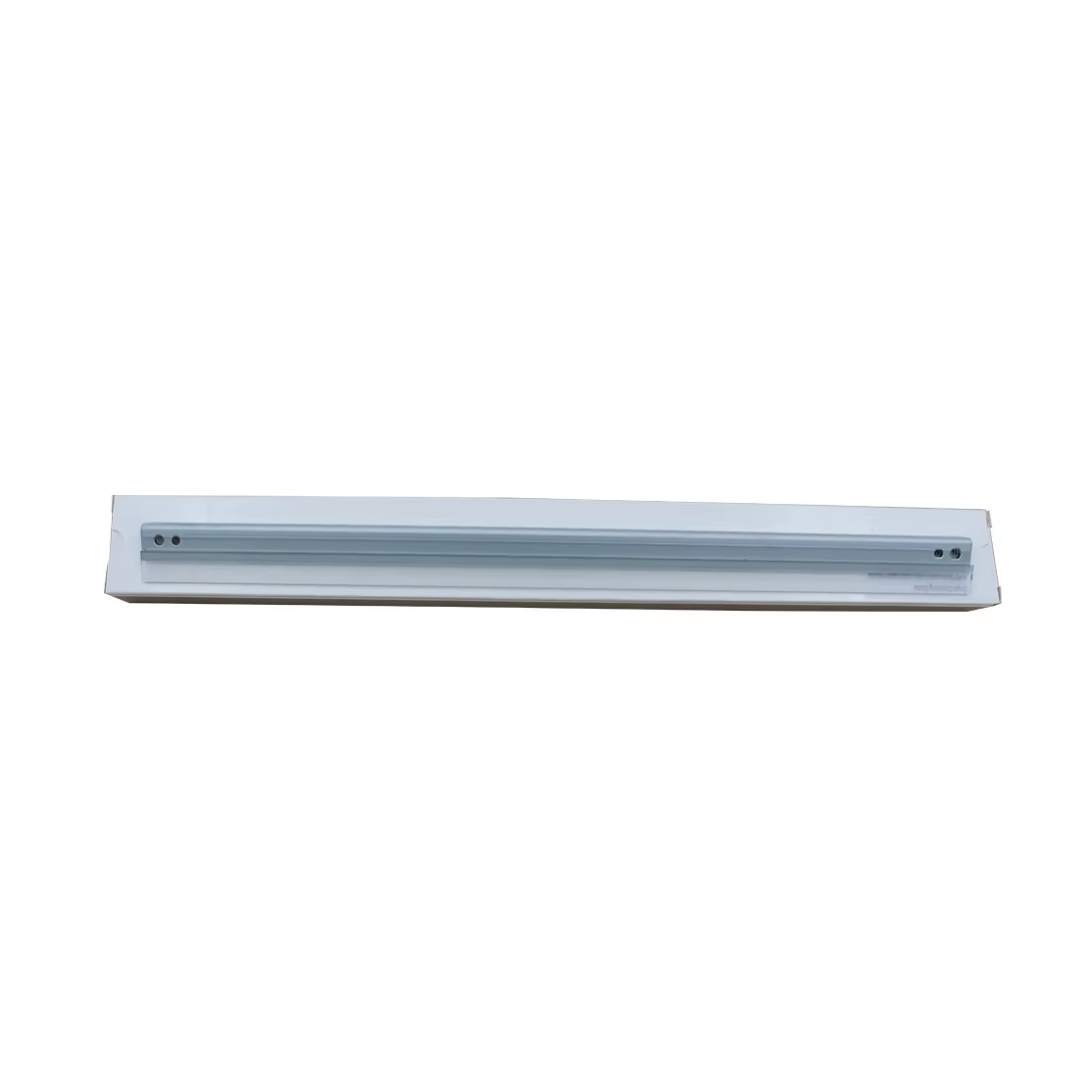
Modern office environments rely heavily on high-performance printing systems to maintain productivity and deliver professional results. When it comes to maintaining copiers and printers, one of the most critical yet often overlooked components is the drum cleaning blade. These precision-engineered components play a vital role in ensuring consistent print quality while extending equipment lifespan. For businesses managing multiple printing devices, investing in wholesale cleaning blades represents a strategic approach to maintenance that delivers significant cost savings without compromising performance standards.
The economics of printer maintenance have evolved considerably as organizations seek more efficient ways to manage operational costs. Traditional approaches often involve purchasing individual replacement parts at retail prices, leading to inflated expenses and inconsistent maintenance schedules. By contrast, sourcing cleaning blades through wholesale channels enables businesses to secure bulk pricing advantages while maintaining adequate inventory levels for routine maintenance operations.
Understanding Drum Cleaning Blade Functionality
The Critical Role in Print Quality
Drum cleaning blades serve as the primary mechanism for removing residual toner particles from the photoconductor drum surface after each print cycle. This process is essential for preventing toner contamination that can result in streaking, ghosting, or other print quality defects. The blade's precision edge maintains direct contact with the drum surface, effectively scraping away excess toner while preserving the drum's delicate coating.
The material composition of these cleaning blades typically involves specialized polyurethane compounds engineered to provide optimal flexibility and durability. This careful balance ensures effective cleaning action without causing premature drum wear or surface damage. Quality cleaning blades maintain consistent contact pressure across the entire drum width, preventing uneven cleaning that could compromise print consistency.
Impact on Equipment Longevity
Regular replacement of cleaning blades significantly extends the operational life of photoconductor drums, which represent one of the most expensive consumable components in laser printing systems. When cleaning blades become worn or damaged, they fail to remove toner effectively, leading to drum contamination and accelerated wear. This cascade effect ultimately requires premature drum replacement, dramatically increasing maintenance costs.
Properly functioning cleaning blades also protect other critical components within the cartridge assembly, including developer rollers and charge rollers. By maintaining optimal toner removal efficiency, these blades prevent contaminate buildup that could interfere with the delicate electrostatic processes essential for high-quality printing. This protective function extends the service intervals for multiple components simultaneously.
Cost Analysis of Wholesale Procurement
Volume Pricing Advantages
Purchasing wholesale cleaning blades provides immediate cost reductions through volume pricing structures that significantly lower per-unit expenses. Wholesale suppliers typically offer tiered pricing models where larger order quantities unlock progressively better rates, enabling substantial savings compared to retail purchasing approaches.
These volume discounts become particularly advantageous for organizations operating multiple printer models or managing extensive fleet deployments. The ability to standardize procurement across different equipment types while securing bulk pricing creates operational efficiencies that extend beyond simple cost reduction. Administrative overhead decreases as purchasing frequency diminishes, freeing resources for other strategic initiatives.
Inventory Management Benefits
Maintaining adequate inventory levels through wholesale purchasing eliminates the premium costs associated with emergency procurement situations. When cleaning blades fail unexpectedly, organizations often resort to expedited shipping or local retail purchases at significantly higher prices. Strategic inventory management through wholesale channels provides buffer stock at favorable pricing while ensuring maintenance continuity.
The predictable nature of cleaning blade wear patterns enables accurate demand forecasting, supporting efficient inventory planning and cash flow management. Organizations can align purchasing cycles with budget periods while taking advantage of seasonal promotions or supplier incentives that further enhance cost effectiveness. This strategic approach transforms maintenance from a reactive expense into a planned operational investment.

Quality Considerations and Compatibility
OEM Specification Compliance
Quality wholesale cleaning blades must meet or exceed original equipment manufacturer specifications to ensure proper fit, function, and performance. Critical parameters include blade dimensions, material hardness, edge geometry, and mounting configurations that match specific printer models. Deviation from these specifications can result in poor cleaning performance, premature failure, or potential equipment damage.
Reputable wholesale suppliers provide detailed compatibility information and technical specifications to support proper product selection. This documentation enables maintenance personnel to identify appropriate replacement parts while ensuring compliance with equipment warranty requirements. Many wholesale suppliers also offer technical support services to assist with product selection and installation procedures.
Performance Testing and Validation
Professional-grade wholesale cleaning blades undergo rigorous testing protocols to validate performance characteristics and durability ratings. These evaluations typically include accelerated wear testing, cleaning efficiency measurements, and compatibility verification across multiple equipment configurations. Such comprehensive testing ensures consistent performance and reliability across large-volume deployments.
Quality assurance programs implemented by leading wholesale suppliers often exceed industry standards, providing additional confidence in product reliability and performance consistency. Many suppliers maintain ISO certification and implement statistical process control measures to ensure manufacturing quality remains stable across production runs. This systematic approach to quality management translates into predictable performance and reduced maintenance variability.
Implementation Strategies for Maximum Benefit
Supplier Selection Criteria
Successful wholesale cleaning blade procurement requires careful supplier evaluation based on multiple criteria beyond simple pricing considerations. Key factors include product quality consistency, technical support availability, delivery reliability, and warranty provisions that protect against defective products. Establishing relationships with suppliers who understand specific equipment requirements and maintenance challenges creates long-term value beyond initial cost savings.
Geographic proximity and distribution capabilities also influence supplier selection decisions, particularly for organizations requiring rapid replenishment or emergency support. Suppliers with established logistics networks and inventory management systems can provide superior service levels while maintaining competitive pricing structures. These operational advantages become increasingly valuable as deployment scales increase.
Maintenance Schedule Optimization
Effective utilization of wholesale cleaning blades requires synchronized maintenance scheduling that maximizes operational efficiency while minimizing downtime. Proactive replacement programs based on page count thresholds or time intervals prevent unexpected failures while optimizing blade utilization. This systematic approach ensures consistent print quality while avoiding the disruptions associated with reactive maintenance.
Integration with existing maintenance management systems enables automated reorder processing and inventory tracking that streamlines procurement operations. Many organizations implement barcode or RFID systems to monitor blade usage patterns and optimize replacement intervals based on actual performance data. This data-driven approach continuously improves maintenance efficiency while reducing total cost of ownership.
FAQ
How often should drum cleaning blades be replaced in high-volume printing environments
Replacement frequency depends on several factors including print volume, paper types, environmental conditions, and print coverage patterns. Generally, cleaning blades should be replaced every 20,000 to 50,000 pages in commercial environments, though some high-duty applications may require more frequent replacement. Monitoring print quality indicators such as streaking or ghosting provides early warning signs that blade replacement is needed.
Can wholesale cleaning blades maintain the same quality standards as OEM components
High-quality wholesale cleaning blades that meet OEM specifications can deliver equivalent performance to original components when sourced from reputable suppliers. The key is ensuring proper material composition, dimensional accuracy, and manufacturing quality control. Many wholesale suppliers use the same materials and production processes as OEM manufacturers, providing comparable performance at significantly lower costs.
What storage considerations apply to bulk cleaning blade inventory
Proper storage conditions are essential for maintaining cleaning blade performance and longevity. Components should be stored in controlled temperature and humidity environments, typically between 50-70°F with relative humidity below 60%. Avoid exposure to direct sunlight, extreme temperatures, or chemical vapors that could degrade polyurethane materials. Proper packaging and inventory rotation using first-in-first-out principles help ensure optimal product condition at installation.
How do wholesale cleaning blades compare in environmental impact to OEM alternatives
Wholesale cleaning blades often provide environmental advantages through reduced packaging materials, consolidated shipping, and extended equipment life cycles. Many wholesale suppliers implement sustainable manufacturing practices and offer recycling programs for used components. The cost savings achieved through wholesale procurement can also support more frequent maintenance schedules that optimize equipment efficiency and reduce overall environmental impact.
Table of Contents
- Understanding Drum Cleaning Blade Functionality
- Cost Analysis of Wholesale Procurement
- Quality Considerations and Compatibility
- Implementation Strategies for Maximum Benefit
-
FAQ
- How often should drum cleaning blades be replaced in high-volume printing environments
- Can wholesale cleaning blades maintain the same quality standards as OEM components
- What storage considerations apply to bulk cleaning blade inventory
- How do wholesale cleaning blades compare in environmental impact to OEM alternatives