 EN
EN

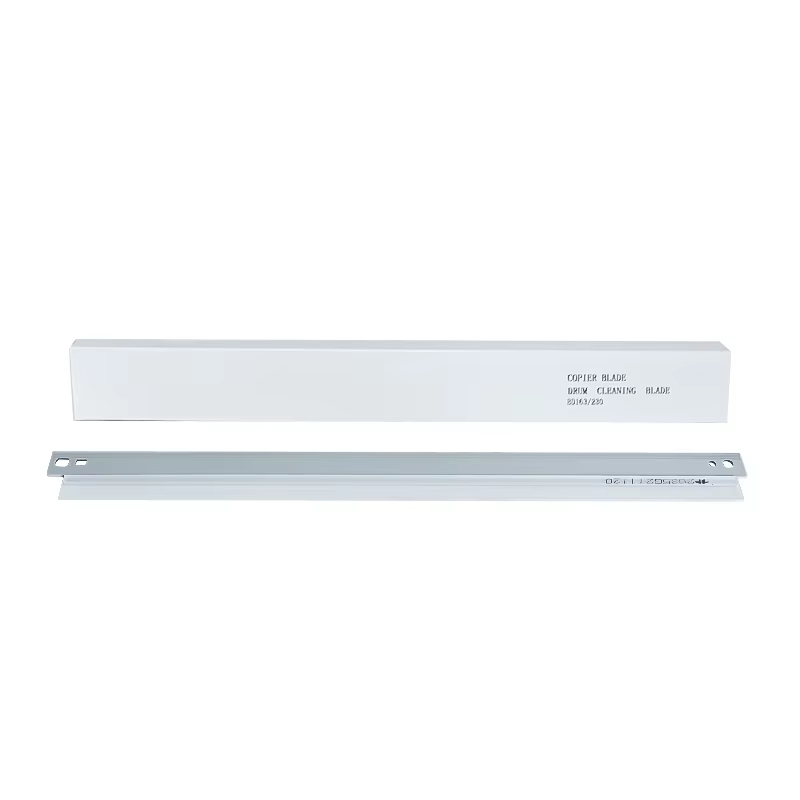
In the competitive landscape of large-scale printing operations, cost efficiency remains a critical factor that determines business profitability and operational sustainability. Commercial printing facilities, corporate offices with high-volume printing needs, and service bureaus constantly seek ways to reduce operational expenses while maintaining superior print quality. Among the various components that contribute to cost-effective printing operations, wholesale cleaning blades emerge as an essential yet often overlooked element that significantly impacts both equipment longevity and overall printing costs.
The strategic implementation of high-quality cleaning blades in printing equipment represents a fundamental approach to achieving substantial cost savings across multiple operational dimensions. These precision-engineered components serve as the first line of defense against toner waste, image quality degradation, and premature equipment failure. Understanding their role in cost efficiency requires examining the intricate relationship between component quality, maintenance schedules, and long-term operational expenses that define successful printing operations.
Modern printing environments demand consistent performance standards that can only be achieved through meticulous attention to component selection and replacement strategies. The transition from reactive maintenance approaches to proactive component management has revolutionized how printing facilities approach cost control, with cleaning blade optimization serving as a cornerstone of this strategic shift toward enhanced operational efficiency.
Understanding the Economic Impact of Cleaning Blade Performance
Direct Cost Savings Through Extended Equipment Life
The primary economic benefit of implementing high-quality wholesale cleaning blades manifests through significantly extended equipment operational life cycles. Premium cleaning blades effectively remove residual toner particles and debris from drum surfaces, preventing the accumulation of contaminants that can cause permanent damage to photoconductor units and other critical printing components. This preventive action translates into substantial cost savings by reducing the frequency of expensive component replacements and minimizing unplanned downtime that disrupts productive operations.
Research conducted across various printing facilities demonstrates that facilities utilizing superior cleaning blade technology experience equipment life extensions of up to 40% compared to operations using standard or inferior blade components. This extension directly correlates to reduced capital equipment replacement costs, lower maintenance expenses, and improved return on investment for existing printing infrastructure. The compounding effect of these savings becomes particularly significant in large-scale operations where equipment replacement costs can reach hundreds of thousands of dollars.
Furthermore, the consistent performance characteristics of high-quality cleaning blades contribute to predictable maintenance schedules that enable better budget planning and resource allocation. Facilities can transition from reactive maintenance models, which often involve emergency repairs and expedited parts procurement at premium costs, to proactive maintenance programs that optimize both timing and cost efficiency of component replacements.
Toner Conservation and Waste Reduction Benefits
Effective cleaning blade performance directly impacts toner consumption efficiency, representing another significant avenue for cost reduction in large-scale printing operations. Properly functioning cleaning blades ensure complete toner removal from drum surfaces after each print cycle, preventing toner carryover that leads to image quality issues and excessive toner consumption. This precision cleaning action maximizes the utilization of expensive toner materials while maintaining consistent print quality standards.
The economic implications of toner conservation become particularly pronounced in high-volume printing environments where toner costs can represent a substantial portion of operational expenses. Facilities implementing premium cleaning blade solutions report toner consumption reductions of 15-25% compared to operations using standard blade components. These savings accumulate rapidly across thousands of daily print cycles, resulting in substantial annual cost reductions that significantly impact overall operational profitability.
Additionally, superior cleaning blade performance reduces toner waste generation, which carries both direct disposal costs and indirect environmental compliance expenses. The reduction in waste toner not only decreases disposal fees but also minimizes the administrative burden associated with hazardous waste management protocols, contributing to overall operational efficiency and cost control.
Quality Consistency and Production Efficiency Advantages
Minimizing Reprints and Material Waste
The implementation of high-quality cleaning blades significantly reduces print defects that necessitate costly reprints and material waste. Inferior cleaning blade performance often results in streaking, ghosting, and background contamination that renders printed materials unsuitable for client delivery or internal use. These quality issues force facilities to reprint jobs, effectively doubling material costs while consuming additional production time and equipment capacity.
Statistical analysis of printing operations reveals that facilities utilizing premium cleaning blade technology experience defect rates that are 60-80% lower than operations using standard components. This dramatic reduction in defective output translates directly into material cost savings, reduced labor expenses associated with reprint operations, and improved client satisfaction through consistent delivery schedules. The cumulative effect of these improvements contributes significantly to overall operational profitability and competitive positioning.
Moreover, consistent print quality enabled by superior cleaning blade performance allows facilities to maintain premium pricing for their services while reducing the risk of client disputes or project delays that can result in financial penalties or lost business opportunities. The reliability factor becomes particularly crucial in time-sensitive printing applications where delays can cascade into significant financial consequences.
Enhanced Production Throughput and Capacity Utilization
Reliable cleaning blade performance contributes to enhanced production throughput by minimizing equipment downtime associated with cleaning cycles, maintenance interventions, and troubleshooting activities. Superior wholesale cleaning blades maintain consistent performance characteristics throughout their operational life, reducing the frequency of manual cleaning interventions and equipment adjustments that interrupt productive operations.
The economic value of increased throughput becomes particularly significant in facilities operating near capacity limits or during peak demand periods when additional production capacity commands premium rates. Enhanced equipment reliability enables facilities to accept larger orders, meet tighter deadlines, and capitalize on high-margin opportunities that might otherwise be declined due to capacity constraints or reliability concerns.
Furthermore, consistent equipment performance facilitated by quality cleaning blades enables more accurate production scheduling and capacity planning, allowing facilities to optimize labor utilization and reduce overtime expenses associated with makeup production or rush orders necessitated by equipment reliability issues.
Strategic Procurement and Inventory Management Benefits
Bulk Purchase Advantages and Supply Chain Optimization
The wholesale procurement of cleaning blades enables significant cost advantages through volume pricing, reduced transaction costs, and optimized supply chain management. Facilities that implement strategic bulk purchasing programs for cleaning blade components typically achieve unit cost reductions of 25-40% compared to individual purchase transactions. These savings compound over time, particularly in high-volume operations where cleaning blade consumption represents a substantial component of ongoing operational expenses.
Strategic inventory management of cleaning blade components also reduces administrative overhead associated with frequent procurement activities, vendor management, and inventory tracking processes. Consolidated purchasing enables better vendor relationships, improved payment terms, and enhanced supply security that protects against supply disruptions that could impact production schedules and client commitments.
Additionally, bulk procurement strategies enable facilities to standardize on specific cleaning blade specifications and performance characteristics, simplifying maintenance procedures and reducing the training requirements for technical staff. This standardization contributes to operational efficiency while reducing the risk of component compatibility issues or installation errors that could impact equipment performance.
Predictable Cost Planning and Budget Management
The implementation of systematic cleaning blade replacement programs based on wholesale procurement enables more accurate cost forecasting and budget planning for printing operations. Facilities can establish predictable component replacement schedules based on equipment usage patterns and cleaning blade performance characteristics, allowing for more precise operational cost projections and improved financial planning accuracy.
This predictability becomes particularly valuable for facilities operating under fixed-price contracts or those required to provide accurate cost estimates for large printing projects. The ability to accurately forecast component costs contributes to more competitive bidding strategies while maintaining adequate profit margins through precise cost control measures.
Moreover, systematic replacement programs reduce the financial impact of component failures by distributing replacement costs evenly across operational periods rather than concentrating expenses during crisis situations when premium pricing and expedited shipping charges can significantly inflate component costs.
Environmental and Compliance Cost Considerations
Waste Reduction and Environmental Compliance Savings
Superior cleaning blade performance contributes to environmental cost savings through reduced waste generation and improved compliance with environmental regulations governing printing operations. High-quality cleaning blades minimize toner waste production, reducing disposal costs and the administrative burden associated with hazardous waste management protocols required by environmental regulations.
The extended operational life of equipment facilitated by quality cleaning blade performance also contributes to environmental sustainability objectives while reducing the financial burden of equipment replacement and disposal. This alignment with environmental goals becomes increasingly important as organizations face growing pressure to demonstrate environmental responsibility and comply with evolving sustainability regulations.
Additionally, reduced material consumption and waste generation enabled by superior cleaning blade performance can contribute to qualification for environmental incentives, tax credits, or preferred vendor status with environmentally conscious clients, creating additional revenue opportunities and competitive advantages that enhance overall profitability.
Regulatory Compliance and Risk Management
Consistent equipment performance facilitated by quality cleaning blades reduces the risk of regulatory violations related to air quality, waste management, or workplace safety requirements that govern printing operations. Equipment malfunctions or performance issues that result in excessive emissions, improper waste handling, or safety hazards can expose facilities to significant financial penalties and operational restrictions.
The predictable performance characteristics of premium cleaning blades enable facilities to maintain consistent compliance with regulatory requirements while reducing the administrative costs associated with monitoring, reporting, and remediation activities. This regulatory reliability becomes particularly valuable in jurisdictions with stringent environmental or safety regulations where violations can result in substantial financial penalties or operational shutdowns.
Furthermore, the documentation and traceability advantages associated with systematic cleaning blade replacement programs can facilitate regulatory compliance audits and demonstrate due diligence in equipment maintenance and environmental management practices, potentially reducing insurance costs and regulatory scrutiny.
FAQ
What factors should be considered when selecting wholesale cleaning blades for cost efficiency
When selecting wholesale cleaning blades for maximum cost efficiency, facilities should evaluate blade material composition, compatibility with specific equipment models, expected operational life, and supplier reliability. Premium polyurethane or specialized composite materials typically offer superior durability and performance consistency compared to standard rubber compounds. Equipment compatibility ensures optimal performance and prevents damage that could result in expensive repairs. Supplier evaluation should include assessment of quality certifications, delivery reliability, and technical support capabilities that contribute to long-term operational success.
How frequently should cleaning blades be replaced in large-scale printing operations
Cleaning blade replacement frequency depends on equipment usage intensity, print volume, environmental conditions, and blade quality specifications. High-volume operations typically require replacement every 50,000-100,000 print cycles for standard blades, while premium wholesale cleaning blades may extend this interval to 150,000-200,000 cycles. Facilities should establish replacement schedules based on performance monitoring rather than fixed intervals, watching for indicators such as print quality degradation, increased toner consumption, or visible blade wear to optimize replacement timing and cost efficiency.
Can wholesale cleaning blade quality impact overall equipment warranty coverage
Equipment manufacturers may void warranty coverage if non-approved or inferior quality cleaning blades cause equipment damage or performance issues. However, many high-quality wholesale cleaning blades meet or exceed original equipment manufacturer specifications and maintain warranty compliance when properly installed and maintained. Facilities should verify compatibility and quality certifications before implementing wholesale cleaning blade programs, ensuring that cost savings do not compromise warranty protection or create liability for equipment damage.
What documentation is necessary for tracking cleaning blade performance and costs
Effective cost tracking requires documentation of blade installation dates, equipment serial numbers, print volumes between replacements, associated maintenance activities, and performance indicators such as print quality metrics and toner consumption rates. This documentation enables analysis of cost per page, replacement interval optimization, and identification of equipment-specific performance patterns. Comprehensive records also support warranty claims, regulatory compliance requirements, and vendor performance evaluation for ongoing procurement optimization.
Table of Contents
- Understanding the Economic Impact of Cleaning Blade Performance
- Quality Consistency and Production Efficiency Advantages
- Strategic Procurement and Inventory Management Benefits
- Environmental and Compliance Cost Considerations
-
FAQ
- What factors should be considered when selecting wholesale cleaning blades for cost efficiency
- How frequently should cleaning blades be replaced in large-scale printing operations
- Can wholesale cleaning blade quality impact overall equipment warranty coverage
- What documentation is necessary for tracking cleaning blade performance and costs