 EN
EN

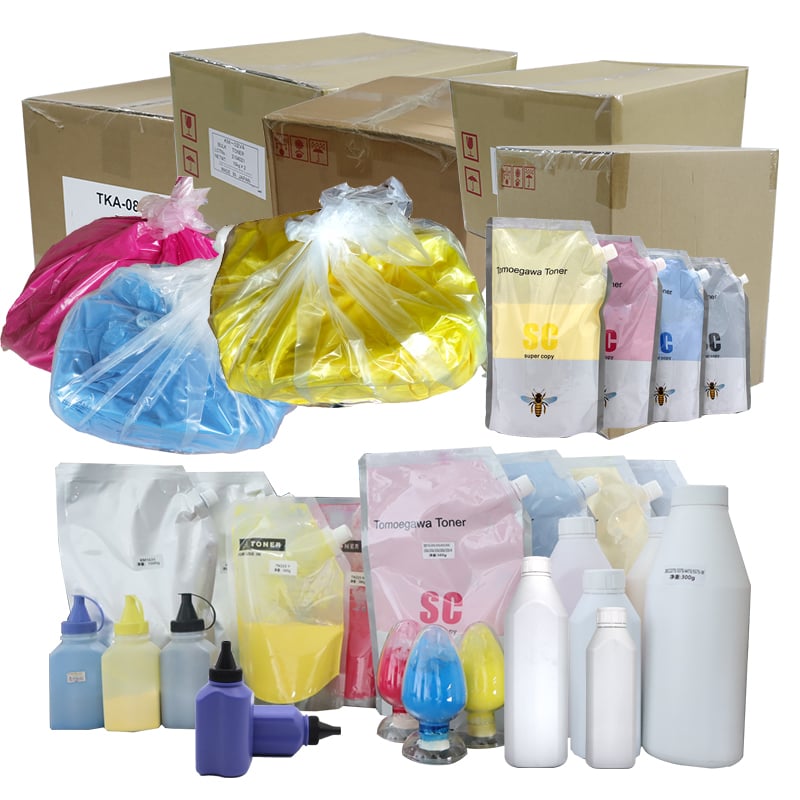
Nonprofits and advocacy organizations face constant pressure to produce campaign materials quickly and affordably. When your organization runs on limited budgets and tight deadlines, the right duplicator features can transform your entire printing operation. Understanding which duplicator features matter most helps NGOs make informed equipment decisions that directly impact campaign reach, resource allocation, and mission delivery.
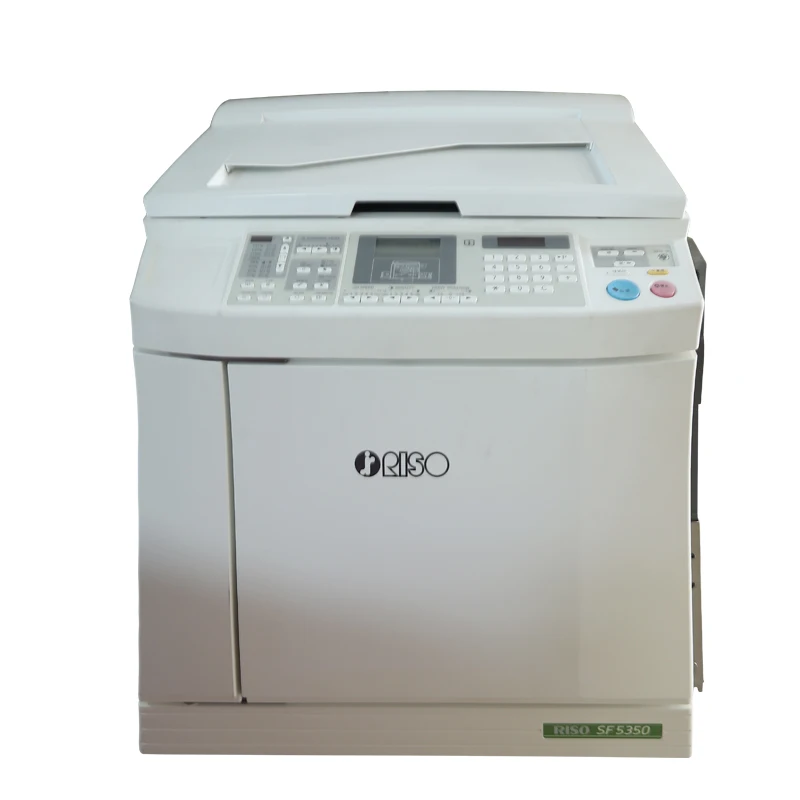
Modern duplicator features have evolved far beyond basic copying functionality. Today's advanced duplicators offer speed, automation, and reliability that directly address the pain points NGOs encounter when producing high volumes of educational materials, fundraising literature, and community outreach content. Selecting equipment with the right duplicator features ensures your organization can respond rapidly to campaign needs without sacrificing quality or straining operational budgets.
Speed and Volume Capacity: Core Duplicator Features for Campaign Demands
High-Speed Print Output and Throughput Performance
The most critical duplicator features for NGO campaign material production center on speed and volume capacity. Organizations running awareness campaigns need to print hundreds or thousands of flyers, brochures, and information sheets within narrow timeframes. Duplicator features that enable output rates of 80 to 140 impressions per minute directly reduce production timelines. When your duplicator features support rapid, consistent output, your team completes campaign batches in hours rather than days, allowing faster distribution and more agile campaign adjustments.
Automatic Paper Handling and Feed Systems
Efficient duplicator features include automated paper feeding, automatic toner supply management, and intelligent paper path systems. These duplicator features eliminate constant manual intervention, allowing staff to focus on content oversight rather than equipment management. NGOs benefit enormously when duplicator features reduce operator time per batch, because nonprofit teams typically juggle printing with other responsibilities. Advanced duplicator features like automatic paper size detection and tray switching allow seamless transitions between letter-size handouts and larger campaign posters without workflow interruption.
Scanning and Digital Integration: Modern Duplicator Features for Content Management
Built-In Scanning Capabilities and Document Capture
Contemporary duplicator features increasingly include integrated scanning functionality, transforming the equipment from a pure reproduction device into a content management hub. Duplicator features with high-quality scanning allow organizations to digitize existing campaign templates, donor communications, and historical materials for easy modification and reprinting. This duplicator features capability proves invaluable when campaigns evolve or messaging requires rapid iteration. Built-in scanning duplicator features reduce dependency on separate scanning workstations, consolidating workflow and accelerating the journey from concept to printed material.
Cloud Connectivity and Workflow Automation
Leading duplicator features now include cloud integration, network connectivity, and digital workflow automation. These duplicator features enable remote job submission, allowing multiple team members across different locations to queue printing tasks without physical access to the machine. For distributed NGO teams coordinating campaign materials across regional chapters, duplicator features supporting networked operation and cloud-based job management dramatically improve coordination efficiency. Advanced duplicator features also include mobile app connectivity, letting staff initiate print runs from smartphones or tablets during field activities.
Cost Control and Environmental Responsibility: Duplicator Features Supporting NGO Budgets
Toner Efficiency and Cost-Per-Page Optimization
Budget constraints define nonprofit operations, making duplicator features that reduce printing costs essential selection criteria. Duplicator features emphasizing toner efficiency, automatic toner dispensing, and optimized powder consumption directly impact long-term operational expenses. Organizations printing tens of thousands of pages annually benefit significantly from duplicator features engineered for minimal waste and maximum yield per toner cartridge. Some advanced duplicator features include consumption tracking and predictive alerts, helping NGOs manage supplies proactively and avoid emergency reorders that disrupt campaign schedules.
Energy Efficiency and Sustainability Alignment
Modern duplicator features increasingly reflect environmental responsibility, aligning with nonprofit values and reducing facility operating costs. Duplicator features such as low-power standby modes, automatic sleep timers, and energy-efficient printing cycles reduce electricity consumption without sacrificing performance. NGOs committed to environmental sustainability find duplicator features supporting eco-friendly operation essential for mission alignment. Duplex printing duplicator features enable double-sided output by default, cutting paper consumption approximately in half while reducing material costs and environmental impact simultaneously.
Reliability and Support: Duplicator Features Enabling Uninterrupted Campaign Operations
Consistent Output Quality and Error Prevention
Campaign deadlines cannot slip, making duplicator features that ensure consistent, reliable performance critical for nonprofit operations. Advanced duplicator features include automatic quality monitoring, toner density adjustment, and preventive maintenance alerts. These duplicator features minimize printing defects, reduce waste from misprints, and ensure every campaign batch meets professional standards. When duplicator features automatically detect and correct common printing issues, your organization avoids the frustration of discovering print quality problems after completing large batches destined for community distribution.
Maintenance Features and Operational Support
Duplicator features supporting easy maintenance extend equipment lifespan and reduce downtime during critical campaign windows. User-friendly duplicator features including accessible toner compartments, intuitive error message systems, and straightforward troubleshooting procedures empower nonprofit staff to resolve minor issues independently. Organizations benefit when duplicator features include comprehensive documentation, video tutorials, and responsive technical support lines. Advanced duplicator features may include predictive maintenance systems that schedule service before failures occur, preventing campaign disruptions and ensuring your equipment remains operational when your organization needs it most.
FAQ
Which duplicator features matter most for organizations printing campaign materials weekly?
Weekly production organizations prioritize duplicator features emphasizing speed, reliability, and toner efficiency. High-output duplicator features combined with automatic paper handling and built-in quality monitoring ensure consistent production without excessive operator attention. Duplicator features supporting rapid toner replenishment and consumables management prevent delays between batches, while energy-efficient operations reduce facility costs—critical for nonprofits managing tight budgets.
Can smaller NGOs benefit from advanced duplicator features, or should they choose simpler models?
Even smaller organizations benefit from strategic duplicator features that match their specific workflow patterns. Rather than selecting every available duplicator features, smaller NGOs should focus on duplicator features directly addressing their pain points—perhaps prioritizing scanning capabilities if they frequently digitize materials, or cloud connectivity if team members work across multiple locations. Right-sized duplicator features prevent overpaying for unused capabilities while ensuring core functions support efficient operations.
How do duplicator features contribute to cost savings over an equipment's lifetime?
Duplicator features directly impact total cost of ownership through multiple pathways. Toner-efficient duplicator features reduce ongoing supply expenses significantly. Speed-optimized duplicator features reduce labor costs by requiring less operator time per printed batch. Reliability-focused duplicator features minimize downtime and eliminate costly emergency repairs. Together, these duplicator features compound savings across equipment lifespan, making seemingly premium equipment financially attractive when evaluated over five to ten year horizons typical for nonprofit capital investments.
Table of Contents
- Speed and Volume Capacity: Core Duplicator Features for Campaign Demands
- Scanning and Digital Integration: Modern Duplicator Features for Content Management
- Cost Control and Environmental Responsibility: Duplicator Features Supporting NGO Budgets
- Reliability and Support: Duplicator Features Enabling Uninterrupted Campaign Operations
- FAQ