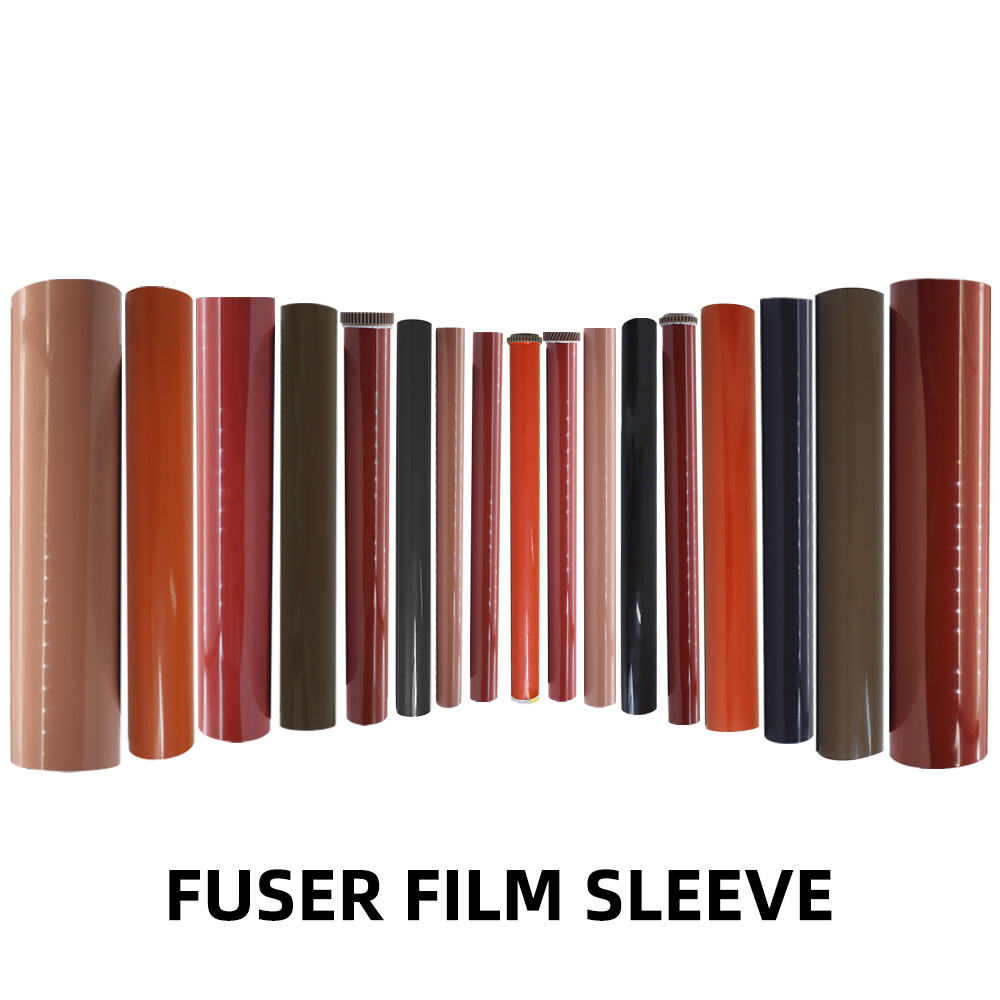
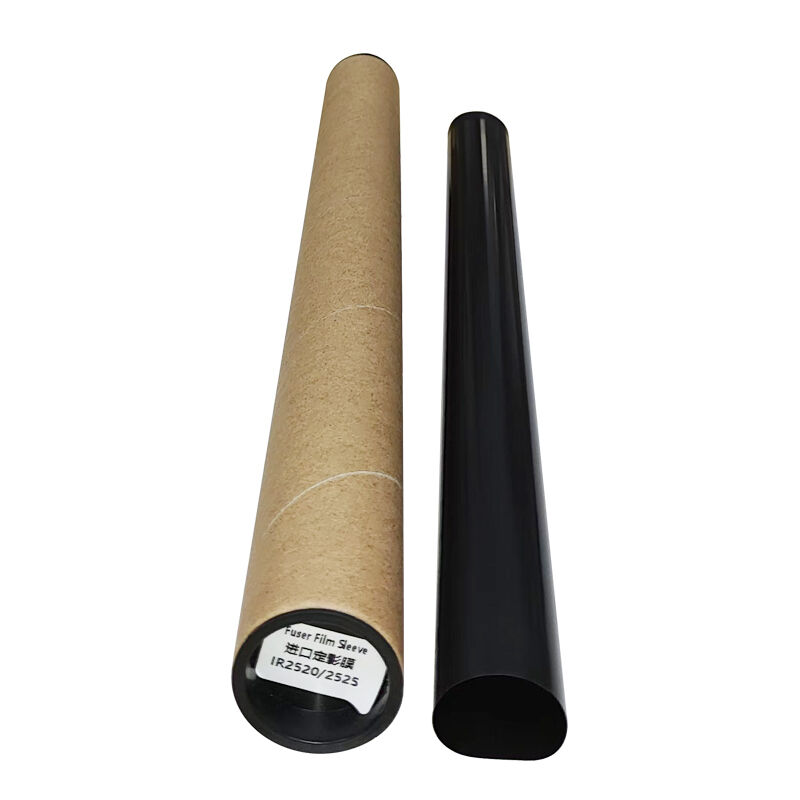
Premium Fuser Film Solutions: Enhanced Performance, Extended Life & Universal Compatibility

Get a Free Quote

Our representative will contact you soon.
Email
Mobile
Whatsapp or Wechat ID
Company Name
Name
Message
0/1000

fuser film

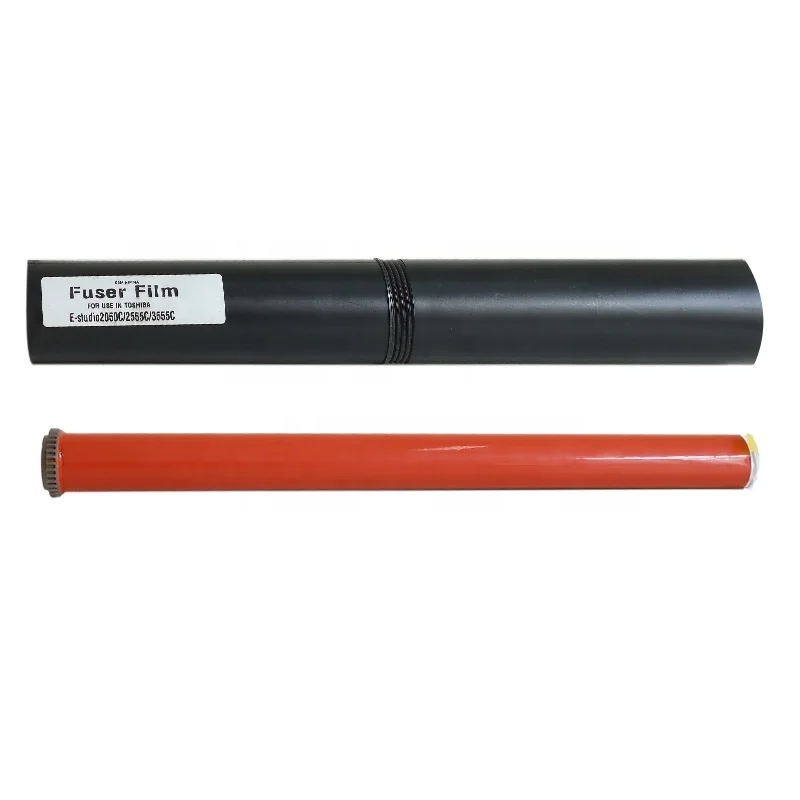
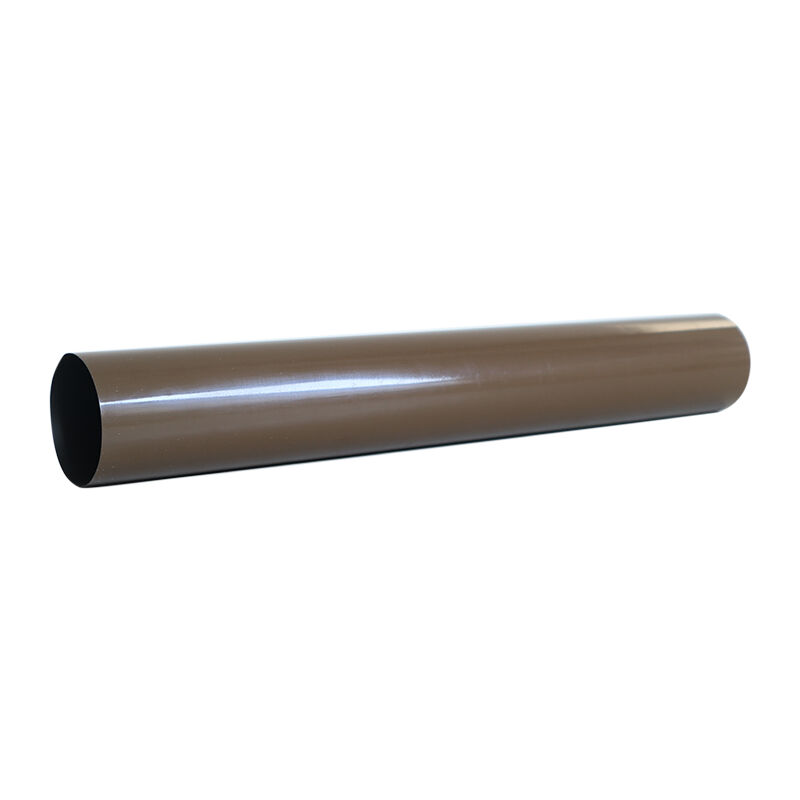
The fuser film represents a critical component in modern laser printing technology, serving as the heat transfer medium that permanently bonds toner particles to paper during the printing process. This thin, durable sleeve wraps around the fuser assembly and works in conjunction with a pressure roller to complete the final stage of document production. Understanding the fuser film and its role helps businesses maintain optimal printer performance while controlling operational costs. The primary function of the fuser film involves heating toner powder that has been electrostatically applied to paper, melting it to create a permanent image or text. This component must withstand extreme temperatures, typically ranging from 150 to 200 degrees Celsius, while maintaining consistent heat distribution across the entire page width. The technological features of the fuser film include a multi-layer construction that combines a base layer of heat-resistant material, often polyimide or similar polymers, with specialized coatings that prevent toner adhesion and reduce friction. This sophisticated design enables smooth paper passage while ensuring even heat application. The surface coating plays a vital role in preventing toner from sticking to the film itself, which would otherwise cause print defects and equipment damage. Modern fuser films incorporate advanced materials that extend service life and improve energy efficiency. Applications for the fuser film span virtually all laser printing environments, from small office printers to high-volume production systems. Desktop laser printers, multifunction devices, copiers, and commercial printing equipment all rely on this component to deliver professional-quality output. Different printer models require specifically engineered fuser films designed to match their particular specifications, including diameter, length, and temperature tolerance. The component proves essential for organizations prioritizing print quality, equipment longevity, and cost management. Businesses replacing fuser films at appropriate intervals experience fewer paper jams, superior print clarity, and extended printer lifespan, making this component an investment in reliable document production rather than merely a maintenance expense.

New Product Releases

Choosing the right fuser film delivers substantial practical benefits that directly impact your printing operations and bottom line. First and foremost, quality fuser films dramatically improve print output consistency, ensuring every page displays sharp text and vibrant images without streaks, smudges, or uneven toner distribution. This reliability matters especially when producing customer-facing documents, presentations, or marketing materials where professional appearance influences business reputation. The fuser film contributes to significant cost savings over time by reducing waste and minimizing downtime. When you install a premium fuser film, your printer requires fewer maintenance interventions, experiences reduced component wear, and operates more efficiently. This translates to lower per-page printing costs and fewer emergency service calls that disrupt workflow. Energy efficiency represents another compelling advantage. Modern fuser films heat up quickly and maintain consistent temperatures with less power consumption, reducing electricity expenses while supporting environmental sustainability goals. This efficiency becomes particularly valuable in high-volume printing environments where equipment runs continuously throughout business hours. The durability of quality fuser films extends replacement intervals, reducing the frequency of maintenance procedures. While initial investment might seem higher compared to budget alternatives, the extended service life delivers superior value by spreading costs across more printed pages. Organizations benefit from predictable maintenance schedules rather than unexpected failures that compromise productivity. Installation simplicity offers practical advantages for busy workplaces. Most fuser films can be replaced without specialized tools or technical expertise, enabling in-house maintenance that saves on service fees. Clear instructions and straightforward procedures mean minimal equipment downtime during replacement. Compatibility with various paper types and weights provides operational flexibility. Quality fuser films handle everything from lightweight copy paper to heavy cardstock, glossy photo paper, and specialty media without adjustment difficulties or quality compromises. This versatility supports diverse business needs without requiring multiple printer configurations. Temperature stability prevents common printing problems. The fuser film maintains consistent heat across its entire surface, eliminating hot spots or cool zones that cause partial fusing, toner flaking, or paper curling. This stability ensures every document exits the printer ready for immediate use without additional handling or correction. Reduced paper jams constitute a significant operational advantage. Smooth fuser film surfaces and proper engineering minimize friction and paper path obstructions, keeping documents flowing smoothly through the printer. Fewer jams mean less wasted paper, saved time, and reduced user frustration. The protective qualities of premium fuser films safeguard other printer components from excessive wear, extending overall equipment lifespan and protecting your hardware investment for years of reliable service.

Tips And Tricks

How Do Customized Cleaning Blades Help Prevent Print Defects and Smudging?

11

Dec

How Do Customized Cleaning Blades Help Prevent Print Defects and Smudging?

Print quality issues like smudging, streaking, and background ghosting can significantly impact business operations and professional document presentation. These defects often stem from inadequate drum cleaning mechanisms within copier and printer sy...
View More
How Do You Ensure the Quality of Developer Units When Sourcing from Suppliers?

11

Dec

How Do You Ensure the Quality of Developer Units When Sourcing from Suppliers?

Sourcing developer units from suppliers requires a comprehensive quality assurance strategy that protects your business reputation and ensures customer satisfaction. In today's competitive printing industry, the reliability and performance of develop...
View More
What Are the Signs That Your Pickup Roller Needs Replacing?

12

Feb

What Are the Signs That Your Pickup Roller Needs Replacing?

The pickup roller is a critical component in copiers and printers that ensures smooth paper feeding from the paper tray to the printing mechanism. When this essential part begins to wear down or malfunction, it can cause significant disruptions to yo...
View More
Common issues with primary charge rollers and how to fix them

05

Mar

Common issues with primary charge rollers and how to fix them

Every office environment depends on reliable printing equipment to maintain productivity and workflow efficiency. However, even the most advanced copiers and printers can experience technical difficulties that disrupt daily operations. One component ...
View More

Get a Free Quote

Our representative will contact you soon.
Email
Mobile
Whatsapp or Wechat ID
Company Name
Name
Message
0/1000

fuser film

Advanced Heat Distribution Technology for Superior Print Quality

Advanced Heat Distribution Technology for Superior Print Quality

The fuser film employs sophisticated heat distribution technology that fundamentally distinguishes it from conventional printing components, delivering consistently exceptional results across every print job. This advanced engineering ensures uniform temperature across the entire heating surface, eliminating the variations that compromise document quality and equipment performance. Understanding how this technology works reveals why it matters for your business. The multi-layer construction begins with a base material engineered to withstand extreme temperatures while maintaining structural integrity through thousands of heating cycles. This foundation provides mechanical strength and dimensional stability, preventing the warping or deformation that would disrupt the printing process. The intermediate layers incorporate heat-conductive materials that rapidly transfer thermal energy from the heating element to the outer surface, minimizing warm-up time and reducing energy waste. This efficient heat transfer means your printer reaches operating temperature quickly, shortening the delay between pressing print and receiving finished documents. The outer coating represents perhaps the most technologically advanced aspect of the fuser film. This specialized surface treatment combines multiple properties: it releases toner cleanly without adhesion, withstands abrasion from thousands of paper sheets, and maintains low friction to facilitate smooth paper transport. The coating chemistry involves carefully balanced formulations that remain stable across wide temperature ranges while resisting degradation from environmental factors. The precision engineering behind heat distribution prevents common quality problems. Uneven heating causes light or dark bands across printed pages, creates areas where toner fails to bond properly, or produces glossy variations that appear unprofessional. The fuser film eliminates these defects through consistent thermal performance. Temperature sensors and control systems work together with the fuser film to maintain optimal conditions throughout extended print runs. This integration ensures the first page matches the thousandth page in quality, providing reliability that businesses depend on for important documents. The benefits extend beyond immediate print quality to encompass equipment protection and operational efficiency. Consistent heat distribution reduces thermal stress on surrounding components, extending their service life and preventing premature failures. Your printer operates more reliably with fewer maintenance requirements, supporting uninterrupted workflow. For businesses printing mixed media, this technology adapts seamlessly to different paper weights and types, automatically maintaining appropriate fusing temperatures without manual intervention or quality compromises.
Extended Service Life Reducing Operational Costs

Extended Service Life Reducing Operational Costs

The exceptional durability of modern fuser films translates directly into reduced operational expenses and improved return on investment for printing equipment. This extended service life stems from advanced materials science and precision manufacturing that create components capable of performing reliably through demanding use cycles. The economic implications benefit organizations of all sizes, from small businesses to enterprise operations. Material selection forms the foundation of longevity. Premium fuser films utilize high-grade polyimide films and advanced polymer compounds that resist thermal degradation, mechanical wear, and chemical interaction with toner formulations. These materials maintain their properties through hundreds of thousands of print cycles, far exceeding the performance of standard alternatives. The manufacturing process contributes significantly to durability through precise quality control and testing protocols. Each fuser film undergoes rigorous inspection to identify potential defects before installation, ensuring only components meeting strict performance standards reach customers. This quality assurance prevents premature failures that would otherwise necessitate early replacement. The coating technology specifically addresses the primary wear mechanisms that limit fuser film lifespan. Toner particles, paper fibers, and dust create abrasive conditions that gradually erode protective surfaces. Advanced coatings resist this abrasion while maintaining their release properties, extending the interval between replacements substantially. Temperature cycling represents another challenge that durable fuser films overcome through material engineering. Each heating and cooling cycle creates thermal expansion and contraction that stresses component structures. Materials specifically chosen for their thermal stability minimize this stress, preventing the micro-cracking and delamination that compromise lesser products. The extended service life delivers multiple economic advantages. Direct cost savings come from purchasing fewer replacement components over the printer's operational life. When a fuser film lasts twice as long as a standard alternative, you effectively cut your replacement costs in half. Indirect savings prove equally valuable. Reduced replacement frequency means fewer maintenance procedures, less equipment downtime, and lower labor costs associated with component installation. Your staff spends less time on printer maintenance and more time on productive activities. Inventory management becomes simpler with longer-lasting components. Businesses maintain fewer spare parts, reducing storage requirements and capital tied up in consumables. Ordering frequency decreases, simplifying procurement processes and potentially qualifying for volume discounts. Environmental benefits accompany the economic advantages. Longer-lasting fuser films reduce waste generation, supporting sustainability initiatives while lowering disposal costs. Organizations committed to environmental responsibility find this aspect particularly valuable. The reliability of durable fuser films prevents unexpected failures that disrupt operations. Predictable replacement schedules allow planned maintenance during convenient times rather than emergency interventions that interrupt critical business activities.
Universal Compatibility Enabling Flexible Operations

Universal Compatibility Enabling Flexible Operations

The versatile compatibility of quality fuser films with diverse printer models, paper types, and printing applications provides operational flexibility that modern businesses require. This adaptability eliminates constraints that might otherwise limit printing capabilities or force compromises between different document requirements. Understanding compatibility dimensions reveals how this feature supports varied business needs. Printer model compatibility begins with precision engineering that matches specific equipment specifications. Manufacturers produce fuser films in exact dimensions, diameters, and configurations required by different printer brands and models. This attention to specification ensures proper fit within the fuser assembly, correct interaction with pressure rollers, and appropriate thermal characteristics for each printer's control systems. The importance of proper compatibility extends beyond simple physical fit. Each printer design operates at specific temperatures, applies particular pressure levels, and moves paper at defined speeds. The fuser film must perform optimally within these parameters, which requires matching material properties to equipment characteristics. Quality manufacturers maintain extensive compatibility databases that match appropriate fuser films to thousands of printer models from major brands. This comprehensive coverage means businesses can source reliable components regardless of their equipment choices, supporting standardized maintenance procedures across mixed printer fleets. Media versatility represents another crucial compatibility dimension. Modern offices print on various substrates including standard copy paper, heavyweight presentation stock, glossy photo paper, envelopes, labels, and specialty media. The fuser film must accommodate these different materials without adjustment difficulties or quality degradation. Paper weight compatibility ranges from lightweight 60-gram sheets to heavy 220-gram cardstock, with the fuser film maintaining appropriate heat transfer and release properties across this spectrum. This range supports diverse document production without requiring dedicated equipment for different media types. Surface finish compatibility ensures excellent results whether printing on matte, glossy, or textured papers. The fuser film releases toner cleanly regardless of paper surface characteristics, preventing adhesion problems that could damage documents or equipment. Temperature tolerance accommodates the varying heat requirements of different media. Heavier papers require more thermal energy to properly fuse toner, while delicate specialty media needs gentler heating to prevent damage. Quality fuser films work effectively across these temperature ranges when paired with appropriate printer settings. Toner formulation compatibility matters significantly since different manufacturers use various toner chemistries. The fuser film coating must release all toner types cleanly without chemical interactions that could compromise performance or accelerate wear. This compatibility extends to both original equipment manufacturer toners and compatible alternatives. Environmental condition adaptability allows reliable operation across typical office environments. The fuser film performs consistently whether in climate-controlled facilities or locations experiencing temperature and humidity variations, supporting printing operations in diverse settings without special accommodations.

Email Email WhatsApp WhatsApp
WhatsApp
WeChat WeChat
WeChat
Facebook Facebook TopTop

Get a Free Quote

Our representative will contact you soon.
Email
Mobile
Whatsapp or Wechat ID
Company Name
Name
Message
0/1000