copier bulk order
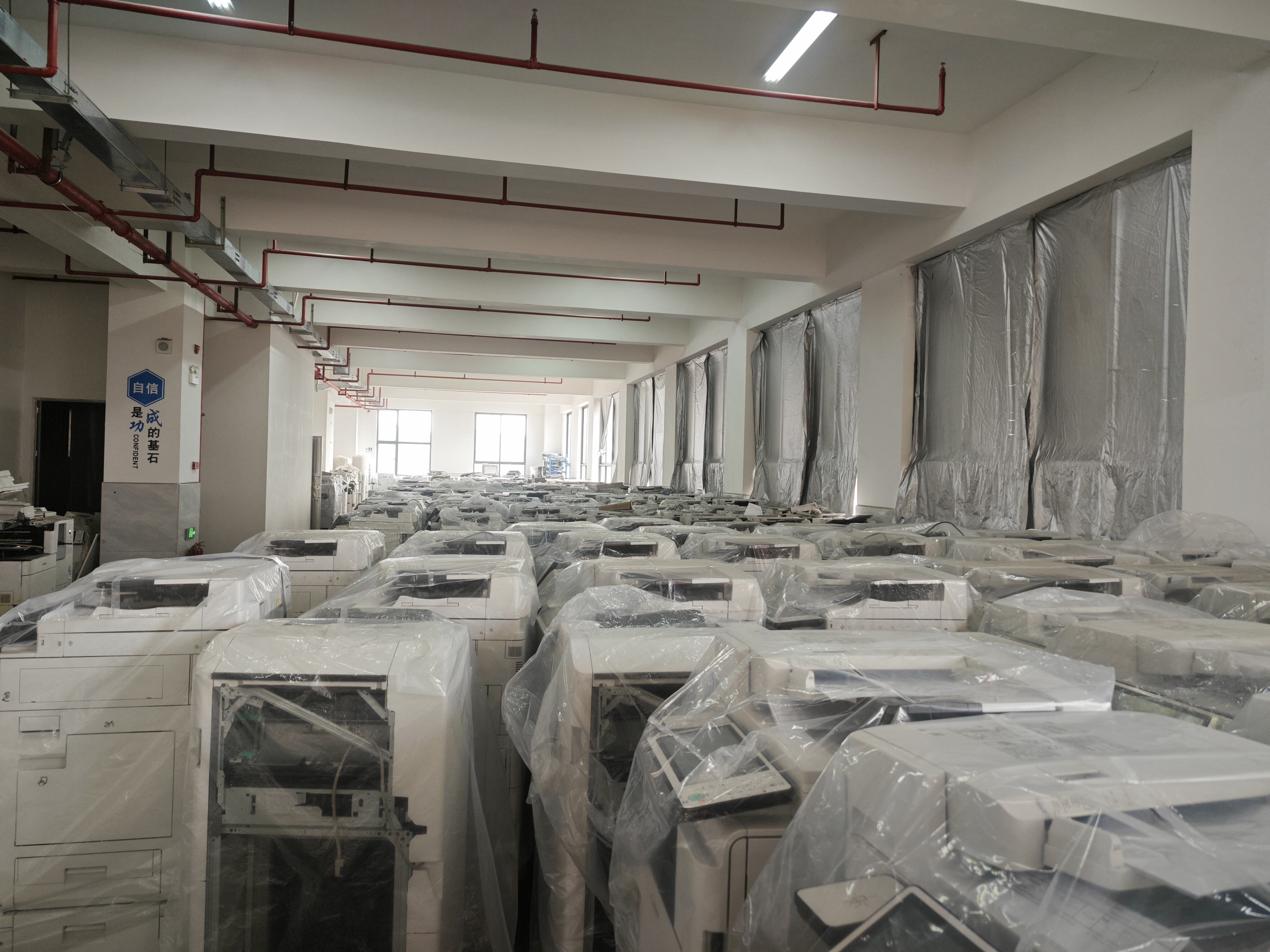
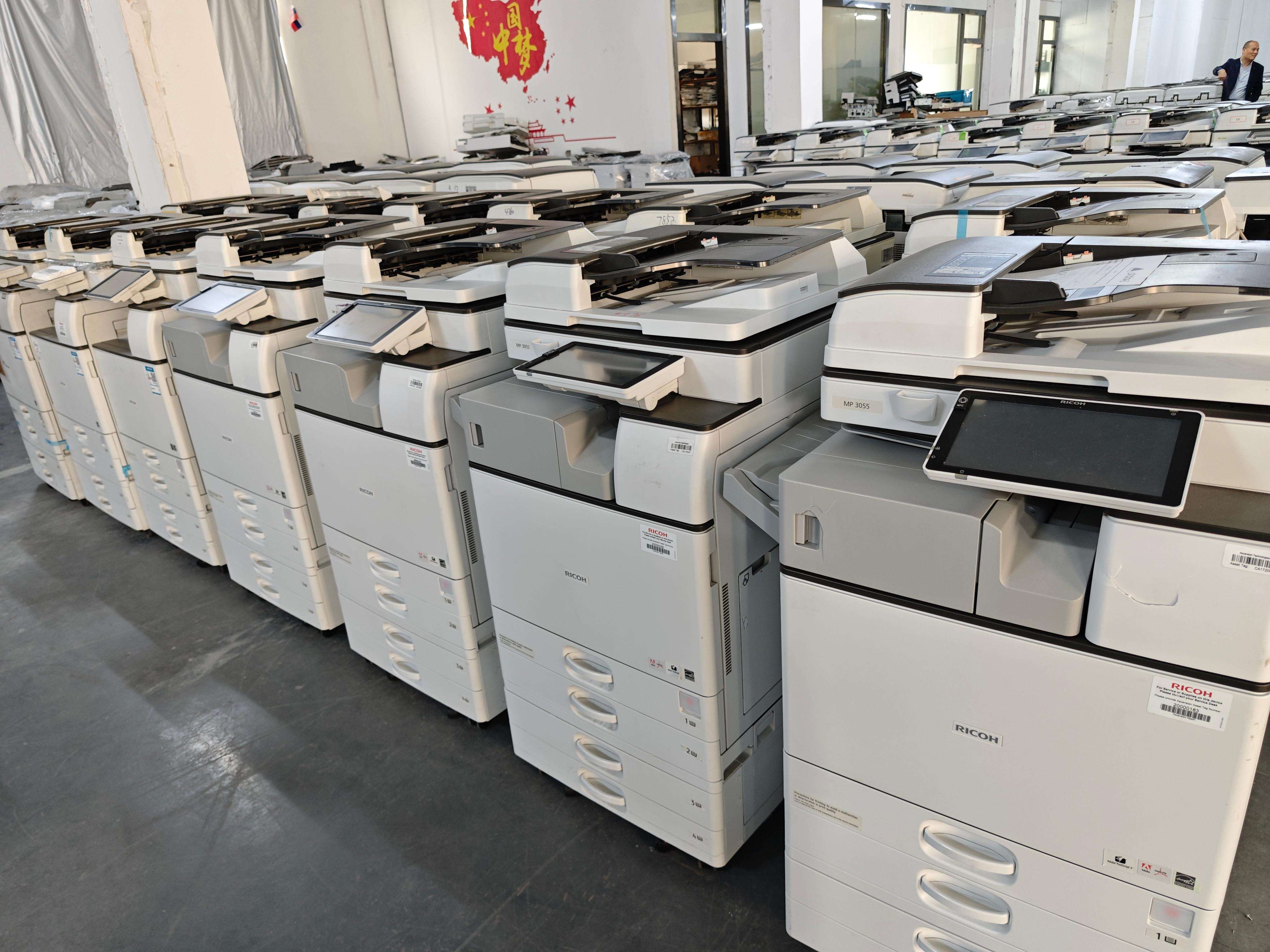
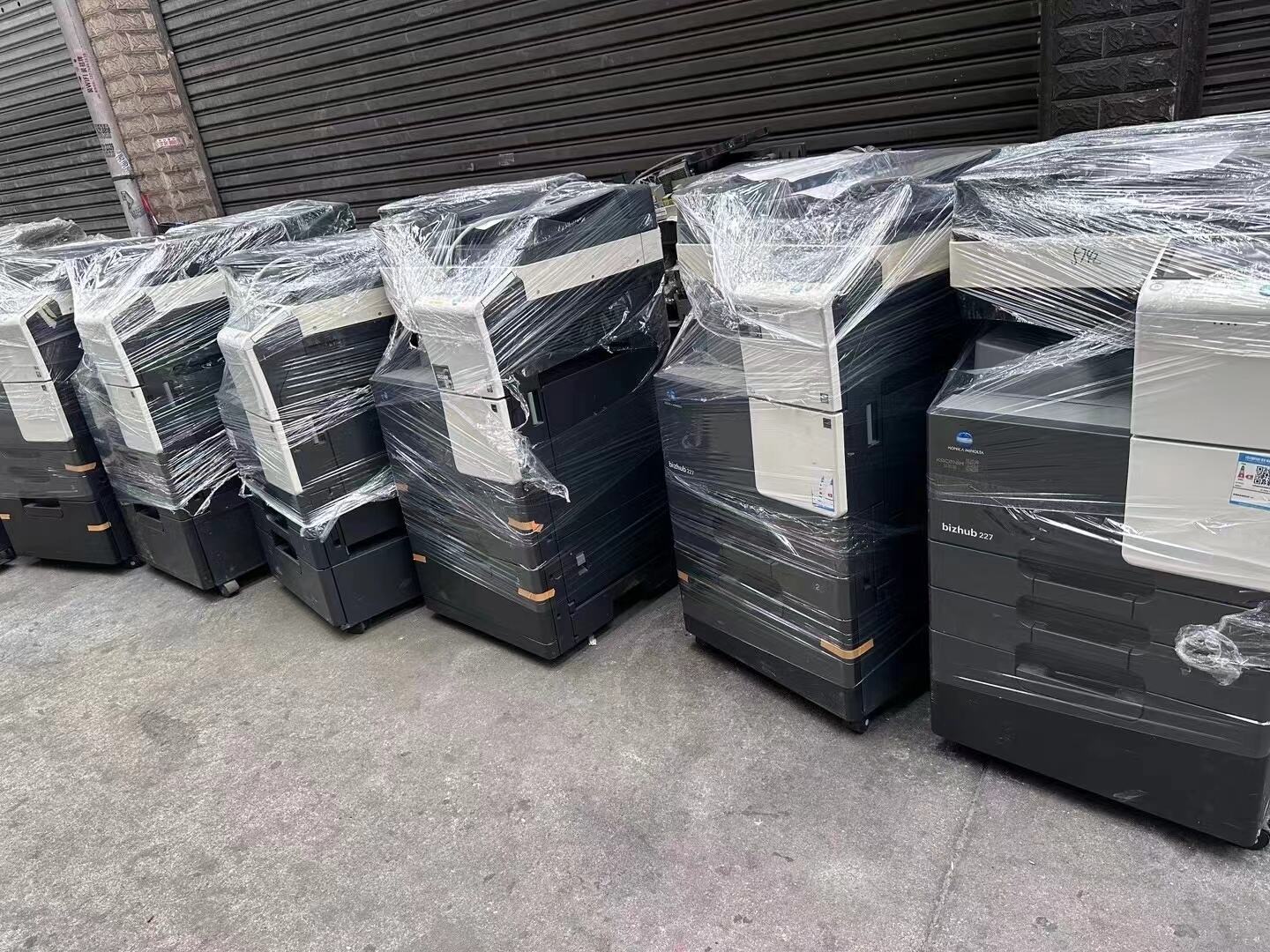
A copier bulk order represents a strategic procurement solution designed for organizations seeking to equip multiple departments, offices, or facilities with reliable document reproduction technology. This purchasing approach enables businesses, educational institutions, government agencies, and corporate entities to acquire multiple copier units simultaneously, creating operational consistency across their organization while benefiting from economies of scale. Modern copier bulk order solutions encompass advanced multifunction devices that integrate copying, printing, scanning, and faxing capabilities into unified systems. These sophisticated machines leverage digital imaging technology, network connectivity, and intelligent document management features to streamline workflow processes. The technological foundation includes high-resolution scanning sensors, precision laser or LED printing mechanisms, automated document feeders with capacities exceeding one hundred sheets, and robust paper handling systems supporting various media sizes from letter to tabloid formats. Cloud integration capabilities allow seamless connection to popular platforms like Google Drive, Dropbox, and Microsoft OneDrive, while mobile printing support through AirPrint, Mopria, and proprietary applications ensures compatibility with smartphones and tablets. Security features embedded within copier bulk order configurations include user authentication protocols, encrypted data transmission, secure print release functions, and audit trail logging to protect sensitive information. Application scenarios span diverse environments including corporate headquarters distributing units across regional offices, educational campuses outfitting classrooms and administrative centers, healthcare facilities maintaining HIPAA-compliant document workflows, legal firms managing high-volume case documentation, and retail chains standardizing back-office operations. The scalability inherent in copier bulk order arrangements allows organizations to maintain consistent equipment standards, simplify technical support infrastructure, negotiate favorable service agreements, and implement unified management protocols through centralized fleet monitoring software that tracks usage patterns, supply levels, and maintenance requirements across all deployed units.
 EN
EN